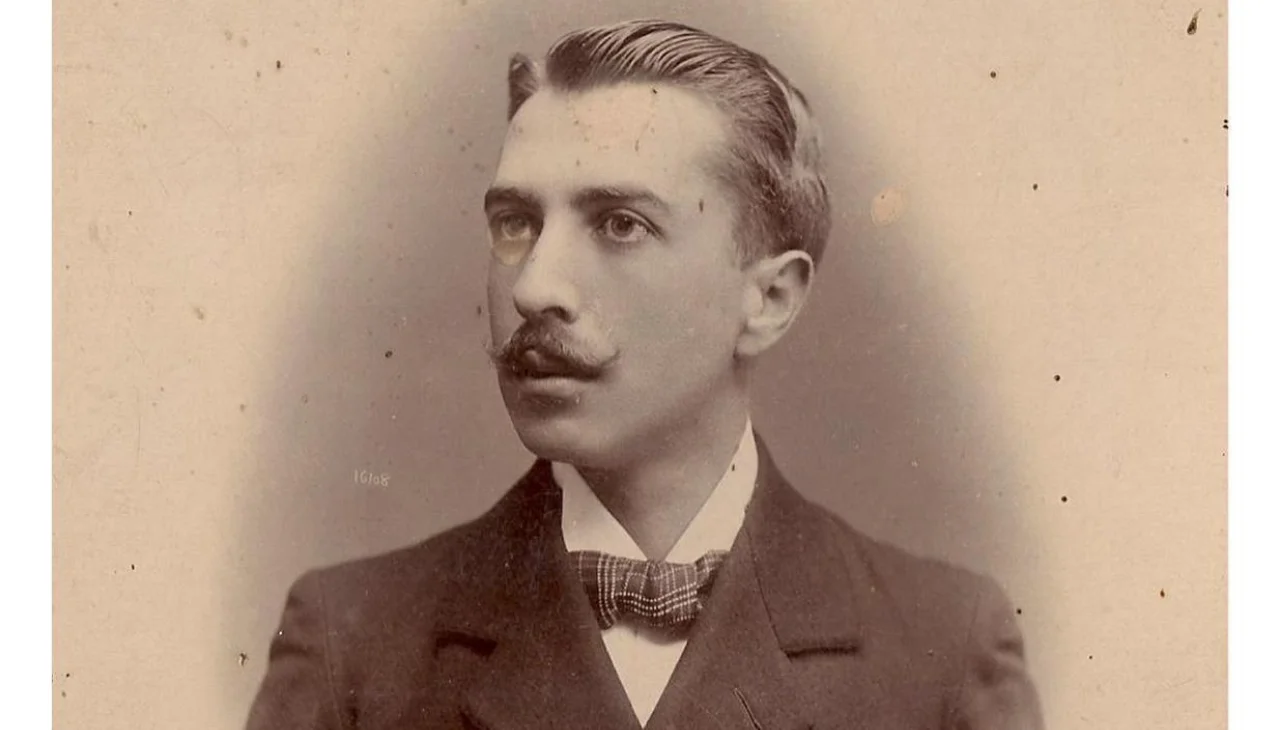
Rafael Núñez
 Colombia
Birthday
September 28, 1825
Birth Sign
Libra
Birthplace
Cartagena, Colombia
Age
Died at 68
About
Rafael Wenceslao Núñez Moledo was a Colombian author, lawyer, journalist, and politician who served as president of Colombia in 1880 and again in 1884. He is remembered as the architect of the Constitution of 1886, a document that reshaped the nation's legal framework and remained in effect for 105 years until 1991. Born in Cartagena, he is the only native of that city to ever hold the presidency.
Núñez dominated Colombian politics from 1880 until his death in 1894, steering the country through the Regeneration movement that replaced federalism with a centralized republic. His legacy is preserved in the Rafael Núñez International Airport in his hometown, a modern hub that bears his name, and in the Casa Museo Rafael Nuñez, a museum dedicated to his life and work.
Early Life & Background
Rafael Núñez grew up in Cartagena, a bustling port on Colombia's Caribbean coast. The city's political and commercial energy shaped his early years, though details of his childhood remain sparse. He came of age during a turbulent period in Colombian history, when the young republic was still defining its identity.
His first foray into public life came through journalism. Núñez wrote for prominent liberal publications like El Neogranadino and El Tiempo, where his sharp critiques of the ruling elite earned him a following. His legal training complemented his writing, giving him a deep understanding of the political system he would later reshape. These skills propelled him into government, where he held various ministerial posts before his first presidential run in 1880.
Career Growth
Núñez's presidency began in 1880, but his influence extended far beyond his two formal terms. He became the intellectual force behind the Regeneration movement, which sought to unify a fragmented nation by replacing the federalist system with a strong central government. His crowning achievement came in 1886 with the enactment of a new constitution, a document that concentrated power in the presidency while stabilizing the country after years of internal conflict.
The Constitution of 1886 proved remarkably durable, surviving nearly a century until it was replaced in 1991. Núñez's death in 1894 did not diminish his impact; his constitutional framework continued to shape Colombian law and politics long after he was gone. Today, his name lives on in Cartagena's airport, which reached financial closure in March 2026 on a US$240 million modernization project, a fitting tribute to a man who changed his nation's course.
Career Timeline
Public Image & Style
In Colombia, Núñez is remembered as a statesman and constitutional architect, a centralist visionary who unified a fragmented nation but at the cost of concentrating power in the presidency. His image is that of a strong leader who prioritized order over liberty, a stance that continues to spark debate among historians. He is honored with a museum in his birthplace, and his legacy is preserved in the nation's constitutional history. There is no modern fandom culture around him, but his name remains synonymous with the 1886 Constitution, a document that defined Colombian governance for over a century.
Fame & Fandom (iFAMOUS Rankings)
Rafael Núñez commands no modern fanbase, no organized chants, and no digital shrine where strangers gather to celebrate his birthday or push a chart position. The reverence he holds is strictly academic and patriotic, rooted in the stone halls of Cartagena rather than the viral feeds of social media. While contemporary celebrities generate frenzied crowds, Núñez remains a figure of historical gravity, remembered as the architect who stitched together a fractured nation through the Constitution of 1886. His legacy is preserved in museums and textbooks, not in fan clubs or merchandise lines. In August 2026, iFANN's Global Fame Engine evaluated this statesman but found he does not currently hold a placement in the published rankings. He stands outside the Global Top 1,000 and lacks a spot on any Top-100 scope list, a neutral standing that reflects his status as a historical icon rather than a current celebrity subject. The data confirms no formal fandom name exists for him; his audience is the citizenry of Colombia and students of Latin American history, united by the weight of his political impact rather than the whims of pop culture. No fan campaigns, birthday billboards, or ritualistic gatherings define his presence today. The only active discussion surrounding his name involves the modernization of the Rafael Núñez International Airport in Cartagena, where recent financing deals keep his moniker visible in economic news. This infrastructure project serves as the closest thing to a living tribute, ensuring his name endures in the daily rhythm of travel and commerce long after his death.
Interesting Facts and Legends
Núñez was not merely a politician but also a poet and author, though his literary works remain overshadowed by his monumental political legacy. He navigated the tense landscape of Latin American thought alongside contemporaries grappling with the clash between federalism and centralism. His drafted constitution proved so influential that it served as a model for other nations across the region. The Casa Museo Rafael Nuñez in Cartagena preserves his personal effects and documents, offering visitors a tangible glimpse into the life of a 19th-century statesman. Despite authoritarian tendencies often noted by critics, he is credited with bringing a crucial measure of stability to a country previously plagued by endless civil wars. The defining legend surrounding him is the Regeneration movement itself, the political transformation that shifted Colombia from a fractured federation to a centralized republic under the Constitution of 1886. This event is widely retold in Colombian history textbooks as the singular moment that reshaped the nation's destiny. Another enduring story involves his death in Cartagena, occurring just days before his 69th birthday, marking the end of an era where he dominated politics for over a decade.
Family & Personal Life
Núñez was married to Soledad Román de Núñez, who is recorded as his wife in historical records. Little is documented about their relationship, including how they met or whether they had children. As a public figure of the 19th century, his private life remains largely out of the historical record, and no other family members are mentioned in available sources. His household in Cartagena would have been modest by modern standards, reflecting the era's customs and the demands of political life.
Notable Connections
Soledad Román de Núñez, his wife, is the only person closely associated with Núñez in the historical record. As a political figure of the 19th century, he collaborated with various politicians and intellectuals of his era, but specific names are not detailed in available sources. His legacy is intertwined with the Regeneration movement and the constitutional history of Colombia.
Relationships & Dating History
Rafael Núñez was married to Soledad Román de Núñez, who is recorded as his spouse. The details of their relationship, including when they married and whether they had children, are not well documented. As a historical figure who died in 1894, he is not in a current relationship, and no other romantic partnerships are mentioned in the available sources.
- MarriedSoledad Román de Núñez? - 1894His wife, as recorded in historical records.
Death & Aftermath
Died
September 18, 1894 (aged 68)
Death Place
Bogotá
Cause of Death
Prolonged illness
The death of Rafael Núñez in the capital city marked the end of an era defined by his iron grip on Colombian politics, yet the public reaction remained a study in polarized silence rather than unified mourning. Tributes from peers and institutions focused strictly on his role as the architect of the Constitution of 1886, which had centralized power and established Conservative hegemony for decades, while his controversial status as a paladin of that party prevented any widespread outpouring of personal grief or fan vigils. He passed away on September 18, 1894, at the age of 68, still serving his fourth term as president within the confines of Bogotá.
The transition of power followed a smooth constitutional succession without criminal investigation or legal dispute, as Caro assumed the presidency immediately upon Núñez's passing. While specific details regarding the date or attendees of his funeral remain unrecorded in available sources, historical tradition places his burial in the Central Cemetery of Bogotá. His legacy has endured through physical dedications that continue to evolve, most notably the naming of the Rafael Núñez International Airport in his hometown of Cartagena, and the Casa Museo Rafael Núñez that preserves his memory.
Net Worth (Estate Value)
$0
iFANN Editorial Team estimate
As a 19th-century political figure who died in 1894, no contemporary net worth estimates exist for Rafael Núñez. Research by the iFANN Editorial Team puts his total accumulated wealth at $0. His estate value is not documented in available sources, and there is no information about posthumous earnings, estate management, or royalties from his works. His lasting wealth is not monetary but historical, embodied in the constitution he authored and the airport that bears his name in Cartagena.
Awards & Accolades
View 4 records, honours and achievementsKnown For
Constitution of 1886
1886 · Architect
President of Colombia
1880 · President
President of Colombia
1884 · President
Keywords
Sources
Quick Facts
- Profession
- politician, writer, lawyer
- Born
- September 28, 1825
- Birthplace
- Cartagena, Colombia
- Died
- September 18, 1894
- Death Place
- Cartagena, Colombia
- Gender
- Male
- Spouse
- Soledad Román de Núñez
- Birth Sign
- Libra
Personal Details
- Full Name
- Rafael Wenceslao Núñez Moledo
- Spouse
- Soledad Román de Núñez
Frequently Asked Questions
Who was Rafael Núñez?
Where was Rafael Núñez born?
When did Rafael Núñez die?
Who was Rafael Núñez's wife?
What was Rafael Núñez's greatest achievement?
Join the community
fans discussing