Alexandre Dumas
 France
Also known as: Alexandre Dumas pere, Alexandre Dumas, father, Alexandre Dumas, père, Alexandre Dumas, the Elder
Birthday
July 24, 1802
Birth Sign
Sagittarius
Birthplace
Villers-Cotterêts, France
Age
Died at 68
About
Alexandre Dumas père was a French novelist and playwright born on July 24, 1802, in Villers-Cotterêts. He is best known for his historical adventure novels, including The Three Musketeers and The Count of Monte Cristo, which have been translated into nearly 100 languages. Dumas died on December 5, 1870, leaving behind a legacy that continues to influence storytelling globally. His works are celebrated for their dramatic flair, themes of justice, and the sheer volume of his output, which established him as one of the most prolific authors in history.
Early Life & Background
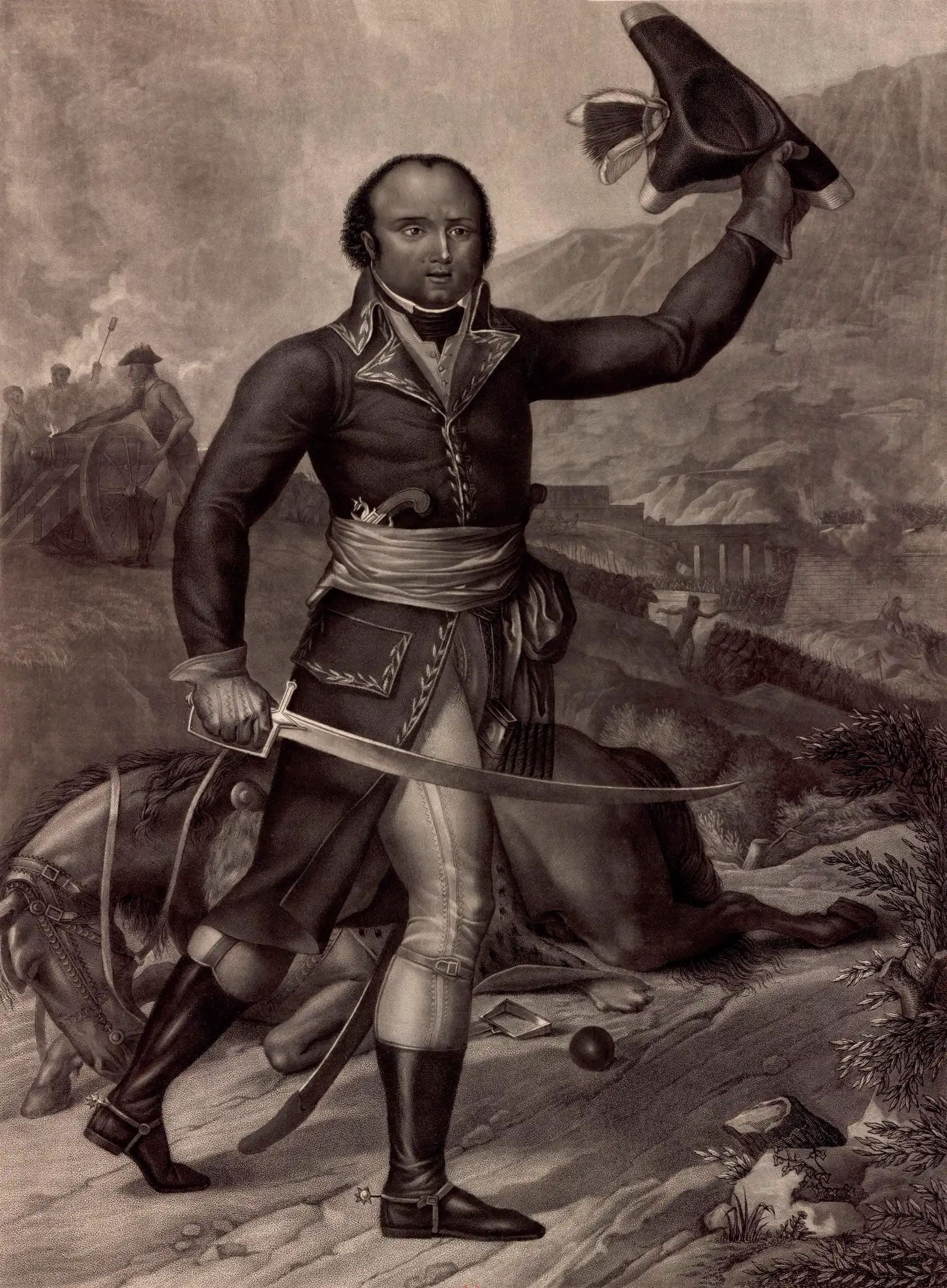
Born Alexandre Davy de la Pailleterie, Dumas entered the world in Villers-Cotterêts as the son of General Thomas-Alexandre Dumas Davy de la Pailleterie, a celebrated military figure of mixed-race heritage. His father, born in Saint-Domingue (modern-day Haiti), had risen from slavery to become the first person of African descent to achieve the rank of general in the French Army. Tragically, the family lost much of its wealth following the General's death in 1806 when Dumas was only four years old. Raised in relative poverty despite his father's high status, young Alexandre received little formal education, attending a local school before being sent to Paris at age fourteen to work as a clerk in a notary's office.
His true passion lay elsewhere, however. While working as a junior clerk, he spent his spare time reading and writing. By his late teens, he secured a position in the office of the Duke of Orléans, where he was exposed to the political and cultural elite of Paris. It was here that his talent began to flourish. He started writing plays and stories in secret, eventually gaining the attention of the Duke himself. The Duke encouraged his literary pursuits, providing a crucial bridge between his clerical life and his future career. This period of observation and practice laid the groundwork for his eventual breakthrough in the theater, setting him on the path to becoming one of France's most celebrated authors.
Career Growth
Dumas launched his career in the theater with the premiere of Henri III et sa cour in 1829. The play was a massive success, establishing him immediately as a prominent playwright and allowing him to transition into novel writing. His approach to fiction was often collaborative; he frequently worked with ghostwriters, most notably Auguste Maquet, though Dumas is credited as the sole author. His literary output was immense, reportedly totaling 100,000 pages across novels, plays, magazine articles, and travel books.
Key milestones define his ascent to global fame. In 1844, he serialized The Three Musketeers, which became an instant sensation and defined the genre of historical adventure. In 1845, he founded the Théâtre Historique in Paris to produce his own plays. Throughout the 1850s, he traveled extensively to Italy, North Africa, and the United States, experiences that enriched his writing with diverse cultural perspectives. His later works in the 1860s, including Twenty Years After and The Vicomte of Bragelonne, continued to captivate audiences and solidify his reputation as a prolific storyteller. Additionally, he published The Black Tulip in 1836, further expanding his historical romance portfolio before his major successes.
Career Timeline
Public Image & Style
Dumas is portrayed as a genius of storytelling and a man of action who lived as dramatically as his characters. His public image emphasizes his mixed-race heritage and his role as a pioneer in literature. Media portrayals often highlight his reputation as a womanizer and his lavish lifestyle, painting him as a larger-than-life figure who embodied the spirit of adventure and justice found in his novels. Contemporary accounts describe him as having an imposing presence, likely due to his father's stature and his own active lifestyle.
Fame & Fandom (iFAMOUS Rankings)
Alexandre Dumas commanded a readership that transcended the boundaries of his era, though no formal collective name ever emerged for those who championed his work. Unlike modern entertainers whose supporters adopt specific monikers, Dumas's audience remained an unlabelled global literary community, united by the enduring consumption of his serialized adventures rather than organized campaigns or ritualistic gatherings. His legacy is sustained not through fan-driven activism but through continuous academic study and the relentless adaptation of his stories into new media formats, from stage productions to digital role-playing games. This vast reach places him firmly within the historical pantheon of cultural giants, a status quantified by the iFANN Global Fame Rankings. According to these authoritative measures, he stands as the 42nd most famous person from France, down from 41st last cycle, and as the 70th most famous person in Books & Literature, down from 66th last cycle. These placements reflect a sustained resonance that has persisted for nearly two centuries since his death. The rankings confirm that while he lacks a contemporary fandom structure, his influence remains a measurable force in the global consciousness, anchored by works like The Three Musketeers and The Count of Monte Cristo which continue to define the genre of historical adventure.
Interesting Facts and Legends
One of the most enduring legends surrounding Dumas is his reputation as "The Great Lover." This title reflects his charismatic persona and lavish lifestyle, which often mirrored the romantic prowess of his fictional heroes. Another fascinating fact involves his use of ghostwriters; while he employed teams like Auguste Maquet to help draft texts, Dumas would outline the plots and then revise and polish the work, ensuring his unique voice remained central. His travels were extensive, taking him to the United States, Egypt, and Italy, which provided rich material for his writings.
Additionally, his father's extraordinary life as a former slave who became a general served as the factual backbone for many of his narratives, particularly those involving themes of injustice and redemption. The phrase "All for one, and one for all" from The Three Musketeers has become a cultural catchphrase symbolizing loyalty. Notable quotes attributed to him include "Life is a flower of which love is the honey" and "The world is a book, and those who do not travel read only a page." Recent developments in 2026 include a new stage production of The Count of Monte Cristo announced in March and a PBS series adaptation released in April, further cementing his status as a timeless storyteller.
Notable Quotes
“Life is a flower of which love is the honey.”
“All for one, and one for all.”
“The world is a book, and those who do not travel read only a page.”
Family & Personal Life
Dumas's family background was complex and shaped his worldview. His father, General Thomas-Alexandre Dumas, was a celebrated military figure born in Saint-Domingue who rose from slavery to become the first person of African descent to achieve the rank of general in the French Army. After the General's death, the family fell into financial difficulty. Dumas was married once to Marie-Catherine Labay, known professionally as Ida Ferrier, in 1840. She was a former actress and the daughter of a wealthy merchant. Their marriage was partly arranged for financial stability, as Dumas's earnings were often consumed by his extravagant spending.
They had one legitimate son, Alexandre Dumas fils, who also became a famous writer. The couple separated in the early 1860s, though they never legally divorced. Beyond his marriage, Dumas had several illegitimate children with different women, including a daughter named Louise-Marie Dumas. He maintained a relationship with the actress Juliette Drouet for over twenty years until her death in 1883. They had no children together, but she was a constant companion and supporter of his work.
Notable Connections
Relationships & Dating History
Unlike modern celebrities, Dumas lived in an era where "dating history" in the modern sense was less publicly documented through tabloids, but his personal life was characterized by a reputation as a charismatic womanizer and a lavish lifestyle. He was married only once: to Marie-Catherine Labay, known professionally as Ida Ferrier, in 1840. She was a former actress and the daughter of a wealthy merchant. The marriage was arranged partly for financial stability, as Dumas's earnings were often consumed by his extravagant spending. They had one legitimate son, Alexandre Dumas fils, who also became a famous writer. The couple separated in the early 1860s, though they never legally divorced.
Beyond his marriage, Dumas was widely rumored to have numerous romantic liaisons. He was known as "The Great Lover," a title reflecting his charisma and the number of women he attracted. One notable relationship was with the actress Juliette Drouet, whom he met in 1833. Their relationship lasted for over 20 years until her death in 1883, though it was not a marriage. They had no children together, but Drouet was a constant companion and supporter of his work. Dumas also had several illegitimate children with different women, including a daughter named Louise-Marie Dumas.
- MarriedIda Ferrier1840 - 1860Married for financial stability; had one son, Alexandre Dumas fils; separated in the 1860s.
- DatedJuliette Drouet1833 - 1883Long-term companion and supporter; relationship lasted over 20 years until her death.
Death & Aftermath
Died
December 5, 1870 (aged 68)
Death Place
Villers-Cotterêts, France
Cause of Death
Stomach cancer
On the morning of December 5, 1870, Alexandre Dumas passed away at his estate, Le Plessis, in Villers-Cotterêts. He was sixty-eight years old and had been suffering from severe digestive ailments that his physicians identified as stomach cancer. Despite being bedridden, he remained mentally sharp until the end, continuing to receive visitors who came to pay their respects to the national icon. His death occurred during the Franco-Prussian War, a time of great turmoil for France, yet his passing drew immediate and widespread attention.
The public reaction was profound. Newspapers across the country published extensive obituaries, and the Académie Française issued formal tributes honoring his contribution to French letters. Publishers rushed to reprint his novels, causing sales of The Count of Monte Cristo and The Three Musketeers to surge as readers sought to commemorate the author. Thousands lined the streets for his funeral at the cemetery of Villers-Cotterêts, attended by fellow writers, political figures, and mourners who honored him with full rites befitting a hero of literature.
Following his death, his son Alexandre Dumas fils took charge of the estate to manage significant financial debts and protect his father's literary rights. The family faced considerable hardship, but the legacy of the elder Dumas endured. In 2002, marking the bicentennial of his birth, his remains were exhumed and transferred to the Panthéon in Paris. This final honor placed him alongside other French literary giants like Voltaire and Victor Hugo, cementing his status as a foundational figure in world literature. Foundations established in his name continue to preserve his heritage and manage the intellectual property that generates revenue through translations and adaptations. He was awarded the Legion of Honour during his lifetime for his contributions to literature.
Net Worth (Estate Value)
$5 Million
iFANN Editorial Team estimate
As Alexandre Dumas passed away in 1870, his net worth is calculated based on his estate value at the time of death and subsequent earnings. During his life, he was known for his lavish spending and frequent financial difficulties, often earning large sums but spending them quickly on luxury goods, art, and maintaining a large household. At the time of his death, his estate was largely insolvent, with significant debts that his son had to manage. Posthumous earnings have been substantial, driven by the enduring popularity of his works.
The estate continues to generate revenue through royalties from book sales, translations, and adaptations, as well as licensing deals for film, television, stage productions, and merchandise. The Fondation Alexandre Dumas manages these assets to preserve his heritage. While exact current net worth figures for 2026 are not publicly available in a single consolidated report, the estate's value is estimated to be in the millions of dollars annually due to the continued popularity of his works. iFANN currently estimates the estate's value at approximately $5 million, reflecting the ongoing commercial viability of his intellectual property.
Awards & Accolades
View 5 records, honours and achievementsKnown For
The Three Musketeers
1844 · Author
The Count of Monte Cristo
1844 · Author
Henri III et sa cour
1829 · Playwright
Keywords
Sources
Quick Facts
- Profession
- novelist, playwright, writer
- Born
- July 24, 1802
- Birthplace
- Villers-Cotterêts
- Died
- December 5, 1870
- Death Place
- Villers-Cotterêts, France
- Gender
- Male
- Spouse
- Ida Ferrier
- Birth Sign
- Sagittarius
Personal Details
- Full Name
- Alexandre Davy de la Pailleterie
- Spouse
- Ida Ferrier
- Children
- Alexandre Dumas fils, Louise-Marie Dumas (daughter)
- Education
- Local school in Villers-Cotterêts; clerk training under a notary
Frequently Asked Questions
Who was Alexandre Dumas?
Did Alexandre Dumas have children?
What caused Alexandre Dumas's death?
Was Alexandre Dumas related to a general?
Where is Alexandre Dumas buried?
Social Media
Similar People
Join the community
fans discussing