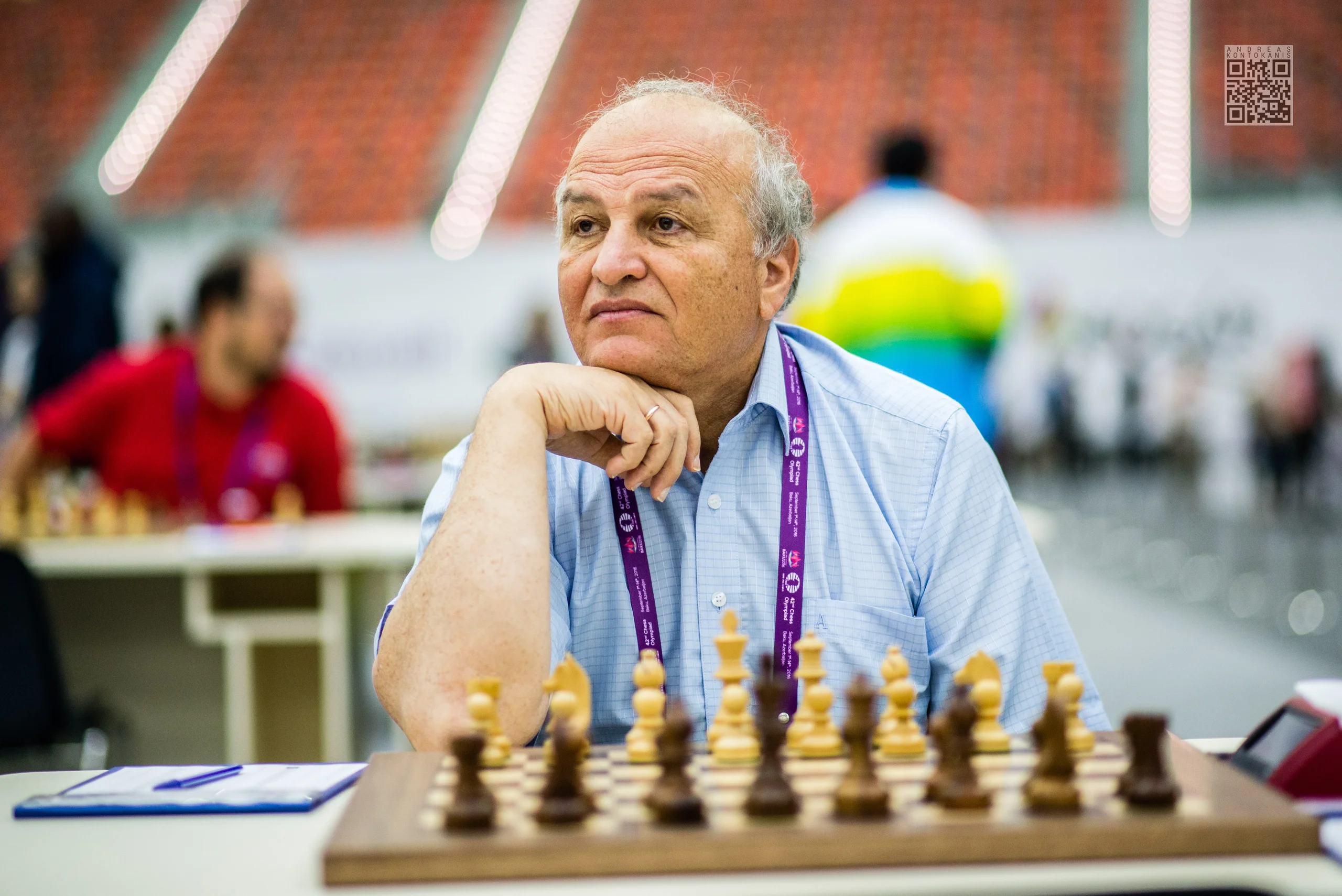
Alexander Beliavsky
 Ukraine
Also known as: Alexander Genrikhovich Beliavsky, Oleksandr Genrìchovyč Bìljavs‘kyj
Birthday
December 17, 1953
Birth Sign
Sagittarius
Birthplace
Lviv, Ukrainian SSR, Soviet Union
Age
72 years old
About
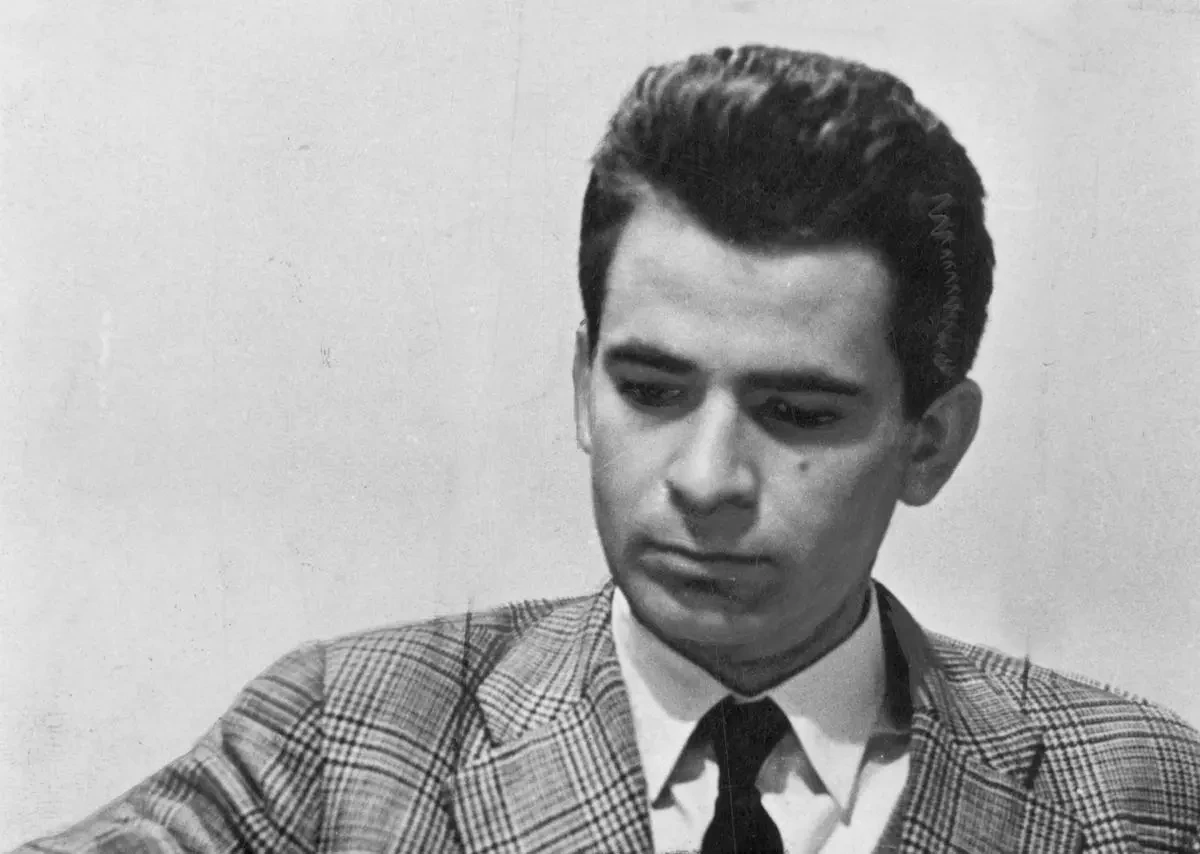
Alexander Genrikhovich Beliavsky, born December 17, 1953, in Lviv, is a distinguished chess grandmaster, coach, and author who has shaped the game for over five decades. A native of the Ukrainian SSR, he represents Slovenia internationally since 1996 after emigrating from the Soviet Union in the early 1990s. His career is defined by an aggressive, creative playing style and a legendary status as one of the few competitors to defeat nine different World Champions. He was awarded the Grandmaster title by FIDE in 1975 and later earned the rank of FIDE Senior Trainer in 2004. Currently residing in Slovenia, Beliavsky continues to contribute to the sport through coaching, analysis, and occasional senior competition. He serves as a bridge between the rigorous Soviet training system and the modern international game, maintaining a presence in senior events while mentoring the next generation of players.
Early Life & Background
Born into a Jewish family in Lviv, Alexander Beliavsky grew up in a city with a deep-rooted chess tradition that would define his destiny. His father, Genrikh Beliavsky, was a prominent chess master who introduced him to the game at a very young age, serving as his first coach. Growing up in the Soviet Union, Beliavsky entered the state-sponsored training system that produced some of the world's strongest players. While he attended the Moscow State University of Culture and Arts, his primary focus remained entirely on chess. By the late 1960s, he was already competing at a high level within the Soviet youth circuit. The pivotal moment in his pre-fame years came during the early 1970s when he began dominating the Soviet junior championships. These victories against established Soviet masters signaled his arrival as a top-tier contender. Before his professional breakthrough, Beliavsky honed his skills in an environment where competition was fiercer than any other place on earth, setting the stage for his rise as a global force.
Career Growth
Beliavsky's professional trajectory is defined by consistent elite performance during the golden age of Soviet chess. In 1975, he was awarded the Grandmaster title by FIDE, cementing his status among the world's elite. Between 1976 and 1983, he achieved four victories at the Soviet Chess Championship, winning in 1976, 1979, 1981, and 1983. This feat is historically significant because the Soviet Championship was widely considered stronger than the World Championship due to the sheer depth of competition. During the 1980s, he became a regular fixture in the Candidates' tournaments, reaching the quarter-finals in 1983 and advancing further to the semi-finals in 1985. He also secured four gold medals with the USSR team at the Chess Olympiads in 1976, 1978, 1980, and 1982.
In 1990, he emigrated from the USSR to Israel before moving to Slovenia in 1991. Officially switching his federation allegiance to Slovenia in 1996, he began representing them in the Chess Olympiads and European Team Championships. The 1990s and 2000s saw him win numerous international tournaments, including the Linares Interzonal in 1990 and multiple Slovenian national championships. In 2004, he was granted the title of FIDE Senior Trainer. In recent years, he has continued to compete in senior events and serve as a coach. In 2025, he participated in interviews regarding Ukraine's success at the European Team Championship amidst the ongoing war, highlighting his continued relevance and advocacy for the sport.
Career Timeline
Public Image & Style
Beliavsky is portrayed as a dignified, intellectual, and resilient figure. The media describes him as a "legendary player" and a "formidable presence." His image is rooted in the serious, academic culture of chess rather than celebrity glamour. He is seen as a bridge between the Soviet era's rigorous training and the modern, globalized chess world. His reputation is built on technical mastery and a relentless competitive spirit that refuses to accept draws. Unlike modern pop icons, his media presence is confined to specialized chess publications like *ChessBase*, *New in Chess*, and *Chess.com*. He does not maintain a significant public social media presence, preferring to let his games and books speak for him.
Fame & Fandom (iFAMOUS Rankings)
Alexander Beliavsky commands a unique place in the chess world, where reverence is measured not by viral trends or organized fan clubs, but by the deep, academic appreciation of his technical mastery and longevity. Unlike modern pop icons with dedicated armies chanting slogans, his admirers are primarily historians, students, and enthusiasts who gather around the study of his opening theory and his legendary status as one of the few players to defeat nine different World Champions. This community interacts through educational retrospectives published by major outlets like ChessBase and Chess.com, celebrating milestones such as his 70th birthday with articles detailing his victories against the titans of his generation.
His influence is institutional rather than theatrical, rooted in the Soviet era's rigorous training systems and his subsequent role as a coach passing that legacy forward. The lack of a formal fandom name reflects a culture where the focus remains entirely on the game itself; there are no birthday billboards or fan-driven campaigns, only the quiet dedication of those studying his book Uncompromising Chess. According to iFANN data evaluated in September 2026, Alexander Beliavsky holds a status of EVALUATED_UNRANKED, meaning he does not currently hold a placement in the Global Top 1,000 rankings. He remains a titan of history whose fame exists outside the scope of current numerical metrics, sustained by the enduring respect of the chess community.
Interesting Facts and Legends
One of the most enduring stories about Beliavsky is his record of defeating nine different World Champions throughout his career. This statistic places him in the upper echelon of historical players and is often cited by historians to demonstrate his elite standing. Another central piece of lore involves his four wins in the Soviet Championship; many world-class players never won it once due to the intense internal competition, making his four titles a rare feat. His book Uncompromising Chess features 71 of his own games and is renowned for illustrating his refusal to settle for draws, even in drawn positions. Specific opening strategies he developed, particularly against the Dutch Stonewall, are sometimes referred to as "The Beliavsky Plan," indicating his lasting theoretical influence. Despite living in Slovenia, he has been vocal about the plight of Ukrainian chess players during the Russian invasion, participating in interviews that highlighted the emotional and logistical challenges faced by Ukrainian teams. Born in 1953, he is a Sagittarius, and as of 2026, he is 72 years old.
Notable Quotes
“Chess is my life.”
“I do not play for draws.”
“The Soviet Championship was stronger than the World Championship.”
Family & Personal Life
Alexander Beliavsky was born into a Jewish family in Lviv, a city with a rich chess tradition. His father, Genrikh Beliavsky, was a prominent chess master who served as his first coach and introduced him to the game. While public records regarding his romantic life are extremely sparse, it is known that he leads a private personal life focused entirely on his chess career and coaching duties. There are no verified public reports of marriages, engagements, or long-term dating relationships documented in credible sources. No information exists regarding children, divorces, or current partners. He currently resides in Slovenia, having moved there in the early 1990s. As of 2026, his relationship status remains undisclosed, but it is widely understood that he keeps his family life entirely out of the public eye.
Notable Connections
Genrikh Beliavsky (Father), Adrian Mikhalchishin (Collaborator), Anatoly Karpov (Opponent), Garry Kasparov (Opponent), Viktor Korchnoi (Opponent).
Relationships & Dating History
Public records regarding Alexander Beliavsky's romantic life are extremely sparse. Unlike modern celebrities, Beliavsky has maintained a private personal life, focusing entirely on his chess career and coaching duties. There are no verified public reports of marriages, engagements, or long-term dating relationships documented in credible sources. No information exists regarding children, divorces, or current partners. As of 2026, his relationship status is not publicly disclosed, but it is widely understood that he leads a low-profile personal life dedicated to the game. The absence of media coverage suggests he has kept his family life entirely out of the public eye. While he collaborates closely with colleagues like Adrian Mikhalchishin, these remain professional partnerships without public romantic entanglements.
Salary, Net Worth In 2026
$1 Million
iFANN Editorial Team estimate
Specific net worth figures for Alexander Beliavsky are not publicly available. As a chess player and coach, his income derives from tournament winnings, coaching fees, book royalties, and appearance fees. Unlike actors or musicians, he does not have a publicly traded estate or endorsement deals that generate massive wealth. Estimates suggest a modest to comfortable financial standing typical of veteran professional athletes and coaches. Research by the iFANN Editorial Team puts his fortune at around $1 million. In February 2026, he received a distribution of €37,000 from FIDE as part of a program supporting chess veterans, highlighting the ongoing institutional support for aging legends in the sport. This payment underscores the financial reality of older grandmasters who rely on institutional support alongside their coaching work.
Awards Won (10)
Beliavsky's accolades are primarily competitive achievements rather than industry awards. He was awarded the Grandmaster title by FIDE in 1975. He won the Soviet Chess Championship four times (1976, 1979, 1981, 1983). He also won four gold medals with the USSR team at the Chess Olympiad (1976, 1978, 1980, 1982). In 2004, he was granted the title of FIDE Senior Trainer.
1975 · FIDE Title
Career Achievement
1983 · National Championship
Soviet Chess Championship
1981 · National Championship
Soviet Chess Championship
1979 · National Championship
Soviet Chess Championship
1976 · National Championship
Soviet Chess Championship
Known For
Uncompromising Chess
1999 · Author
Soviet Chess Championship
1976 · Winner
Chess Olympiad
1976 · Gold Medalist
Keywords
Sources
Quick Facts
- Profession
- chess player, coach
- Born
- December 17, 1953
- Birthplace
- Lviv, Ukrainian SSR
- Gender
- Male
- Birth Sign
- Sagittarius
Personal Details
- Full Name
- Alexander Genrikhovich Beliavsky
- Children
- Education
- Moscow State University of Culture and Arts
Frequently Asked Questions
How many World Champions did Alexander Beliavsky defeat?
What country does Alexander Beliavsky represent now?
Has Alexander Beliavsky ever won the World Championship?
Is Alexander Beliavsky still active in chess?
What is Alexander Beliavsky's most famous book?
Join the community
fans discussing