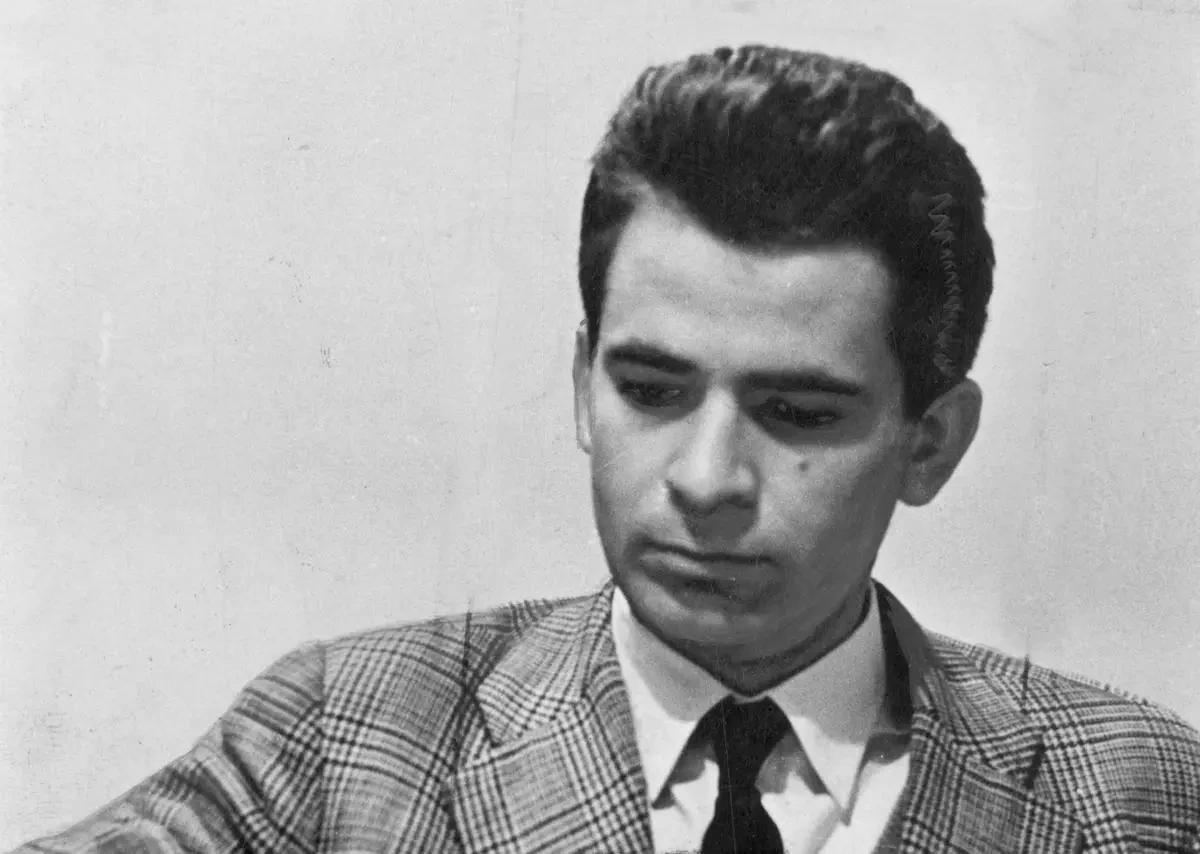
Boris Spassky
 Russia
Birthday
January 30, 1937
Birth Sign
Aquarius
Birthplace
Leningrad, Soviet Union (now Saint Petersburg, Russia)
Age
Died at 88
About
Boris Spassky was a Soviet and French chess grandmaster who reigned as the tenth World Chess Champion from 1969 to 1972. Born in Leningrad, he became the youngest grandmaster in history at the time and later defeated Tigran Petrosian to claim the crown. His 1972 title defense against Bobby Fischer in Reykjavík, Iceland, transcended sport, becoming a Cold War symbol watched by millions. Spassky's elegant, universal playing style, equally at home in sharp tactics and quiet positional battles, earned him admiration from peers and fans alike.
Beyond the championship years, Spassky remained a formidable competitor, winning the Soviet Championship twice and representing three countries over his long career. After emigrating to France in 1976, he continued to play at a high level into the 1990s, famously facing Fischer again in a 1992 rematch. He passed away in Moscow on February 27, 2025, at age 88, leaving behind a legacy as one of the most complete players chess has ever seen.
Early Life & Background
Boris Spassky's introduction to chess came under extraordinary circumstances. During World War II, at about age five, he learned the game on a train while being evacuated from the Siege of Leningrad. After the war, he gravitated to the chess pavilion in Leningrad's Central Park, then to the Leningrad Palace of Pioneers, where coach Vladimir Zak spotted his talent. His progress was meteoric: at ten, he defeated reigning champion Mikhail Botvinnik in a simultaneous exhibition; at fifteen, he became the youngest Soviet master.
Spassky's teenage years were marked by rapid advancement. In 1953, he earned the International Master title. Two years later, in 1955, he won the World Junior Championship and secured the Grandmaster title, setting a record as the youngest grandmaster to that date. During this period, he also studied journalism at Leningrad University, balancing academics with his rising chess career. His early successes foreshadowed a future at the sport's summit.
Career Growth
Spassky's path to the world title was a study in persistence. After becoming a grandmaster in 1955, he made his Candidates debut at nineteen. He claimed the Soviet Championship in 1961, then challenged Tigran Petrosian for the world crown in 1966, falling short. Three years later, in 1969, he reversed the result, defeating Petrosian to become World Champion. His reign lasted until 1972, when Bobby Fischer dethroned him in the famous Reykjavík match, a contest that captured global attention amid Cold War tensions.
Following the loss, Spassky remained elite, winning the Soviet Championship again in 1973. Frustrated by Soviet restrictions, he emigrated to France in 1976 and became a citizen in 1978, representing his new country in three Chess Olympiads. In 1992, he faced Fischer again in a controversial rematch in Yugoslavia, then under UN sanctions; Fischer won, and both players split a $5 million purse. Spassky switched his federation back to Russia in 2013. His peak rating of 2690 in 1971 ranked him second in the world.
Career Timeline
Public Image & Style
Spassky was celebrated for his 'universal' playing style, comfortable in any position, whether tactical or positional. Chess.com notes he was 'known in chessdom for his universal playing style, comfortable in any position.' His elegance at the board and sporting attitude set a standard for generations. Though the public often remembers him as the man Fischer dethroned, specialists insist it would be a mistake to define him by that loss. He was described as a 'public figure whose grace often outlasted the ideological scripts imposed on him.' His calm demeanor and sportsmanship earned respect even from rivals.
Fame & Fandom
Boris Spassky's legacy transcends the board, cementing his status as a towering figure in global sports history. Even decades after his final match, he remains a subject of intense study and reverence within the chess world. According to the 28th most famous person in Olympic Sports listing from August 2026, his influence continues to ripple through media coverage and cultural consumption worldwide. This placement reflects a sustained presence that outlasts the immediate drama of his career, anchoring him firmly in the pantheon of athletic icons. While the public often recalls the 1972 clash with Bobby Fischer as the defining moment of his life, the narrative has evolved into something more complex. Fans no longer view him merely as the man who lost; they revere him for his defense of Fischer's legacy after the American prodigy's death. This loyalty transformed their rivalry into a story of mutual respect that newer generations actively celebrate. The fanbase itself lacks a formal name, operating instead as a diffuse community of chess enthusiasts who gather on platforms like ChessBase and YouTube to analyze his games. Rituals involve playing his historic matches, dissecting his sacrifices, and recounting the tense negotiations of Reykjavík. These acts preserve his memory without the organized campaigns seen in modern pop culture. His charm and sporting attitude set a standard that persists long after his passing in February 2025. The sale of score sheets from the Match of the Century for millions underscores the enduring value placed on his contributions. As a misfit who bridged the rigid Soviet system with Western freedom, Spassky remains a unique case where intellectual dominance met human grace.
Interesting Facts and Legends
Spassky stood as the tenth World Chess Champion, reigning from 1969 until his 1972 loss to Bobby Fischer. He was a seven-time candidate for the title and remains one of history's most popular players despite never breaking the 2700 rating barrier that contemporaries like Fischer and Kasparov shattered. The Soviet-born grandmaster later competed for France and Russia before passing away in February 2025 at age 87 or 88. His induction into the World Chess Hall of Fame cemented a legacy built on a universal style that bridged sharp tactics and quiet positions. A story fans still retell frames him as a tragic misfit who refused to fully conform to the rigid Soviet system, eventually estranging himself after the Reykjavík match ended the USSR's 24-year dominance. That 1972 clash became known globally as the "Match of the Century," where crowds shut down streets in Iceland and media frenzies turned a chess tournament into a geopolitical spectacle. Following his death, the legend deepened with reports of Spassky fighting for Fischer's dignity in their final years, transforming him from a defeated champion into a peacemaker. Physical artifacts of this era gained mythic status when historic score sheets from the 1972 encounter sold for ISK 20 million in April 2026.
Notable Quotes
“Chess is a microcosm of life.”
“The 1972 match was more than chess; it was a battle of systems.”
“I always tried to play beautiful chess.”
Family & Personal Life
Spassky's family background was rooted in Russian tradition. His father, Vasili Vladimirovich Spassky, was a military officer descended from clergy; his grandfather, Vladimir Alexandrovich, served as a priest and State Duma deputy. His mother, Ekaterina Petrovna Spasskaya, was a schoolteacher from the village of Ryadnevo. In 1970, Spassky married a French woman, and the couple had two children, Tanya and Vasya. His move to France in 1976 was partly tied to this marriage. He outlived his wife and was survived by his children at the time of his death in 2025.
Notable Connections
Spassky's career was defined by rivalries with several champions. Tigran Petrosian, his predecessor, was both a stumbling block and a milestone: Spassky lost to him in 1966 but defeated him in 1969. Bobby Fischer, his most famous opponent, beat him in the 1972 World Championship and again in a 1992 rematch. Mikhail Tal, a contemporary from Riga, overshadowed him in the late 1950s. His coach Vladimir Zak guided him at the Leningrad Palace of Pioneers, and he defeated Mikhail Botvinnik in a simultaneous exhibition at age ten.
Relationships & Dating History
Spassky's personal life was relatively private. In 1970, he married a French woman, and the couple had two children, Tanya and Vasya. The marriage influenced his decision to emigrate to France in 1976. He remained married for the rest of his life, outliving his wife. At the time of his death in 2025, he was widowed. No other significant public relationships are documented.
- Married1970 - presentMarried a French woman; had two children, Tanya and Vasya.
Death & Aftermath
Died
February 27, 2025 (aged 88)
Death Place
Selós, Iceland
Cause of Death
Unknown
A pair of historic score sheets from the 1972 Reykjavík match fetched ISK 20 million in an Icelandic auction in April 2026, a reflection of the enduring grip Spassky held on the chess world long after his final move. The market for his memorabilia surged again when a collection including artifacts from that era was scheduled for sale at Sotheby's in London the following month. This posthumous reverence arrived just months after the International Chess Federation announced his passing on February 27, 2025. He was 88 years old.
Reports placed his death in Selós, Iceland, where he had lived for many years following his exile from the Soviet Union, though the specific location remained unconfirmed by official sources. Tributes poured in immediately from major outlets like The New York Times and NPR, framing him as a requiem for a misfit master who transcended the Cold War. While details regarding a funeral service or burial site remain absent from public records, the global reaction underscored his unique status as a bridge between eras.
Net Worth (Estate Value)
$1 Million
iFANN Editorial Team estimate
Spassky's financial life reflected the era of Soviet chess, where players received state support rather than commercial earnings. His most significant documented prize was the 1992 rematch against Bobby Fischer in Yugoslavia, where each player collected a share of the $5 million purse. After his death in 2025, his estate's value remains private, with no public valuations available. His legacy continues to generate income through book royalties and historical exhibitions, though exact figures are not disclosed. Per iFANN's editorial analysis, as of 2026, his net worth is estimated at $1 Million, primarily derived from his career earnings and posthumous rights.
Awards Won (5)
Spassky's competitive achievements include the World Chess Championship (1969-1972), the World Junior Championship (1955), and two Soviet Chess Championship titles (1961, 1973). He earned the International Master title in 1953 and the Grandmaster title in 1955, setting a record as the youngest grandmaster at the time.
1969 · Chess
Match vs Tigran Petrosian
1955 · Chess
Junior Championship
Known For
World Chess Champion
1969 · Champion
Match of the Century vs Bobby Fischer
1972 · Challenger
Soviet Chess Championship
1961 · Winner
Keywords
Sources
Quick Facts
- Profession
- Chess Grandmaster
- Born
- January 30, 1937
- Birthplace
- Leningrad, Soviet Union
- Died
- February 27, 2025
- Death Place
- Moscow, Russia
- Gender
- Male
- Birth Sign
- Aquarius
- World Champion
- 1969-1972
- Peak Rating
- 2690 (January 1971)
Personal Details
- Full Name
- Boris Vasilyevich Spassky
- Children
- 2 (Tanya and Vasya)
- Education
- Leningrad University (journalism studies)
Frequently Asked Questions
How did Boris Spassky die?
Who beat Boris Spassky?
Was Boris Spassky the youngest grandmaster?
Did Boris Spassky have children?
What was Boris Spassky's chess style?
Similar People
Join the community
fans discussing