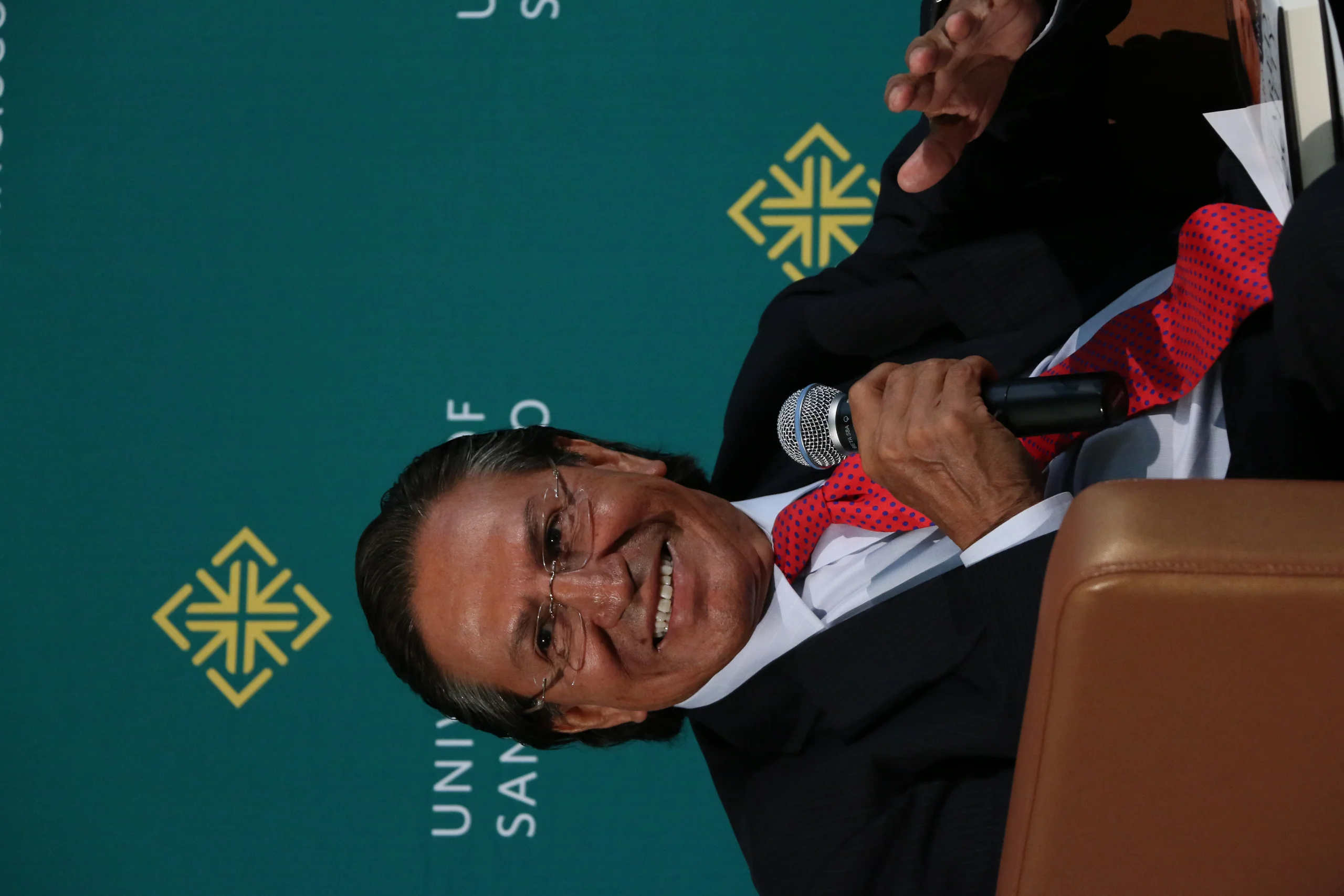
Alejandro Toledo
 Peru
PeruAlso known as: El Cholo, Alejandro Celestino Toledo Manrique
Birthday
March 28, 1946
Birth Sign
Sagittarius
Birthplace
Cabana, Peru
Age
80 years old
Height
5 ft 9 in (175 cm)
About
Alejandro Toledo is a Peruvian economist and former politician who served as the 43rd President of Peru from July 28, 2001, to July 28, 2006. Born Alejandro Celestino Toledo Manrique in the impoverished Andean village of Cabana, he made history as the first person of indigenous Quechua descent to be democratically elected president of his country. His rise from a shepherd boy working in the mountains to the presidential palace captured global attention as a symbol of social mobility. He stands as a complex figure whose legacy embodies both the possibilities and pitfalls of political ambition in Latin America.
His presidency focused on economic growth and foreign investment, averaging 6% annual GDP expansion while signing major free trade agreements with the United States and China. He launched infrastructure projects like "Roads to the Sea" to connect isolated highland regions with coastal ports. Despite these achievements, his term ended amid allegations of corruption and nepotism that would later define his legacy. He received the Order of the Sun, Peru's highest distinction, during his tenure.
Toledo returned to academia after leaving office, holding positions at Stanford University and founding the Global Center for Development and Democracy. His later years were dominated by legal battles related to the Odebrecht scandal. Arrested in New York in 2019 and extradited to Peru in 2023, he was sentenced to 20 years in prison for bribery in 2024, followed by an additional sentence for money laundering in 2025. As of 2026, he remains incarcerated while seeking a presidential pardon from then-President Keiko Fujimori.
Early Life & Background
Alejandro Toledo's early life was defined by extreme poverty in the remote Andes mountains of the Apurímac region. Born on March 28, 1946, in the small village of Cabana, he grew up in a one-room adobe house without electricity or running water. His parents spoke only Quechua, and young Alejandro worked as a child laborer herding llamas and selling vegetables in local markets to help support his family. These formative years instilled a deep understanding of rural hardship that would later shape his political identity. He is fluent in Spanish, English, and Quechua, which allowed him to communicate directly with the indigenous communities that formed his core support base later in life.
Despite the scarcity of resources, Toledo excelled academically. He attended the National University of San Marcos in Lima, earning a bachelor's degree in economics in 1969. Recognizing his potential, he moved to the United States to pursue higher education. He received a master's degree in agricultural economics from Purdue University in 1975 and completed his Ph.D. in agricultural economics at the University of California, Berkeley, in 1981. Before entering politics, Toledo built a respected career in academia. He taught at several prestigious American universities including Stanford University, the University of California, Santa Cruz, and the University of California, Davis. He also served as an advisor to international financial institutions like the World Bank and the Inter-American Development Bank. This period established him as a leading voice on rural development and poverty alleviation strategies before he turned his attention to Peruvian politics in the late 1990s.
Career Growth
Toledo's transition to politics began in the late 1990s when he emerged as a leading figure in the opposition against the authoritarian regime of President Alberto Fujimori. In 2000, following the collapse of the Fujimori government amid corruption scandals, Toledo founded the political party "Peru 2000." He ran for president in the 2000 election but finished second in the first round. After Fujimori resigned and fled the country, new elections were held in 2001. Toledo won the presidency with 36% of the vote in the runoff against Ollanta Humala.
His administration from 2001 to 2006 was marked by significant economic growth, averaging 6% annually. The government attracted foreign investment, particularly in mining, and signed free trade agreements with the United States and China. Toledo launched major infrastructure projects, including the "Roads to the Sea" initiative to connect isolated highland regions with coastal ports. However, his administration was plagued by allegations of corruption, nepotism, and the handling of the "Venezuela Gate" scandal involving illicit campaign financing. He attempted to return to the presidency in the 2011 and 2016 elections but failed to secure enough votes.
After leaving office, Toledo founded the Global Center for Development and Democracy in 2006. The latter part of his public life has been dominated by legal battles related to the Odebrecht corruption scandal. In 2019, he was arrested in New York City and faced extradition requests from Peru. After a lengthy legal battle, a U.S. court approved his extradition in September 2021. He was extradited to Peru in April 2023.
In October 2024, a Peruvian court sentenced Toledo to 20 years in prison for accepting $35 million in bribes from the Brazilian construction giant Odebrecht in exchange for awarding a highway contract. This conviction was followed by a second sentence in September 2025, where he was sentenced to an additional 13 years and four months for money laundering related to the same funds. By August 2026, at age 81, Toledo had requested a presidential pardon from then-President Keiko Fujimori, expressing a desire not to die in prison.
Career Timeline
Public Image & Style
Toledo's public image has undergone a dramatic transformation over the decades. Initially celebrated as a champion of the marginalized and a symbol of hope for indigenous populations, he is now viewed with skepticism and criticism due to the corruption scandals. Media portrayals often highlight the stark contrast between his humble origins as a shepherd boy and his alleged greed during his time in office.
Early in his presidency, he was frequently photographed wearing traditional Andean clothing, reinforcing his connection to his roots. This aesthetic choice helped him build a strong rapport with rural voters. He appeared on the covers of Time Magazine in 2001 and Newsweek during the election cycle. However, as legal troubles mounted, the narrative shifted to focus on the perceived betrayal of the trust placed in him by the Peruvian people. Today, he is remembered as a complex figure whose story embodies both the possibilities and pitfalls of political ambition in Latin America.
Fame & Fandom (iFAMOUS Rankings)
Alejandro Toledo stands as the 15th most famous person from Peru, a standing confirmed in the September 2026 cycle where he holds steady at that position. This placement within the iFANN Global Fame Rankings reflects his enduring presence in global consciousness despite his controversial later years. His trajectory from an economist in academic circles to the presidency and subsequent legal battles has created a unique footprint that spans decades of political history.
Unlike entertainers who cultivate organized followings, Toledo does not have a formal fandom name or a fanbase characterized by chart pushes, birthday billboards, or charity drives funded by supporters. His relationship with the public is defined strictly by his tenure as the first democratically elected indigenous president of Quechua descent and his subsequent fall into corruption scandals. There are no records of fan rituals, inside jokes, or organized groups dedicated to his personal life in the manner seen for pop culture icons. While he remains a figure of historical significance, the audience surrounding him is comprised of those following political developments rather than a devoted cult of personality. His verified X account @AlejandroToledo saw activity decline since incarceration, focusing now on legal updates.
Interesting Facts and Legends
Alejandro Toledo is widely known by the nickname "El Cholo," a term referring to his indigenous heritage. While historically used as a derogatory slur, Toledo reclaimed it as a badge of pride during his campaigns to connect with Peru's marginalized populations. He is approximately 5 feet 9 inches (175 cm) tall. In 2001, he inaugurated his presidency with a ceremony at Machu Picchu, a symbolic gesture connecting the ancient Inca past with the modern democratic future. This event highlighted his unique position as the first indigenous president of Peru and drew international media attention.
The story of Toledo going from a poor shepherd boy to the President of Peru is often compared to the "American Dream" but within the context of Latin American indigenous struggles. His academic background as a respected economist specializing in rural development gave him a unique policy perspective before entering politics. He received honorary doctorates from institutions like the University of Notre Dame and the University of Pennsylvania. However, the revelation that he accepted millions in bribes transformed his legacy from a hero to a cautionary tale about power and integrity.
Notable Quotes
“I come from the Andes, the mountains, high altitude of 12,000 feet above sea level, born in extreme, extreme poverty.”
“We must fight for a Peru that is more just and more inclusive.”
Family & Personal Life
Alejandro Toledo was married to Eliane Karp, an anthropologist of Jewish-Brazilian descent, from 1991 until their divorce in 2012. The couple met while both were students in the United States. They have two children together: Juan Pablo Toledo Karp and Verónica Toledo Karp. During his presidency, Toledo's wife played a visible role in cultural initiatives, often promoting Peruvian arts and traditions. Their relationship ended after years of public scrutiny and personal strain.
As of 2026, Toledo is single and currently serving a prison sentence in Peru. He lives in isolation while awaiting the outcome of his legal appeals and pardon request. There are no widely documented public romantic relationships prior to his marriage to Karp or subsequent to their divorce that have been confirmed by multiple credible sources. He resides in a facility in Peru while his legal team manages his case.
Notable Connections
Eliane Karp, Alberto Fujimori, Ollanta Humala, Keiko Fujimori
Relationships & Dating History
Alejandro Toledo was married once, wed Eliane Karp, an anthropologist of Jewish-Brazilian descent, in 1991. The couple met while both were students in the United States. Their marriage lasted until their divorce in 2012. They have two children together: Juan Pablo Toledo Karp and Verónica Toledo Karp. During their marriage, Eliane served as First Lady of Peru and was known for her work in promoting indigenous culture and arts.
There are no widely documented public romantic relationships prior to his marriage to Karp or subsequent to their divorce that have been confirmed by multiple credible sources. The divorce occurred amidst growing political pressure and personal strain. As of 2026, Toledo is single and currently serving a prison sentence in Peru. He has not remarried since his separation from Karp.
- MarriedEliane Karp1991 - 2012Met as students in the US; divorced after 21 years; two children together.
Salary, Net Worth In 2026
$18 Million
iFANN Editorial Team estimate
iFANN currently estimates Alejandro Toledo's net worth at approximately $18 million, though this figure represents assets seized or frozen rather than liquid wealth available to him. Estimates vary significantly due to the ongoing legal proceedings and the seizure of assets related to the Odebrecht case. Prior to the legal fallout, sources suggested a net worth around $15 million derived from his academic salaries, book royalties, and real estate holdings.
Financial Times analysis suggests a current net worth near zero or negative due to asset seizures and legal fines. Peruvian media reports indicate that his assets, including real estate in Lima and the United States, have been frozen or confiscated as part of the bribery investigation. The exact estate value is currently under judicial review. Most of his wealth tied up in seized assets or lost to legal penalties means he has little access to funds while incarcerated.
As of 2026, Toledo's primary financial activity involves managing his legal defense costs and petitioning for a presidential pardon. No other professional projects are active, and his income streams have been effectively halted by his imprisonment and the freezing of his accounts. The financial trajectory of his estate remains uncertain pending the resolution of the ongoing corruption trial.
Awards Won (3)
Toledo received the Order of the Sun, Peru's highest distinction, during his presidency. He earned honorary doctorates from institutions including the University of Notre Dame and the University of Pennsylvania. International bodies like the World Economic Forum and the United Nations cited his work on poverty reduction and indigenous rights.
2001 · National Honor
Presidency of Peru
2003 · Academic Honor
University of Pennsylvania
2002 · Academic Honor
University of Notre Dame
Known For
President of Peru
2001 · 43rd President
Odebrecht Scandal
2024 · Defendant
Keywords
Sources
Quick Facts
- Profession
- economist, politician, lecturer
- Born
- March 28, 1946
- Birthplace
- Cabana, Peru
- Gender
- Male
- Spouse
- Eliane Karp (divorced)
- Birth Sign
- Sagittarius
Personal Details
- Full Name
- Alejandro Celestino Toledo Manrique
- Height
- 5 ft 9 in (175 cm)
- Spouse
- Eliane Karp
- Children
- Juan Pablo Toledo Karp, Verónica Toledo Karp
- Education
- National University of San Marcos (BA), Purdue University (MA), University of California, Berkeley (PhD)
Frequently Asked Questions
What happened to Alejandro Toledo?
Is Alejandro Toledo still alive?
How much money did Alejandro Toledo take in bribes?
Who is Alejandro Toledo's wife?
Why was Alejandro Toledo extradited?
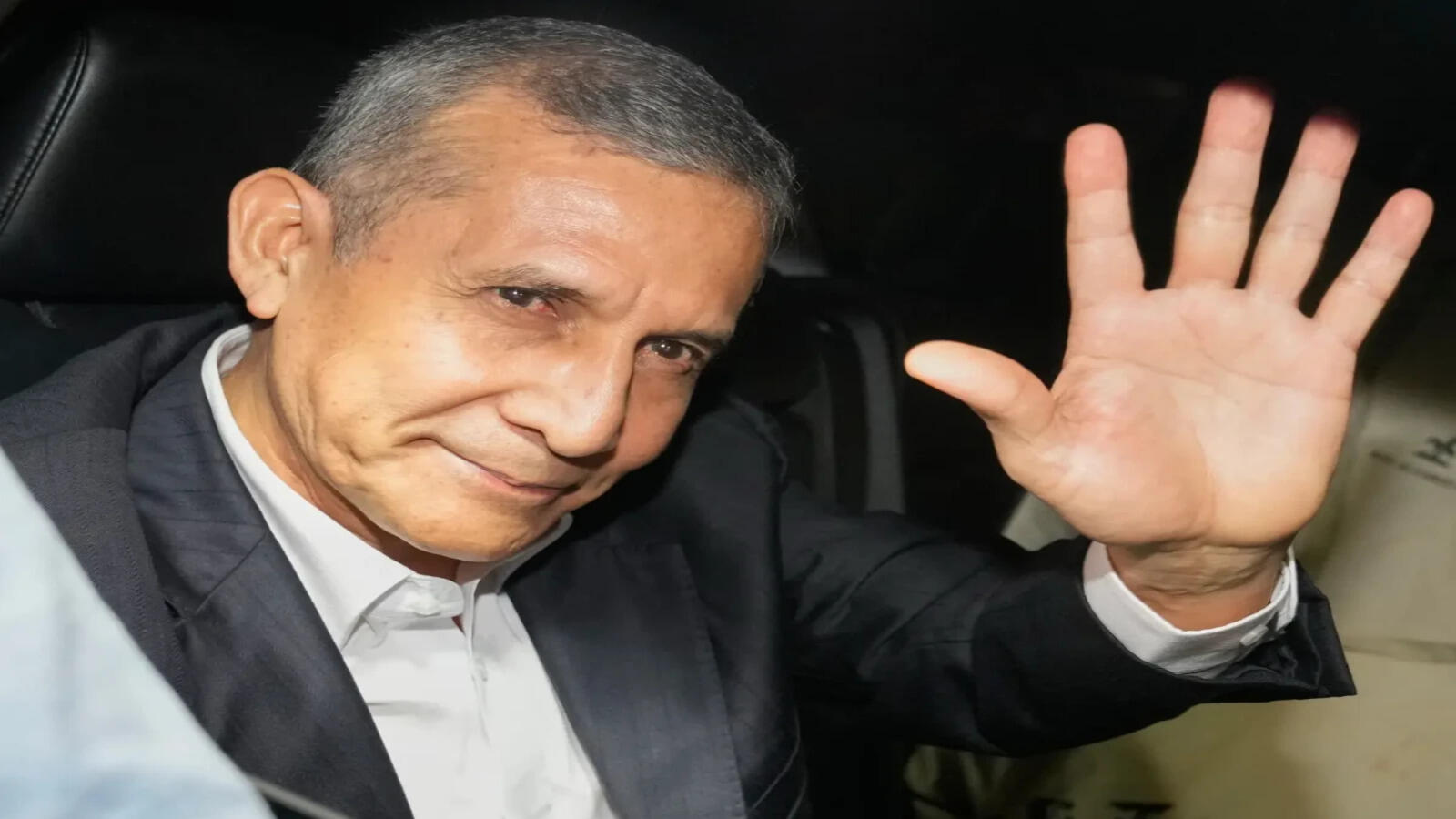
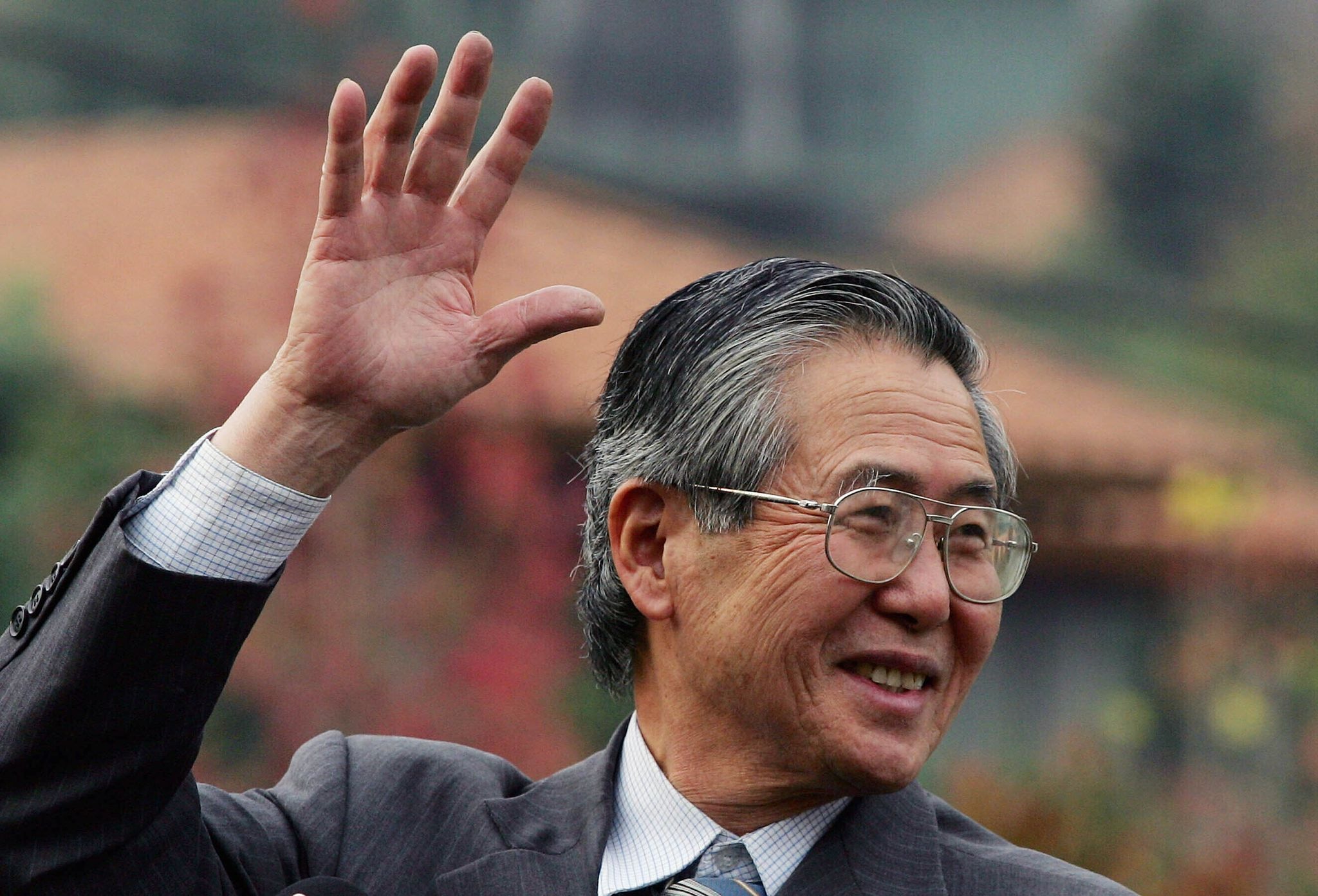

Join the community
fans discussing