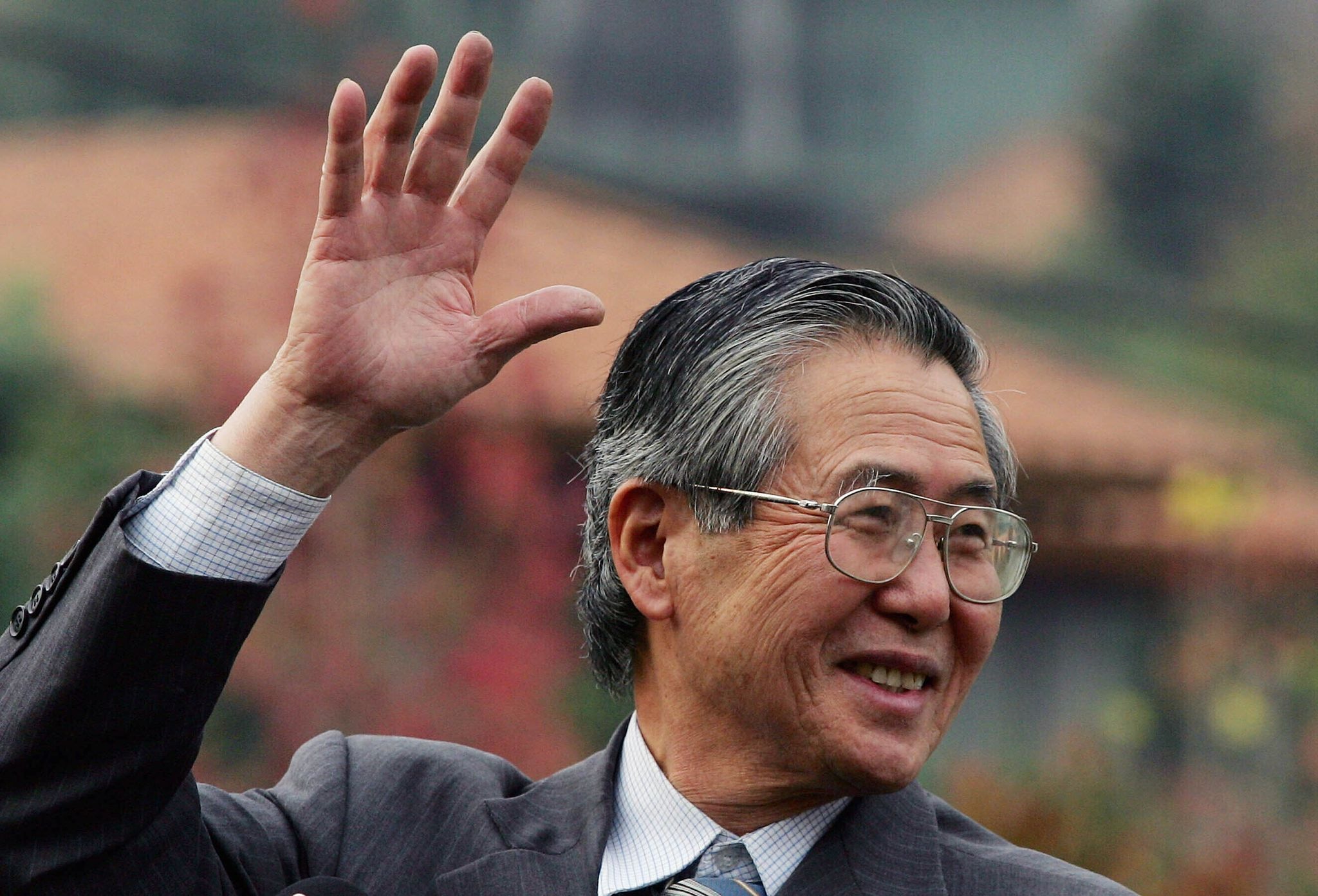
Alberto Fujimori
 Peru
Perupolitician•agricultural engineer•university teacher
Birthday
July 26, 1938
Birth Sign
Leo
Birthplace
Miraflores, Lima, Peru
Age
Died at 86
About
Alberto Fujimori was a Peruvian politician, agricultural engineer, and university teacher who served as president of Peru from 1990 to 2000. He was the country's first head of state of Japanese descent. His presidency, known as Fujimorism, combined neoliberal economic reforms with social conservatism and authoritarian rule. Fujimori's government cracked down on the Shining Path guerrilla group, successfully halting their insurgency but at a high cost: thousands of civilians were killed in the process. He also collaborated with Vladimiro Montesinos, head of the National Intelligence Service, to consolidate power, eliminate opponents, and engage in widespread corruption and human rights abuses.
Fujimori died on September 11, 2024, at age 86, nine months after his release from prison. His legacy remains deeply polarized: supporters credit him with saving Peru from economic collapse and terrorism, while critics condemn him as a dictator who oversaw forced sterilizations, murder, and corruption. In 2026, his daughter Keiko was elected president of Peru, continuing his political dynasty.
Early Life & Background
Fujimori grew up in the working-class La Victoria district of Lima, the only son among five children of Japanese immigrant parents. His father Naoichi worked as an agricultural field hand before opening a tire repair shop, which the government confiscated after Pearl Harbor. At home, Fujimori spoke Japanese; he learned Spanish later and became fluent. He attended public schools, graduating as valedictorian of his high school class in 1956 from La Gran Unidad Escolar Alfonso Ugarte.
In 1957, he entered the Universidad Nacional Agraria La Molina, graduating first in his class in 1961 with a degree in agricultural engineering. He briefly lectured in mathematics there before studying physics at the University of Strasbourg in France on a scholarship. In 1969, he earned a master's degree in mathematics from the University of Wisconsin–Milwaukee through a Ford Foundation grant. Described as quiet and solitary, he was popular only on math exam days. He became rector of the National Agrarian University from 1984 to 1989 and served as president of the Association of University Rectors. In 1988-89, he hosted a political talk show on state television called Concertando, examining environmental and agrarian issues. Before 1990, his only political experience was participation in two government commissions.
Career Growth
In 1990, running as head of the newly formed Cambio 90 party, Fujimori soared from 6% in polls to finish second out of nine candidates, then defeated writer Mario Vargas Llosa in the runoff. He inherited a nation in crisis: Shining Path guerrillas controlled over half the territory, inflation was 7,650%, and GDP had declined 22%. He implemented harsh austerity measures known as "Fujishock," pushing through economic reforms that re-entered Peru into the world economy.
On April 5, 1992, Fujimori orchestrated a self-coup, dissolving Congress and the Supreme Court with military backing, effectively becoming a dictator. This move was part of the military's Plan Verde, which also targeted indigenous communities through forced sterilizations. The coup drew international criticism but was popular among Peru's business sector and much of the public. He drafted a new constitution in 1993, approved via referendum, and won re-election in 1995 and a controversial third term in 2000.
Mounting allegations of corruption and crimes against humanity forced him to flee to Japan, where he resigned by fax. Peru's congress rejected the resignation and removed him. Japan refused extradition, citing his Japanese citizenship. In 2005, while visiting Chile, he was arrested and extradited to Peru, where in 2007 he was sentenced to 25 years in prison for human rights violations. President Pedro Pablo Kuczynski pardoned him in 2017, but the Supreme Court overturned the pardon in 2018. After further legal battles, the Constitutional Court ordered his release in December 2023. In July 2024, he announced he would run for president again in the 2026 election, but died two months later.
Career Timeline
Public Image & Style
Fujimori's public image is deeply polarized. To supporters, he was the savior who ended hyperinflation and defeated the Shining Path insurgency, the "Fujimori miracle." To critics, he was an authoritarian dictator who oversaw human rights abuses, forced sterilizations of indigenous women, and widespread corruption. His style was that of a technocratic outsider, and his political movement, Fujimorism, combined neoliberal economics with social conservatism and authoritarian rule. No official fandom name is documented. Media perception shifted over time: initially celebrated internationally for economic stabilization and counterterrorism, he later became a symbol of state-sponsored violence and corruption. His 2023 release and subsequent death reignited debates about justice and impunity in Peru.
Fame & Fandom
Alberto Fujimori never cultivated a fandom in the traditional sense of organized fan clubs, birthday billboards, or streaming campaigns. His support base consisted of political constituents known as fujimoristas, mobilized by populist rhetoric rather than celebrity worship. Supporters revered him as the savior who ended hyperinflation and crushed the Shining Path insurgency, while opponents condemned him as an authoritarian dictator responsible for corruption and human rights abuses. This deep polarization defined his public life and legacy, with no formal name for his following beyond the movement itself. The mythology surrounding him rests on historical events: the 1992 self-coup where he dissolved Congress, the capture of Abimael Guzmán, and his eventual conviction for crimes against humanity before his death in 2024.
In the landscape of global notability, his stature remains significant despite his passing. According to the iFANN Global Fame Rankings, Alberto Fujimori is ranked as the 2nd most famous person from Peru, a position he held steady through the August 2026 cycle. This ranking reflects his enduring impact on Peruvian history and the ongoing resonance of his controversial presidency across media coverage and consumption signals worldwide. While his daughter Keiko assumed the presidency in 2026, continuing the family's political brand, Alberto himself remains a distinct figure of historical magnitude. The rankings track attention across diverse platforms, cementing his status as a pivotal figure in modern Latin American politics.
Interesting Facts and Legends
His middle name Kenya remains unusual for a person of Japanese descent. He spoke Japanese as his primary language at home and learned Spanish later in life. Although his parents were Buddhist, he was baptized and raised Catholic. Before entering politics, he hosted a television talk show and worked as an agricultural engineer and mathematics professor. He was the only son of Japanese immigrants elected president of his adopted nation. In a surreal moment of political history, he resigned the presidency by fax from Japan while visiting Tokyo. To avoid extradition, he claimed Japanese citizenship during his time abroad. His father's tire repair shop had been confiscated following the attack on Pearl Harbor. He died on September 11, 2024, at age 86. His daughter Keiko was elected president of Peru in 2026, shortly after his passing. A defining legend of his career involves the 1992 self-coup, where he dissolved Congress to rule by decree, an act supporters viewed as necessary salvation and critics condemned as dictatorship. Another iconic moment was the capture of Shining Path leader Abimael Guzmán in 1992, which became the centerpiece of his claim to have saved Peru from terrorism.
Notable Quotes
“Fujishock was necessary to save Peru from economic collapse.”
“I am not a dictator. I am a democrat who took strong measures.”
“The Shining Path is a cancer that must be eradicated.”
“My government brought peace and prosperity to Peru.”
“I have no regrets. I did what was best for my country.”
Family & Personal Life
Fujimori was born to Naoichi Fujimori and Mutsue Inomoto, who immigrated from Kumamoto Prefecture, Japan, in 1934. He was the only son among five children, with two brothers and two sisters. His parents were Buddhists, but he was baptized and raised Roman Catholic. He married Susana Higuchi in 1974; they had four children: Keiko (born 1975), Kenji (born 1980), and two others. Both Keiko and Kenji became politicians. Keiko served as First Lady from 1994 to 2000 and ran for president multiple times; in 2026, she was elected president of Peru. After divorcing Higuchi, Fujimori married Satomi Kataoka, a Japanese national. At the time of his death, he was married to Kataoka.
Notable Connections
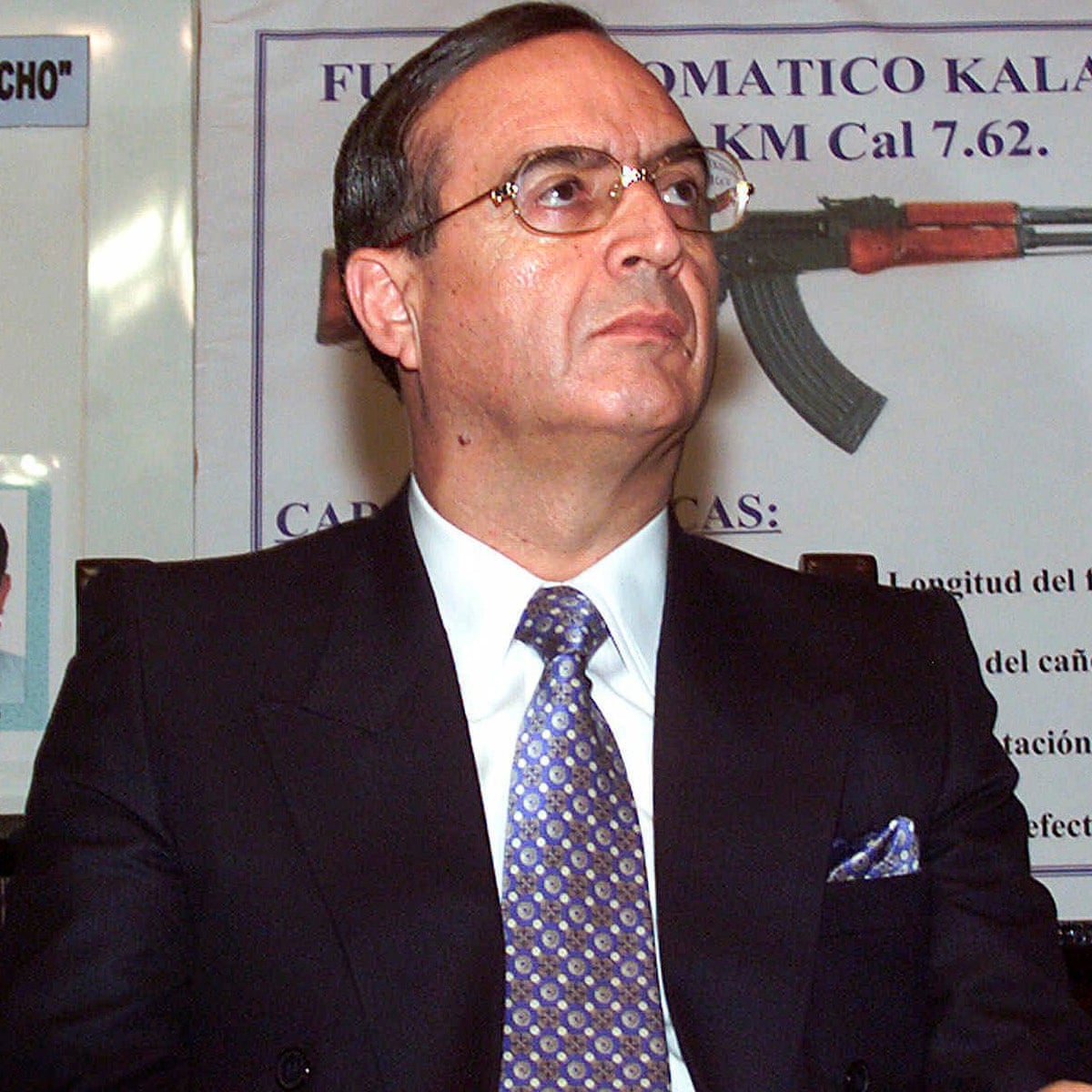
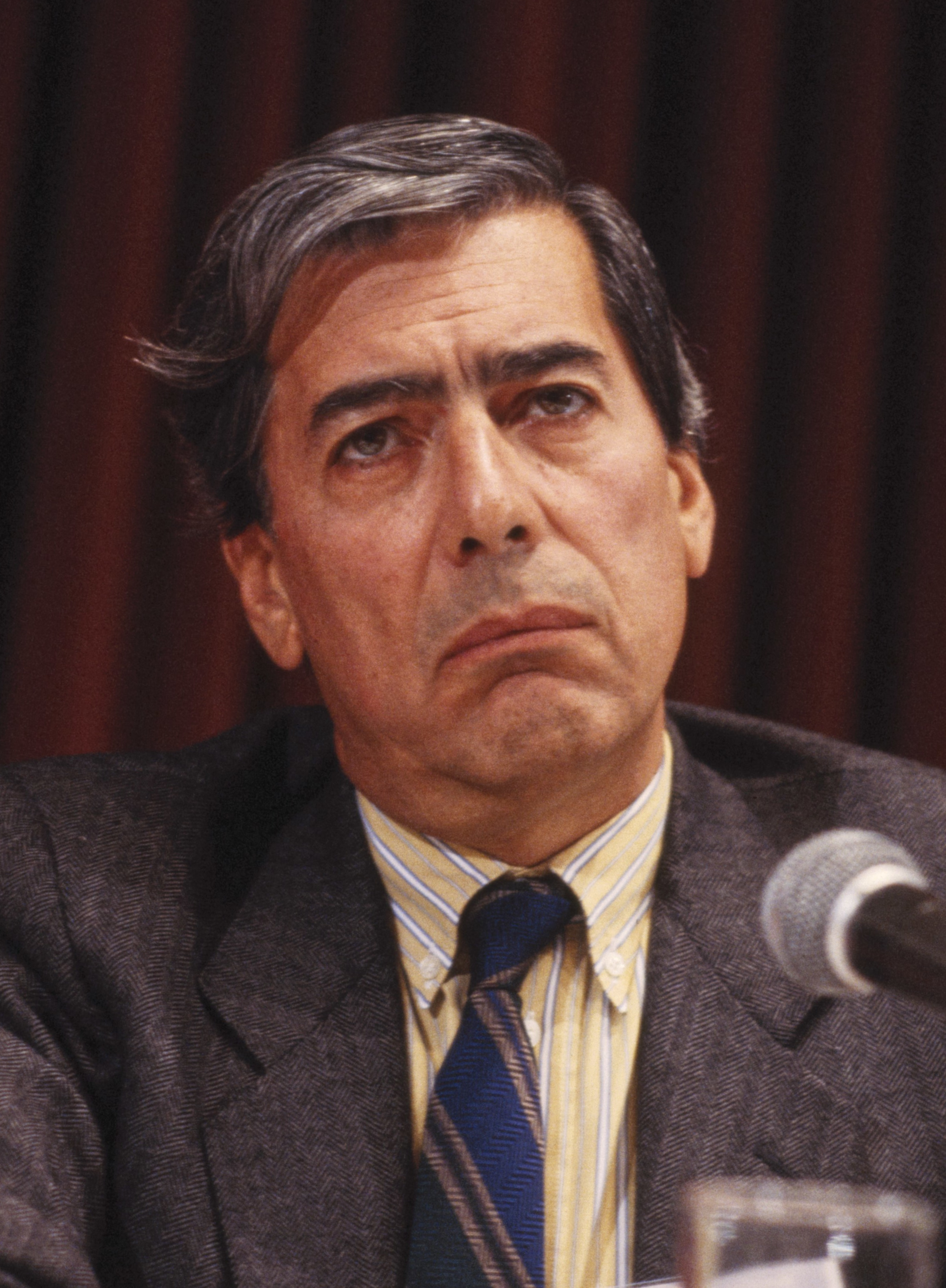
Fujimori's closest ally was Vladimiro Montesinos, head of the National Intelligence Service, who orchestrated corruption and human rights abuses. His 1990 opponent Mario Vargas Llosa became a vocal critic. His daughter Keiko Fujimori continued his political legacy, serving as First Lady and later president of Peru. His son Kenji also entered politics. President Pedro Pablo Kuczynski granted him a medical pardon in 2017.
Relationships & Dating History
Fujimori married Susana Higuchi, an engineer and politician, in 1974. They had four children: Keiko, Kenji, and two others. Higuchi publicly accused Fujimori of corruption and abuse, and after their separation, she ran for Congress against his allies. She served as First Lady until their estrangement. After divorcing Higuchi, Fujimori married Satomi Kataoka, a Japanese national. The relationship continued until his death in 2024. At the time of his death, he was married to Kataoka.
- MarriedSusana Higuchi1974 - 1995Engineer and politician; had four children; she accused him of corruption and abuse.
- MarriedSatomi Kataoka1996 - 2024Japanese national; married after divorce from Higuchi; remained married until his death.
Death & Aftermath
Died
September 11, 2024 (aged 86)
Death Place
Lima, Peru
Cause of Death
Complications from cancer
The political landscape of Peru shifted as his daughter Keiko Fujimori, who had previously run for the presidency multiple times, eventually assumed the role of president in an election cycle projected for 2026. This succession occurred following a long period of legal turbulence that concluded with Alberto Fujimori's release from prison on humanitarian grounds in late 2023 after serving approximately sixteen years of a twenty-five-year sentence for human rights violations. The former head of state passed away in Lima on September 11, 2024, at the age of eighty-six, having battled cancer during his final months outside of incarceration. Official records and family statements confirmed the cause of death as complications arising from cancer. International coverage remained divided, with some outlets highlighting his role in dismantling the Shining Path insurgency while others focused on the authoritarian nature of his rule and corruption scandals involving his intelligence chief. The handling of his estate and any potential posthumous projects remained private matters for his family.
Net Worth (Estate Value)
$10 Million
iFANN Editorial Team estimate
Fujimori passed away on September 11, 2024, at the age of 86. During his lifetime, his wealth was not publicly detailed, as he was a career politician and academic. Per iFANN's editorial analysis, his estate is estimated at $10 Million as of 2026, derived from his presidential salary, book royalties, and assets held by his family. His daughter Keiko's political career may have influenced the family's financial standing. No posthumous earnings from licensing or merchandise are documented. The estate is managed by his family.
Awards Won (2)
Fujimori received limited formal awards. He was honored with honorary doctorates from the University of Gembloux in Belgium and the University of San Martín de Porres in Peru, recognizing his contributions to agriculture and education. His presidency's economic stabilization was termed the "Fujimori miracle" by supporters, though this is not an official award.
1998 · Academic
University of San Martín de Porres
1995 · Academic
University of Gembloux
Known For
President of Peru
1990-2000 · Head of State
Fujishock
1990 · Economic reforms
Self-coup
1992 · Dissolved Congress
Constitution of 1993
1993 · Drafted new constitution
Keywords
Sources
Quick Facts
- Profession
- politician, agricultural engineer, university teacher
- Born
- July 26, 1938
- Birthplace
- Miraflores, Lima, Peru
- Died
- September 11, 2024
- Death Place
- Lima, Peru
- Gender
- Male
- Spouse
- Susana Higuchi, Satomi Kataoka
- Birth Sign
- Leo
Personal Details
- Full Name
- Alberto Kenya Fujimori Inomoto
- Spouse
- Susana Higuchi, Satomi Kataoka
- Children
- 4 (including Keiko Fujimori, Kenji Fujimori)
- Education
- Universidad Nacional Agraria La Molina (B.S. Agricultural Engineering), University of Wisconsin–Milwaukee (M.S. Mathematics)
Frequently Asked Questions
How did Alberto Fujimori die?
Was Alberto Fujimori a dictator?
How many children did Alberto Fujimori have?
Why was Alberto Fujimori in prison?
What is Fujimorism?

Join the community
fans discussing