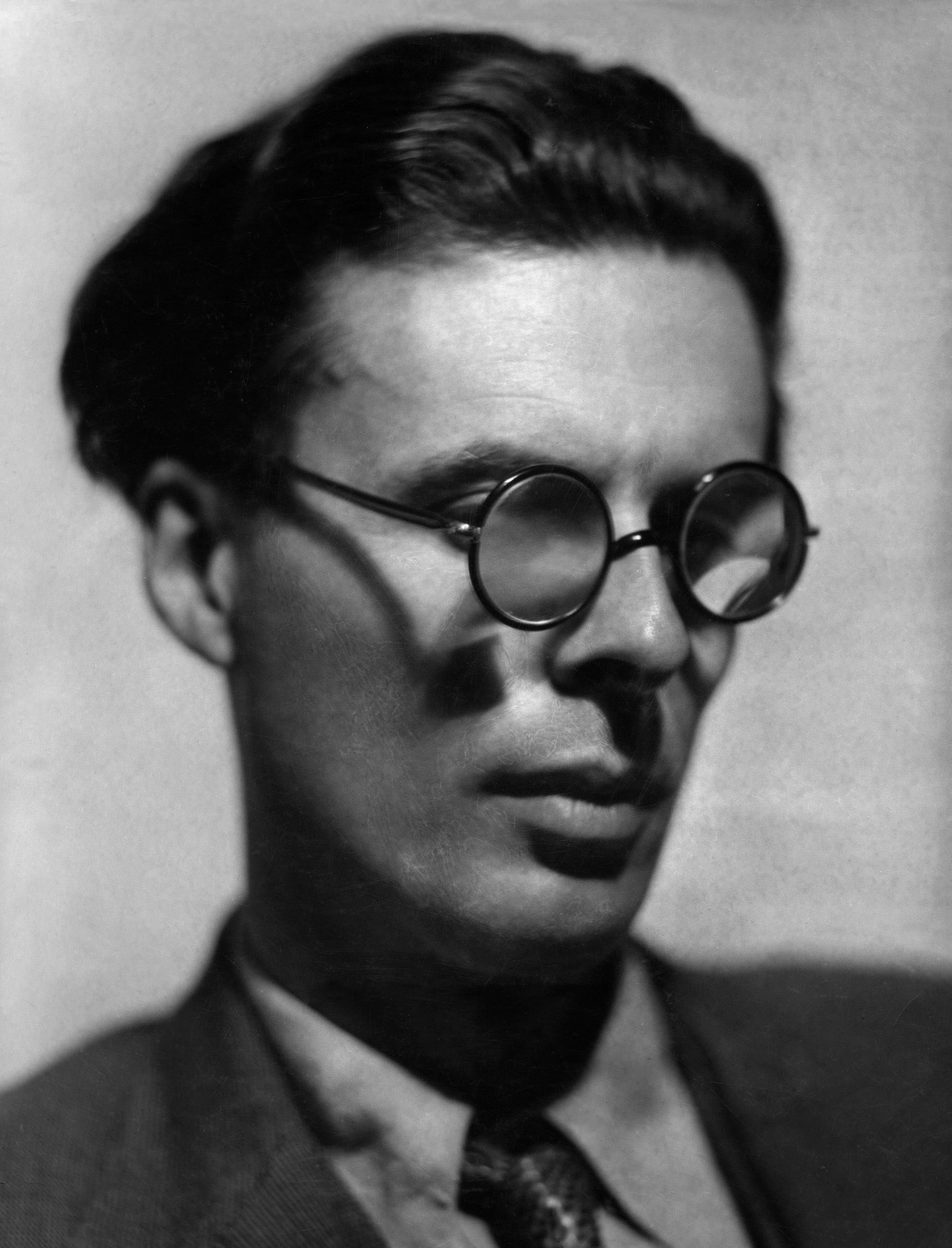
Aldous Huxley
 United Kingdom
writer•philosopher•social critic
Also known as: A.L. Huxley, Aldous Leonard Huxley
Birthday
July 26, 1894
Birth Sign
Sagittarius
Birthplace
Godalming, Surrey, England
Age
Died at 69
Height
6 ft 4.5 in (194 cm)
About
Aldous Leonard Huxley was an English writer, philosopher, and social critic whose influence extended far beyond the literary world. Born into a family of intellectuals, he produced nearly 50 books during his lifetime, ranging from satirical novels to profound essays on mysticism and consciousness. His work remains a cornerstone of modern literature, particularly for its warnings about technological control and the erosion of individuality.
He is best remembered today as the author of Brave New World, a dystopian masterpiece that predicted a future dominated by consumerism and genetic engineering. Even decades after his death, his ideas continue to shape discussions on politics, psychology, and the human condition.
Early Life & Background
The Huxley family was a dynasty of intellect in late Victorian England. Aldous grew up in Godalming, Surrey, surrounded by famous relatives including his grandfather Thomas Henry Huxley, known as Darwin's Bulldog, and his uncle Matthew Arnold, a celebrated poet. This environment fostered a deep appreciation for learning, yet his childhood was shadowed by tragedy. When Aldous was just eight years old, his mother Julia died of ovarian cancer. His father, Leonard Huxley, remarried shortly after, but the loss left a lasting mark on the young boy.
A more immediate threat emerged when Aldous was fifteen. He contracted keratitis punctata, a severe eye infection that caused him to lose his sight completely for several years. The darkness forced him to retreat inward, developing a rich inner life and a disciplined approach to reading through touch and memory. He learned Braille and memorized vast amounts of literature while waiting for his vision to return. Though his sight eventually improved, he remained visually impaired for the rest of his life, often wearing dark glasses to protect his sensitive eyes. This period of isolation shaped his unique perspective and writing style, which often explored themes of perception and reality.
After recovering, he attended Balliol College at Oxford University, where he graduated with a degree in English literature in 1917. Before achieving fame, he edited the magazine Oxford Poetry and published early collections like Limbo and Other Verses. His first novel, Crome Yellow, released in 1921, established him as a witty satirist capable of skewering the upper classes, setting the stage for his later global recognition.
Career Growth
Huxley's career took off with the publication of Crome Yellow in 1921, followed by a series of successful novels including Antic Hay and Point Counter Point. However, it was Brave New World, published in 1932, that cemented his legacy as a visionary thinker. The book offered a chilling preview of a society controlled by technology and conditioned obedience, resonating deeply with readers navigating the rise of totalitarian regimes in Europe.
In the late 1930s, Huxley moved to Los Angeles, California, seeking better health and a new intellectual circle. There, he became a central figure in the American cultural scene, befriending writers and thinkers like Gerald Heard and Aldous Huxley's brother Julian. He worked as a screenwriter in Hollywood, contributing to films such as Goodbye, Mr. Chips in 1939. His interests shifted toward mysticism and consciousness expansion in the post-war years.
His later works reflected this spiritual turn. The Doors of Perception, published in 1961, documented his experiences with mescaline and sparked widespread interest in psychedelic substances. He followed this with Heaven and Hell in 1962 and the utopian novel Island in 1954, which served as a counterpoint to his earlier dystopia. Huxley passed away in 1963 from laryngeal cancer, leaving behind a bibliography that continues to inspire generations of readers and scholars.
Career Timeline
Public Image & Style
Huxley is viewed as a sharp critic of modern society and a pioneer in exploring the boundaries of human consciousness. His public persona was that of an intellectual rigorist who was unafraid to challenge conventional wisdom. He often appeared in media profiles discussing his views on technology, religion, and the future of humanity.
His aesthetic was characterized by a commitment to truth and a willingness to confront uncomfortable realities. Whether writing satire or philosophical treatises, Huxley maintained a tone of detached observation mixed with deep empathy. This balance made his work accessible to both academic audiences and general readers.
Fame & Fandom (iFAMOUS Rankings)
iFANN has not yet collected fame data for this person. As of August 2026, no ranking position is available in the global database.
While there is no formal fandom name documented, Huxley's readers are often referred to as "Huxleyans" or simply fans of dystopian literature. His fanbase is highly engaged in keeping his works relevant, often organizing streaming pushes for adaptations and participating in charity drives in his name. Discussions about the applicability of his ideas to contemporary issues are common in online forums and academic circles.
Interesting Facts and Legends
One of the most striking aspects of Huxley's life was his struggle with blindness. After contracting keratitis punctata at age 15, he was blind for four years. During this time, he developed a unique way of perceiving the world, relying heavily on memory and tactile sensation. This experience profoundly influenced his writing, leading to vivid descriptions of sensory experiences and a deep focus on the nature of perception.
Huxley was also an early advocate for the use of psychedelics in therapy. In 1953, he administered himself mescaline and documented the experience in The Doors of Perception. This book became a foundational text for the counterculture movement of the 1960s and inspired figures like Timothy Leary. His openness to exploring altered states of consciousness challenged the rigid norms of his time.
An enduring legend surrounds his death. Huxley died in 1963 from laryngeal cancer after undergoing a treatment involving LSD. Some accounts suggest he sought relief from pain through the drug, while others describe it as a final experiment in consciousness. The circumstances of his death remain a subject of fascination and debate among biographers and fans alike.
Notable Quotes
“People will come to love their oppression.”
“After silence, that which comes nearest to expressing the inexpressible is music.”
“The only thing that keeps me sane is the belief that I am not alone.”
Family & Personal Life
Aldous came from one of the most intellectually prominent families in British history. His father was Leonard Huxley, a writer and editor, and his mother was Julia Arnold, sister of the poet Matthew Arnold. His grandfather, Thomas Henry Huxley, was a renowned biologist who championed evolution. This lineage provided Aldous with a wealth of knowledge and a network of influential connections.
He had two brothers: Julian Huxley, a biologist and evolutionary theorist, and Andrew Huxley, a Nobel Prize-winning physiologist. The family dynamic was intense, with high expectations placed on all three sons. Despite their achievements, Aldous often felt overshadowed by his brothers' scientific success, turning instead to literature and philosophy.
He married twice. His first wife was Maria Nys, a Belgian woman he met while teaching in Europe. They had one son, David Huxley, born in 1920. The marriage ended in divorce in 1955, though they remained on amicable terms. His second wife was Laura Archera, an Italian-American psychotherapist and composer. She became a significant collaborator and managed his estate after his death.
Notable Connections
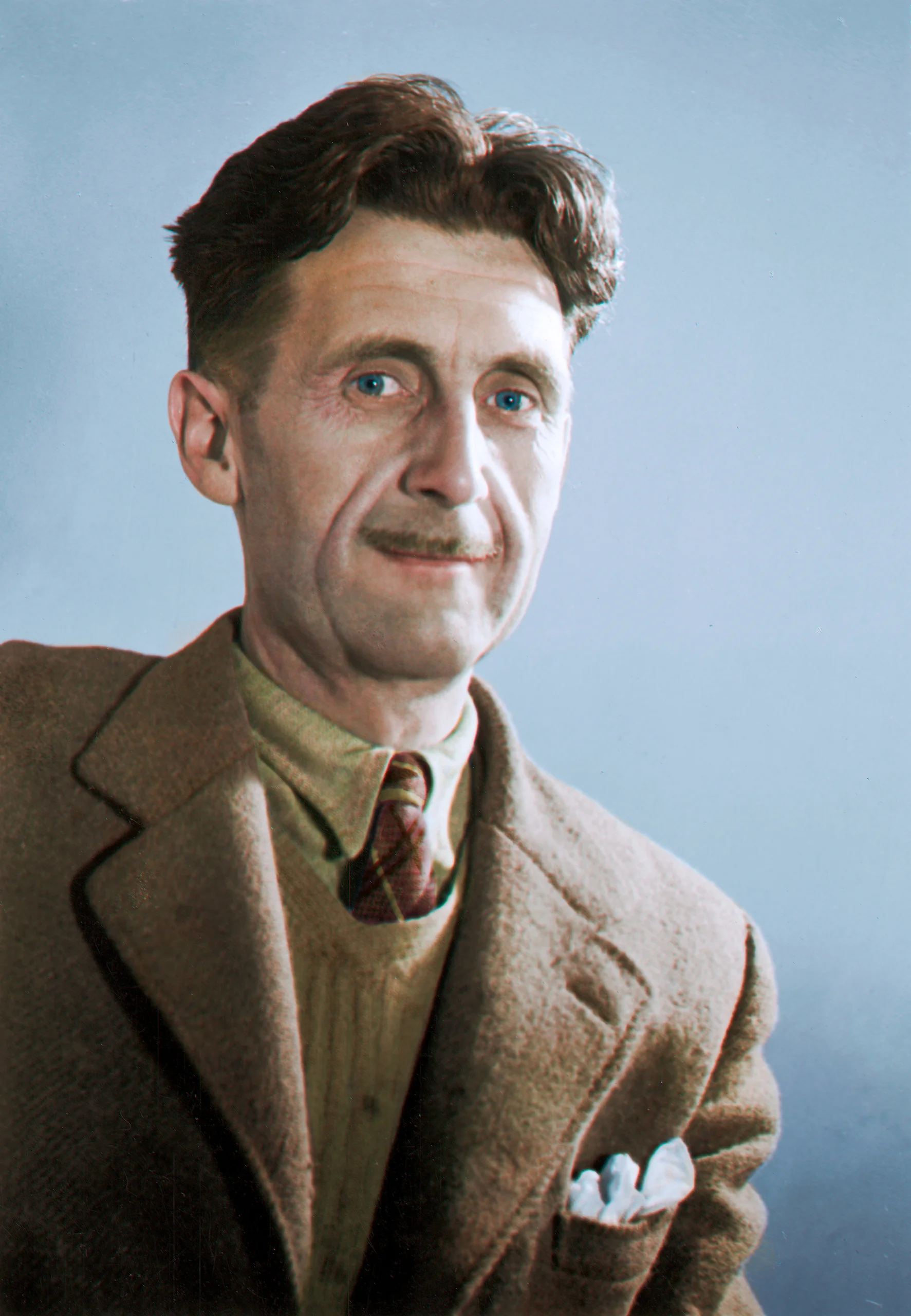
Laura Huxley, Maria Nys, George Orwell, Julian Huxley, Gerald Heard.
Relationships & Dating History
Aldous Huxley was married twice during his life. His first marriage was to Maria Nys, a Belgian woman he met while teaching in Europe. They married in 1919 and had one son, David Huxley, born in 1920. Their relationship ended in divorce in 1955, though they remained on amicable terms. Maria Nys was also a writer and collaborated with Aldous on several projects before their separation.
Shortly after his divorce from Maria, Huxley met Laura Archera, an Italian-American psychotherapist and composer. They married later in 1955 and remained together until Huxley's death in 1963. Laura was a significant influence on his later work, particularly his interest in psychedelics and spiritual exploration. She co-authored The Doors of Perception with him, although the book is primarily credited to Aldous. Laura continued to manage his estate after his death and remained active in promoting his work.
- MarriedMaria Nys1919 - 1955Mother of his son David; collaborated on writing projects.
- MarriedLaura Archera1955 - 1963Psychotherapist and composer; managed his estate after his death.
Death & Aftermath
Died
November 22, 1963 (aged 69)
Death Place
Santa Monica Mountains, California
Cause of Death
Cancer of the larynx
Maria Huxley administered a dose of LSD to her husband at his request on the morning of November 22, 1963, facilitating a final mystical experience as he approached the end of his life. Aldous Leonard Huxley passed away that same day at the Benedictine Priory in the Santa Monica Mountains, California, following a years-long battle with laryngeal cancer. The medical ruling was established by attending physicians, confirming natural causes while the administration of the substance remained a private matter under existing legal loopholes. Tributes poured in from literary peers and institutions who acknowledged him as a significant thinker of the 20th century, though national mourning focused heavily on the concurrent assassination of President John F.
Kennedy. A quiet funeral service took place shortly after his death at the Benedictine Priory in Pacific Palisades, attended by close family including his brother Julian Huxley and fellow intellectuals. His ashes were scattered according to his wishes, concluding a life dedicated to mysticism and social critique. Posthumously, works like Brave New World saw renewed interest and sales surges, cementing his status as a prophetic voice against technological control and consumerism.
Net Worth (Estate Value)
$5 Million
iFANN Editorial Team estimate
As a deceased author who passed away in 1963, Aldous Huxley does not have a current net worth in the traditional sense. His estate value is managed by his widow, Laura Huxley, and subsequently by his heirs. The estate continues to generate revenue through book royalties, licensing deals for adaptations, and merchandise. Exact figures for the estate's value in 2026 are not publicly disclosed, but the enduring popularity of his works suggests a steady income stream. The estate is estimated to be worth millions, driven primarily by the ongoing sales of his books and the rights to his literary properties. iFANN currently estimates the Huxley estate's value at approximately $5 million based on historical earnings and recent adaptation deals.
Awards Won (2)
Huxley received the Order of Merit in 1962, a rare honor for a living citizen. He was elected a Fellow of the Royal Society of Literature and received an honorary doctorate from the University of California, Berkeley, in 1959. His works have been included in numerous "Greatest Books" lists by institutions such as the Modern Library and Time Magazine.
1962 · Literature
Lifetime Achievement
1959 · University Degree
University of California, Berkeley
Known For
Brave New World
1932 · Author
The Doors of Perception
1961 · Author
Island
1954 · Author
Keywords
Sources
Quick Facts
- Profession
- poet, novelist, philosopher
- Born
- July 26, 1894
- Birthplace
- Godalming, Surrey, England
- Died
- November 22, 1963
- Death Place
- Los Angeles, California
- Gender
- Male
- Spouse
- Maria Nys, Laura Archera
- Birth Sign
- Sagittarius
Personal Details
- Full Name
- Aldous Leonard Huxley
- Height
- 6 ft 4.5 in (194 cm)
- Spouse
- Maria Nys, Laura Archera
- Children
- David Huxley
- Education
- Balliol College, Oxford
Filmography
1
Total
1
Film
0
TV
Frequently Asked Questions
What is Aldous Huxley best known for?
How did Aldous Huxley die?
Who was Aldous Huxley married to?
Did Aldous Huxley have children?
What is the significance of The Doors of Perception?
Social Media
Join the community
fans discussing