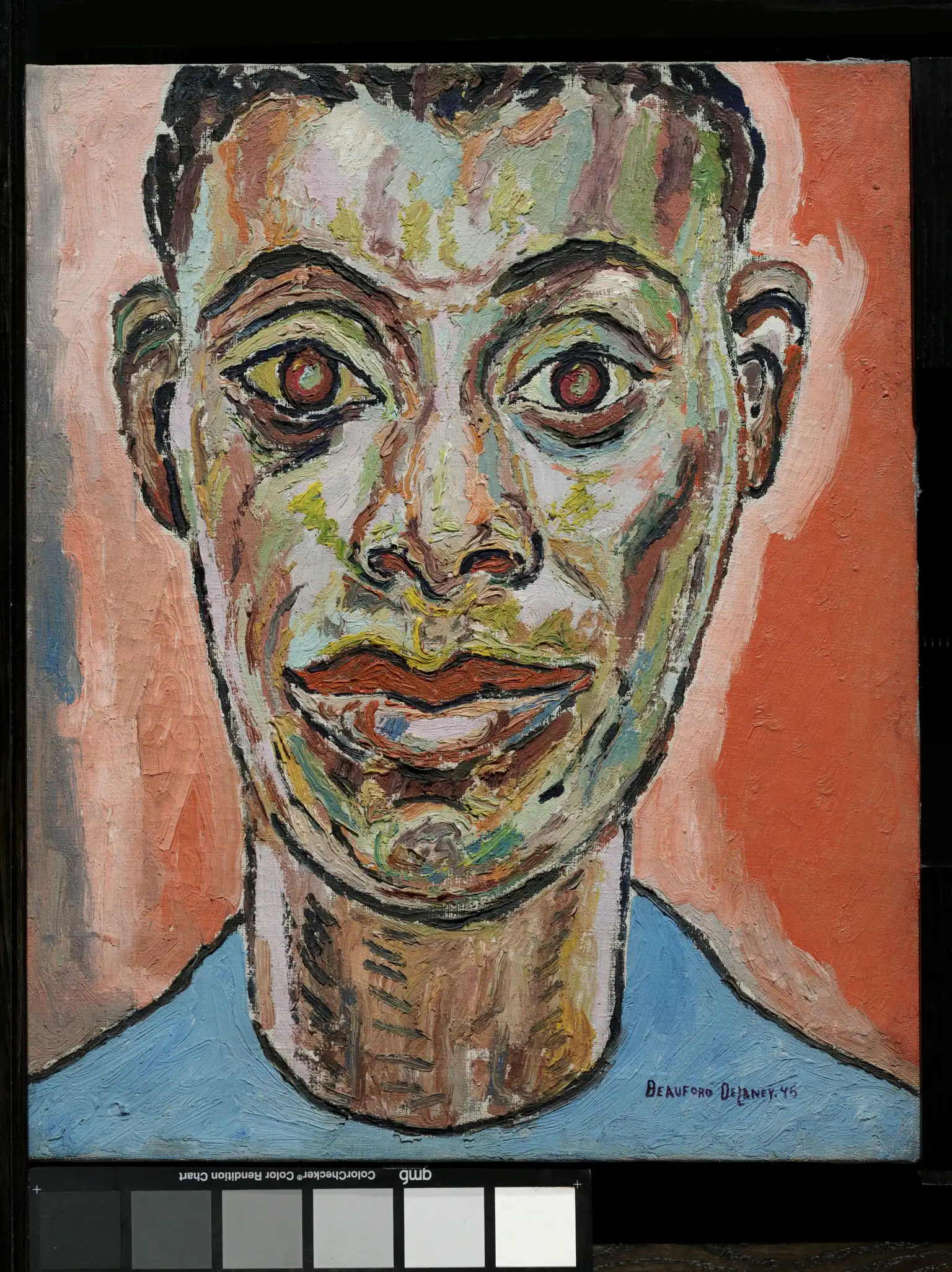
James Baldwin
 United States
Writer•Essayist•Civil Rights Activist
Also known as: James Arthur Jones
Birthday
August 2, 1924
Birth Sign
Leo
Birthplace
Harlem, New York City, USA
Age
Died at 63
About
James Arthur Baldwin was an American writer and civil rights activist whose work dissected the intersections of race, sexuality, and class in 20th-century America. Born in Harlem on August 2, 1924, he died on December 1, 1987, in Saint-Paul-de-Vence, France. His essays and novels challenged readers to confront the harsh realities of racism and homophobia with unflinching honesty.
Baldwin is widely regarded as one of the most vital voices of his generation. His literary legacy continues to shape global conversations on equality and identity. He used his pen to expose the contradictions of a nation struggling to define itself, creating characters who navigated complex worlds of internal conflict and external oppression.
Early Life & Background
Born James Arthur Jones into poverty in Harlem, Baldwin was the eldest of nine children. His mother, Emma Berdis Jones, worked as a domestic servant, while his stepfather, David Baldwin, was a strict Pentecostal preacher. The family lived in cramped conditions in Mount Morris Park Houses, where Baldwin often felt alienated by the rigid religious dogma of his stepfather's church. This tension would later permeate his semi-autobiographical first novel.
Despite the harsh environment, Baldwin found solace in reading and writing. By age 12, he began crafting short stories, encouraged by a high school English teacher who recognized his talent. He graduated from DeWitt Clinton High School in 1942 and attended Frederick Douglass Junior College for two years before transferring to Columbia University, though he never completed a degree there. During this time, he worked various odd jobs, including dishwashing and cleaning, to support himself while pursuing his writing.
In 1943, at age 19, he published his first essay in The Nation, titled "A Question of Identity." This early publication signaled his emergence as a critical voice. However, feeling suffocated by the racial oppression in America and seeking a space where he could explore his homosexuality without fear, Baldwin left the United States for Paris, France, in 1948. There, he joined a community of expatriate writers and artists, which provided the freedom necessary to develop his unique style before his breakthrough.
Career Growth
Baldwin's breakthrough occurred with the publication of Go Tell It on the Mountain in 1953. This semi-autobiographical account of a young Black man's spiritual awakening in Harlem was met with critical acclaim and established him as a major literary figure. Two years later, he released Notes of a Native Son, a collection of essays that solidified his reputation as a sharp critic of American society.
In 1956, he published Giovanni's Room, a groundbreaking novel that centered on gay love and relationships. At a time when homosexuality was largely taboo in literature, this work made Baldwin a key figure for both the civil rights and gay liberation movements. His 1963 book The Fire Next Time became a bestseller and a defining text of the civil rights era, winning a National Book Award nomination.
A defining moment in his career came in 1965 during a televised debate against William F. Buckley Jr. at the Cambridge Union Society. The topic was "The American Dream Is at the Expense of the Negro," and Baldwin's eloquence and moral force dismantled Buckley's arguments, leaving a lasting impact on public discourse. Later works like If Beale Street Could Talk (1974) continued to explore themes of injustice and family bonds, eventually being adapted into an Academy Award-winning film in 2018. His final novel, Just Above My Head, appeared in 1979.
Career Timeline
Public Image & Style
James Baldwin is remembered as a fearless truth-teller, a brilliant writer, and a passionate advocate for social justice. His public image is one of intellectual rigor, moral courage, and artistic excellence. Media portrayals often highlight his role as a civil rights leader and a gay icon, emphasizing his ability to articulate the complexities of race and sexuality with clarity and depth.
His striking appearance, often described as handsome and charismatic, complemented his powerful presence in public debates and interviews. He commanded attention with his eloquence and moral authority, using his platform to demand truth from a nation struggling to confront its own contradictions.
Fame & Fandom (iFAMOUS Rankings)
iFANN has not yet collected fame data for James Baldwin. As of the August 2026 rankings, no official placement exists within the engine's current database.
While James Baldwin does not have a formal fandom name, his readers and admirers are often referred to as "Baldwinians" or simply "fans of James Baldwin." His fanbase is highly organized, with numerous book clubs, academic conferences, and online communities dedicated to studying and celebrating his work. Fan campaigns often focus on keeping his message alive, organizing readings, and advocating for the inclusion of his works in school curricula. The enduring popularity of his books ensures that new generations continue to discover his insights on race and identity.
Interesting Facts and Legends
Baldwin changed his surname from "Jones" to "Baldwin" after his stepfather's death, adopting his stepfather's name as a tribute and a way to honor his family's history. He lived in exile in France for much of his adult life, feeling that he could not fully express himself in the racially segregated United States. Despite the stigma of the time, Baldwin was an open gay man and a pioneer for LGBTQ+ rights, making him a crucial figure in both the civil rights and gay liberation movements.
The 1965 debate between Baldwin and William F. Buckley Jr. is considered one of the most famous moments in American intellectual history. Baldwin's eloquent and passionate arguments dismantled Buckley's positions, leaving a lasting impact on public discourse. The publication of Giovanni's Room in 1956 was a bold move that challenged societal norms regarding homosexuality, making Baldwin a hero to the LGBTQ+ community.
Notable Quotes
“Not everything that is faced can be changed, but nothing can be changed until it is faced.”
“You think your pain and your heartbreak are unprecedented in the history of the world, but then you read.”
“I am what I am because of my past, and I am what I am because of my future.”
Family & Personal Life
Baldwin was born into poverty in Harlem as the eldest of nine children. His mother, Emma Berdis Jones, worked as a domestic servant, and his stepfather, David Baldwin, was a strict Pentecostal preacher. The family struggled financially, living in cramped conditions in Mount Morris Park Houses. Baldwin's relationship with his stepfather was fraught with tension, often forcing him to attend church services where he felt alienated by the rigid religious dogma.
He did not have any children. His personal life was deeply intertwined with his writing, often serving as the emotional core of his work. While he did not marry, he had several significant long-term relationships that influenced his art and perspective on love and identity.
Notable Connections
William F. Buckley Jr., Richard Wright, Langston Hughes, John Davis, Barry Jenkins.
Relationships & Dating History
James Baldwin was openly gay throughout his adult life, a fact that was revolutionary for a public figure of his stature during the mid-20th century. While he did not marry, he had several significant long-term relationships that were deeply intertwined with his writing.
His first major relationship was with Merle Miller, an American journalist and writer. They met in Paris in 1948, shortly after Baldwin arrived in Europe. Their relationship lasted until 1950 and was brief but influential, providing Baldwin with a supportive partner during his early years in Europe. They parted ways amicably as their paths diverged.
Following Miller, Baldwin entered a long-term relationship with Lucien Happersberger, a Swiss-born painter and sculptor. This partnership lasted for over a decade, spanning the 1950s and 1960s, and was one of Baldwin's longest and most stable partnerships. Happersberger was a frequent subject of Baldwin's writings and photographs. They separated in the late 1960s, reportedly due to the pressures of Baldwin's public life and the demands of his career.
In the 1970s, Baldwin formed a significant relationship with John Davis, a musician and composer. Their bond provided Baldwin with companionship and creative inspiration during his later years. They remained together until Baldwin's death on December 1, 1987. As of his passing, Baldwin was in a long-term relationship with John Davis. He did not have any children.
- DatedMerle Miller1948 - 1950Met in Paris; brief but influential relationship during Baldwin's early years in Europe.
- DatedLucien Happersberger1950 - 1969Long-term partnership with a Swiss painter; separated due to career pressures.
- DatedJohn Davis1970 - 1987Musician and composer; companion until Baldwin's death.
Death & Aftermath
Died
December 1, 1987 (aged 63)
Death Place
Saint-Tropez, France
Cause of Death
Complications from gastric cancer
Tributes poured in from literary giants like Maya Angelou, Toni Morrison, and Ralph Ellison, who praised the moral courage that defined Baldwin's voice just as a new generation of readers turned to his essays to understand the Civil Rights Movement. His passing sparked an immediate resurgence in interest, with sales of his novels and non-fiction surging as institutions re-evaluated his role in American history. Following his death on December 1, 1987, at the age of 63 in Saint-Tropez, France, Baldwin passed peacefully from complications related to gastric cancer, a fact confirmed by his family. He had spent his final years in the south of France, seeking refuge from racial tensions in America while continuing to write essays and prepare works until shortly before he died.
A private funeral service was held in Saint-Tropez shortly after his death, though specific details regarding attendees remained undisclosed. His remains were eventually interred at Ferncliff Cemetery in Hartsdale, New York, resting alongside his mother and stepfather. The estate, managed by his literary executor and heirs, continues to generate revenue through book sales and licensing deals, ensuring his intellectual property remains accessible. Posthumous recognition has expanded significantly over the decades, including the release of a film exploring his time in Europe and early life. Various foundations and scholarships established in his name continue to support writers and activists, while scholars deliver lectures on his work during Black History Month, cementing his status as a foundational figure in African American literature.
Net Worth (Estate Value)
$5 Million
iFANN Editorial Team estimate
James Baldwin passed away in 1987, leaving behind a substantial estate managed by his heirs and literary executors. As of 2026, his estate continues to generate significant revenue through book sales, licensing deals, and adaptations of his works. The iFANN Editorial Team estimates the estate's value at approximately $5 million based on ongoing royalties and recent media projects.
Primary sources of income include royalties from book sales, with titles like The Fire Next Time and Go Tell It on the Mountain remaining bestsellers. The 2018 film adaptation of If Beale Street Could Talk likely contributed millions to the estate's value. Additionally, the 2026 documentary Jimmy and other adaptations continue to drive interest and revenue. The estate is managed by the James Baldwin Foundation, which works to preserve his legacy and promote his work.
Awards Won (2)
James Baldwin received numerous accolades during his lifetime and posthumously for his contributions to literature and civil rights. He won the National Book Critics Circle Award for Fiction in 1974 for If Beale Street Could Talk. Posthumously, the documentary I Am Not Your Negro, based on his unfinished manuscript Remember This House, won a BAFTA Award in 2017. He also received honorary degrees from Harvard University and Yale University, recognizing his contributions to literature and social justice.
2017 · Best Documentary Feature
I Am Not Your Negro
1974 · Fiction
If Beale Street Could Talk
Known For
If Beale Street Could Talk
1974 · Author
The Fire Next Time
1963 · Author
Go Tell It on the Mountain
1953 · Author
Giovanni's Room
1956 · Author
I Am Not Your Negro
2016 · Subject of Documentary
Keywords
Sources
Quick Facts
- Profession
- poet, novelist, playwright
- Born
- +1924-08-02
- Birthplace
- Harlem
- Died
- +1987-12-01
- Death Place
- Saint-Paul-de-Vence
- Gender
- Male
- Birth Sign
- Leo
Personal Details
- Full Name
- James Arthur Jones
- Children
- Education
- DeWitt Clinton High School; Frederick Douglass Junior College
Filmography
5
Total
2
Film
0
TV
Frequently Asked Questions
What is James Baldwin's most famous book?
Did James Baldwin have children?
When did James Baldwin die?
Was James Baldwin gay?
What is the significance of the 1965 debate between James Baldwin and William F. Buckley Jr.?
Similar People
Join the community
fans discussing