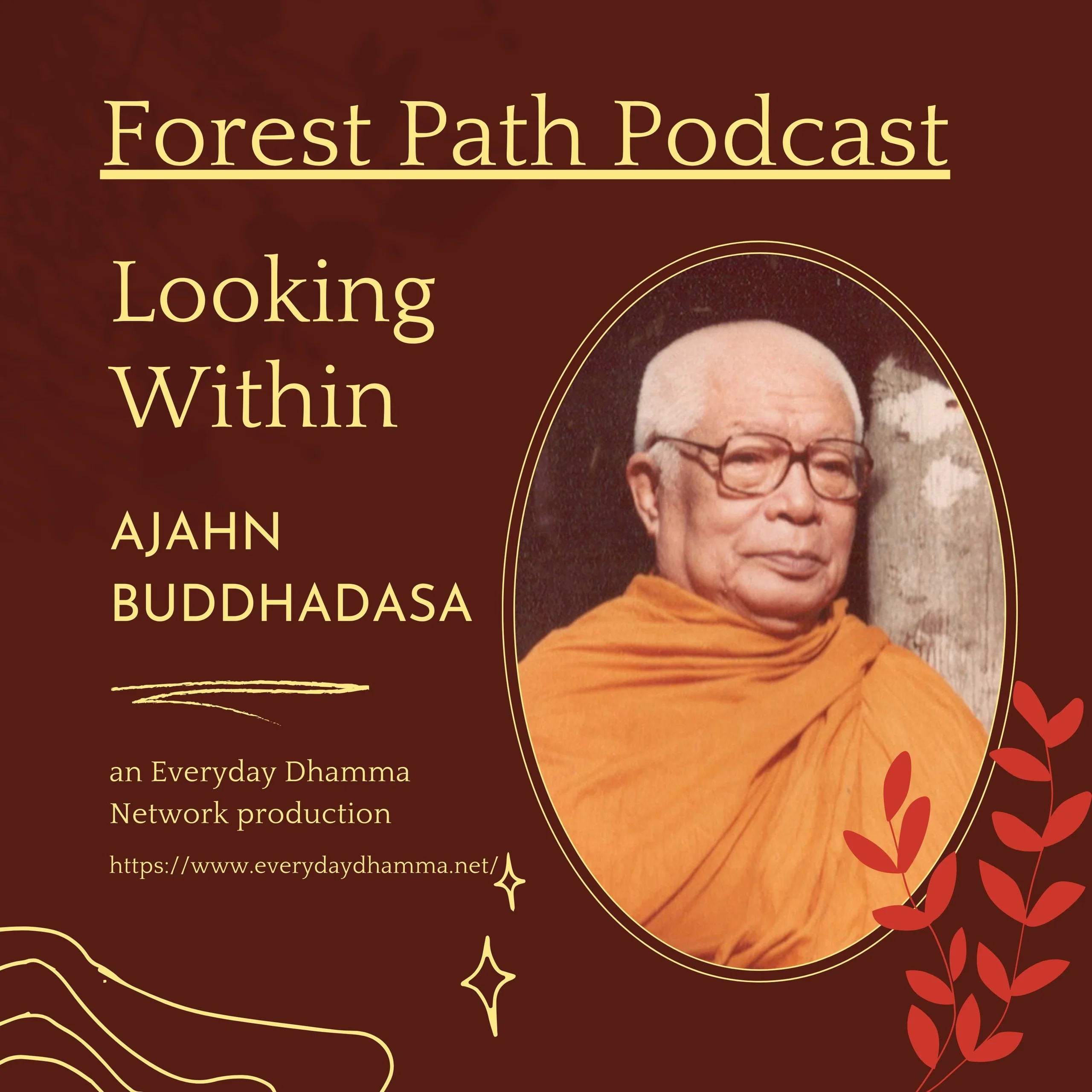
Ajahn Buddhadasa
 Thailand
Buddhist monk•writer•philosopher
Also known as: Ajahn Buddhadāsa, Indapañño Bhikkhu, Sombun Pongpanit
Birthday
May 27, 1906
Birth Sign
Sagittarius
Birthplace
Phum Riang, Chaiya District, Surat Thani Province, Thailand
Age
Died at 86
About
born in Phum Riang, Thailand, on May 27, 1906, Ajahn Buddhadasa was a Thai Theravada Buddhist monk, writer, and philosopher widely regarded as the most influential Buddhist teacher in modern Thai history. He dedicated his life to reinterpreting Buddhist doctrine, stripping away superstition, and integrating spiritual wisdom with social justice through his unique concept of "Dhammic Socialism." Unlike celebrity figures who seek public adulation, he lived a life of asceticism, renouncing personal wealth and political entanglement to focus on meditation and intellectual inquiry.
His legacy is institutionalized through the Suan Mokkh Bhikkhu Monastery he founded in 1932 and the vast body of translated literature that continues to shape global Buddhist thought. His teachings challenged conventional religious interpretations, proposing that all religions share a common essence and that the concept of religion itself dissolves for those with the deepest understanding of dhamma. This profound insight marked him as a deeply original thinker whose work bridges traditional Theravada Buddhism with modern secular philosophy.
Early Life & Background
Sombun Pongpanit was born on May 27, 1906, in the rural village of Phum Riang within the Chaiya district of Surat Thani province in southern Thailand. Growing up in an environment where traditional Thai folk Buddhism was heavily infused with animism and spirit worship, he displayed an introspective nature from a young age. He found himself deeply dissatisfied with the superstitious practices dominating local religious life, seeking a more direct and rational understanding of spiritual matters. He attended primary school in Chaiya but left formal education relatively early to pursue his spiritual interests.
At the age of twenty, disillusioned by the ritualistic nature of mainstream temples, he decided to ordain as a novice monk in 1926. This decision marked the beginning of a rigorous journey of study and practice. He spent years traveling to various monasteries to learn from different teachers and studying Pali texts intensively. By 1932, he had fully ordained as a bhikkhu and adopted the Dhamma name Buddhadasa, which translates to "Servant of the Buddha." This period of intense preparation laid the groundwork for his future revolutionary approach to Buddhist teaching.
Career Growth
In 1932, Buddhadasa moved to a dilapidated abandoned temple in the hills of Chaiya, which he renamed Wat Suan Mokkh, meaning Garden of Liberation. At the time, the area was known for its rough terrain and lack of infrastructure. He cleared the land himself, built huts, and established a new model of monastic life that rejected the accumulation of wealth and reliance on lay patronage for status. This forest monastery became a center focused on meditation and intellectual inquiry rather than ritual.
Throughout the 1940s and 1950s, he developed his unique philosophical framework, challenging orthodox interpretations of rebirth and karma while coining the term "Dhammic Socialism." From the 1960s to the 1980s, he gained international recognition as a leading Buddhist thinker. Visitors from around the world, including Western scholars, intellectuals, and monks, began arriving at Suan Mokkh. He started writing extensively in both Thai and English, producing works that were later translated into over 30 languages. Key texts published during this era include adaptations of What the Buddha Taught and The Heart of Buddhist Meditation, solidifying his reputation as a bridge between traditional Theravada and modern secular philosophy. Even in his final years, despite declining health, he continued to teach and mentor a new generation of Thai and foreign monks.
Career Timeline
Public Image & Style
Ajahn Buddhadasa cultivated a public image as a humble, intellectual ascetic, a "servant of the Buddha" who challenged authority and tradition with logic and compassion. Media portrayals emphasize his role as a reformer and a bridge between East and West. He is often depicted wearing simple brown robes, engaging in vigorous intellectual debate despite his frail health in later years. His presence was characterized by a calm demeanor and a sharp mind, making him a figure of respect rather than fear among both monks and laypeople.
Fame & Fandom
According to the iFANN Global Fame Rankings, Ajahn Buddhadasa stands as the 59th most famous person in Thailand and holds the position of the 75th most famous person from Thailand, with both placements maintaining their standing from the previous cycle. These metrics reflect a sustained presence across media coverage and consumption signals globally rather than transient viral spikes. His audience does not coalesce under a formal fandom name; instead, his followers are identified as students, disciples, or practitioners of Dhammic Socialism who engage with his legacy through institutional study at Suan Mokkh Bhikkhu Monastery. Unlike modern celebrities, there are no organized fan campaigns, streaming drives, or commercial rituals associated with his name. The interaction between the public and his memory is mediated entirely through the digitization of his talks, translations of his writings, and the continued operation of the monastery he founded.
Interesting Facts and Legends
Although widely revered, Ajahn Buddhadasa initially refused to use the title "Ajahn" (Teacher), preferring to be addressed simply as "Bhikkhu" (Monk). He wrote many of his books in simple Thai deliberately avoiding complex Pali terms to ensure accessibility to the common person. A distinctive feature of his iconography was his habit of smoking a pipe while meditating or teaching, a practice he maintained even in his final years. Despite his immense popularity, he famously avoided giving interviews to mass media, preferring one-on-one conversations with visitors. One enduring legend surrounding him involves his repeated recovery from severe heart attacks and strokes solely to resume teaching, symbolizing his unwavering dedication to the Dhamma.
Notable Quotes
“Religion is something that should be free from superstition. If you believe in superstition, you are not a Buddhist.”
“The Dhamma is not something to be believed, but something to be experienced.”
“There is no self. There is only process.”
“Dhammic Socialism is the application of Dhamma to social life.”
“Rebirth is not a metaphysical event but a psychological process of cause and effect.”
Family & Personal Life
His birth name was Sombun Pongpanit, and he grew up in a rural family setting in Phum Riang. Upon ordination as a novice monk in 1926, he renounced all familial ties to dedicate himself entirely to the Sangha. As a Theravada Buddhist monk taking vows of celibacy, he did not have a romantic life, children, or a spouse. His relationships were strictly spiritual and intellectual, centered on his disciples, students, and fellow monks. He lived a life of asceticism, owning virtually no personal property beyond his robes and basic necessities.
Notable Connections
Ajahn Chah, Dr. David Kalupahana, Jack Kornfield, Joseph Goldstein, Thich Nhat Hanh.
Relationships & Dating History
Ajahn Buddhadasa did not have a romantic life, dating history, marriages, or children. As a Theravada Buddhist monk who took vows of celibacy, he renounced all worldly attachments upon ordination. His relationships were strictly spiritual and intellectual, centered on his disciples, students, and fellow monks. He lived a life of asceticism, owning virtually no personal property beyond his robes and basic necessities. His family background included his parents, but he renounced all familial ties to dedicate himself entirely to the Sangha.
Death & Aftermath
Died
May 25, 1993 (aged 86)
Death Place
Wat Suan Mokkh, Chaiya District, Surat Thani Province, Thailand
Cause of Death
Heart failure following strokes and heart attacks
Ajahn Buddhadasa passed away on May 25, 1993, at the forest monastery he founded, Wat Suan Mokkh. He died just two days before his eighty-seventh birthday after a prolonged period of declining health that included multiple strokes and heart attacks. Despite these severe physical ailments, he remained active in his duties until shortly before his death, continuing to receive visitors and offer spiritual guidance. His passing was marked by profound grief across Thailand and the international Buddhist community, with tributes pouring in from high-ranking government officials, religious leaders, and scholars who hailed him as a national treasure and a visionary teacher.
The funeral ceremony followed traditional Thai Buddhist rites and was attended by thousands of mourners, including monks, laypeople, and dignitaries. Following his death, the Ajahn Buddhadasa Indapanno Foundation was established to manage his extensive library, preserve his writings, and facilitate the translation of his works into numerous languages. Posthumous recognition has continued through academic publications analyzing his concept of Dhammic Socialism and documentaries such as The Life and Works of Buddhadasa Bhikkhu. The foundation continues to host international conferences and distribute his teachings, ensuring his philosophical legacy remains accessible to new generations of students.
Net Worth (Estate Value)
$0
iFANN Editorial Team estimate
As a monk living under strict vows of poverty, Ajahn Buddhadasa possessed no personal net worth. He owned no real estate, stocks, businesses, or luxury assets. All resources at Suan Mokkh were communal and managed by the monastic order. Consequently, there is no estate value in the commercial sense. The monastery and the foundation it operates hold the intellectual property of his works, which generate revenue through book sales, donations, and educational programs. These funds are reinvested into the monastery's operations, translation projects, and charitable activities, rather than distributed to heirs. No individual beneficiaries exist, as he had no spouse or children.
Awards & Accolades
View 3 records, honours and achievementsKnown For
Suan Mokkh Bhikkhu Monastery
1932 · Founder
Dhammic Socialism
1940s · Philosopher
The Heart of Buddhist Meditation
1970s · Author
Keywords
Sources
Quick Facts
- Profession
- Buddhist monk, writer
- Born
- May 27, 1906
- Birthplace
- Phum Riang, Thailand
- Died
- May 25, 1993
- Death Place
- Chaiya District, Surat Thani
- Gender
- Male
- Birth Sign
- Sagittarius
Personal Details
- Full Name
- Sombun Pongpanit
- Children
- Education
- Primary school in Chaiya; self-taught in Pali texts and Buddhist philosophy
Frequently Asked Questions
What was Ajahn Buddhadasa's birth name?
Did Ajahn Buddhadasa ever get married?
When and where did Ajahn Buddhadasa die?
What is Dhammic Socialism?
Why is Ajahn Buddhadasa famous?
Similar People
Join the community
fans discussing