
Ajahn Chah
 Thailand
Also known as: Subhaddo, Cha Phothiyan, Ajahn Chah Subhaddo, Chah Subhaddo, Subhadda Bhikkhu, Ācān Chā
Birthday
June 17, 1918
Birth Sign
Gemini
Birthplace
Ban Nong Saeng, Ubon Ratchathani, Thailand
Age
Died at 73
Height
5 ft 7 in (170 cm)
About
Ajahn Chah was a preeminent Thai Buddhist monk and a central figure in the revival of the Thai Forest Tradition. Born Subhaddo in the village of Ban Nong Saeng near Ubon Ratchathani, he entered monastic life at age nine and became a fully ordained monk at twenty. His teachings focused on practical application of the Dhamma, using simple language and humor to convey complex spiritual concepts.
He founded two major monasteries: Wat Pah Pong in 1975 and Wat Pah Nanachat in 1976. His influence extended globally when Western disciples established branches across Europe, North America, Australia, and Asia. By the mid-1980s, hundreds of Westerners had returned home to create over fifty forest monasteries carrying his lineage.
Ajahn Chah passed away peacefully on January 16, 1992, at Wat Pah Pong. His funeral drew over one million attendees, including the Thai royal family. His legacy endures through thousands of students, numerous monasteries worldwide, and best-selling books like Stillness Flowing and Food for the Heart.
Early Life & Background
Born into a farming family in northeastern Thailand, Subhaddo grew up in the rural village of Ban Nong Saeng. His early education took place in local temple schools where he learned to read Pali and Thai. At age nine, he felt a calling to the monastic life and entered a temple as a novice monk. This marked the beginning of a lifetime dedicated to spiritual practice.
His formal training deepened as he traveled extensively throughout Thailand, often sleeping in cemeteries and under trees. These practices were characteristic of the Forest Tradition, emphasizing direct confrontation with impermanence. He studied under various teachers but found his own path through rigorous meditation and asceticism. By age twenty, he received full ordination as a bhikkhu, taking the name Ajahn Chah.
For decades, he lived as a hermit in the forests, refining his understanding of the Dhamma. His reputation for wisdom grew slowly within Thailand, marked by his ability to teach complex ideas simply. He did not seek fame or administrative power, preferring the quiet life of a teacher in the woods. The pivotal moment came in 1975 when his senior student, Ajahn Sumedho, convinced him to travel to England to establish a monastery for Westerners.
Career Growth
The founding of Cittaviveka (now Chithurst Buddhist Monastery) in England in 1979 marked Ajahn Chah's breakthrough into global consciousness. This branch of Wat Pah Pong served as the gateway for the Thai Forest Tradition to enter the West. From this base, his teachings spread rapidly across Europe and North America.
By the mid-1980s, he had attracted hundreds of Western disciples who returned to their home countries to establish over fifty forest monasteries. His talks were recorded on cassette tapes and later CDs, becoming best-selling spiritual literature. These recordings introduced Theravada Vipassana meditation to Western laypeople and clergy alike.
He received numerous honors from the Thai state, including the Suphatthamabhorn Medal in 1978 and the ecclesiastical title Phra Rajawongse in 1983. Despite his international fame, he remained humble, rejecting luxury and intellectual pretension. His career was defined by teaching rather than administration, yet his impact on mindfulness and meditation in the West remains immeasurable.
Career Timeline
Public Image & Style
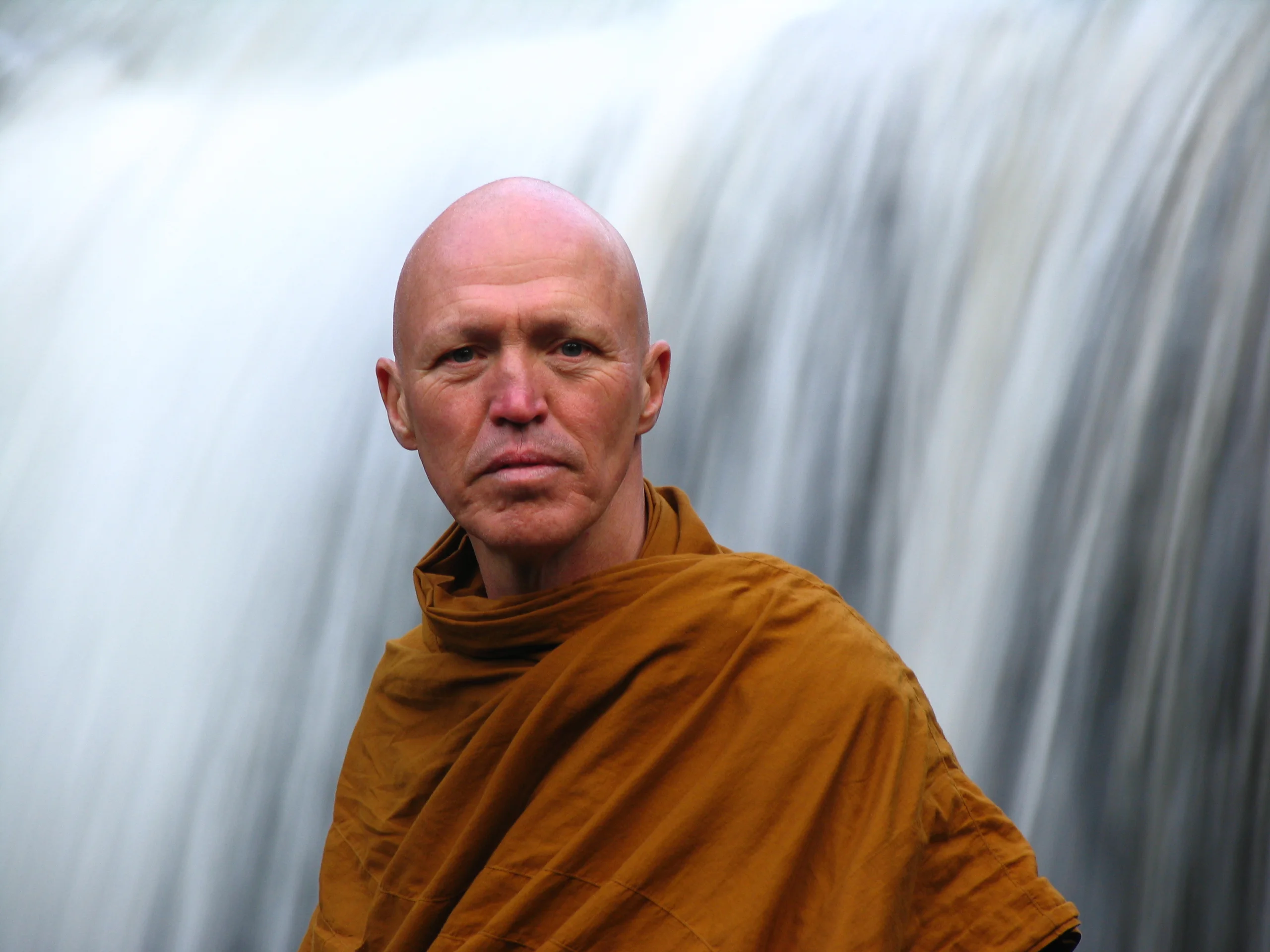
Ajahn Chah presented an image of radical simplicity, typically wearing traditional saffron robes. He rejected luxury and intellectual pretension, often using humor and silence to convey his points. His signature style involved speaking directly to the heart of the matter, dismissing complex philosophical debates in favor of practical application. Media perception viewed him as a national treasure and a bridge between Eastern and Western spirituality.
Fame & Fandom
Ajahn Chah does not have a fandom in the pop-culture sense. His followers refer to themselves as students, disciples, or practitioners of the Thai Forest Tradition. There are no fan clubs, merchandise campaigns, or social media trends associated with his name in the way modern celebrities have. Instead, his legacy is sustained through the silent practice of meditation, the chanting of texts, and the operation of over 50 monasteries worldwide.
In the broader world, his influence registers in measurable ways. Ajahn Chah is the 94th most famous person in Thailand, holding steady from the previous cycle. He is the 77th most famous person from Thailand, likewise unchanged. And while his teaching never concerned itself with fame, the iFANN Global Fame Rankings places him the 31st most famous person in Manga, a placement reflecting his enduring imprint on global consciousness.
Interesting Facts and Legends
Ajahn Chah was famous for his recurring admonition "Be really careful!", a phrase that became a touchstone for students warning against attachment to views. He often used humor to defuse tension or cut through intellectual arrogance in his students. For the last decade of his life, he was unable to speak due to illness, yet he continued to teach through gestures, smiles, and the presence of his students.
As a young monk, he spent nights meditating near corpses in cemeteries to confront the reality of death. This rigorous practice was common in the Forest Tradition but rarely undertaken by modern monks. He famously accepted Western disciples despite initial cultural barriers, encouraging them to adopt the monastic lifestyle while respecting their background. His dry wit often appeared in unexpected moments, making profound points through simple jokes.
Notable Quotes
“Be really careful!”
“Do everything with a mind that lets go.”
“If you want to know what the Buddha taught, look at your own mind.”
“Don't just sit there and think about it. Do it.”
“The Dhamma is not something to be studied; it is something to be practiced.”
Family & Personal Life
Ajahn Chah maintained a deep bond with his parents during his youth before dedicating his adult life entirely to the monastic order. As a fully ordained Theravada Buddhist monk, he took vows of celibacy and never married or had children. His "family" consisted of his sangha and thousands of lay students globally. He remained single throughout his entire life until his death. The Forest Sangha Foundation now manages his legacy and supports monastic education.
Notable Connections
Relationships & Dating History
As a fully ordained Theravada Buddhist monk, Ajahn Chah took vows of celibacy and did not engage in romantic relationships or marriage. Therefore, there are no records of dating history, spouses, children, or divorce. His "family" consisted of his sangha (monastic community) and his thousands of lay students globally. He maintained a deep bond with his parents during his youth but dedicated his adult life entirely to the monastic order. He remained single throughout his entire life until his death.
Death & Aftermath
Died
January 16, 1992 (aged 73)
Death Place
Nong Bua Lamphu Province, Thailand
Cause of Death
complications from diabetes and kidney failure
For nearly a decade, the monk known to thousands as Ajahn Chah lay bedridden within the quiet halls of Wat Nong Pah Pong, his body slowly yielding to the weight of chronic illness. He passed away on January 16, 1992, at the age of seventy-three, succumbing to complications from long-term illness while surrounded by the disciples he had guided for decades. The event drew immediate tributes from peers like Ajahn Sumedho and Ajahn Brahm, who highlighted his pivotal role in transmitting the Thai Forest Tradition to the West. Thousands of Thai monks and laypeople gathered at the monastery for traditional rites that culminated in a solemn cremation, attended by senior Buddhist officials and foreign representatives of the Sangha.
His legacy endures through a vast array of books, audio recordings, and films distributed globally, including titles such as Dhamma Talks and Still Water. Major monasteries founded in his name, such as Wat Nong Pah Pong, Amaravati in the UK, and Abhayagiri Monastery in California, serve as living memorials to his teachings. Foundations established in his name manage his estate and distribute his teachings, with the estate itself handled entirely by the monastic community rather than family heirs.
Net Worth (Estate Value)
$0
iFANN Editorial Team estimate
Ajahn Chah was a Buddhist monk who took vows of poverty, so he held no personal wealth or assets during his life. His estate, managed by the Forest Sangha Foundation following his death in 1992, continues to generate income through book sales, audio recordings, and donations. The foundation uses these funds to maintain monasteries, support monastic education, and publish new translations of his works. Posthumous releases include updated editions of his talks and documentaries such as The Buddha in the Forest. While specific financial figures for the estate are not publicly detailed, the organization operates globally with significant resources derived from his teachings.
Awards Won (2)
Ajahn Chah received numerous high honors from the Thai state and religious institutions. He was awarded the Suphatthamabhorn Medal in 1978 by King Bhumibol Adulyadej for his contributions to Buddhism and society. In 1983, he was conferred the ecclesiastical title Phra Rajawongse, one of the highest titles in the Thai Sangha. He was frequently honored by the Thai government for promoting peace and moral values.
1978 · Religious Service
Contributions to Buddhism and Society
1983 · Ecclesiastical Honor
Service to the Thai Sangha
Known For
Thai Forest Tradition
1975 · Revivalist and Teacher
Wat Pah Pong
1975 · Founder
Food for the Heart
1992 · Author
Stillness Flowing
1992 · Author
Keywords
Sources
Quick Facts
- Profession
- Buddhist monk
- Born
- June 17, 1918
- Birthplace
- Ubon Ratchathani, Thailand
- Died
- January 16, 1992
- Death Place
- Nong Bua Lamphu Province, Thailand
- Gender
- Male
- Birth Sign
- Gemini
Personal Details
- Full Name
- Subhaddo (also known as Cha Phothiyan)
- Height
- 5 ft 7 in (170 cm)
- Children
- Education
- Temple schools in Ban Nong Saeng; ordained novice at age 9, fully ordained bhikkhu at age 20
Frequently Asked Questions
Who was Ajahn Chah?
When did Ajahn Chah die?
Did Ajahn Chah have any children?
What is the Thai Forest Tradition?
Where can I find Ajahn Chah's teachings?
Similar People
Join the community
fans discussing