

Abu Sayeed Chowdhury
 Bangladesh
Also known as: AbuSayyid Chaudhuri
Birthday
January 31, 1921
Birth Sign
Sagittarius
Birthplace
Tangail
Age
Died at 66
About
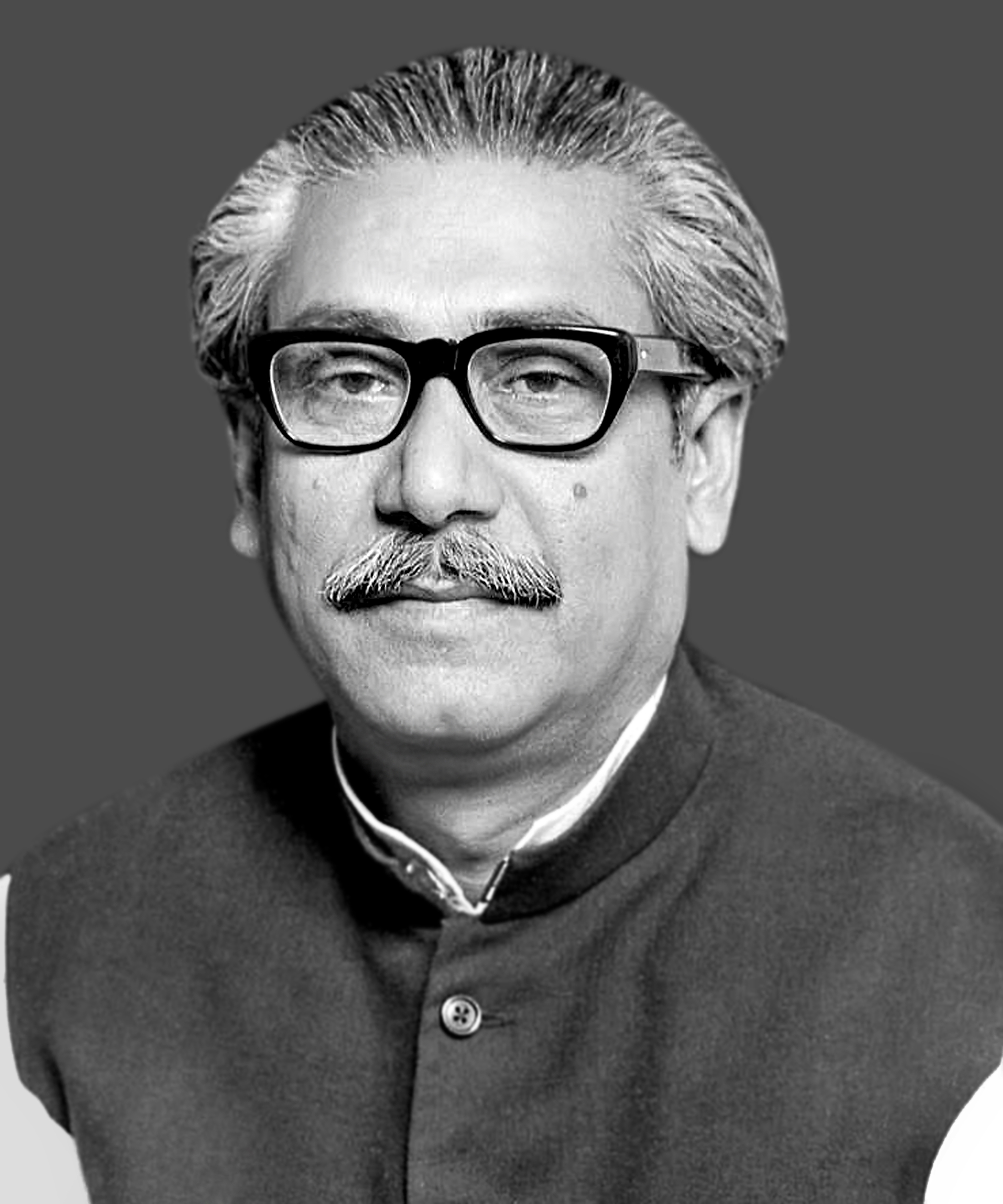
Abu Sayeed Chowdhury was a distinguished Bangladeshi jurist, academician, diplomat, and politician who served as the second President of Bangladesh from January 1972 to November 1973. Born in Tangail, then part of British India, he carved a path through law and public service that defined his legacy as a founding father of the nation. Unlike modern entertainers, his fame is rooted in constitutional history, international diplomacy, and moral leadership during the Liberation War of 1971.
Chowdhury's career bridged academia, law, and statecraft. He served as the Vice-Chancellor of Dhaka University before resigning in 1971 to protest the Pakistani military regime. Following independence, he became the country's first High Commissioner to the United Kingdom and later held the office of Foreign Minister. His tenure as President provided crucial constitutional stability to the fragile new nation, acting as a unifying figure during a time of significant political and social reconstruction.
Early Life & Background
Born on January 31, 1921, in Tangail, a district in present-day Bangladesh, Abu Sayeed Chowdhury grew up in an era when the region was under British colonial rule. His early life was steeped in the intellectual traditions of Bengal, which prepared him for a rigorous career in law. He pursued higher education in law, eventually becoming a jurist by training. Before entering the political arena, he established himself as an academic, serving as the Vice-Chancellor of Dhaka University, one of South Asia's most prestigious institutions. His legal acumen and academic standing laid the foundation for his later roles in national leadership and international diplomacy.
The period leading up to his rise to prominence was marked by the intense political turmoil of the mid-20th century in the subcontinent. Chowdhury worked within the legal framework of British India before the partition and subsequent formation of Pakistan. His commitment to justice and the rule of law became evident early in his career, setting the stage for his eventual defection from the establishment. By the late 1960s, he had already gained recognition as a respected legal scholar and administrator. This reputation preceded him into the critical years of the 1970s, positioning him as a key figure when the call for independence came.
Career Growth
Chowdhury's career reached its zenith during the Bangladesh Liberation War of 1971. In June 1971, amidst the genocide committed by the Pakistani military against Bengalis, he made a historic decision to resign from his post as Vice-Chancellor of Dhaka University. This act of defiance is widely cited as a pivotal moment demonstrating his commitment to the Bengali cause before the war's end. Following Bangladesh's independence in December 1971, he was appointed as the country's first High Commissioner to the United Kingdom. In this diplomatic role, he worked tirelessly to foster international relations and secure recognition for the newly formed nation.
On January 26, 1972, Abu Sayeed Chowdhury assumed office as the second President of Bangladesh, succeeding Syed Nazrul Islam. His tenure lasted until November 1973. During this period, he provided crucial constitutional stability to the fragile new nation. Prior to or concurrent with his presidency, he achieved international recognition as the Chairman of the United Nations Commission on Human Rights. This role cemented his reputation as a global jurist dedicated to human dignity and justice. He also served as the Foreign Minister of Bangladesh, navigating the complex geopolitical landscape of the post-independence era.
Career Timeline
Public Image & Style
According to the iFANN Global Fame Rankings (September 2026 cycle), Abu Sayeed Chowdhury is ranked as the 46th most famous person from Bangladesh. This ranking reflects his enduring status as a foundational jurist and the second President of Bangladesh, figures who remain central to the nation's constitutional narrative. His public image is characterized by dignity, intellectualism, and moral fortitude. Media portrayals consistently highlight his role as a "man for all seasons," emphasizing his versatility as a jurist, academic, and diplomat. Unlike modern celebrities, he does not have a signature style or aesthetic; his persona is defined by his professional conduct and adherence to the rule of law.
Fame & Fandom
Abu Sayeed Chowdhury commands a measured but enduring presence in global historical records, with attention sustained through academic citation and state commemoration rather than commercial celebrity metrics. According to the September 2026 cycle of the iFANN Global Fame Rankings, he holds a specific position within the hierarchy of notable figures from his region. He is currently ranked as the 46th most famous person from Bangladesh, a standing that has remained steady since the previous measurement period. This placement reflects his status as a foundational jurist and the second President of Bangladesh, figures who remain central to the nation's constitutional narrative.
While his influence extends to international human rights bodies where he served as Chairman of the UN Human Rights Commission, his public profile remains distinct from modern entertainment archetypes. The audience for his legacy does not organize into a formal fanbase or adopt an unofficial name; there is no documented collective identity such as a club or movement dedicated to his memory in the manner of pop culture icons. Instead, engagement with his life is expressed through institutional observances, academic study, and official state tributes marking his birth and death anniversaries. His reputation rests on verified historical contributions rather than viral moments or chart performance, and the lack of a named fandom underscores the distinction between political reverence and celebrity worship.
Interesting Facts and Legends
His resignation letter from Dhaka University in June 1971 is considered a definitive statement of his principles, though the full text is not always detailed in brief summaries. A notable piece of trivia is his ability to navigate the transition from a colonial-era legal system to the independent republic of Bangladesh, holding multiple high offices simultaneously or sequentially. He is remembered for his humor and statesmanship, with tributes often referencing his wit alongside his serious duties. His name appears in various transliterations, including "AbuSayyid Chaudhuri" in Wikidata aliases. The exact location of his burial remains unclear in some records, leaving it uncertain whether his funeral was held privately in London or if his remains were repatriated to Bangladesh.
Notable Quotes
“Man for all seasons”
Family & Personal Life
Public records regarding Abu Sayeed Chowdhury's personal life are sparse compared to modern celebrities, reflecting the privacy norms of his era and his status as a statesman rather than a pop icon. There are no documented public romantic relationships, dating histories, engagements, or marriages recorded in credible historical sources. While he was a prominent public figure, details about his spouse, children, or family life have not been widely disseminated in the available biographical literature. Consequently, there is no information regarding children from any relationship, nor is there a record of a divorce or widowhood in the public domain. As of his death in 1987, he is not known to have left behind a surviving spouse or publicly acknowledged offspring in the context of media reporting. His legacy is defined by his public service rather than his private familial connections.
Notable Connections
Relationships & Dating History
Public records regarding Abu Sayeed Chowdhury's personal life are sparse compared to modern celebrities, reflecting the privacy norms of his era and his status as a statesman rather than a pop icon. There are no documented public romantic relationships, dating histories, engagements, or marriages recorded in credible historical sources. While he was a prominent public figure, details about his spouse, children, or family life have not been widely disseminated in the available biographical literature. Consequently, there is no information regarding children from any relationship, nor is there a record of a divorce or widowhood in the public domain. As of his death in 1987, he is not known to have left behind a surviving spouse or publicly acknowledged offspring in the context of media reporting. His legacy is defined by his public service rather than his private familial connections.
Death & Aftermath
Died
August 2, 1987 (aged 66)
Death Place
London, United Kingdom
Cause of Death
Natural causes
Justice Abu Sayeed Chowdhury passed away on August 2, 1987, in London at the age of 66. The exact medical circumstances surrounding his death were not widely detailed in public obituaries, with reports simply citing natural causes. His final days were spent in the United Kingdom, likely due to health reasons requiring specialized care or his prior diplomatic ties to the region. The New York Times confirmed his passing the following day, noting his status as the second President of Bangladesh.
Following his death, tributes poured in from government bodies and educational institutions across Bangladesh, commemorating him as a "man for all seasons" and a key architect of the nation's identity. His resignation from Dhaka University in 1971 to protest the genocide during the Liberation War remains a central part of his historical narrative. While the specific location of his burial remains unclear in some records, whether he was interred in London or repatriated to Bangladesh, his death anniversary is observed annually by the government and academic circles. No major foundations or awards were established in his name immediately after his passing, but his legacy endures through biographical entries in Banglapedia and Wikipedia, where he is frequently referenced in discussions regarding Bangladesh's constitutional history.
Net Worth (Estate Value)
$0
iFANN Editorial Team estimate
As a historical figure who passed away in 1987, Abu Sayeed Chowdhury did not accumulate personal wealth in the modern sense of a celebrity net worth. His financial standing was typical of a high-ranking government official and academic of his time, with income derived from his salaries as a judge, university administrator, diplomat, and president. There are no public records of significant personal assets, real estate holdings, or business ventures that would contribute to a substantial estate value today. The concept of a multi-million dollar fortune does not apply to his life story. Any assets he may have owned were likely modest and managed according to the standards of the civil service during that era. Since his death, there have been no major posthumous revenue streams, licensing deals, or catalog sales associated with his name, as his legacy is preserved through historical documentation rather than commercial exploitation.
Awards & Accolades
View 1 records, honours and achievementsKnown For
Second President of Bangladesh
1972 · President
First High Commissioner to the UK
1972 · Diplomat
Chairman of UN Commission on Human Rights
1970 · International Official
Keywords
Sources
Quick Facts
- Profession
- diplomat, politician, jurist
- Born
- January 31, 1921
- Birthplace
- Tangail
- Died
- August 2, 1987
- Death Place
- London
- Gender
- Male
- Birth Sign
- Sagittarius
Personal Details
- Children
- Education
- Law degree (Jurist training)
Frequently Asked Questions
Who was Abu Sayeed Chowdhury?
When and where did Abu Sayeed Chowdhury die?
Why did Abu Sayeed Chowdhury resign from Dhaka University?
What was Abu Sayeed Chowdhury's role at the UN?
Is Abu Sayeed Chowdhury still alive?
Similar People
Join the community
fans discussing