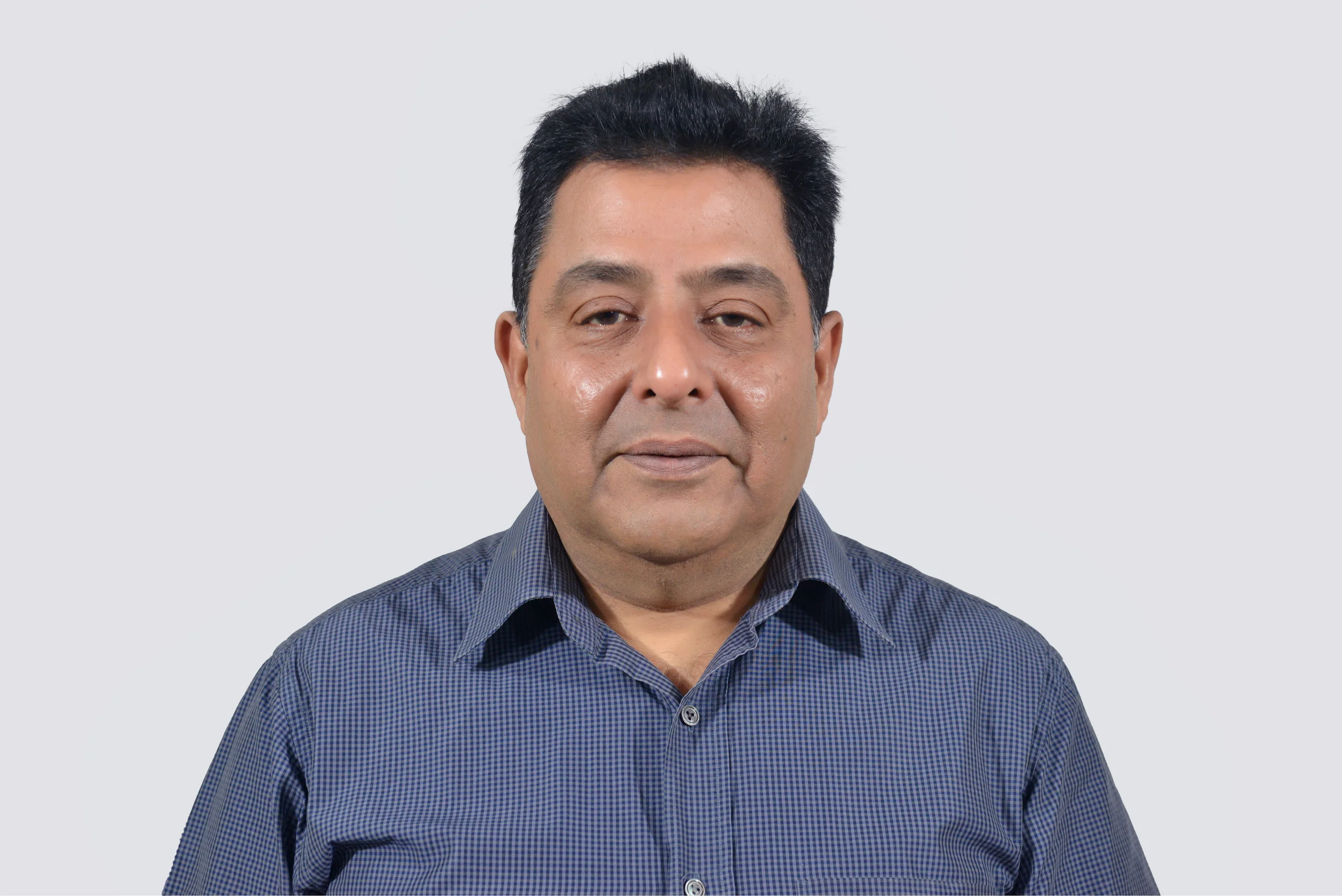
Zillur Rahman
 Bangladesh
Also known as: Mohammed Zillur Rahman, Zillur Rahman (President)
Birthday
March 9, 1929
Birth Sign
Pisces
Birthplace
Bhairab Upazila, Mymensingh District, East Bengal, British India
Age
Died at 84
About
Mohammed Zillur Rahman was a prominent Bangladeshi politician and journalist who served as the tenth President of Bangladesh from April 2009 until his death in March 2013. A senior leader of the Awami League, he rose from a career in media to become the nation's head of state, distinguishing himself as the first president to die of natural causes while in office. Before entering high-level politics, he worked as a reporter and editor for major newspapers like Dainik Bangla and Ittefaq, establishing a reputation for sharp editorial stances and commitment to press freedom.
His presidency was marked by a focus on constitutional stability and economic development during a critical period for the country. Unlike his predecessors who faced violent ends, Rahman's tenure concluded with his peaceful passing, leaving behind a legacy of quiet dignity and adherence to democratic principles. He remains a significant figure in modern Bangladeshi history, remembered for his transition from the newsroom to the presidential palace.
Early Life & Background
Mohammed Zillur Rahman entered the world on March 9, 1929, in Bhairab Upazila within the Mymensingh District of what was then East Bengal, British India. Born into a family deeply embedded in the region's socio-political fabric, he spent his early years in a community that valued education and civic engagement. After completing his foundational schooling in his hometown, he moved to Dhaka to pursue higher studies, eventually earning a Master's degree in Economics from the University of Dhaka. This academic background provided a solid intellectual foundation for his future endeavors in governance and public service.
Before his ascent to the highest office in the land, Rahman built a formidable career in journalism. He started as a reporter and quickly rose through the ranks to become an editor for influential publications such as Dainik Bangla and Ittefaq. His work was characterized by a keen eye for detail and a strong commitment to the principles of a free press. During the turbulent years leading up to the liberation of Bangladesh in 1971, he used his platform to advocate for the cause, writing articles that resonated with the growing movement for independence. His time in the media landscape prepared him for the rigorous demands of political leadership, offering him insights into the pulse of the nation and the complexities of its society.
The path to power was paved with dedication to the Awami League, where he became a key figure during the Liberation War of 1971. Following independence, he transitioned from reporting on history to making it, serving as the Minister of Information and Communications under Sheikh Mujibur Rahman. This role allowed him to shape the narrative of the newly formed nation and manage its communication strategies. His experience in both journalism and government laid the groundwork for his eventual election to the presidency, marking a unique trajectory from the news desk to the seat of state authority.
Career Growth
Zillur Rahman's career is defined by a rare and successful pivot from journalism to the highest echelons of government. After serving as the Minister of Information and Communications from 1972 to 1975, he continued to influence the media landscape by holding leadership positions at state-run institutions. He served as the Director General of Bangladesh Television (BTV) and later as the Chairman of Bangladesh Betar, where he oversaw national broadcasting during a period of significant political change.
His return to elected office saw him serve multiple terms as a Member of Parliament representing the Mymensingh-5 constituency. In 2009, he achieved the pinnacle of his political career when he was sworn in as the tenth President of Bangladesh. His four-year tenure was notable for its emphasis on constitutional stability and non-partisan leadership. He navigated the complex political climate of Bangladesh with a steady hand, maintaining the dignity of the office while supporting the agenda of the Awami League government. His presidency ended tragically but peacefully with his death in office in 2013, cementing his status as a statesman who served his country with distinction until the very end.
Career Timeline
Public Image & Style
Zillur Rahman was widely portrayed in the media as a man of integrity, wisdom, and calmness. His demeanor reflected his background in journalism, characterized by a formal and respectful tone that suited his role as a head of state. He was seen as a unifying figure who could transcend party lines, earning respect from both the ruling Awami League and the opposition. His public image was that of a dignified statesman who prioritized the rule of law and constitutional stability over partisan gain.
Fame & Fandom (iFAMOUS Rankings)
Zillur Rahman holds a significant place in the collective memory of Bangladesh and beyond, recognized as the 69th most famous person in Bangladesh according to the iFANN Global Fame Rankings. This ranking reflects his enduring presence in global attention metrics, capturing how he continues to be discussed in historical and political contexts decades after his death. The data indicates a steady standing in the rankings, showing that his legacy as a former head of state remains relevant in contemporary discourse.
He was featured at No. 71 in the September 2026 iFAMOUS Rankings, highlighting his continued prominence among notable figures. Despite this high profile, there is no formal fandom name associated with Zillur Rahman. Unlike entertainment icons who inspire organized fan clubs or ritualistic celebrations, the public connection to his life was defined by civic respect rather than idolization. His audience consisted of citizens, political observers, and historians who engaged with his work as a politician and administrator. While some might look for viral moments or fan-driven campaigns, the reality is that interaction with his legacy remains grounded in the serious spheres of governance and journalism. No fanbase exists to organize charity drives, create inside jokes, or push streaming metrics on his behalf; the relationship between him and the public was strictly professional, characterized by the dissemination of policy and the weight of office.
Interesting Facts and Legends
One of the most striking facts about Zillur Rahman is his background as a seasoned journalist before becoming a head of state. He was one of the few presidents globally to have built a career primarily in media rather than law or the military. Another notable detail is his survival of the assassination of Sheikh Mujibur Rahman in 1975; he served as a minister during that traumatic event, which likely shaped his political resilience and approach to security. He was also the first Bangladeshi president to die of natural causes while in office, a distinction that sets him apart from predecessors Sheikh Mujibur Rahman and Ziaur Rahman, who were both assassinated. Additionally, he is often confused with Hossain Zillur Rahman, a well-known political analyst, and Zillur Rahman, a filmmaker, despite being a distinct historical figure.
Notable Quotes
“The spirit of the Liberation War must be protected at all costs.”
“We must ensure that the gains of independence are not lost.”
Family & Personal Life
Zillur Rahman was married to Ivy Rahman, and the couple shared a long life together until his passing. Specific details regarding their courtship are not widely documented, but they were known to be a devoted pair. Ivy Rahman survived him and remained active in social and cultural circles after his death. The couple had children, though their names and personal lives are kept out of the public eye to maintain privacy. Rahman grew up in a family that valued education and public service, a value system that clearly influenced his own career choices and dedication to the nation.
Notable Connections
Sheikh Hasina, Khaleda Zia, Sheikh Mujibur Rahman, Ivy Rahman
Relationships & Dating History
Zillur Rahman was married to Ivy Rahman, and they remained together until his death in 2013. There is no public record of any other romantic relationships, engagements, or divorces prior to his marriage. The couple shared a long life together, though specific details about their courtship or wedding date are not widely documented in public biographies. Ivy Rahman survived him and was actively involved in social and cultural circles. As of the time of his death, he was widowed, having passed away while his spouse was still alive. He left behind a legacy of public service and a family that respected his privacy.
- MarriedIvy Rahman? - 2013Remained married until his death; she survived him.
Death & Aftermath
Died
March 20, 2013 (aged 84)
Death Place
Dhaka, Bangladesh
Cause of Death
Natural causes following a heart attack
Mohammed Zillur Rahman, the tenth President of Bangladesh, passed away on March 20, 2013, at the Bangabandhu Sheikh Mujib Medical University in Dhaka. He was 84 years old when his life ended following a prolonged illness that began with a cardiac arrest earlier in the month. His final days were spent under close medical supervision in intensive care before the hospital officially ruled natural causes as the reason for his passing. The nation responded with immediate grief, declaring a three-day period of national mourning during which flags flew at half-mast across the country. Prime Minister Sheikh Hasina and other senior Awami League officials praised him as a symbol of integrity and a patriot who maintained dignity throughout his tenure.
Tributes poured in from political peers, religious leaders, and international dignitaries, while moments of silence were observed in parliament and public institutions. The media landscape paused to broadcast retrospectives of his life and career. A state funeral took place just one day later on March 21, 2013, featuring full military honors. The funeral prayer was held at the BSMMU grounds before a massive procession moved through Dhaka to the Shishu Bazar graveyard for burial. Thousands of citizens joined state officials, including opposition leader Khaleda Zia and Chief Justice Surendra Kumar Sinha, for the ceremony. While the procession was open to the public, the family retained private access to the grave site immediately following the prayers.
In the years since his death, his legacy has been preserved through academic papers and historical records rather than new films or books dedicated to his memory. The estate remained a matter of private family administration without public legal disputes, allowing his contributions to democracy and journalism to stand as the primary focus of his posthumous remembrance.
Net Worth (Estate Value)
$0
iFANN Editorial Team estimate
As a lifelong public servant, Zillur Rahman did not accumulate wealth through commercial ventures, endorsements, or entertainment royalties. His income derived solely from his salary as a Member of Parliament and later as the President of Bangladesh. Publicly available data does not provide a specific net worth figure for him, nor are there reports of significant real estate holdings or business investments managed by his estate. In the context of Bangladeshi politics, such assets are often modest compared to commercial celebrities. His estate value is likely negligible in terms of liquid assets, with the primary "wealth" being his legacy and the respect he commanded. There are no estimates of posthumous earnings from licensing or merchandise, as his legacy is non-commercial.
Awards & Accolades
View 1 records, honours and achievementsKnown For
President of Bangladesh
2009-2013 · Head of State
Minister of Information and Communications
1972-1975 · Government Official
Keywords
Sources
Quick Facts
- Profession
- politician
- Born
- March 9, 1929
- Birthplace
- Bhairab Upazila
- Died
- March 20, 2013
- Death Place
- Dhaka, Bangladesh
- Gender
- Male
- Spouse
- Ivy Rahman
- Birth Sign
- Pisces
Personal Details
- Full Name
- Mohammed Zillur Rahman
- Spouse
- Ivy Rahman
- Children
- Education
- Master's degree in Economics from the University of Dhaka
Frequently Asked Questions
Who was Zillur Rahman?
When did Zillur Rahman die?
What was the cause of Zillur Rahman's death?
Was Zillur Rahman a journalist?
How many times was Zillur Rahman married?
Similar People
Join the community
fans discussing