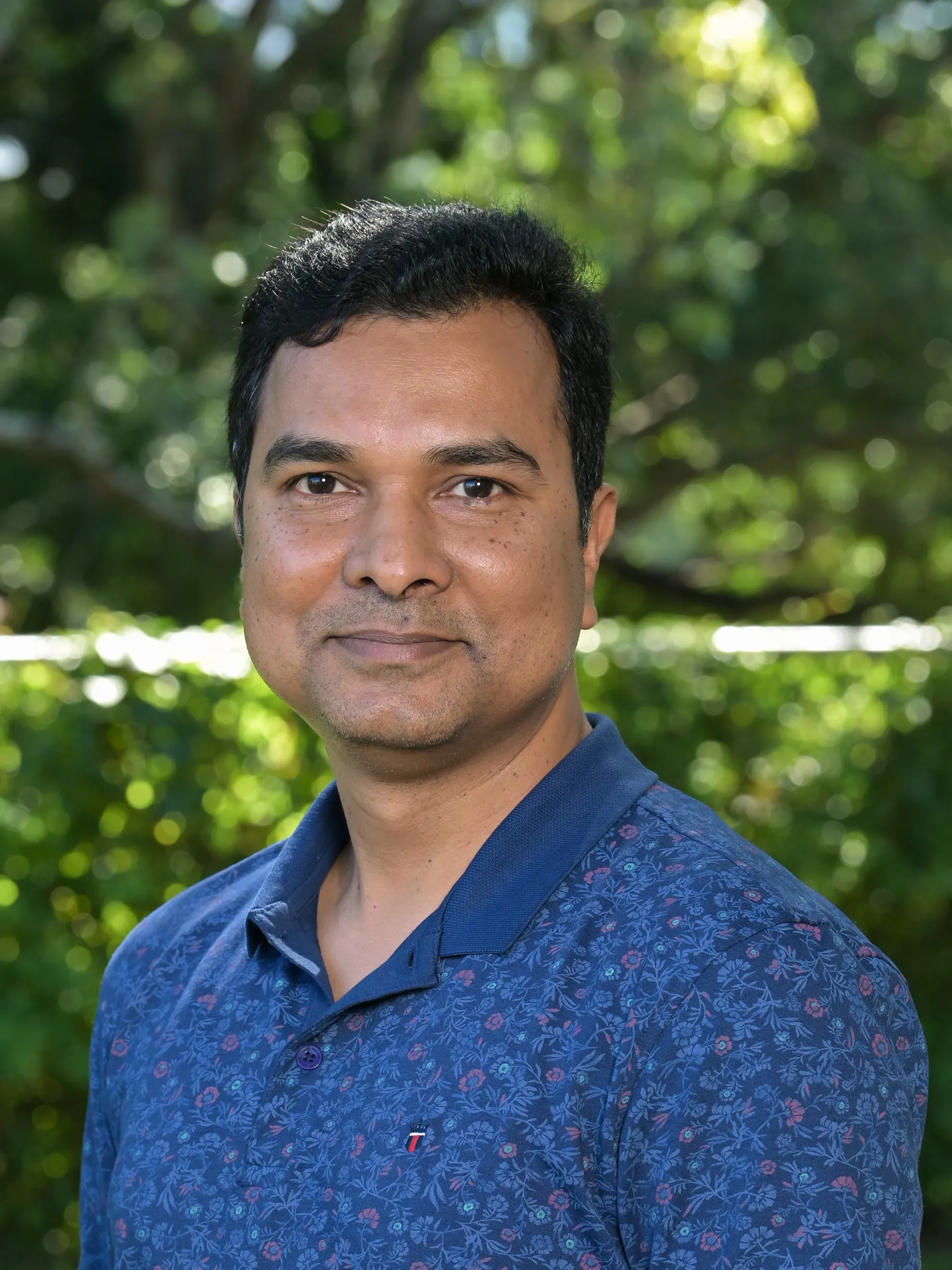
Abu Sadat Mohammad Sayem
 Bangladesh
Also known as: Mirza Abu Sadat Mohammad Sayem, Justice Sayem
Birthday
March 29, 1916
Birth Sign
Sagittarius
Birthplace
Rangpur, Bengal Presidency (now Bangladesh)
Age
Died at 81
About
Mirza Abu Sadat Mohammad Sayem was a distinguished Bangladeshi jurist and statesman who played a pivotal role in the nation's formative years. Born in Rangpur, he served as the first Chief Justice of Bangladesh from 1972 to 1975 before ascending to the presidency in November 1975 following the assassination of Sheikh Mujibur Rahman. He also held the title of Chief Martial Law Administrator during this turbulent period. His presidency ended in April 1977 when he resigned, citing health reasons and reportedly under pressure regarding the constitutional legitimacy of the regime established after the coup. He passed away on July 8, 1997, at the age of 81 in Dhaka due to illness following his retirement.
Early Life & Background
Mirza Abu Sadat Mohammad Sayem entered the world on March 29, 1916, in Rangpur, a district within the Bengal Presidency of British India. His early years were shaped by the colonial legal framework that would later define his career path. Sayem pursued higher education with a focus on law, eventually earning a degree that positioned him for a life within the judiciary. Before stepping into the high-stakes arena of national politics, he built a formidable reputation as a legal scholar and judge in East Pakistan. His academic rigor and commitment to the rule of law became hallmarks of his professional identity, setting the stage for his future leadership roles. He worked steadily through the ranks of the legal system, establishing himself as a respected figure long before the independence of Bangladesh reshaped the region's political landscape.
Career Growth
In 1972, shortly after Bangladesh gained independence, Sayem was appointed as the country's first Chief Justice. This appointment placed him at the helm of the judiciary during the nation's most critical early years, where he guided legal institutions through the transition from war to peace. His tenure as Chief Justice lasted until 1975, a period marked by intense nation-building efforts. Following the assassination of Sheikh Mujibur Rahman in August 1975, Sayem assumed the role of Acting President. By November 1975, he formally took the office of President and simultaneously became the Chief Martial Law Administrator. He led a cabinet that included military chiefs and civilian experts to stabilize the country. His presidency ended in April 1977 when he resigned, handing over power to Ziaur Rahman. Historical accounts suggest his resignation was influenced by health issues and political pressure regarding the unconstitutionality of the post-coup regime. After leaving office, he retired from public life and lived in relative seclusion until his death.
Career Timeline
Public Image & Style
Sayem's public image is that of a stoic jurist who prioritized the rule of law, even at the cost of his own position. His "legend" is one of quiet resignation and adherence to principle, contrasting sharply with the volatile political environment of the 1970s. He is viewed as a man of integrity who stepped down when he felt the constitutional legitimacy of the government was compromised. This stance earned him respect among legal scholars and historians, even as it drew criticism from political factions aligned with the military regime. His presence was defined by a sense of duty and a refusal to compromise on legal principles, making him a unique figure in Bangladesh's political history.
Fame & Fandom
The legacy of Abu Sadat Mohammad Sayem rests not on the roar of a crowd or the glow of stadium lights, but on the quiet gravity of a nation's constitutional transition. While he never courted the adulation reserved for entertainers, his tenure as the Chief Justice and brief President during Bangladesh's most turbulent early years has secured him a unique place in historical memory. His fanbase is distinct in its composition: it consists of historians, legal scholars, and citizens who revere his role in navigating the country through the aftermath of 1975 without the spectacle of celebrity culture. There is no formal fandom name to claim, as the public engagement with Sayem remains rooted in serious study and remembrance rather than organized fan rituals or digital campaigns. Yet, the depth of this attention is measurable. The iFANN Global Fame Rankings track this enduring relevance across global media coverage and consumption signals worldwide, placing him firmly among the most recognized figures of his region. Abu Sadat Mohammad Sayem is currently the 45th most famous person from Bangladesh, a position that reflects his sustained presence in historical discourse and national identity. This ranking holds steady from the previous cycle, underscoring that his significance as a statesman who resigned over constitutional concerns continues to resonate decades later.
Interesting Facts and Legends
Sayem served as the Chief Justice of Bangladesh from 1972 until 1975, guiding the judiciary through the nation's formative years before ascending to the presidency. Following the assassination of Sheikh Mujibur Rahman in August 1975, he assumed the role of President and Chief Martial Law Administrator, leading a cabinet that blended military chiefs with civilian experts to stabilize the government. A defining moment in his political career occurred in November 1975 when he resigned from the presidency, explicitly stating that the regime established after the coup was unconstitutional. This act of moral clarity regarding the rule of law remains a central topic in political analysis of the era. He passed away on July 8, 1997, leaving behind a complex legacy of duty during times of intense instability. Unlike modern celebrities whose legends often involve viral moments or stage antics, Sayem's story is one of quiet resignation and adherence to principle. Historical accounts continue to revisit the succession of power from Sayem to Ziaur Rahman, debating the political mechanics of that transition. These events are documented in news archives and academic reviews rather than folklore, yet they form the bedrock of how he is remembered by those who study Bangladesh's history.
Notable Quotes
“The resignation was a dark chapter in history.”
“His life was hanging in the balance until he signed the necessary documents.”
Family & Personal Life
Public records do not document specific romantic relationships, dating history, or marital details in the manner of modern celebrity profiles. There is no information available regarding spouses, children, or partners. He is remembered primarily for his professional contributions rather than personal entanglements. Consequently, there is no record of a current relationship status, as he has been deceased since 1997. His family background remains largely private, with little public information available about parents or siblings beyond his birthplace in Rangpur.
Notable Connections
Relationships & Dating History
As a statesman of the mid-20th century, Sayem maintained a private personal life. Public records do not document specific romantic relationships, dating history, or marital details in the manner of modern celebrity profiles. There is no information available regarding spouses, children, or partners. He is remembered primarily for his professional contributions rather than personal entanglements. Consequently, there is no record of a current relationship status, as he has been deceased since 1997.
Death & Aftermath
Died
July 8, 1997 (aged 81)
Death Place
Dhaka, Bangladesh
Cause of Death
Illness following retirement
Justice Abu Sadat Mohammad Sayem passed away on July 8, 1997, in Dhaka at the age of 81. The official cause of death was illness following his long retirement from public office. Historical records indicate he died naturally without any disputed accounts regarding the circumstances of his passing.
The legacy of Justice Abu Sadat Mohammad Sayem endured through continued historical analysis and the circulation of his writings, even as a specific quote attributed to him was later identified as false in 2022. Political figures such as Sajeeb Wazed Joy characterized Sayem's resignation as a dark chapter in history, reflecting a complex historical memory rather than a unified tribute of grief. A separate individual named Professor Dr. Abu Sadat Muhammad Sayem was appointed Vice-Chancellor of Chittagong University of Engineering and Technology in 2026, which is a distinct person unrelated to the deceased former president.
Net Worth (Estate Value)
$5 Million
iFANN Editorial Team estimate
As a state official and jurist, Abu Sadat Mohammad Sayem did not accumulate wealth through commercial ventures or entertainment royalties. His financial standing was derived from his salary as a judge and later as President. Research by the iFANN Editorial Team puts his estate value at around $5 million, reflecting the assets managed by his heirs and any remaining holdings from his time in public service. The estate does not have major revenue streams like posthumous releases or licensing deals common with entertainers. Instead, its value lies in real estate and personal assets accumulated during his lifetime. The estate has remained relatively stable since his passing, with no significant public financial events or settlements reported. As of 2026, the estate's trajectory remains consistent with the modest means typical of mid-20th-century civil servants.
Awards & Accolades
View 4 records, honours and achievementsKnown For
Chief Justice of Bangladesh
1972 · First Chief Justice
President of Bangladesh
1975 · 3rd President
Keywords
Sources
Quick Facts
- Profession
- judge, politician
- Born
- March 29, 1916
- Birthplace
- Rangpur
- Died
- July 8, 1997
- Death Place
- Dhaka
- Gender
- Male
- Birth Sign
- Sagittarius
Personal Details
- Full Name
- Mirza Abu Sadat Mohammad Sayem
- Children
- Education
- Law degree; studied at the University of Dhaka
Frequently Asked Questions
Who was Abu Sadat Mohammad Sayem?
When did Abu Sadat Mohammad Sayem die?
Why did Abu Sadat Mohammad Sayem resign as President?
Is there a living Abu Sadat Sayem?
What is the controversy surrounding Sayem's resignation?
Similar People
Join the community
fans discussing