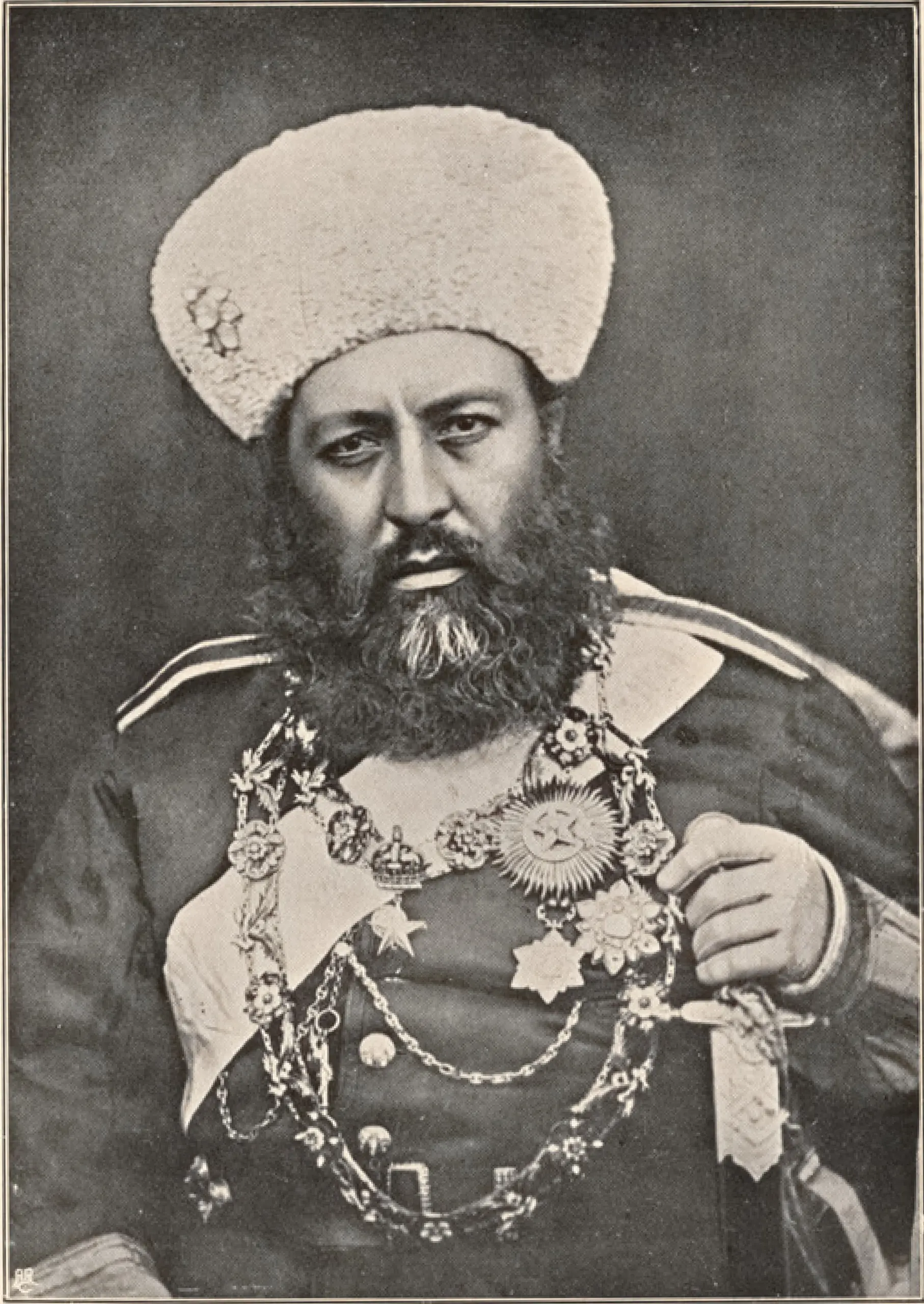
Abdullah Abdurahman
 South Africa
Also known as: Dr. Abdullah Abdurahman, The Bridge Builder
Birthday
December 18, 1872
Birth Sign
Sagittarius
Birthplace
Wellington, Cape Colony
Age
Died at 67
About
Abdullah Abdurahman was a pioneering South African physician and politician who made history as the first person of colour to be elected to any public body in South Africa. Born in Wellington into a family of Cape Malay descent, he earned his medical degree from the University of Glasgow before returning home to establish a successful practice in Cape Town. His professional success did not shield him from the systemic discrimination of the era, prompting his entry into politics where he became a tireless advocate for the Coloured community.
He served on the Cape Town City Council from 1904 until his death in 1940, representing some of the city's poorest wards. During this time, he led the African Political Organization (APO), fighting against disenfranchisement and rising segregationist policies. His unique dual role as a respected doctor and a political leader allowed him to bridge gaps in a deeply divided society, leaving a legacy that defined early anti-apartheid resistance.
Early Life & Background
Abdullah Abdurahman entered the world on December 18, 1872, in Wellington, located in the Cape Colony. He was born into a relatively affluent Muslim family of Cape Malay heritage, an environment that placed a high value on education and intellectual pursuit. His father had already set a precedent for academic achievement by graduating from the University of Glasgow, a path Abdullah would follow closely. This family background provided him with the resources and encouragement needed to seek advanced studies abroad when opportunities were scarce for people of colour in the region.
He traveled to Scotland to pursue his medical education, enrolling at the University of Glasgow. There he immersed himself in rigorous training, eventually graduating as a qualified medical doctor in 1893. Upon his return to South Africa, he settled in Cape Town and established a thriving medical practice. His clinical work brought him into contact with the harsh realities faced by the local population, particularly the Coloured community living in impoverished conditions. These experiences planted the seeds for his future political activism, transforming a private medical career into a public mission for social justice.
Career Growth
Abdullah Abdurahman's career broke new ground in both medicine and politics during the early twentieth century. In 1902, he founded the African Political Organization (APO) and assumed its presidency, creating a unified platform to defend the rights of the Coloured population against disenfranchisement. Two years later, in 1904, he achieved a historic milestone by becoming the first person of colour elected to the Cape Town City Council. This election was a rare occurrence in a colonial system increasingly hostile to non-white representation.
From 1905 until his death in 1940, he remained the primary political leader for South Africa's Coloured people. He used his position on the council to demand better sanitation, housing, and living conditions for the poorest wards he represented. His tenure spanned nearly forty years, during which he consistently challenged the entrenchment of racial laws. When he passed away in 1940 while still in office, no person of colour was elected to the Cape Town City Council again until the dismantling of apartheid decades later. His career stands as a singular period of representation that was abruptly cut short by the severity of segregationist backlash.
Career Timeline
Public Image & Style
Historical texts portray Abdullah Abdurahman as a dignified, tireless, and principled leader who commanded deep respect across racial lines. Media and historians describe him as a "pillar of resistance" and a "father figure" to the Coloured community, emphasizing his moral character over mere political ambition. His tone in speeches and writing was characterized by a blend of medical precision and political fervor, reflecting his background as a doctor. Unlike many contemporaries who relied on intimidation or exclusion, he utilized his status as a respected medical professional to gain credibility within the government, arguing for the rights of the marginalized with rationality and patience.
Fame & Fandom
The devotion surrounding Abdullah Abdurahman is distinct in its quiet, enduring nature, rooted not in modern fan rituals or digital campaigns but in the deep historical reverence of a community that remembers him as a singular pillar of resistance. Unlike contemporary icons who cultivate specific fandom names and organized chart pushes, Abdurahman's supporters are his descendants, academic scholars, and the citizens of Cape Town whose lives were shaped by his dual service as a physician and politician. There is no formal collective moniker for this group; their loyalty manifests through the preservation of his legacy and the ongoing study of his life rather than birthday billboards or subway ads. His influence persists because he stood alone for decades as the sole elected representative of people of color in South Africa, creating a void that historians still reference today. While there are no viral moments or stage performances to fuel a celebrity cult, the stories of his tireless advocacy against segregation serve as the bedrock of his mythology. These narratives are retold with the precision of historical fact, celebrating his role as a bridge builder who used his medical standing to fight for the poorest wards of Cape Town. The iFANN Global Fame Engine has evaluated his standing, noting that while his impact on civil rights is profound, he does not currently hold a placement in the published rankings. Abdullah Abdurahman is currently unranked in the Global Top 1,000 or any Top-100 scope list.
Interesting Facts and Legends
For several decades, Abdullah Abdurahman stood as the only elected representative of people of colour in the Cape Town City Council, making him a solitary voice for a vast demographic. His medical training gave him a unique perspective on public health issues, allowing him to argue that poor living conditions directly caused disease among the poor, a fact he leveraged to demand policy changes. A widely retold story highlights his lineage; his father was a graduate of the University of Glasgow, indicating a strong family tradition of higher education and international connection even in the late nineteenth century. Another notable aspect of his life involves the confusion often found in modern searches, where he is frequently mistaken for other figures named Abdul Rahman, yet his identity as the South African politician and physician remains distinct. Historians also note his title as a "bridge builder," reflecting his ability to navigate complex racial dynamics using his medical authority to challenge political decisions.
Family & Personal Life
Abdullah Abdurahman was married to Helen Abdurahman, and their union lasted until his death in 1940. They had children together, though specific names and biographical details about them are less frequently highlighted in general historical summaries compared to his extensive political work. As a devout Muslim, his faith played a central role in his personal life and community standing, influencing his values and approach to leadership. The couple lived in Cape Town, where they raised their family amidst his demanding schedule of medical practice and political advocacy. His marriage to Helen provided a stable foundation that supported his public service, and she is credited with supporting his career throughout his lifetime.
Notable Connections
Relationships & Dating History
Abdullah Abdurahman's romantic life was defined by a single, lifelong commitment to his wife, Helen Abdurahman. Their marriage took place in the late nineteenth or early twentieth century, though the exact date is not explicitly specified in available historical records. In the social context of the Cape Colony during that era, particularly among the Muslim community, marriages were typically formalized through traditional and religious protocols rather than public courtship narratives documented in media. Helen served as a steadfast partner throughout his career, supporting his dual roles as a physician and a political leader. The couple remained married until Abdullah's death in 1940, with no record of divorce or separation. They had children together, although specific details regarding their names and number are sparse in standard encyclopedic entries. His relationship with Helen was a private anchor for his public life, providing stability as he navigated the turbulent political landscape of early twentieth-century South Africa.
- MarriedHelen AbdurahmanUnknown - 1940Remained married until his death; they had children together.
Death & Aftermath
Died
February 2, 1940 (aged 67)
Death Place
Cape Town, Western Cape, South Africa
Cause of Death
Unspecified
The passing of Dr. Abdullah Abdurahman marked the end of an era for Coloured political leadership in South Africa, leaving a void that peers and institutions immediately acknowledged as a profound loss to the struggle against segregation. Tributes poured in honoring his four-decade tenure as President of the African People's Organisation and his historic role as the first person of colour elected to public office in the country. Contemporary accounts described him as a leading political voice whose absence left a significant gap in the fight for equality, cementing his legacy as a foundational figure in human rights campaigning. While specific details regarding the date, location, and attendees of his funeral are not included in the available records, it is historically consistent that his burial involved significant community participation given his status as a major political leader.
The precise medical etiology of his final days remains unconfirmed in the provided sources. He died on 2 February 1940 in Cape Town at the age of sixty-seven, concluding a forty-year career dedicated to advocating for the poor and the marginalized. In the decades since, his contributions have been preserved through scholarly efforts, including a definitive biography by Martin Plaut published by Jacana Media, and his name remains synonymous with the fight for equality in modern discussions of South African political history.
Net Worth (Estate Value)
$0
iFANN Editorial Team estimate
As a historical figure who passed away in 1940, there is no net worth data for 2026. Historical wealth estimates for figures of this era are speculative and rarely calculated in modern financial terms. While he was a successful doctor and likely owned property in Cape Town, no specific dollar figures or estate valuations are available in public records. His "wealth" is measured in his enduring political legacy and the respect of the communities he served.
Awards & Accolades
View 3 records, honours and achievementsKnown For
African Political Organization
1902 · Founder and President
Cape Town City Council
1904 · First Coloured Councillor
Keywords
Sources
Quick Facts
- Profession
- politician, physician
- Born
- December 18, 1872
- Birthplace
- Wellington, Cape Colony
- Died
- February 2, 1940
- Death Place
- Cape Town, Western Cape, South Africa
- Gender
- Male
- Spouse
- Helen Abdurahman
- Birth Sign
- Sagittarius
Personal Details
- Spouse
- Helen Abdurahman
- Education
- University of Glasgow
Frequently Asked Questions
Who was Abdullah Abdurahman?
When did Abdullah Abdurahman die?
What was Abdullah Abdurahman's profession?
Where was Abdullah Abdurahman born?
Did Abdullah Abdurahman have children?
Similar People
Join the community
fans discussing