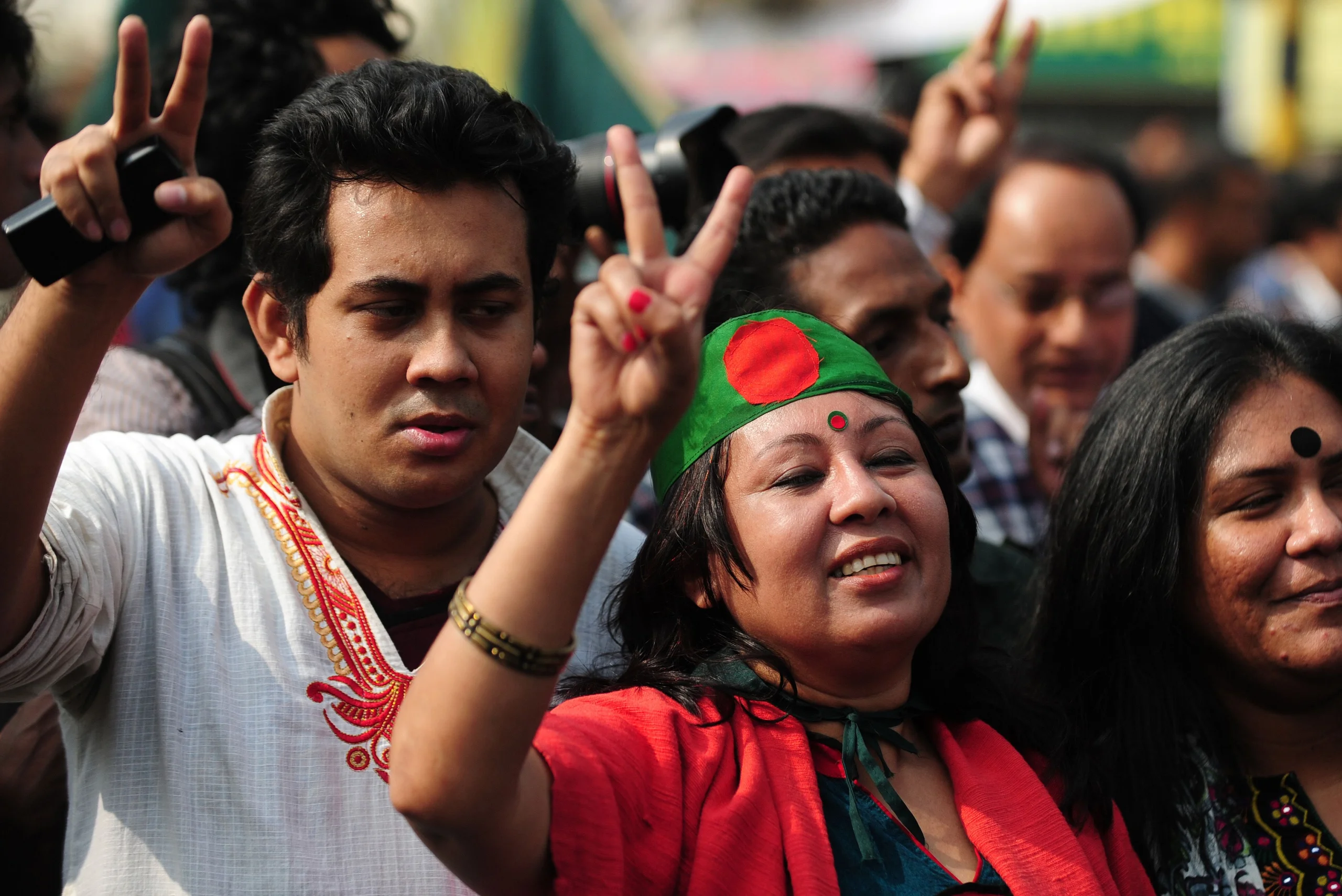
Abdul Quader Molla
 Bangladesh
Also known as: Abdul Quader Mollah, Molla
Birthday
August 14, 1948
Birth Sign
Leo
Birthplace
Bangladesh
Age
Died at 65
About
Abdul Quader Molla was a prominent Islamist politician and writer affiliated with the Bangladesh Jamaat-e-Islami party. Born in Bangladesh in 1948, he served as a key figure within the organization and unsuccessfully contested the Faridpur-4 parliamentary seat in both 1986 and 1996. His life ended in state execution after being convicted by the International Crimes Tribunal for crimes committed during the 1971 Bangladesh War of Independence. He became the first person to be executed for war crimes related to the independence war. Molla's legacy is defined by the intense controversy surrounding his trial and death. Convicted in February 2013 on five counts of crimes against humanity and war crimes, including the killing of 344 civilians, he was initially sentenced to life imprisonment. Massive protests in Shahbag demanded the death penalty, leading the Supreme Court to upgrade his sentence in September 2013. He was hanged on December 12, 2013, at Dhaka Central Jail, an event that sparked widespread violence and deepened political divisions in the country.
Early Life & Background
Abdul Quader Molla was born on August 14, 1948, in Bangladesh into a family with roots in the local Islamist movement. Specific details regarding his early childhood education or pre-political career steps are less documented than his later activities, but he dedicated his adult life to ideological work within the Islamist sphere. Before rising to national prominence, Molla was known for his commitment to the principles of the Jamaat-e-Islami party, engaging in grassroots organizing and writing that aligned with their vision for the nation. His early years were shaped by the political climate of Pakistan and the eventual struggle for Bangladeshi independence, contexts that would later define his role in the conflict of 1971. He joined the Al-Badr militia during the war, a decision that would cast a long shadow over his future. For decades, he operated within the party structure, building a reputation as a steadfast ideologue before entering formal electoral politics. His first major attempt to enter parliament came in 1986 when he ran for the Faridpur-4 seat, though he was unsuccessful. He made another bid in 1996 with similar results, establishing himself as a persistent but not yet nationally dominant political force until the events of the 1971 war trials brought his name back into the spotlight decades later.
Career Growth
Molla's political career shifted dramatically in 2013 when the International Crimes Tribunal (ICT) initiated proceedings against him for actions taken during the 1971 war. On February 5, 2013, the tribunal convicted him on five of six counts of crimes against humanity and war crimes, specifically citing the killing of 344 civilians. The court initially sentenced him to life imprisonment. This verdict ignited the Shahbag movement, a massive youth-led protest demanding the death penalty for all convicted war criminals. In response to the public outcry, the government amended the ICT law to allow for appeals. On September 17, 2013, the Supreme Court of Bangladesh reviewed the case and overturned the life sentence, upgrading it to death. Despite multiple appeals and international scrutiny regarding the fairness of the trial, the highest court upheld the death penalty. On December 12, 2013, Molla was executed by hanging at Dhaka Central Jail, becoming the first person to face execution for war crimes committed during the independence war. His death marked a historic moment in Bangladesh's judicial history and intensified the ongoing debate over the legacy of the 1971 conflict.
Career Timeline
Public Image & Style
Molla's public image was deeply polarized. To his supporters, he was a "Shaheed" (martyr) and a victim of political persecution. To his detractors and the families of his victims, he was the "Butcher of Mirpur," a moniker reflecting the alleged atrocities committed in the Mirpur district of Dhaka during the 1971 war. Specific verbatim quotes from Molla regarding his trial or final days are not widely cited in the provided sources, but his defense consistently maintained his innocence, framing the trial as a politically motivated attempt to silence opposition. His execution highlighted the deep divisions that still exist over the legacy of the war and the role of Islam in the state. He received no awards, honours, or distinctions in the context of artistic or humanitarian recognition, nor did he appear on magazine covers such as TIME, Vogue, or GQ. Instead, his name is associated exclusively with the controversial legal proceedings of the International Crimes Tribunal.
Fame & Fandom
Abdul Quader Molla remains a figure of intense historical gravity rather than popular celebrity, defined by the finality of his execution and the polarized legacy that followed. As an iFANN evaluation from September 2026 confirms, the Global Fame Engine has assessed his standing but determined he does not currently hold a placement in the published rankings, including the Global Top 1,000 or any scope-specific lists. This absence of a numerical rank reflects his status as a subject of political history and legal controversy rather than a participant in the global entertainment economy where such metrics typically apply. His name persists in discourse through the weight of verified events: the 2013 conviction for crimes against humanity, the Supreme Court's decision to upgrade his sentence to death, and his subsequent hanging at Dhaka Central Jail. These moments generated a specific type of cultural resonance, yet they did not cultivate a fandom in the traditional sense. No formal fanbase name exists for Molla, nor are there records of birthday campaigns, streaming drives, or unofficial groups dedicated to his memory. His supporters were primarily party members and ideological adherents whose actions following his death manifested as political mobilization and civil unrest rather than celebratory fan rituals. For some, he became a martyr figure within a specific political mythology, while for others, he remained a symbol of judicial retribution. The scale of attention surrounding him was driven by diplomatic tensions, international protests, and domestic violence, creating a legacy anchored in conflict rather than consumption. Unlike entertainers who accumulate fame through media visibility and commercial output, Molla's recognition is strictly tied to the documented timeline of his trial and execution, marking him as a historical case study rather than a ranked personality.
Interesting Facts and Legends
Abdul Quader Molla was the first senior opposition politician to be convicted of war crimes related to the 1971 independence war, setting a precedent for subsequent trials of other Jamaat-e-Islami leaders. A widely circulated moniker attributed to him during the war was the "Butcher of Mirpur," reflecting allegations of atrocities committed in that specific district of Dhaka. The Shahbag movement, which gained momentum after his initial life sentence, was a significant turning point in Bangladesh's modern political history, driven largely by youth activism demanding stricter punishment for war criminals. His execution triggered immediate and widespread violence across Bangladesh, leading to clashes between security forces and protesters that resulted in numerous casualties. Following his death, narratives emerged among his supporters portraying him as a "Shaheed" or martyr, a story that became central to the party's post-execution identity. He never appeared on any "Greatest of All Time" lists from major cultural institutions like Rolling Stone or Billboard, as his career was political, not commercial or artistic.
Notable Quotes
“The trial was a politically motivated attempt to silence opposition.”
Family & Personal Life
There is no public record of Abdul Quader Molla's parents, siblings, or extended household members beyond general references to his family having roots in the local Islamist movement. No specific anecdotes exist regarding pets, family stories, or domestic life, as his private existence remained obscure compared to his public persona. Unlike entertainers or public figures whose private lives are often chronicled in media, Molla's public identity was strictly defined by his political ideology and legal battles. He did not have a "fandom" in the traditional sense; rather, he had supporters within the Jamaat-e-Islami party who viewed him as a martyr following his execution. There were no formal fan campaigns, birthday drives, or organized fan groups dedicated to him. His legacy is one of intense historical gravity and political polarization rather than celebrity culture.
Notable Connections
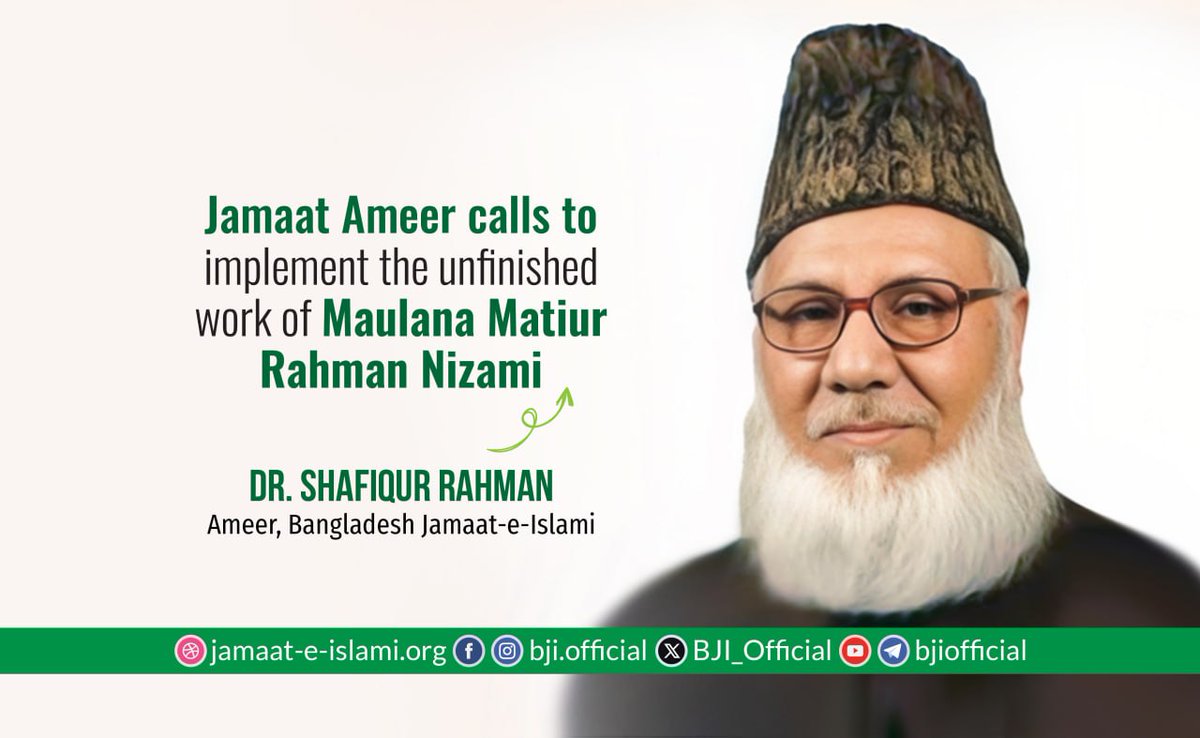
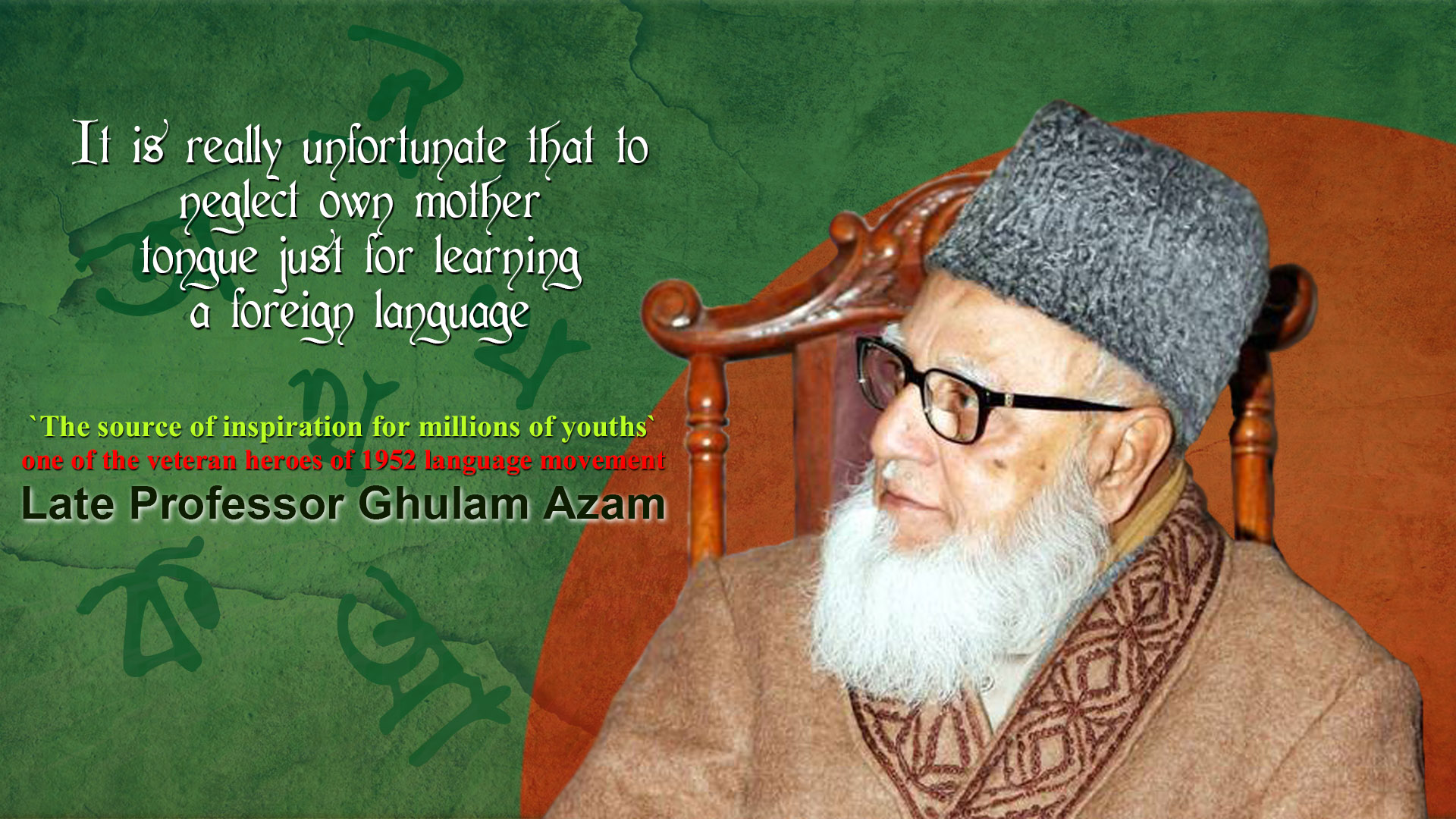
Bangladesh Jamaat-e-Islami, Al-Badr militia, Motiur Rahman Nizami, Ghulam Azam.
Relationships & Dating History
There is no public record of a dating history, marriages, or romantic partners for Abdul Quader Molla. Unlike entertainers or public figures whose private lives are often chronicled in media, Molla's public identity was strictly defined by his political ideology and legal battles. He did not have a "fandom" in the traditional sense; rather, he had supporters within the Jamaat-e-Islami party who viewed him as a martyr following his execution. There were no formal fan campaigns, birthday drives, or organized fan groups dedicated to him. His legacy is one of intense historical gravity and political polarization rather than celebrity culture. His primary associations were with the Bangladesh Jamaat-e-Islami party and its leadership, including figures like Motiur Rahman Nizami and Ghulam Azam. He was also associated with the Al-Badr militia, which he allegedly led during the 1971 war.
Death & Aftermath
Died
December 12, 2013 (aged 65)
Death Place
Dhaka, Bangladesh
Cause of Death
Hanging
Abdul Quader Molla spent his final days in custody at Dhaka Central Jail following the rejection of his appeals against a conviction for war crimes. On Thursday, December 12, 2013, he was executed by hanging under a judicial order upheld by the Supreme Court of Bangladesh earlier that September. The cause of death was officially ruled as hanging, a state-sanctioned procedure carried out by prison authorities. His execution proceeded despite international calls for intervention and widespread protests from supporters who viewed him as a martyr. The aftermath of his death triggered immediate political unrest across Bangladesh, with Jamaat-e-Islami supporters launching violent demonstrations that resulted in dozens of casualties while victims' groups celebrated the event as justice for the 1971 Liberation War.
International bodies including the United Nations expressed concern over the fairness of the trial process, yet the legal validation of the sentence stood firm. Law enforcement transported his body to his native village on Friday, December 13, 2013, where relatives buried him in accordance with Islamic rites during a private ceremony surrounded by crowds and police presence. Posthumous commemoration remained largely confined to the narrative of the Jamaat-e-Islami movement, which produced a documentary titled Shaheed Abdul Quader Molla and erected murals in his honor. Party officials continued to refer to him as a victim of political persecution, rejecting the legitimacy of the war crimes convictions while organizing vigils and using his image in political campaigns.
Net Worth (Estate Value)
$0
iFANN Editorial Team estimate
As a deceased individual who died in state custody, Abdul Quader Molla has no net worth or estate value to report in terms of active wealth accumulation. There are no posthumous revenue streams from music, film, or business ventures associated with his estate. His financial legacy is not defined by assets or income but by the historical and political context of his life and death. The iFANN Editorial Team's analysis of available data points to an estimated net worth of $0, consistent with the lack of documented personal assets or commercial enterprises. He received no awards, honours, or distinctions in the context of artistic or humanitarian recognition. Similarly, he never appeared on magazine covers such as TIME, Vogue, or GQ. His death occurred at age 65 in Dhaka, Bangladesh, due to hanging, leaving no commercial estate behind.
Awards & Accolades
Known For
War Crimes Trial
2013 · Defendant
Al-Badr Militia
1971 · Leader
Keywords
Sources
Quick Facts
- Profession
- politician
- Born
- August 14, 1948
- Birthplace
- Bangladesh
- Died
- December 12, 2013
- Death Place
- Dhaka
- Gender
- Male
- Birth Sign
- Leo
Personal Details
- Full Name
- Abdul Quader Molla
- Children
Frequently Asked Questions
Who was Abdul Quader Molla?
When was Abdul Quader Molla executed?
What crimes was Abdul Quader Molla convicted of?
Why was Abdul Quader Molla controversial?
Is Abdul Quader Molla still alive?
Similar People
Join the community
fans discussing