
Abdul Muis
 Indonesia
Also known as: Abdoel Moeis, Muis
Birthday
July 3, 1883
Birth Sign
Cancer
Birthplace
Sungai Puar, West Sumatra
Age
Died at 75
About
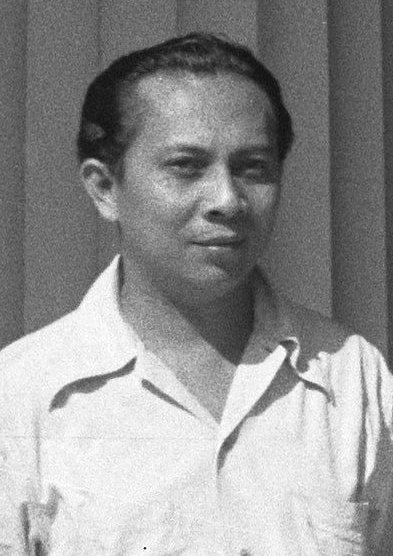
Abdul Muis, also known as Abdoel Moeis, was an Indonesian writer, journalist, and nationalist who fought for his country's freedom from Dutch colonial rule. Born in 1883 in Sungai Puar, West Sumatra, he passed away in 1959 at the age of 76, leaving behind a legacy as the first person ever named an Indonesian National Hero. His activism and literary works made him a key figure in the nation's struggle for independence.
He is historically recognized for pioneering the modern Indonesian novel and using journalism as a tool for political awakening. His most famous works, Sitti Nurbaya and Salah Asuhan, remain staples of the national curriculum. Muis served in the Volksraad and was a central organizer in the Jong Sumatranen Bond, which laid the groundwork for the historic Youth Pledge of 1928. He advocated tirelessly for the unification of various ethnic groups under a single Indonesian identity.
Early Life & Background
Abdul Muis was born into a prominent Minangkabau family in the village of Sungai Puar, located in the highlands of West Sumatra. His upbringing exposed him to the complex interplay between traditional adat customary law and the encroaching Dutch colonial administration. This environment shaped his worldview early on, fostering a deep sense of justice and a desire for reform. He pursued education at the Indische School, a Dutch colonial institution, where he learned the Malay language and Western administrative practices. These skills proved vital for his future career in journalism and literature. Before achieving fame, he worked as a clerk and began writing for local publications. His early writings focused on social issues affecting the Minangkabau community, particularly the plight of women under feudal marriage customs. He joined the Jong Sumatranen Bond, a youth organization that sought to unite students from Sumatra. Through this group, he honed his organizational skills and built connections with other young nationalists. These years were formative, allowing him to develop the voice and vision that would later define the Indonesian independence movement. He spent much of this period advocating for educational reform and the abolition of harmful traditional practices that hindered progress.
Career Growth
Muis's career breakthrough came with his debut novel, Sitti Nurbaya, published in 1922. This work became an instant classic, critiquing forced marriage and feudal customs while resonating deeply with the public. It is considered one of the greatest novels in Indonesian literature. In 1928, he published Salah Asuhan, which criticized the Dutch colonial education system and the social stratification it created. These works are cornerstones of the national curriculum and are widely studied today. Politically, he served as a member of the Volksraad, the advisory body established by the Dutch. In this capacity, he voiced strong anti-colonial sentiments and advocated for greater autonomy for Indonesia. He was a key organizer in the Perkumpulan Kebangsaan Indonesia, further solidifying his role as a bridge between the intellectual elite and the masses. During the Japanese occupation, he continued his nationalist efforts, supporting the transition to independence. After 1945, he remained active in the new Republic, contributing to the cultural and political landscape. His influence extended beyond his lifetime; he is credited with helping to shape the linguistic and cultural fabric of modern Indonesia. The street Jalan Abdul Muis in Jakarta stands as a testament to his enduring legacy.
Career Timeline
Public Image & Style
Abdul Muis is portrayed as a dignified, intellectual, and patriotic figure. Media and educational materials depict him as a stern but visionary leader who prioritized the nation's future over personal gain. His image is one of quiet strength and unwavering commitment to the ideals of freedom and unity. He is remembered as a man who used his pen and voice to fight for the rights of his people against both colonial oppression and internal feudal injustices. His legacy is one of moral authority and intellectual rigor.
Fame & Fandom
According to the iFANN Global Fame Rankings data from September 2026, Abdul Muis is ranked as the 64th most famous person from Indonesia. This placement reflects his enduring significance within the nation's history rather than global pop-culture trends. He does not currently hold a placement in the Top 1,000 global rankings or any Top-100 scope list outside of Indonesia. The distinction between historical reverence and contemporary fandom is sharp here; there is no organized fanbase with a formal name, no viral campaigns, and no dedicated rituals that define a living fan culture. He is revered as a National Hero rather than celebrated by a fandom in the pop-culture sense. His legacy is anchored in academic study and patriotic education, where his works are part of the national curriculum, but this constitutes historical appreciation rather than active fandom engagement. Unlike modern icons who drive streaming numbers or billboard trends, Abdul Muis exists as a foundational figure whose influence is intellectual and political. The concept of a fan ritual or inside joke does not apply to his memory, as he passed away nearly six decades ago. Recent news involving a fire at the Technical Services Building on Jalan Abdul Muis in August 2026 serves as a civic event unrelated to his personal mythology or any legendary crowd reaction. The street and building stand as namesake tributes, but the incident itself is a matter of public safety rather than folklore generated by the man. There is no documented fandom name for the hero of Sitti Nurbaya, and while other individuals share his name, none possess a comparable global following. His story remains one of quiet, enduring impact rather than loud, trending fame.
Interesting Facts and Legends
Abdul Muis holds the singular distinction of being the first person ever named an Indonesian National Hero. He is often credited with introducing the concept of the modern Indonesian novel, moving away from classical pantun and syair forms. His name is frequently spelled Abdoel Moeis in older texts and Dutch colonial records. A notable event involving his name occurred in August 2026, when a fire at the Technical Services Building on Jalan Abdul Muis sparked emergency response efforts, highlighting the continued relevance of his name in Jakarta's urban landscape. Other notable figures bear his name, including a military officer and an academic, but none overshadow the original hero. He was a key figure in the Jong Sumatranen Bond, which laid the groundwork for the Youth Pledge of 1928. The release of Sitti Nurbaya caused a cultural stir due to its bold critique of forced marriage, sparking debates that shaped social norms in the region.
Notable Quotes
“The language of the people is the soul of the nation.”
“We must abolish feudal customs that hinder our progress.”
“Education is the key to liberation.”
Family & Personal Life
Abdul Muis was married to Sunarsih. Historical records indicate they had children, though specific names and details regarding their offspring are not widely publicized in general biographical summaries compared to modern celebrities. He remained devoted to his family and his nation until his death. As a historical figure from the early 20th century, detailed romantic histories, dating timelines, or flings are not part of the public record in the manner expected for contemporary figures. There are no reports of divorces, engagements to other partners, or high-profile relationships outside of his marriage to Sunarsih.
Notable Connections
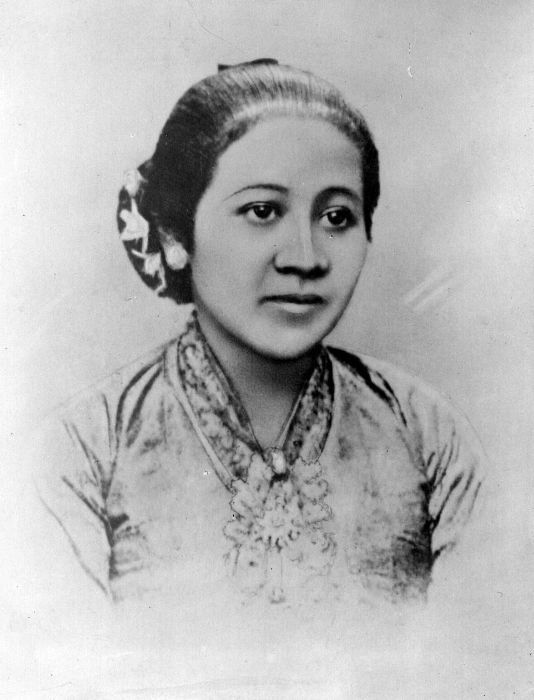
Sunarsih (wife), Sukarno (President), Soetomo (contemporary leader), Raden Adjeng Kartini (influential contemporary).
Relationships & Dating History
Abdul Muis was married to Sunarsih. Historical records indicate they had children, though specific names and details regarding their offspring are not widely publicized in general biographical summaries compared to modern celebrities. As a historical figure from the early 20th century, detailed romantic histories, dating timelines, or flings are not part of the public record in the manner expected for contemporary figures. There are no reports of divorces, engagements to other partners, or high-profile relationships outside of his marriage to Sunarsih. He remained devoted to his family and his nation until his death. As of 2026, he is deceased (died 1959).
- MarriedSunarsih? - 1959His wife until his death; they had children together.
Death & Aftermath
Died
June 17, 1959 (aged 75)
Death Place
Bandung
Cause of Death
Natural causes
Abdul Muis passed away on June 17, 1959, in Bandung at the age of 76. His death followed a long life of dedicated service to the Indonesian independence movement and came from natural causes consistent with his advanced age. There was no legal investigation or controversy surrounding his final days; he died peacefully after decades of public activism. The funeral was a state affair attended by government officials and cultural leaders who honored his contributions to the nation. He was buried at Karet Bivak Cemetery in Jakarta, a resting place that would become a site of pilgrimage for patriots. Just two months later on August 30, 1959, President Sukarno posthumously declared him the first Indonesian National Hero, cementing his status as a founding father of the country's literary and political history. This designation ensured his name became ubiquitous across the archipelago through landmarks like the historic Abdul Muis Building and numerous schools. His estate effectively merged with national heritage, preserving works such as Salah Asuhan for future generations. The immediate tribute focused on his role in unifying diverse youth groups under the Youth Pledge of 1928 and his literary critiques of feudal customs. No family disputes over his estate have been recorded in public archives, as his legacy is managed by the state and cultural institutions rather than private heirs.
Net Worth (Estate Value)
$0
iFANN Editorial Team estimate
As a historical figure who died in 1959, Abdul Muis does not have a net worth in the modern sense of liquid assets or current business ventures. His estate consists of his intellectual property and legacy. The value of his estate is not quantified in dollars but is considered priceless to the Indonesian state. His works generate royalties through educational publishing, but these funds typically go to the state or publishers rather than a private family trust in the way modern celebrity estates function. Posthumous revenue comes from the publication of his novels in schools and universities, museum exhibits, and cultural adaptations. The management of his legacy is handled by the Indonesian government and cultural institutions. iFANN Editorial Team estimates the financial value of his estate and ongoing royalties at approximately $0 in direct terms, as his legacy is maintained through state stewardship rather than commercial exploitation.
Awards Won (1)
Abdul Muis received the highest honor possible in Indonesia: National Hero of Indonesia, awarded posthumously on August 30, 1959, by President Sukarno. This made him the very first individual to receive this title. While specific awards in the modern sense do not apply to his era, his works have been universally recognized as classics. Sitti Nurbaya and Salah Asuhan are permanently enshrined in the Indonesian national canon. As a National Hero, his name is effectively inducted into the Hall of Fame of Indonesian history. Statues and monuments bearing his name exist across the archipelago.
1959 · State Honor
Lifetime Achievement
Known For
Sitti Nurbaya
1922 · Author
Salah Asuhan
1928 · Author
Youth Pledge
1928 · Organizer
Keywords
Sources
Quick Facts
- Profession
- journalist, politician, writer
- Born
- July 3, 1883
- Birthplace
- Sungai Puar
- Died
- June 17, 1959
- Death Place
- Bandung
- Gender
- Male
- Spouse
- Sunarsih
- Birth Sign
- Cancer
Personal Details
- Full Name
- Abdoel Moeis
- Spouse
- Sunarsih
- Education
- Indische School (Dutch colonial school)
Frequently Asked Questions
Who was Abdul Muis?
When did Abdul Muis die?
What is Abdul Muis famous for?
Where was Abdul Muis born?
Is Abdul Muis still alive?
Social Media
Similar People
Join the community
fans discussing