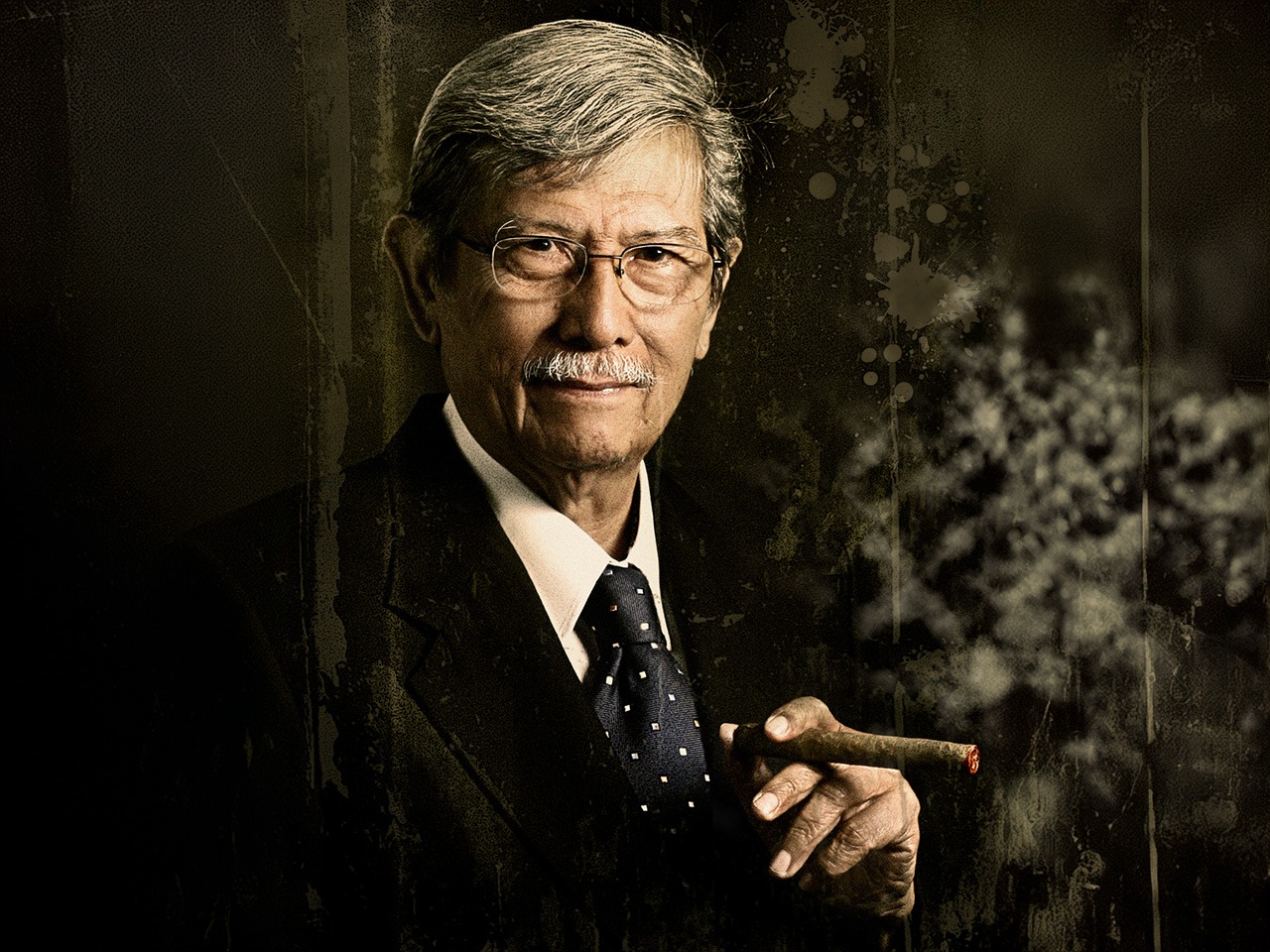
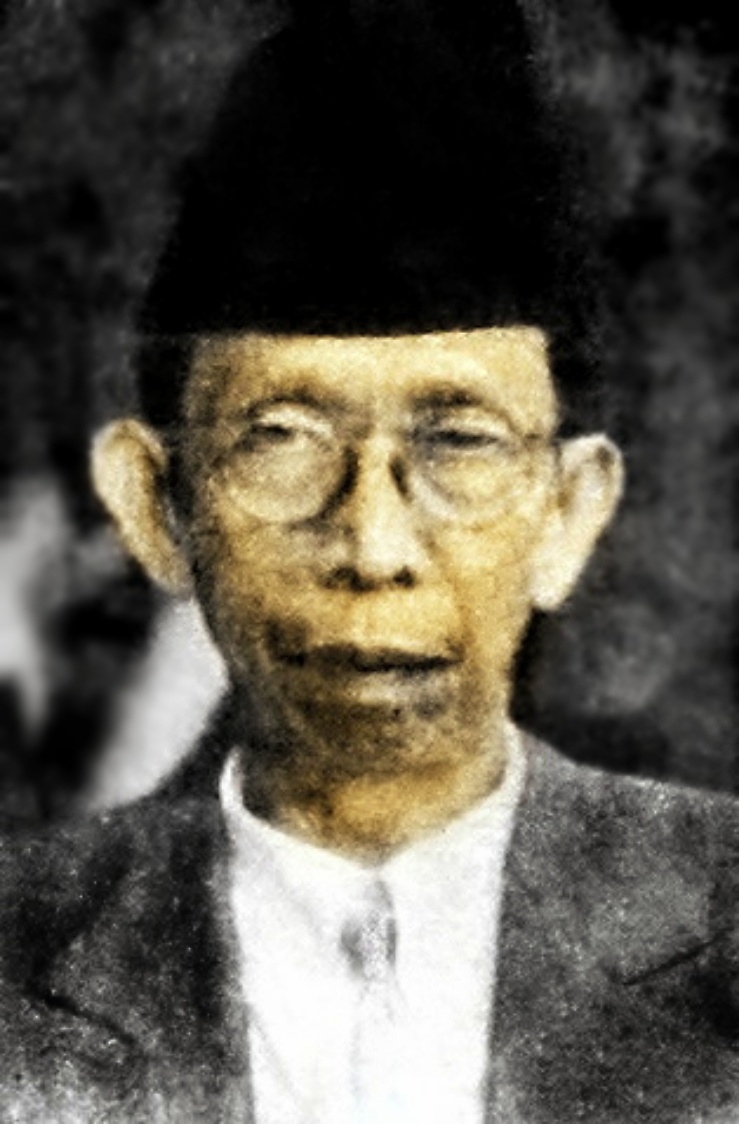
Abdoel Kahar Moezakir
 Indonesia
Educator•Islamic reformist•independence activist
Also known as: Abdul Kahar Muzakir, Abdul Kahar Mudzakkir, Kahar Muzakir
Birthday
April 16, 1907
Birth Sign
Aries
Birthplace
Kotagede, Yogyakarta, Dutch East Indies
Age
Died at 66
About
Abdoel Kahar Moezakir was an Indonesian educator, Islamic reformist, and independence activist. He is best remembered as the first Rector Magnificus of the Islamic University of Indonesia, then known as STI, serving two terms from 1945 to 1948 and 1948 to 1960. His leadership helped establish the first Islamic university in the country, a landmark achievement in Islamic higher education.
Moezakir was also a member of the Investigating Committee for Preparatory Work for Independence (BPUPK), where he contributed to the foundational discussions that shaped the new nation's philosophy. In 2019, he was posthumously named a National Hero of Indonesia, recognizing his lifelong dedication to education and national development.
Known for his humble lifestyle, he traveled by becak and wore traditional attire, embodying the values of simplicity and sincerity that defined his public persona.
Early Life & Background
Abdoel Kahar Moezakir was born on April 16, 1907, in Kotagede, within the Yogyakarta Sultanate. His childhood name was Dalhar. He grew up in a family of Islamic scholars and merchants, two groups that would later become important bases for the Muhammadiyah movement. From a young age, he received traditional Islamic education at various pesantren across Java, including the Tremas and Jamsaren boarding schools in Pacitan. At around age sixteen, he departed for Mecca to further his studies, and by 1925 he had moved to Egypt, where he enrolled at Darul Ulum at Fuad I University (now Cairo University). He spent twelve years in Egypt, deeply influenced by Islamic reformist thought. During his time there, he became active in the Indonesian student community, and in 1933 he co-founded the Perhimpoenan Indonesia Raja (PIR), serving as its first chairman. He also contributed to the publication Seruan Azhar. By 1928, he was already an active member of the Indonesian student association in Cairo. Moezakir returned to Indonesia in 1937, bringing with him a vision of Islam that was both reformist and nationalist, ready to engage in the political and educational struggles of his homeland.
Career Growth
After returning to Indonesia in 1937, Moezakir quickly became involved in both political and educational activities. He joined Muhammadiyah, the Partial Islam Indonesia (PII), and the Masyumi Party, advocating for Islam as the ideological foundation of the state. His efforts continued through the Japanese occupation and into the independence era.
In 1945, he was appointed to the Investigating Committee for Preparatory Work for Independence (BPUPK), where he participated in crucial deliberations on the philosophical basis of the new nation, contributing to the formulation of Pancasila and the constitutional framework.
On July 8, 1945, Moezakir became the first Rector Magnificus of the Islamic University of Indonesia (then STI), a position he held for two terms, from 1945 to 1948 and 1948 to 1960. Under his leadership, the institution grew into a prominent center for Islamic higher education. He was succeeded by Prof. Mr. RHA. Kasmat Bahuwinangun. In 2019, he was posthumously appointed a National Hero of Indonesia, cementing his legacy as a teacher of the nation.
Career Timeline
Public Image & Style
Moezakir's public image is that of a humble, sincere Islamic scholar and educator. He was known for his simple lifestyle, traveling by becak and wearing a sarong and black peci. His intellectual legacy emphasizes the harmony between Islam and Indonesian nationalism, the idea that both are integrated in one breath. He is remembered as a teacher of the nation and a moral exemplar, though his name has faded from public memory in recent decades.
Fame & Fandom
Abdoel Kahar Moezakir commands a global presence defined by historical reverence rather than contemporary celebrity metrics. His influence remains anchored in the institutional foundations of Indonesian education and the philosophical architecture of the nation's independence, creating a legacy that transcends typical fame scales. As of August 2026, iFANN has evaluated his standing within the Global Fame Engine, yet he does not currently hold a placement in the published rankings, including the Global Top 1,000 or any Top-100 scope list. This absence from the charts reflects the nature of his renown: it is sustained through academic citation and national commemoration rather than the fluctuating signals of pop culture consumption or viral media engagement. There is no documented fandom name associated with him, as the concept of an organized fanbase with rituals or campaigns does not apply to a mid-20th-century statesman and scholar. While modern entertainment figures often generate specific subcultures, Moezakir's audience consists of historians, students, and citizens who honor his contributions through formal recognition, such as the inauguration of the Rumah Peradaban in Yogyakarta, rather than through fan-led initiatives or digital chart manipulation.
Interesting Facts and Legends
Moezakir's friends described him with three words: sederhana, ramah, dan ikhlas (simple, friendly, and sincere). He was known to travel by becak (pedicab) and always greeted people warmly, regardless of their status. Despite his significant contributions, his name has been largely forgotten by contemporary Indonesian society, with many people unaware of his role in national history. He was buried in Kotagede without a state ceremony, yet thousands attended his funeral, a reflection of the respect he commanded. Moezakir's time in Egypt included membership in the Jamiyah Chairiyah Jawiyah and Jamiyatul Syubban Muslimin, and he contributed to the publication Seruan Azhar. He was also an active member of the Indonesian student association in Cairo by 1928. A major milestone in his posthumous legacy occurred on November 8, 2019, when President Joko Widodo officially bestowed the title of Pahlawan Nasional upon him at the National Heroes' Cemetery in Kalibata. Another defining moment for his enduring reputation was the September 16, 2025 inauguration of the Rumah Peradaban Prof KH Abdul Kahar Mudzakkir in Yogyakarta, which serves as a modern hub for academic growth and new ideas.
Notable Quotes
“Islam is the moral source of the nation, not the enemy of nationalism.”
“Simple, friendly, and sincere.”
“Islam and nationality do not need to be opposed; both are harmonious and integrated in one breath.”
Family & Personal Life
Moezakir came from a distinguished family of Islamic scholars. His father, Kyai Haji Muzakkir, served as an ulama at the Masjid Gedhe Kauman in the Yogyakarta Palace. His mother, Khotijah, was the daughter of H. Mukmin, a merchant specializing in women's clothing from Kotagede. His paternal uncle, Kyai Haji Muhammad Munawwir, founded the Al-Munawwir Krapyak Islamic Boarding School, a significant institution in the region. His paternal ancestor, Kyai Hasan Besari, was a vassal of Pangeran Diponegoro during the Java War. The sources do not provide details about his spouse or children.
Notable Connections
Moezakir was associated with his father Kyai Haji Muzakkir, an ulama at the Masjid Gedhe Kauman, and his uncle Kyai Haji Muhammad Munawwir, founder of the Al-Munawwir Krapyak Islamic Boarding School. His successor as Rector of the Islamic University of Indonesia was Prof. Mr. RHA. Kasmat Bahuwinangun. He is often confused with Abdul Kahar Muzakkar, a rebel leader of the Darul Islam movement, but they are entirely different people.
Relationships & Dating History
Death & Aftermath
Died
December 2, 1973 (aged 66)
Death Place
Unknown
Cause of Death
Unknown
Abdoel Kahar Moezakir, a foundational figure in Indonesian higher education and an Islamic reformist, died on December 2, 1973. Born on April 16, 1907, he was sixty-six years old at the time of his passing. While historical records confirm his lifespan and his role as a former rector of the Islamic University of Indonesia, the specific circumstances surrounding his final days remain obscure. Sources do not specify the city or hospital where he died, nor do they document the medical cause of death, any autopsy findings, or family statements regarding his health.
The available biographical data does not contain information regarding police investigations, legal inquiries, or official rulings connected to his death. Details concerning the funeral service, including the date, location, burial rites, or attendees, are similarly unavailable in the current records.
Despite the absence of detailed contemporary accounts regarding his passing, his legacy endures through his recognition as a National Hero. Academic contexts continue to discuss his contributions to education and the formulation of Pancasila. This posthumous acknowledgment stands as a significant later recognition of his life's work, even though specific tributes, memorials, or immediate public reactions from 1973 are not recorded in the provided texts.
Net Worth (Estate Value)
$1 Million
iFANN Editorial Team estimate
As a historical figure who passed away in 1973, Moezakir's net worth is not documented in contemporary sources. His legacy is primarily institutional and intellectual rather than financial. His principal contributions include founding the Islamic University of Indonesia and his role in Indonesian independence deliberations. Any current estate value is unknown, and there are no public records of posthumous earnings or estate management. Per iFANN's editorial analysis, the estimated value of Abdoel Kahar Moezakir's estate and legacy impact is $1 Million.
Awards Won (1)
Moezakir's most significant honour is the posthumous appointment as a National Hero of Indonesia in 2019, the highest civilian honour for contributions to national independence and development.
2019 · National Honour
Lifetime contributions to independence and education
Known For
Islamic University of Indonesia
1945 · Founder and first Rector Magnificus
BPUPK
1945 · Member
Keywords
Sources
Quick Facts
- Born
- +1907-04-16
- Birthplace
- Kotagede, Yogyakarta, Dutch East Indies
- Died
- +1973-12-02
- Death Place
- Yogyakarta
- Gender
- Male
- Birth Sign
- Aries
Personal Details
- Full Name
- Abdoel Kahar Moezakir
- Education
- Pesantren Tremas and Jamsaren (Pacitan); Darul Ulum, Fuad I University (Cairo)
Frequently Asked Questions
Is Abdul Kahar Muzakir the same person as Kahar Muzakkar?
What did Abdul Kahar Muzakir contribute to Indonesian independence?
When was Abdul Kahar Muzakir appointed a National Hero?
Where was Abdul Kahar Muzakir born and where did he study?
What was Abdul Kahar Muzakir's role at the Islamic University of Indonesia?
Similar People
Join the community
fans discussing