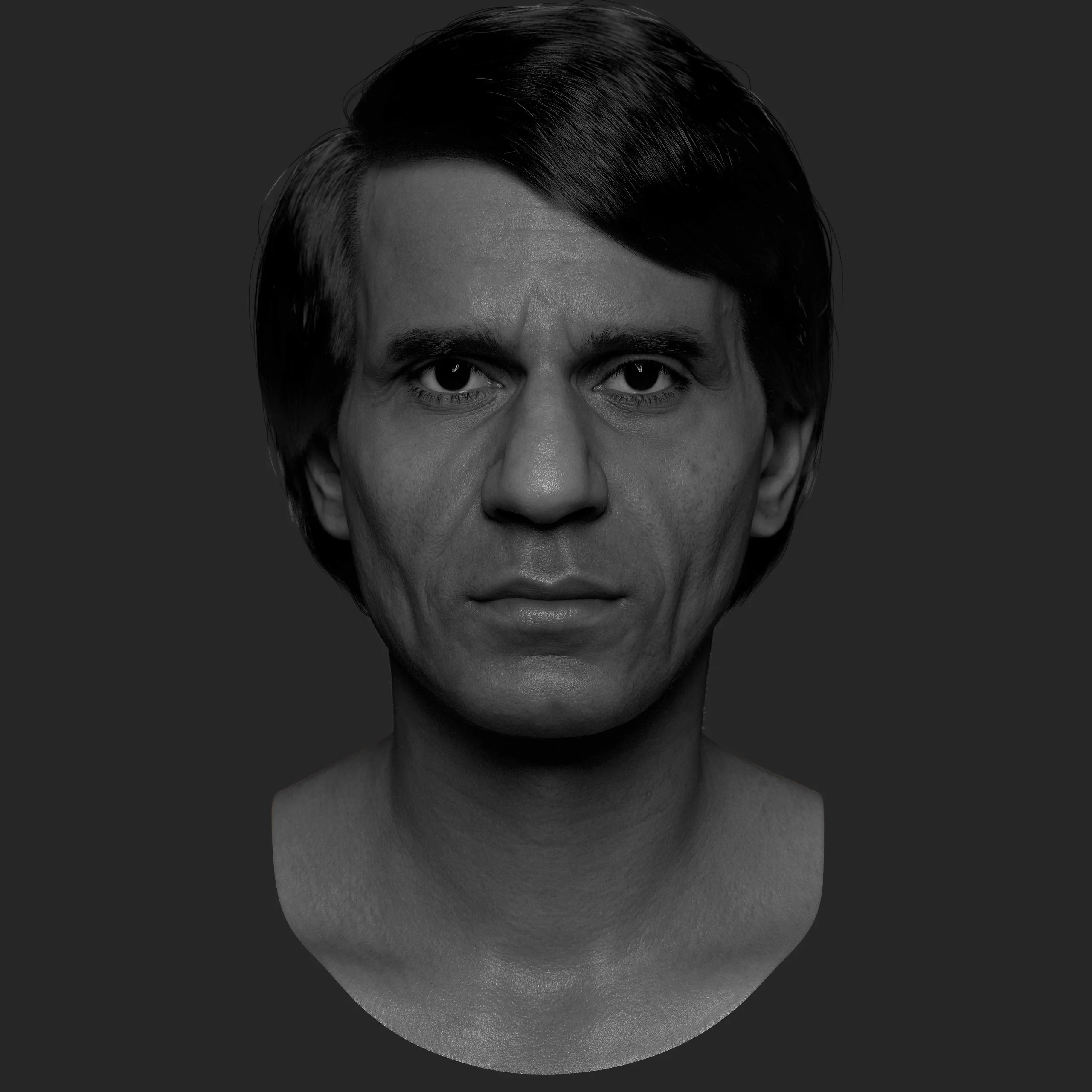
Abdelhalim Hafez
 Egypt
EgyptAlso known as: Abdel Halim Ali Shabana, El-Andaleeb el-Asmar
Birthday
June 21, 1929
Birth Sign
Sagittarius
Birthplace
El-Halawat, Kafr El Sheikh Governorate, Egypt
Age
Died at 47
Height
5 ft 10 in (178 cm)
About
Abdel Halim Hafez was an Egyptian singer, actor, and composer who became one of the most influential cultural figures in Arab history. Born Abdel Halim Ali Shabana, he is affectionately known as el-Andaleeb el-Asmar, or The Brown-Skinned Nightingale. His career spanned nearly thirty years, during which he released over 80 million records and starred in sixteen films. He blended traditional Arabic melodies with modern orchestration, creating a sound that resonated deeply across the Middle East and North Africa.
Hafez's dual success in music and cinema made him a unique icon. He did not just perform songs; he embodied them through leading roles in romantic dramas that often showcased his vocal talents. Even decades after his death, his work remains a cornerstone of Arab artistic identity, celebrated for its emotional depth and technical mastery.
Early Life & Background
Born into a modest farming family in the village of El-Halawat, Hafez showed early promise in music by singing religious hymns and folk songs at local gatherings. He moved to Cairo to attend the Faculty of Arts at Cairo University, where he studied literature. Although he pursued academic studies, his passion for performance quickly overshadowed his degree requirements. Before achieving stardom, he worked as a radio announcer and performed in small venues around the city, honing his craft away from the public eye.
His breakthrough arrived in 1953 when he was discovered by the legendary composer Mohamed Abdel Wahab. Wahab invited the young singer to record his debut single, Ahwak (I Love You). The song became an instant sensation, launching Hafez into the stratosphere of fame. This moment marked the transition from a talented amateur to a professional star destined to dominate the Arab entertainment landscape.
Career Growth
Hafez's career exploded after the release of Ahwak in 1953. By 1955, he had already starred in his first film, Layali el Hub (Nights of Love), alongside Faten Hamama, establishing himself as a leading man in Egyptian cinema. Throughout the 1950s and 1960s, he collaborated with top composers like Baligh Hamdi and Zakariya Ahmed to produce a vast catalog of romantic and patriotic hits including Zay El Hawa, Enta Omri, and Qamar.
In the 1970s, he expanded his influence beyond performance into business ventures and film production. His ability to sing in multiple dialects allowed him to connect with audiences throughout the entire Arab world. Even after his passing in 1977, his recordings continued to sell millions of copies, and his films remained popular staples in theaters. His musical style influenced countless artists who followed, cementing his status as a master of Arabic song.
Career Timeline
Public Image & Style
Hafez projected an image of sincerity and authenticity that resonated deeply with the Arab public. He was portrayed as a humble artist who prioritized his craft over fame, often appearing in simple attire that reflected his rural roots. His voice carried a distinct warmth and emotional vulnerability that set him apart from contemporaries. Media coverage consistently highlighted his dedication to the people rather than the elite, making him a beloved figure across all social classes.
Fame & Fandom
Abdelhalim Hafez maintains a presence in global attention that spans decades, with his cultural footprint tracked across media coverage and consumption signals worldwide. The iFANN Global Fame Rankings confirm his standing as the 14th most famous person in Egypt and the 48th most famous person from Egypt. These positions held steady through the September 2026 cycle. While his fanbase lacks a single official moniker like those found among modern pop stars, devotees identify themselves through shared reverence for his titles, often referring to themselves as lovers of the Nightingale or simply followers of Halim.
This community remains highly organized despite operating through decentralized groups rather than a central corporate entity. Digital channels sustain significant reach, with official music archives drawing millions of views and streaming platforms recording hundreds of thousands of monthly listeners. The family acts as a gatekeeper for this legacy, intervening in commercial tributes and regulating access to his former residence in Zamalek to preserve the sanctity of his memory. Recent incidents involving visitors at his home have led to stricter protocols, reflecting a shift toward disciplined reverence rather than casual adoration.
Interesting Facts and Legends
Hafez was a skilled pianist who often accompanied himself while performing, adding a layer of intimacy to his concerts. The release of his debut single Ahwak caused such a frenzy that traffic in Cairo came to a halt as crowds gathered outside recording studios. He was known for his humility despite immense popularity, often prioritizing his art over celebrity status. In March 2026, the Egyptian Jazz Projekt performed his music at the Royal Albert Hall in London, marking only the second time such music was hosted at this prestigious venue. A recent incident in August 2026 involved a Kuwaiti visitor posing disrespectfully in Hafez's bed at his Zamalek apartment, leading to stricter security measures and the suspension of home visits.
Notable Quotes
“Music is the language of the soul.”
“I sing for the people, not for myself.”
Family & Personal Life
Hafez was born to Ali Shabana, a farmer, and Fatima, a homemaker. He maintained close ties with his family throughout his life, remaining grounded despite his rising fame. He never married and had no children, dedicating his entire existence to his career and his parents. His personal life was largely private, but he was known for his deep respect for his mother and father. After his death, his family took over the management of his estate, ensuring his legacy was preserved with dignity and care.
Notable Connections
Mohamed Abdel Wahab, Baligh Hamdi, Zakariya Ahmed, Faten Hamama, Shadia
Relationships & Dating History
Abdel Halim Hafez never married and remained single throughout his life. While there were persistent rumors of a romance with the actress Faten Hamama, these relationships never materialized into a formal union. Hafez dedicated himself entirely to his career and art, avoiding the distractions of high-profile relationships. As of 2026, he remains posthumously single, with no recorded spouse or long-term partner. His personal life was characterized by privacy and a focus on his creative output.
Death & Aftermath
Died
March 30, 1977 (aged 47)
Death Place
Cairo, Egypt
Cause of Death
Myocardial infarction
On March 30, 1977, Abdel Halim Hafez collapsed in his living room at his home in the Zamalek district of Cairo. He was forty-seven years old when a myocardial infarction claimed his life while he sat with family members present. President Anwar Sadat immediately declared three days of national mourning, suspending regular television and radio programming to broadcast his music continuously across the nation.
The scale of the public grief was unprecedented. An estimated one million people lined the streets of Cairo for the funeral procession on March 31, moving from his residence to the Al-Rawda Cemetery. Traffic came to a complete standstill as mourners paid their respects. Prominent figures like Umm Kulthum sent wreaths, while actor Ahmed Ramzy attended the burial personally. The grave remains a site of pilgrimage for fans seeking connection with the artist.
Posthumous interest surged immediately, with vinyl sales climbing dramatically and new generations discovering his catalog. Tributes included a mural erected in Cairo and performances by modern ensembles like the Egyptian Jazz Projekt at the Royal Albert Hall. His family continues to manage the estate, regulating access to his historic home and issuing statements regarding intellectual property rights to preserve his legacy.
Net Worth (Estate Value)
$60 Million
iFANN Editorial Team estimate
iFANN currently estimates Abdel Halim Hafez's estate value at approximately $60 Million. As a deceased artist, this figure represents the current worth of his estate rather than personal income. Revenue streams include posthumous releases, licensing deals, merchandise, and royalties from his extensive catalog. The estate has continued to generate significant income, particularly through digital streaming platforms and reissues of his work. His family manages these assets, ensuring that the proceeds support ongoing preservation efforts and legal protections for his intellectual property.
Awards Won (2)
While specific award wins are not extensively documented due to the era in which he lived, Hafez received numerous accolades posthumously. He was recognized by various Arab institutions for his contributions to music and cinema, inducted into the Arab Music Hall of Fame, and awarded the Order of Merit by the Egyptian government. Guinness World Records recognized him for selling over 80 million records.
1970 · National Honor
Lifetime Achievement
1980 · Hall of Fame
Contribution to Music
Known For
Layali el Hub
1955 · Actor/Singer
Ahwak
1953 · Singer
Enta Omri
1965 · Singer
Keywords
Sources
Quick Facts
- Profession
- actor, singer, film actor
- Born
- June 21, 1929
- Birthplace
- El-Halawat
- Died
- March 30, 1977
- Gender
- Male
- Birth Sign
- Sagittarius
Personal Details
- Full Name
- Abdel Halim Ali Shabana
- Height
- 5 ft 10 in (178 cm)
- Children
- Education
- Faculty of Arts, Cairo University
Filmography
16
Total
16
Film
0
TV
Frequently Asked Questions
Who was Abdel Halim Hafez?
What was Abdel Halim Hafez's cause of death?
How many records did Abdel Halim Hafez sell?
Did Abdel Halim Hafez ever get married?
What is Abdel Halim Hafez's net worth as of 2026?
Similar People
Join the community
fans discussing