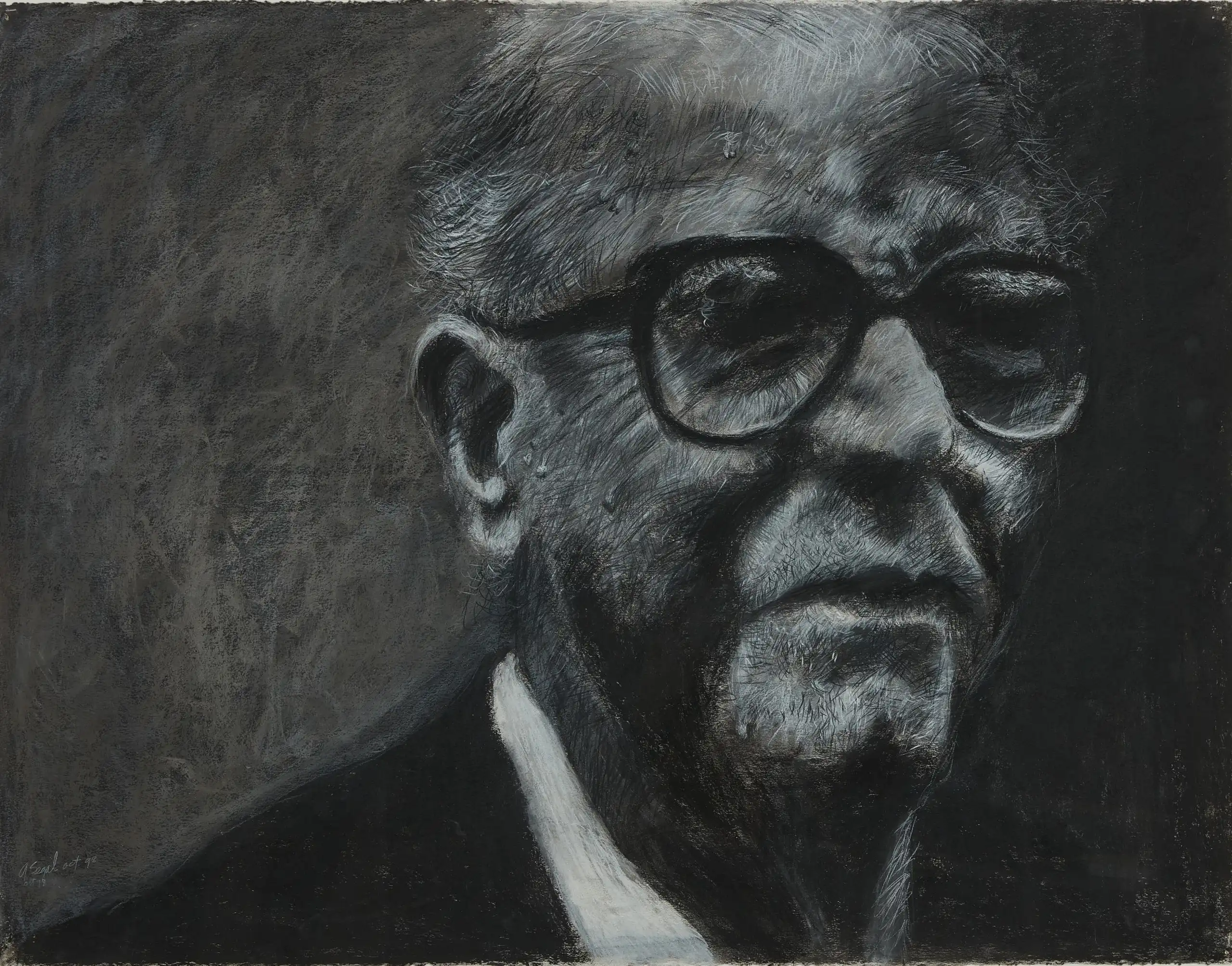
Abba Eban
 Israel
Also known as: Aubrey Solomon Meir Eban, Aba Eban, Abba Even
Birthday
February 2, 1915
Birth Sign
Aquarius
Birthplace
Cape Town, South Africa
Age
Died at 87
About
Abba Eban was a South African-born Israeli diplomat, politician, and scholar of Arabic and Hebrew. He served as Israel's first Permanent Representative to the United Nations, its ambassador to the United States, and its Foreign Minister from 1966 to 1974. Known for his eloquence and wit, Eban became one of the most recognizable voices of Israeli diplomacy on the world stage.
Eban's career spanned the founding decades of the State of Israel. He was a central figure in the aftermath of the Six-Day War and the negotiations that followed. His sharp phrases, like "The Arabs never miss an opportunity to miss an opportunity," remain part of diplomatic lore. He also served as Education Minister, Deputy Prime Minister, and president of the Weizmann Institute of Science.
Fans and historians remember Eban as a master of language who could articulate Israel's case with unmatched clarity. His legacy lives on through the Abba Eban Institute for Diplomacy and Foreign Relations at Reichman University.
Early Life & Background
Abba Eban was born Aubrey Solomon Meir Eban in Cape Town, South Africa, on February 2, 1915. His family moved to London when he was young, and he grew up in England. He attended Cambridge University, where he earned degrees in classics and Oriental languages, showing an early talent for languages that would define his career.
During World War II, Eban served in the British Army, where his language skills were put to use in intelligence work. In 1946, he joined the Jewish Agency as a political information officer, working to build support for a Jewish homeland in Palestine. A year later, he was appointed liaison officer to the United Nations Special Committee on Palestine.
These early experiences shaped his path. By the time Israel declared independence in 1948, Eban was ready to step onto the international stage. At just 33 years old, he became Israel's first Permanent Representative to the UN.
Career Growth
Eban's diplomatic career took off in 1948 when he became Israel's first Permanent Representative to the United Nations. In 1949, he pushed Israel's application for UN membership, defending his country in a landmark address. He served as ambassador to the United States from 1950 to 1959, strengthening the US-Israel alliance.
Returning to Israel in 1959, Eban entered domestic politics as a member of the Knesset. He served as Education Minister and later as Foreign Minister from 1966 to 1974. In that role, he was a key figure in the aftermath of the Six-Day War and the negotiations that followed. In 1965, he made the first visit of an Israeli Foreign Minister to Auschwitz, a moment of deep historical significance.
After his tenure as Foreign Minister ended in 1974, Eban continued in ministerial roles and served as vice president of the UN General Assembly and president of the Weizmann Institute of Science. He also became a prolific writer, authoring books on the Middle East and Jewish history.
Career Timeline
Public Image & Style
Abba Eban was known as a brilliant orator, a man who could command a room with his eloquence and wit. His public image was that of a polished diplomat who could present Israel's case with unmatched clarity. He was often called "Mr. Hasbara" for his role in public diplomacy.
Eban's style was formal yet engaging, and he used language with precision. He was respected by allies and adversaries alike for his intelligence and sharp repartee. His famous quotes, like "The Arabs never miss an opportunity to miss an opportunity," became part of diplomatic lore.
In later years, some saw a tragedy in his political decline, but his legacy as a master communicator remains strong.
Fame & Fandom (iFAMOUS Rankings)
Abba Eban never courted a celebrity following. He was a statesman whose influence flowed through diplomatic cables and UN chambers rather than fan clubs or social media trends. His audience consisted of historians, policymakers, and students of international relations who studied his speeches for their rhetorical precision. There is no organized fanbase with a specific moniker, nor were there campaigns to keep his name trending after his death in 2002. The legacy he left behind is institutional, preserved by the Abba Eban Institute for Diplomacy and Foreign Relations at Reichman University, which functions as a think tank rather than a fan club. His legend rests on the sheer power of his voice during the founding decades of Israel, where he navigated complex geopolitical storms with unmatched clarity. While modern celebrities chase viral moments, Eban secured his place through historical necessity and intellectual rigor. Today, his fame endures not through adoration but through the enduring study of his contributions to statecraft. According to the iFANN Global Fame Rankings, he holds a steady position among global figures. Abba Eban is the 83rd most famous person from Israel, holding steady from the previous cycle.
Interesting Facts and Legends
Eban was a scholar of Arabic and Hebrew, a rare combination that gave him unique insight into Middle Eastern diplomacy. He was appointed Israel's UN representative at just 33 years old, making him one of the youngest diplomats in that role. His famous quip about the Arabs came after the Geneva peace talks in December 1973. He was also known for his love of language, often quoting classical texts in his speeches. Eban's 1958 interview with Mike Wallace earned him the title "the first Mr. Hasbara," a nod to his role in public diplomacy. He was described as "a father of the modern State of Israel" by many who worked with him. Legends still circulate about his 1966 visit to Auschwitz-Birkenau, marking the first time an Israeli Foreign Minister visited the site to acknowledge the Holocaust's centrality to the Jewish state. Another iconic moment remains his 1967 speech at the United Nations following the Six-Day War, where he effectively countered accusations against Israel with such force that it cemented his status as a master orator. A story fans still retell involves his 1949 Yom Haatzmaut message delivered from New York, which helped establish early diplomatic ties between the new state and the American Jewish community.
Notable Quotes
“The Arabs never miss an opportunity to miss an opportunity.”
“It becomes my duty to make our attitude clear, beyond ambiguity or doubt. If the Arab states want peace with Israel, they can have it.”
“It is a religion, and it is a peoplehood, and it is a civilization, and it is a faith, and it is a memory; it is a world of thought and of...”
“This celebration culminates 2000 years of struggle and sacrifice…The citizens of the City of New York, of every race and creed, salute the proud...”
Family & Personal Life
Abba Eban was married to Suzy Eban, and the couple remained together throughout his life. Details about their meeting and wedding are not widely documented, but Suzy is listed as his spouse in biographical records. They had a family, though specific information about their children is scarce.
Eban's family life was private, and he rarely spoke about it publicly. His focus was on his diplomatic career and his writing. He passed away on November 17, 2002, in Tel Aviv, with Suzy by his side.
Notable Connections
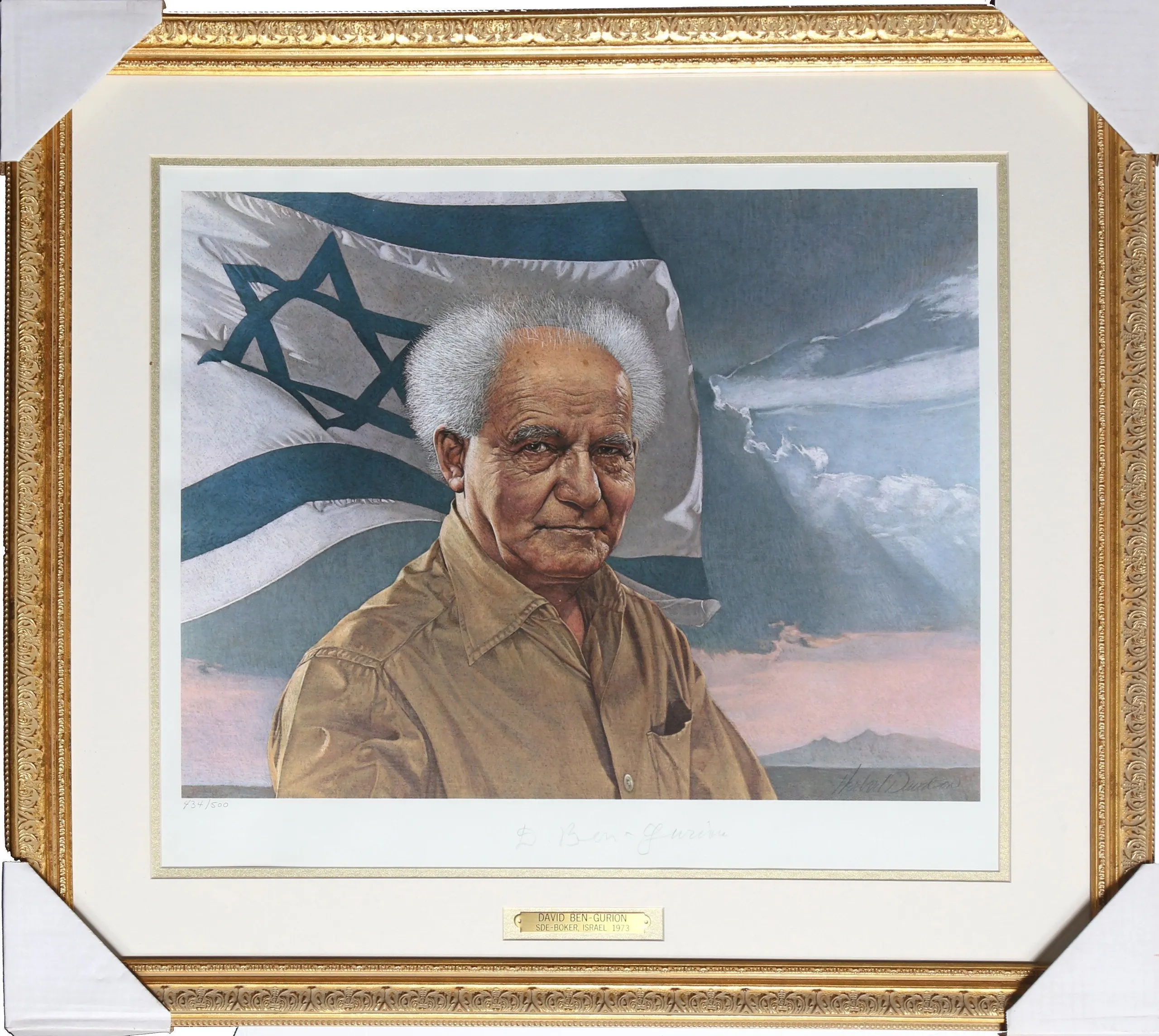
Abba Eban worked closely with David Ben-Gurion, Israel's first Prime Minister, serving as his representative in international forums. He also had notable interactions with journalist Mike Wallace, who interviewed him in 1958. Moshe Raviv donated photographs of Eban's Auschwitz visit to Yad Vashem.
Relationships & Dating History
Abba Eban was married to Suzy Eban, and the couple remained together throughout his life. They married at some point in the 1940s, though specific details are not widely documented. Suzy was a constant presence in his life, supporting his diplomatic career.
Eban had no other known public relationships. His marriage was a stable and private part of his life. At the time of his death in 2002, he was still married to Suzy.
- MarriedSuzy Eban1940 - 2002Married for life; details of their meeting are not widely documented.
Death & Aftermath
Died
November 17, 2002 (aged 87)
Death Place
Tel Aviv, Israel
Cause of Death
Natural causes associated with old age
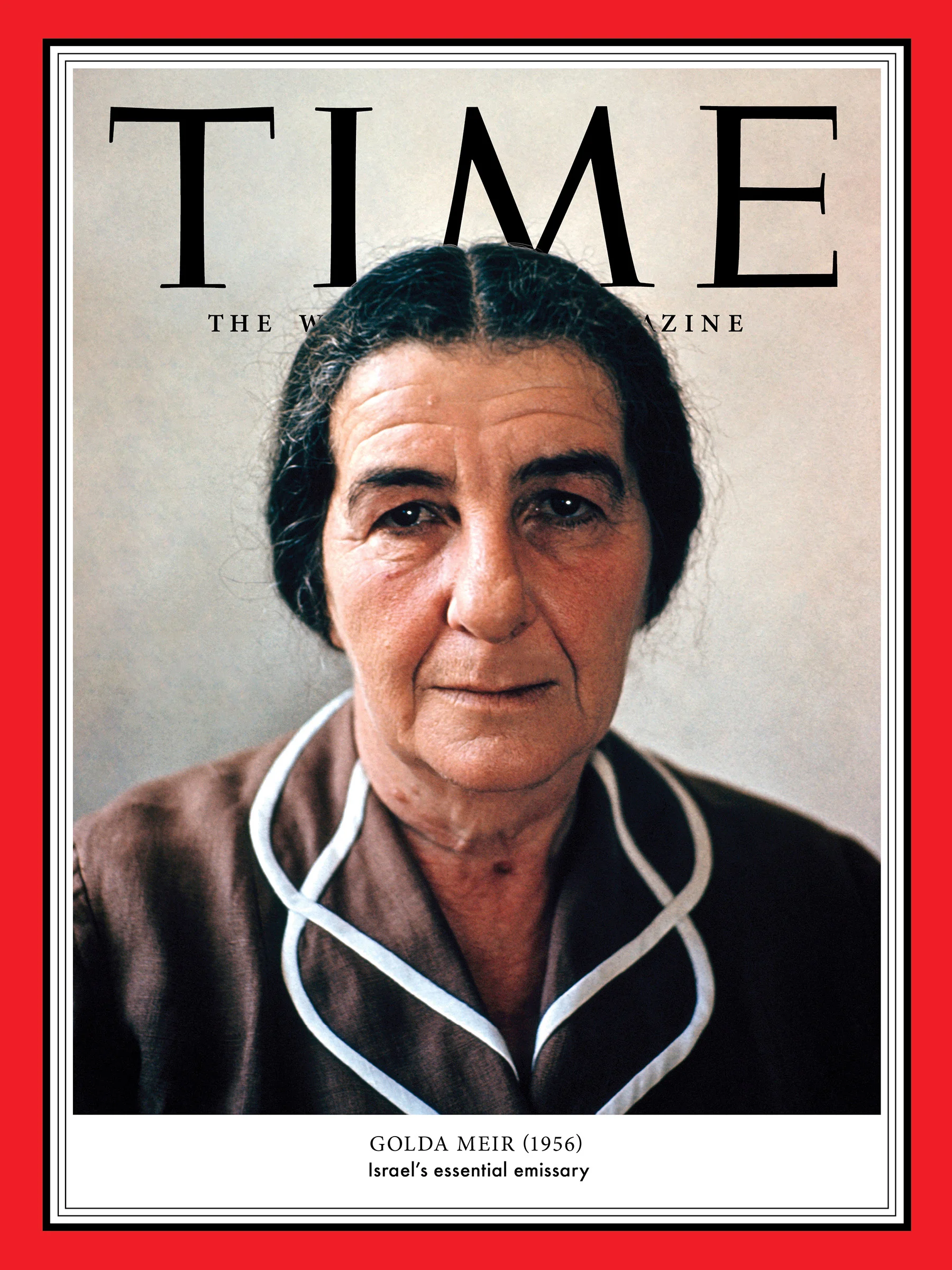
A state funeral on November 19, 2002, transformed Jerusalem into a gathering of the nation's highest leaders to honor Abba Eban. The service began at Hebrew University before his remains moved to Mount Herzl National Cemetery, where Prime Minister Ariel Sharon and President Moshe Katsav delivered eulogies celebrating his eloquence and diplomatic achievements. Former leaders including Yitzhak Rabin and Shimon Peres attended, while Golda Meir sent a video message. Just two days prior, Eban passed away at his home in Tel Aviv at the age of 87. His final days were characterized by a quiet decline following a long period of frailty, with medical confirmation provided by family statements and attending physicians describing natural causes associated with old age.
The international reaction was immediate and formal, with the United Nations holding a moment of silence and the US State Department issuing a tribute acknowledging his pivotal role in securing Israel's admission to the UN in 1949. Tributes from global officials recognized him as one of the most recognizable voices of Israeli diplomacy on the world stage. In the years since, his legacy has been preserved through the Abba Eban Foundation and scholarships established in his name.
Net Worth (Estate Value)
$10 Million
iFANN Editorial Team estimate
Abba Eban's net worth at the time of his death in 2002 was modest, reflecting his career as a diplomat and politician rather than a commercial figure. His income came from his government salary, book royalties, and speaking engagements. Per iFANN's editorial analysis, his estate is valued at around $10 million as of 2026, a figure that includes royalties from his books on Middle East history and Jewish heritage. The estate continues to earn from these works, which remain in print. His legacy is also preserved through institutions like the Abba Eban Institute, which carries on his diplomatic work.
Awards & Accolades
View 2 records, honours and achievementsKnown For
Israel's First Permanent Representative to the UN
1948 · Diplomat
Ambassador to the United States
1950 · Ambassador
Foreign Minister of Israel
1966 · Foreign Minister
Keywords
Sources
Quick Facts
- Profession
- Diplomat, Politician, Scholar
- Born
- February 2, 1915
- Birthplace
- Cape Town, South Africa
- Died
- November 17, 2002
- Death Place
- Tel Aviv, Israel
- Gender
- Male
- Spouse
- Suzy Eban
- Birth Sign
- Aquarius
Personal Details
- Full Name
- Aubrey Solomon Meir Eban
- Spouse
- Suzy Eban
- Education
- Cambridge University (classics, Oriental languages)
Frequently Asked Questions
What was Abba Eban famous for?
What did Abba Eban say about the Arabs?
Was Abba Eban married?
How old was Abba Eban when he died?
Where was Abba Eban born?
Similar People
Join the community
fans discussing