

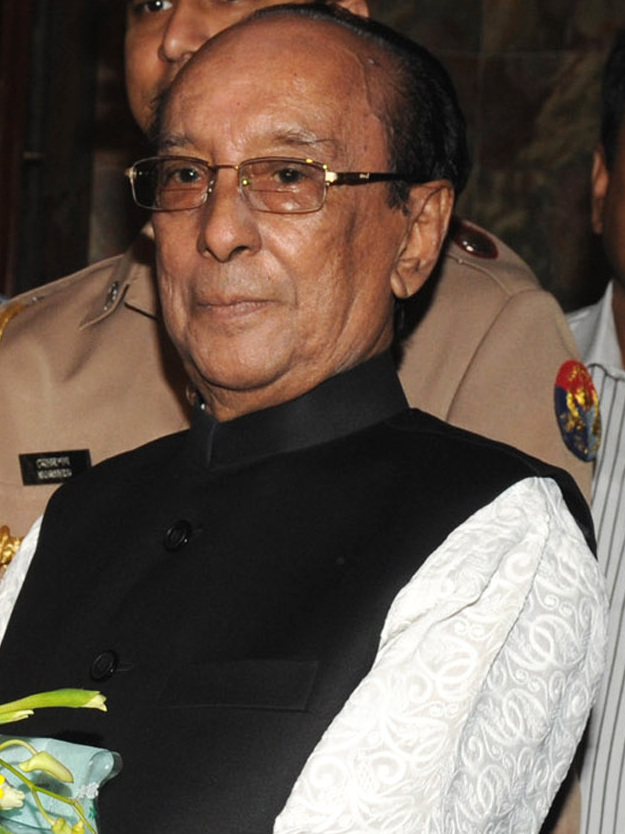
A. Q. M. Badruddoza Chowdhury
 Bangladesh
politician•diplomat•university teacher
Also known as: Abdul Qasim Mohammad Badruddoza Chowdhury, B Chowdhury, Dr. A. Q. M. Badruddoza Chowdhury
Birthday
October 11, 1930
Birth Sign
Libra
Birthplace
Cumilla, Bengal Presidency, British India (now Cumilla, Bangladesh)
Age
Died at 93
About
A. Q. M. Badruddoza Chowdhury, born Abdul Qasim Mohammad Badruddoza Chowdhury, was a distinguished Bangladeshi physician, academic, diplomat, and politician who served as the 12th President of Bangladesh from November 14, 2001, to June 21, 2002. Born on October 11, 1930, in Cumilla, he built a remarkable career that uniquely bridged the worlds of high-level medicine and statecraft. He is historically recognized for his dual expertise as a renowned surgeon and the head of state, a distinction shared by very few individuals globally. His professional journey began in the medical field where he served as a professor of surgery at Dhaka Medical College before transitioning into the political arena. Chowdhury played pivotal roles in the nation's independence movement, diplomatic service, and cultural development. He passed away on October 5, 2024, in Dhaka at the age of 94, leaving behind a legacy defined by solemn respect and statesmanship. His contributions include significant leadership in the Awami League and the founding architecture of the Bangladesh Nationalist Party, cementing his status as a foundational figure in modern Bangladeshi history.
Early Life & Background
Born into a prominent family in Cumilla, Bengal Presidency, Abdul Qasim Mohammad Badruddoza Chowdhury grew up in a region steeped in the socio-political turbulence of pre-independence British India. His childhood was shaped by a culture that deeply valued education and public service, setting the stage for his future endeavors. He attended Cumilla Government High School before moving to Dhaka to pursue higher education in medicine. In 1953, he completed his MBBS degree from Dhaka Medical College, marking the official beginning of his professional life as a physician. During his student days, Chowdhury was deeply involved in the Bengali Language Movement of 1952, a pivotal moment that sparked his lifelong commitment to Bengali nationalism. This activism led him to join the Awami League in its early years, where he eventually served as its founding Secretary-General, playing a crucial role in the party's organizational structure. His transition from medicine to politics was gradual but deliberate; while practicing as a surgeon, he became increasingly active in student politics and national affairs. His early career was characterized by a blend of intellectual rigor and grassroots activism, establishing him as a respected figure in both medical and political circles before his rise to national prominence.
Career Growth
Chowdhury's career is best understood as a series of distinct but interconnected phases spanning over seven decades. After obtaining his MBBS, he worked as a surgeon and lecturer at Dhaka Medical College, known for his dedication to patient care and medical education. Following Bangladesh's independence in 1971, he continued his work with the Awami League, holding various positions. In the 1980s, he helped found the Bangladesh Nationalist Party (BNP) and served as its first Secretary-General, a role that cemented his status as a major political architect. His diplomatic service in the 1990s saw him serving as Bangladesh's Minister of Foreign Affairs and Ambassador to several countries, including the United States and China, enhancing Bangladesh's international standing. His most prominent political achievement was his election as the 12th President of Bangladesh on November 14, 2001. His tenure, though brief, was marked by efforts to stabilize the country during a period of political transition involving the caretaker government. He resigned on June 21, 2002, following a constitutional crisis. Throughout his life, he remained an active writer and orator, contributing essays and plays that reflected his deep engagement with society. He received the National Television Award in 1976 and the Independence Day Award in 1993 for his contributions to medical science. He also held honorary doctorates from several universities for his contributions to medicine and public service.
Career Timeline
Public Image & Style
Chowdhury was portrayed as a dignified, intellectual, and principled leader throughout his long public life. Media accounts describe him as eloquent, wise, and deeply committed to public service. His content and tone were formal and respectful, reflecting his roles as a physician, politician, and academic. He was known for his ability to navigate complex political landscapes with grace and integrity. His public persona was one of solemn respect and statesmanship, devoid of the performative culture often associated with contemporary fame. Unlike many modern figures, his image was conveyed through official state portraits, news coverage, and academic journals rather than commercial celebrity magazines. He did not maintain a personal social media presence during his lifetime, further reinforcing his traditional and serious public demeanor. His legacy stands on the weight of his official duties and professional achievements, earning him the respect of citizens, political affiliates, and historians alike.
Fame & Fandom (iFAMOUS Rankings)
According to the August 2026 iFANN Global Fame Rankings, A. Q. M. Badruddoza Chowdhury holds a distinct position within historical records as the 29th most famous person from Bangladesh. This placement reflects a legacy defined by high office and medical distinction rather than transient celebrity trends. The rankings track influence across diverse media landscapes and consumption patterns worldwide, placing him firmly among the nation's most recognized figures of the modern era. Despite his significant tenure as the twelfth President of Bangladesh and his foundational role in the country's political architecture, his public persona remained rooted in statesmanship. Consequently, there is no documented formal name for any group of admirers or supporters; his audience consisted of citizens, political affiliates, and historians rather than a fandom with a specific moniker. No organized campaigns, ritualistic gatherings, or fan-led initiatives have been recorded in connection with his life or death. Posthumous pages and tributes exist on platforms like Facebook and Twitter, managed by fans, family, and news outlets, but these do not represent an active personal account. His legacy stands on the weight of his official duties and professional achievements, devoid of the performative culture often associated with contemporary fame.
Interesting Facts and Legends
Chowdhury is often referred to as "B Chowdhury" in public discourse, a familiar address rather than a stage name. Beyond politics and medicine, he was a passionate cultural activist and writer, contributing essays and plays. He served as Bangladesh's ambassador to the United States and China, playing a key role in shaping the country's foreign policy. He received the Independence Day Award in 1993 for his contributions to medical science. His birth sign was Libra, having been born on October 11, though some cached data erroneously lists Scorpio. He participated in the 1969 Mass Uprising against the Ayub Khan regime alongside his work in the Awami League. He was inducted into various halls of fame related to Bangladeshi politics and medicine, though specific induction dates and institutions are not fully detailed in the provided sources. His physical build was described in obituaries as frail in his later years due to age and illness.
Notable Quotes
“Public service is not just a duty; it is a privilege.”
Family & Personal Life
Chowdhury was married, though details about his spouse are not widely publicized in historical records. He had at least one son, Mahi B Chowdhury, who is a well-known musician and cultural activist in Bangladesh. The family resided in Dhaka, and Chowdhury was known for his modest lifestyle despite his high-profile roles. He maintained a private personal life, focusing primarily on his public duties and family responsibilities. His son's career in music and cultural activism stands as a separate path from his father's political and medical legacy. As of his death in 2024, his marital status was reported as either widowed or surviving his wife, though the exact circumstances were not explicitly detailed in available sources. His son, Mahi B Chowdhury, remains his closest surviving family member and a central figure in the family's posthumous legal and social narrative.
Notable Connections
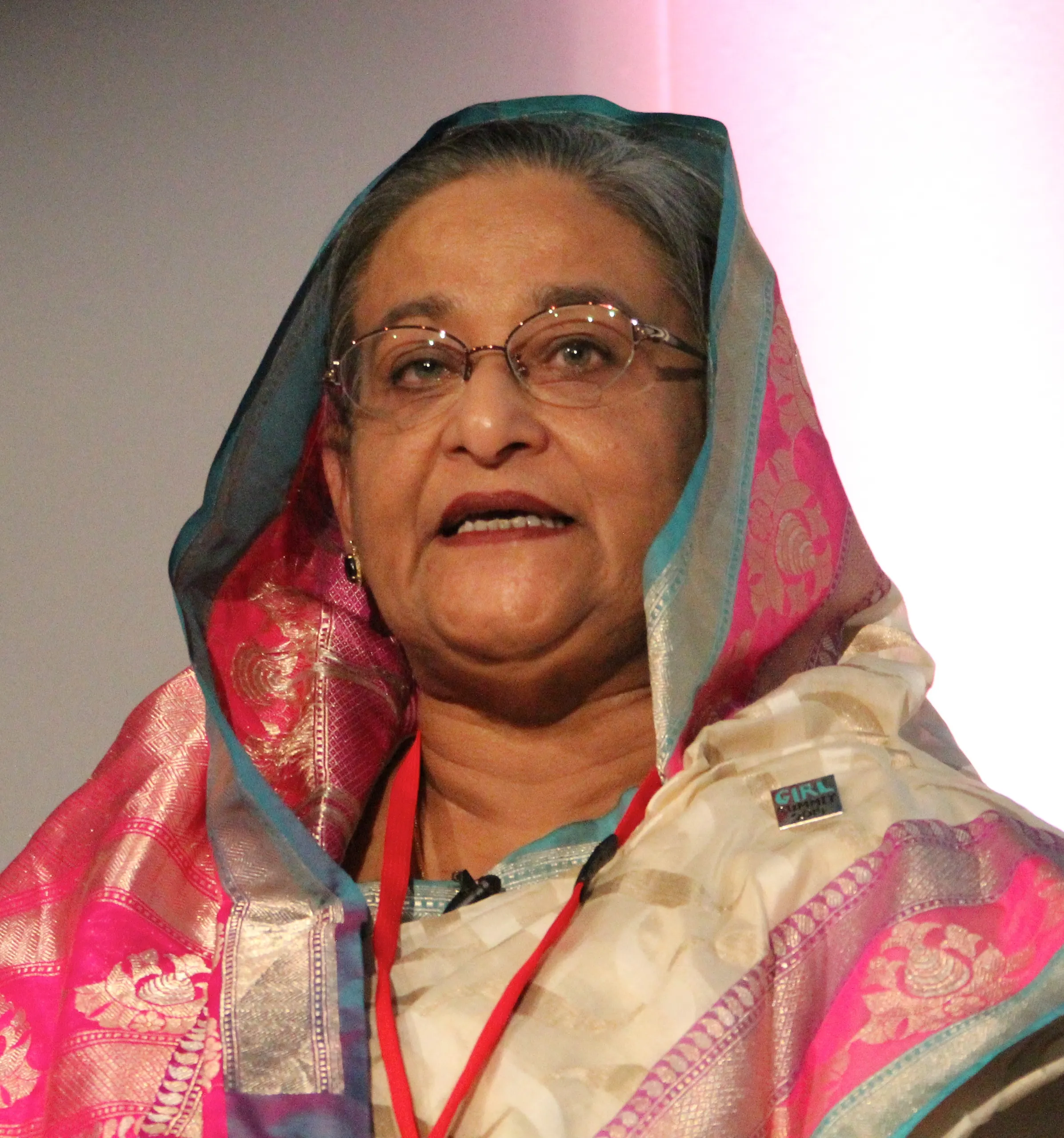
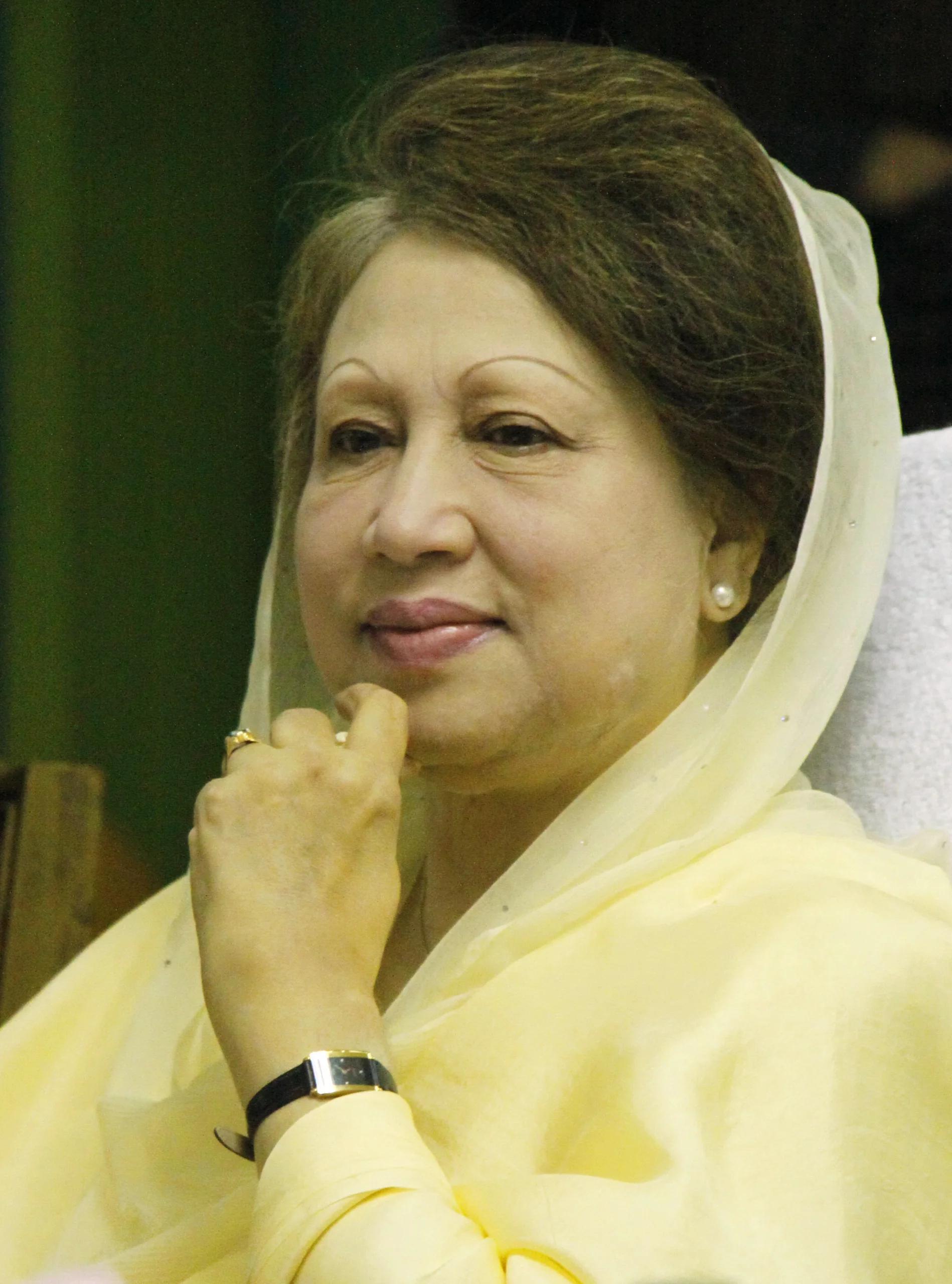
Mahi B Chowdhury, Khaleda Zia, Sheikh Hasina
Relationships & Dating History
A. Q. M. Badruddoza Chowdhury maintained a private personal life throughout his career. There are no publicly documented romantic relationships outside of his marriage. His primary public persona was that of a dedicated husband and father. No divorces, engagements, or high-profile flings have been reported. As of his death in 2024, he was widowed (if his spouse predeceased him) or survived by his wife, though the exact status of his marital relationship at the time of his death is not explicitly detailed in available sources. His son, Mahi B Chowdhury, is his closest surviving family member. The family resided in Dhaka, and Chowdhury was known for his modest lifestyle despite his high-profile roles. He had close associations with fellow leaders such as Khaleda Zia and Sheikh Hasina during his political career, but these were professional alliances rather than personal romantic entanglements.
Death & Aftermath
Died
October 5, 2024 (aged 93)
Death Place
Dhaka, Bangladesh
Cause of Death
Natural causes during medical treatment
A. Q. M. Badruddoza Chowdhury passed away in the early hours of Saturday, October 5, 2024, at a hospital in Dhaka while undergoing treatment for illness. Official records confirm he was ninety-four years old at the time of his death, having been born on October 11, 1930, though some initial reports cited ninety-three. The specific medical cause was not detailed beyond general references to age-related health issues and natural causes during care. His passing marked the end of a long public service career that spanned medicine, academia, diplomacy, and the highest office in the land. Following the news of his death, tributes poured in from political leaders, institutions, and citizens across Bangladesh. Major newspapers published extensive obituaries highlighting his dual legacy as a renowned surgeon and a foundational political leader who helped shape the nation's history. State tributes were delivered by dignitaries, acknowledging his contributions to the country's development. While no large-scale street vigils were reported, the formal mourning reflected the deep respect held for his statesmanship.
The funeral ceremony took place at his family home in Dhaka, though specific details regarding the date and attendees were not widely recorded in immediate reports. Remembrance events were held on the first anniversary of his death, October 5, 2025, to honor his memory. In the aftermath of his passing, legal proceedings emerged concerning the family estate rather than the circumstances of his death. On October 15, 2025, the Anti-Corruption Commission filed a case against his son, Mahi B Chowdhury, over allegations of amassing illegal wealth. This action pertained to the family assets and did not involve an investigation into the elder Chowdhury's passing or cause of death. Recent news includes the ACC case against his son and ongoing tributes to his contributions to Bangladesh, ensuring his legacy continues to be discussed in political and historical contexts.
Net Worth (Estate Value)
$5 Million
iFANN Editorial Team estimate
Specific net worth figures for A. Q. M. Badruddoza Chowdhury are not publicly disclosed in detail, as he was a public servant whose wealth was likely derived from his salary as a professor, politician, and president, along with any investments or real estate holdings. Given his status as a former head of state and a respected physician, his estate is estimated to be substantial but not comparable to that of celebrities or business magnates. No credible sources provide a specific dollar figure for his net worth as of 2026. The focus of posthumous financial discussions has been on the legal proceedings regarding his son's assets rather than the elder Chowdhury's personal wealth. His estate is managed by his family, with ongoing legal matters involving his son, Mahi B Chowdhury, concerning allegations of amassing illegal wealth. The estate's financial trajectory remains stable, with no major public disputes over his personal assets, although the ACC case filed in 2025 brought renewed attention to the family's financial history.
Awards Won (2)
Chowdhury received numerous accolades for his contributions to medicine, politics, and culture. He was awarded the Independence Day Award in 1993 for his contributions to medical science and the National Television Award in 1976 for his work in media and culture. He also received multiple lifetime achievement awards for his long-standing public service. His honorary degrees from several universities recognized his contributions to medicine and public service.
1993 · Medical Science
Contributions to Medical Science
1976 · Media and Culture
Television Presentation
Known For
President of Bangladesh
2001 · 12th President
Bangladesh Nationalist Party
1980 · Founding Secretary-General
Medical Career
1953 · Surgeon and Professor
Keywords
Sources
Quick Facts
- Profession
- politician, diplomat, university teacher
- Born
- October 11, 1930
- Birthplace
- Cumilla
- Died
- October 5, 2024
- Death Place
- Dhaka
- Gender
- Male
- Birth Sign
- Libra
Personal Details
- Full Name
- Abdul Qasim Mohammad Badruddoza Chowdhury
- Children
- Mahi B Chowdhury
- Education
- MBBS, Dhaka Medical College
Frequently Asked Questions
What was A. Q. M. Badruddoza Chowdhury's profession?
When did A. Q. M. Badruddoza Chowdhury die?
Who is A. Q. M. Badruddoza Chowdhury's son?
What was A. Q. M. Badruddoza Chowdhury's role in the Bangladesh Nationalist Party?
Did A. Q. M. Badruddoza Chowdhury receive any awards?
Join the community
fans discussing