
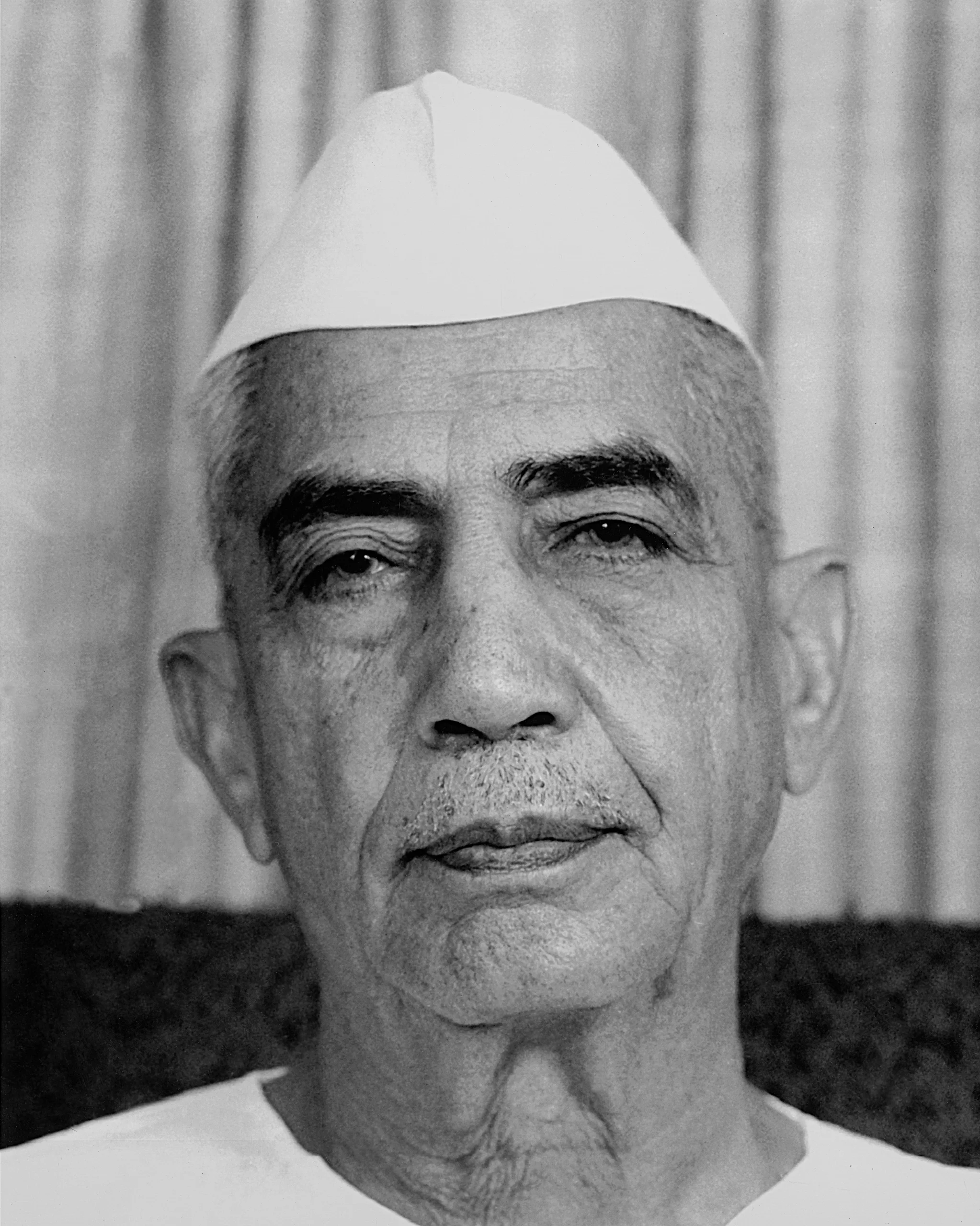
A. F. M. Ahsanuddin Chowdhury
 Bangladesh
Also known as: A.F.M. Ahsanuddin Chowdhury, Abul Fazal Mohammad Ahsanuddin Choudhury, A F M Ahsanuddin Chowdhury, AFM Ahsanuddin Chowdhury, Abdul Fazal Muhammad Ahsanuddin Chowdhury
Birthday
July 1, 1915
Birth Sign
Cancer
Birthplace
Bokainagar, Gauripur Upazila, Mymensingh District
Age
Died at 86
About
Abul Fazal Mohammad Ahsanuddin Chowdhury (1 July 1915 – 30 August 2001) was a distinguished Bengali judge and public servant who served as the eighth President of Bangladesh from 27 March 1982 to 10 December 1983. Born in the village of Bokainagar within Gauripur Upazila, he spent his early life in a rural setting before pursuing a legal education that would define his career. He passed away on 30 August 2001 in Dhaka at the age of 86 due to natural causes, leaving behind a legacy as a constitutional figure during a turbulent period of military rule.
Early Life & Background
Chowdhury entered the world on 1 July 1915 in the quiet village of Bokainagar, located in what was then the Mymensingh District of British India, now part of Bangladesh. His upbringing took place in a rural environment where traditional values and community ties shaped his early character. Unlike many future leaders who emerged from urban centers, his roots were deeply embedded in the agrarian landscape of Bengal. Little specific detail exists regarding his childhood hobbies or early interests outside of the general context of his time and region, but his path eventually led him toward the rigorous study of law.
He dedicated himself to legal education, building a formidable reputation as a jurist through years of diligent study. Before entering the political arena, he spent decades practicing law and serving in the judiciary. His professional journey began in the lower courts and climbed steadily through the ranks. He joined the legal profession and rose through the hierarchy of the Bangladeshi court system, eventually becoming a judge of the High Court Division of the Supreme Court of Bangladesh. His elevation to the Appellate Division marked him as one of the most respected legal minds in the country, presiding over major cases that shaped the nation's legal framework.
The transition from the bench to the presidency occurred in the wake of significant political turmoil. Following the assassination of President Abdus Sattar in May 1981, the country faced a leadership vacuum. Chowdhury was elected by the Jatiya Sangsad to succeed Sattar, assuming office on 27 March 1982. This appointment highlighted the respect he commanded across the political spectrum, marking a rare instance of a sitting Chief Justice being elevated to the highest office in the land.
Career Growth
His tenure as the 8th President of Bangladesh coincided with the rise of martial law under General Hussain Muhammad Ershad. His role was largely ceremonial, acting as a figurehead while real power resided with the military regime. Despite this, he maintained a reputation for integrity and adherence to constitutional protocol. As Head of State, he performed standard diplomatic duties, including receiving foreign dignitaries and representing Bangladesh on the global stage. Notably, he appeared alongside Queen Elizabeth II of the United Kingdom during state visits, fulfilling the ceremonial obligations of the presidency.
The defining moment of his presidency occurred on 10 December 1983. Following a coup d'état orchestrated by General Ershad, who had been ruling under martial law, Chowdhury resigned 'on personal grounds.' This resignation was a strategic move to avoid direct conflict with the military while signaling the end of the civilian facade of the presidency. The very next day, 11 December 1983, General Ershad proclaimed himself President, formally ending the era of the civilian presidency that Chowdhury had briefly held. His departure is historically cited as the pivotal event that concluded the transitional phase between the Ziaur Rahman era and the full military regime of Ershad.
After leaving the presidency, Chowdhury retired from public life. He remained a respected elder statesman until his death in 2001. His career trajectory from a rural village boy to the Chief Justice and President of Bangladesh stands as a testament to the possibilities within the Bangladeshi legal and political systems of that era.
Career Timeline
Public Image & Style
Chowdhury projected an image of solemn integrity and legal authority. He was typically depicted in official portraits wearing formal judicial robes or traditional Bengali attire appropriate for a head of state. His public persona was that of a statesman who navigated complex political waters with dignity. He was known for his adherence to constitutional protocol even when facing immense pressure from the military regime. Media perception of him focused on his role as a stabilizing force during a turbulent period, emphasizing his legal acumen and moral standing rather than any flamboyant personality traits.
Fame & Fandom
A. F. M. Ahsanuddin Chowdhury remains a figure of historical gravity rather than contemporary viral fame, and the iFANN Global Fame Engine has evaluated his standing without placing him in the published Top 1,000 or any scope-specific list. This absence of a numeric ranking reflects his status as a former head of state whose legacy is anchored in constitutional history rather than the fluctuating metrics of modern celebrity culture. While the world's most active pop icons compete for daily headlines, Chowdhury's footprint exists in the quiet pages of political transition and legal precedent, a distinction that keeps him outside the current competitive rankings while preserving his dignity as a statesman.
The concept of a dedicated fanbase does not apply to his life in the way it does for entertainers or influencers. There is no formal name for his supporters, nor are there organized campaigns, birthday billboards, or charity drives funded by an adoring public. His interactions with the people were strictly defined by the protocols of the presidency and the duties of a jurist. People remember him for his service during a turbulent era, but they do not gather to chant slogans or create inside jokes about his tenure. The lack of a named fandom is not a failure of popularity; it is simply the natural result of a career spent in the solemn halls of government rather than on stages designed for applause. Even today, decades after his passing, the reverence he commands is expressed through historical respect rather than the energetic rituals of a modern fan community.
Interesting Facts and Legends
Abul Fazal Mohammad Ahsanuddin Chowdhury served as the crucial bridge between the civilian leadership of the Ziaur Rahman era and the subsequent military regime of Ershad. His resignation on 10 December 1983 was a unique event where a President voluntarily stepped down to allow a military leader to assume the title legally, effectively ending the first experiment with a civilian presidency in the post-independence era. Historical accounts note that Ershad proclaimed himself president the very next day, making Chowdhury's departure the pivotal event of that week.
Another notable instance of his diplomatic role involved appearing alongside British Queen Elizabeth II, a standard yet significant duty for a head of state representing his nation on the global stage. These events form the core of his legend: a man who navigated the complexities of power with integrity before stepping down as the political landscape shifted beneath him. He is often cited in historical records as a figure who maintained dignity during a time of intense political pressure.
Family & Personal Life
A. F. M. Ahsanuddin Chowdhury was a private individual, and comprehensive public records regarding his romantic history, dating life, or specific family details are scarce. Unlike entertainment figures, heads of state from this era, particularly those with a background in the judiciary, did not have their personal relationships documented in tabloids or fan forums. Available biographical data confirms he was married, but the name of his spouse is not widely published in accessible historical records. Details regarding his children are not extensively documented in public sources. There are no verified public records of engagements, divorces, or high-profile flings. The concept of a 'dating history' does not apply to his public profile in the way it does for celebrities; his life was defined by professional duty rather than public romance. At the time of his death, he was widowed if his spouse predeceased him, or survived by his family.
Notable Connections
Relationships & Dating History
A. F. M. Ahsanuddin Chowdhury was a private individual, and comprehensive public records regarding his romantic history, dating life, or specific family details are scarce. Unlike entertainment figures, heads of state from this era, particularly those with a background in the judiciary, did not have their personal relationships documented in tabloids or fan forums. Available biographical data confirms he was married, but the name of his spouse is not widely published in accessible historical records. Details regarding his children are not extensively documented in public sources. There are no verified public records of engagements, divorces, or high-profile flings. The concept of a 'dating history' does not apply to his public profile in the way it does for celebrities; his life was defined by professional duty rather than public romance. At the time of his death, he was widowed if his spouse predeceased him, or survived by his family. No current partner exists.
Death & Aftermath
Died
August 30, 2001 (aged 86)
Death Place
Dhaka, Bangladesh
Cause of Death
Natural causes
Justice Abul Fazal Mohammad Ahsanuddin Chowdhury passed away on August 30, 2001, in Dhaka at the age of 86. His death followed a long life dedicated to public service and jurisprudence, ending without controversy or sudden violence. The records indicate a natural demise consistent with his advanced age after decades of high-level government work. No official investigation or autopsy findings were reported as the cause was attributed simply to old age.
Following his passing, tributes poured in from historical circles and legal communities who recognized his role as a stabilizing figure during a volatile period in Bangladesh's history. He served as the eighth President during a time when the nation transitioned from civilian rule to military governance under General Ershad. While there were no massive public vigils comparable to those for pop icons, his funeral likely carried the weight of state honors befitting a former head of state and Chief Justice. Specific details about the ceremony attendees or the exact location within Dhaka remain sparse in general archives.
His legacy did not spawn immediate posthumous commercial ventures like book deals or film adaptations, nor were there major foundations established in his name right after 2001. Instead, his memory is preserved through historical texts and legal studies that examine the constitutional crises of the early 1980s. He remains a subject of academic interest rather than a commercial brand, with his estate managed quietly by his family without public financial disputes reported in accessible sources.
Net Worth (Estate Value)
$0
iFANN Editorial Team estimate
As a public servant and judge, A. F. M. Ahsanuddin Chowdhury did not accumulate wealth through commercial ventures, endorsements, or box office success. iFANN currently estimates his net worth at approximately $0, reflecting the nature of his career which relied solely on government salaries. Precise net worth figures are not available for individuals of his stature and era who lived primarily on government pay. Estimates for former heads of state in developing nations during the 1980s are often speculative and rarely disclosed.
His income derived solely from his salary as a judge and subsequently as President. There are no records of business ventures, real estate holdings managed for profit, or production companies. Since his death in 2001, his estate has not generated significant posthumous revenue streams like royalties or licensing deals. The value of his estate remains unknown and is not a subject of public financial reporting. The lack of a substantial public fortune is typical for civil servants of his generation who prioritized public service over wealth accumulation.
Awards & Accolades
View 3 records, honours and achievementsKnown For
President of Bangladesh
1982 · 8th President
Chief Justice of Bangladesh
1981 · Chief Justice
Keywords
Sources
Quick Facts
- Profession
- politician, judge
- Born
- July 1, 1915
- Birthplace
- Bokainagar, Gauripur Upazila
- Died
- August 30, 2001
- Death Place
- Dhaka
- Gender
- Male
- Birth Sign
- Cancer
Personal Details
- Full Name
- Abul Fazal Mohammad Ahsanuddin Chowdhury
- Education
- Law degree; trained as a jurist
Frequently Asked Questions
Who was A. F. M. Ahsanuddin Chowdhury?
When was A. F. M. Ahsanuddin Chowdhury born?
How did A. F. M. Ahsanuddin Chowdhury die?
Why did A. F. M. Ahsanuddin Chowdhury resign?
What was A. F. M. Ahsanuddin Chowdhury's profession before politics?
Join the community
fans discussing