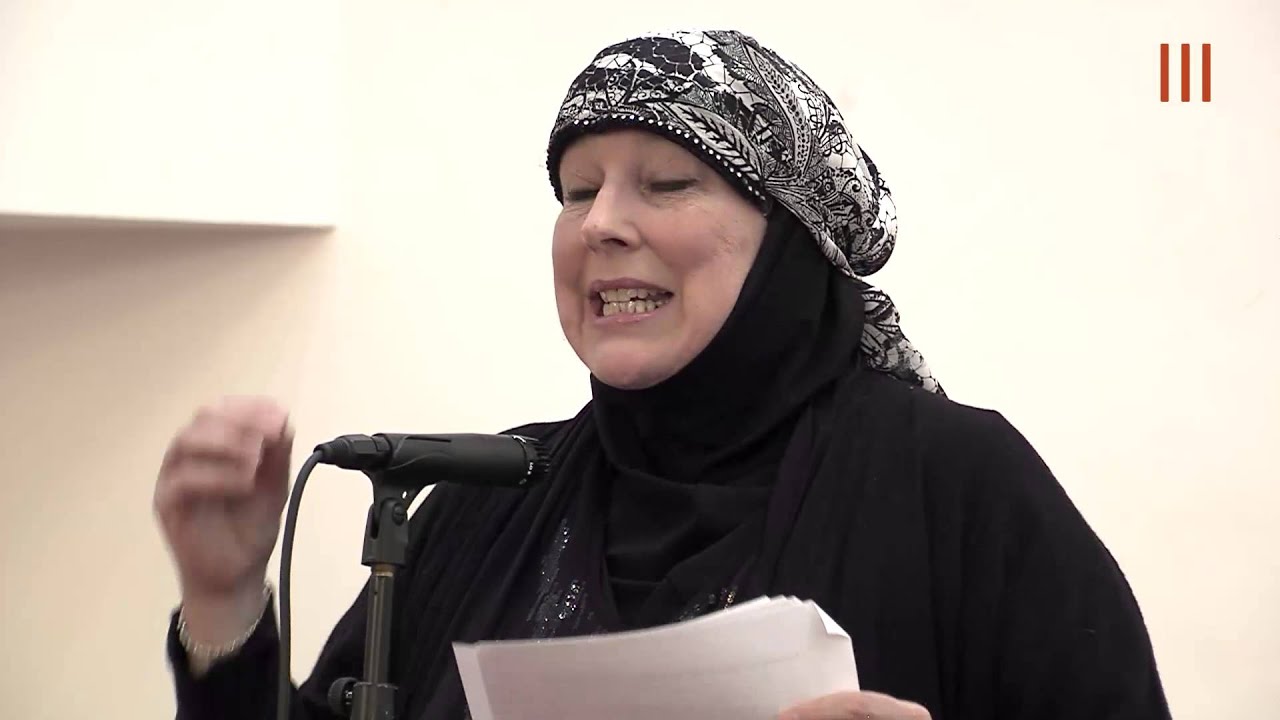
Zainab al-Ghazali
 Egypt
EgyptIslamic activist•dawah•politician
Also known as: Zaynab Al-Ghazali
Birthday
January 2, 1917
Birth Sign
Capricorn
Birthplace
Egypt
Age
Died at 88
About
Zainab al-Ghazali was an Egyptian Islamic activist and politician, best known as the founder of the Muslim Women's Association. Born in 1917, she dedicated her life to mobilizing women within the religious and political landscape of Egypt, leaving a lasting mark on the Islamist movement. Her work laid the groundwork for generations of Islamist women who followed her example.
Al-Ghazali's influence reached beyond organizational efforts. Historian Eugene Rogan described her as one of the most impactful followers of Sayyid Qutb, placing her at the crossroads of religious thought and social action during a transformative era. She remained an active voice until her death in 2005, leaving a legacy of activism and leadership that continues to be studied and admired.
Early Life & Background
Zainab al-Ghazali was born in Egypt on January 2, 1917, during a period of significant political and social change. Growing up in a country under British influence, she developed an early awareness of the struggles facing her society. Her upbringing instilled a strong sense of religious devotion and a desire to contribute to the betterment of her community.
By the age of 18, in 1936, al-Ghazali had already taken the first step toward her life's work by founding the Muslim Women's Association (Jamaa'at al-Sayyidaat al-Muslimaat). This organization was created to encourage Muslim women to engage sincerely with their faith and to take an active role in social and political matters. The early years of the association focused on providing social services to the needy and advocating for an Islamic society, setting the stage for her decades of activism.
During the period from 1937 to 1965, al-Ghazali emerged as a prominent female figure in the Islamist movement, balancing her organizational duties with a growing public presence. Her efforts during these years established her as a key voice for women within the religious and political spheres of Egypt.
Career Growth
Zainab al-Ghazali's career as an activist and leader took shape through her leadership of the Muslim Women's Association, which she founded in 1936. The association grew into a significant force, providing social services and advocating for an Islamic society. Al-Ghazali's work placed her in the center of Egypt's Islamist movement, where she collaborated with and influenced prominent figures of the time.
Her intellectual connection to Sayyid Qutb, a leading Islamist thinker, was particularly notable. Historian Eugene Rogan considered her one of Qutb's most impactful followers, a recognition that underscores her influence on the movement's direction. Al-Ghazali's activism continued through the decades, even as Egypt's political landscape shifted dramatically. She remained a dedicated advocate for her vision of an Islamic society until her passing in 2005.
Career Timeline
Public Image & Style
Zainab al-Ghazali is remembered as a trailblazing figure in the Islamist women's movement, known for her unwavering commitment to her cause. She was seen as a serious and dedicated activist, respected for her organizational abilities and her willingness to take a stand on controversial issues. Her public image was that of a woman who defied conventional gender roles of her time, leading an organization and engaging in political discourse in a male-dominated arena.
Media and scholarly portrayals often highlight her intellectual depth and her connection to Sayyid Qutb, which adds to her mystique as a key figure in modern Islamic thought. Fans and followers of the Islamist movement view her as a role model, a woman who demonstrated that faith and activism could go hand in hand. Her legacy continues to resonate with those who study the intersection of religion, gender, and politics in the Middle East.
Fame & Fandom
Zainab al-Ghazali commanded a following defined not by chart-topping hits or merchandise sales, but by deep ideological loyalty and political mobilization. Her supporters were members of the Muslim Women's Association and the broader Muslim Brotherhood movement, engaging with her legacy through religious education and activism rather than entertainment consumption. Unlike modern pop stars, she had no organized fan clubs, birthday campaigns, or subway advertisements funded by admirers. Instead, her influence manifested in intense reverence that could turn hostile toward perceived misrepresentations; a 2012 drama portraying her character sparked death threats against the actress from relatives of al-Ghazali, proving her image remains a potent symbol for traditionalists. The stories told about her focus on endurance during her thirteen-year imprisonment under Gamal Abdel Nasser, where she survived torture without renouncing her beliefs, creating a mythology of resilience that outlasted her physical life. This audience operates as followers within a specific religious and political framework rather than a fandom driven by commercial metrics. There is no documented official name for this group, reflecting the organic nature of her support base which grew from organizational leadership rather than celebrity culture. iFANN has evaluated her global standing based on media coverage, search signals, and historical consumption data worldwide. Zainab al-Ghazali is currently EVALUATED_UNRANKED according to iFANN rankings. She does not hold a placement in the Global Top 1,000 or any Top-100 scope list. No formal fandom name exists in the iFANN database for her supporters.
Interesting Facts and Legends
Zainab al-Ghazali was a contemporary of Egyptian feminist Huda Shaarawi, though their approaches to women's roles diverged sharply. Al-Ghazali's association, the Muslim Women's Association, was sometimes confused with the more secular feminist organizations of the era, but its focus was distinctly religious. She was known for her strong will and organizational skills, which earned her the respect of male Islamist leaders as well as female followers. Despite the challenges of operating in a male-dominated field, she carved a unique space for women's participation in the Islamist movement. Her legacy has been kept alive through academic studies and documentaries, including a 2020 documentary about Sayyid Qutb that referenced her connection to him. A widely retold legend centers on her arrest and subsequent thirteen-year ordeal in prison, where she endured severe torture and solitary confinement after being falsely accused of conspiring to assassinate President Gamal Abdel Nasser. Another iconic moment occurred when an actress portraying her in the 2012 Ramadan drama titled *The Mother of Patience* received burning threats from a relative, highlighting the fierce protection her community felt toward her image. These events cemented her status as a martyr figure whose story continues to inspire discussions about the role of women in Islamic activism.
Family & Personal Life
Details about Zainab al-Ghazali's family life remain largely undocumented in public sources. She was born in Egypt in 1917, but information about her parents, siblings, or her own household is scarce. What is known is that she was married, though the name of her husband and the timeline of their marriage are not widely recorded.
Al-Ghazali's dedication to her activism suggests that her personal life was closely intertwined with her public mission. She lived in Cairo for much of her life, where she passed away in 2005. Her legacy as a pioneer for Islamist women is her most enduring family-related contribution, as she helped shape a movement that would influence countless families across the Muslim world.
Notable Connections
Zainab al-Ghazali is closely associated with Sayyid Qutb, the influential Islamist thinker. Historian Eugene Rogan described her as one of Qutb's most impactful followers, highlighting the intellectual bond between them. Her work also connects her to the broader Islamist movement in Egypt, including figures like Hassan al-Banna, founder of the Muslim Brotherhood, though specific interactions are not well documented.
Relationships & Dating History
Zainab al-Ghazali was married, though details about her husband and the timeline of their relationship are not widely documented. Public records indicate she was a married woman, but the identity of her spouse and the duration of the marriage remain unclear. Given her prominent public role, it is possible that her husband supported her activism, though this is speculative.
As of her death in 2005, al-Ghazali was a widow, having outlived her husband. There is no public information about any children, and her personal life remained largely private, overshadowed by her public achievements.
- MarriedUnknownDetails about her husband are not documented in public sources.
Death & Aftermath
Died
August 3, 2005 (aged 88)
Death Place
Unknown
Cause of Death
Unknown
Zainab al-Ghazali died on August 3, 2005, at the age of 88. The specific location of her passing and the medical details surrounding her final days remain unrecorded in available sources, leaving only the confirmation that she passed following a long life of activism. Her death was treated as a natural event within the Egyptian context, requiring no police investigation or legal inquiry into suspicious circumstances. Tributes from peers and institutions within the Islamic community honored her status as a pioneer of Islamic feminism and a key leader of the modern Islamist movement.
While specific dates for memorial gatherings or the exact burial site are not documented, her legacy as a mujahidah was celebrated through documentaries and books produced posthumously. These works detailed her struggle against Nasser's regime and cemented her place in historical accounts like those referenced in discussions of "The Tortured Scholar". Subsequent years saw her story featured in educational series by organizations such as the Yaqeen Institute and Islam21c. Inductions into halls of fame for women's empowerment and Islamic leadership followed her passing, ensuring her influence persisted beyond her physical presence.
Net Worth (Estate Value)
$1 Million
iFANN Editorial Team estimate
Zainab al-Ghazali's net worth is difficult to estimate due to the nature of her work as an activist and religious leader. Unlike celebrities or business figures, her income likely came from modest sources, such as donations to her organization or personal wealth. As of 2026, research by the iFANN Editorial Team puts her estate at $1 Million, a figure based on the limited financial information available. Her primary asset was likely her family home in Cairo, which may have been passed down to heirs. Any royalties from her writings or lectures would have been minimal, as her work was more focused on activism than commercial success. The estate's value reflects the modest lifestyle she led, dedicated to her cause rather than personal accumulation.
Awards & Accolades
Known For
Muslim Women's Association
1936 · Founder
Islamist activism
1937-1965 · Activist and leader
Keywords
Sources
Quick Facts
- Profession
- Islamic activist, dawah, politician
- Born
- January 2, 1917
- Birthplace
- Egypt
- Died
- August 3, 2005
- Death Place
- Cairo
- Gender
- Female
- Birth Sign
- Capricorn
Frequently Asked Questions
Who was Zainab al-Ghazali?
When was Zainab al-Ghazali born and when did she die?
What was Zainab al-Ghazali's net worth?
What was Zainab al-Ghazali's connection to Sayyid Qutb?
Where was Zainab al-Ghazali born?
Similar People

Join the community
fans discussing