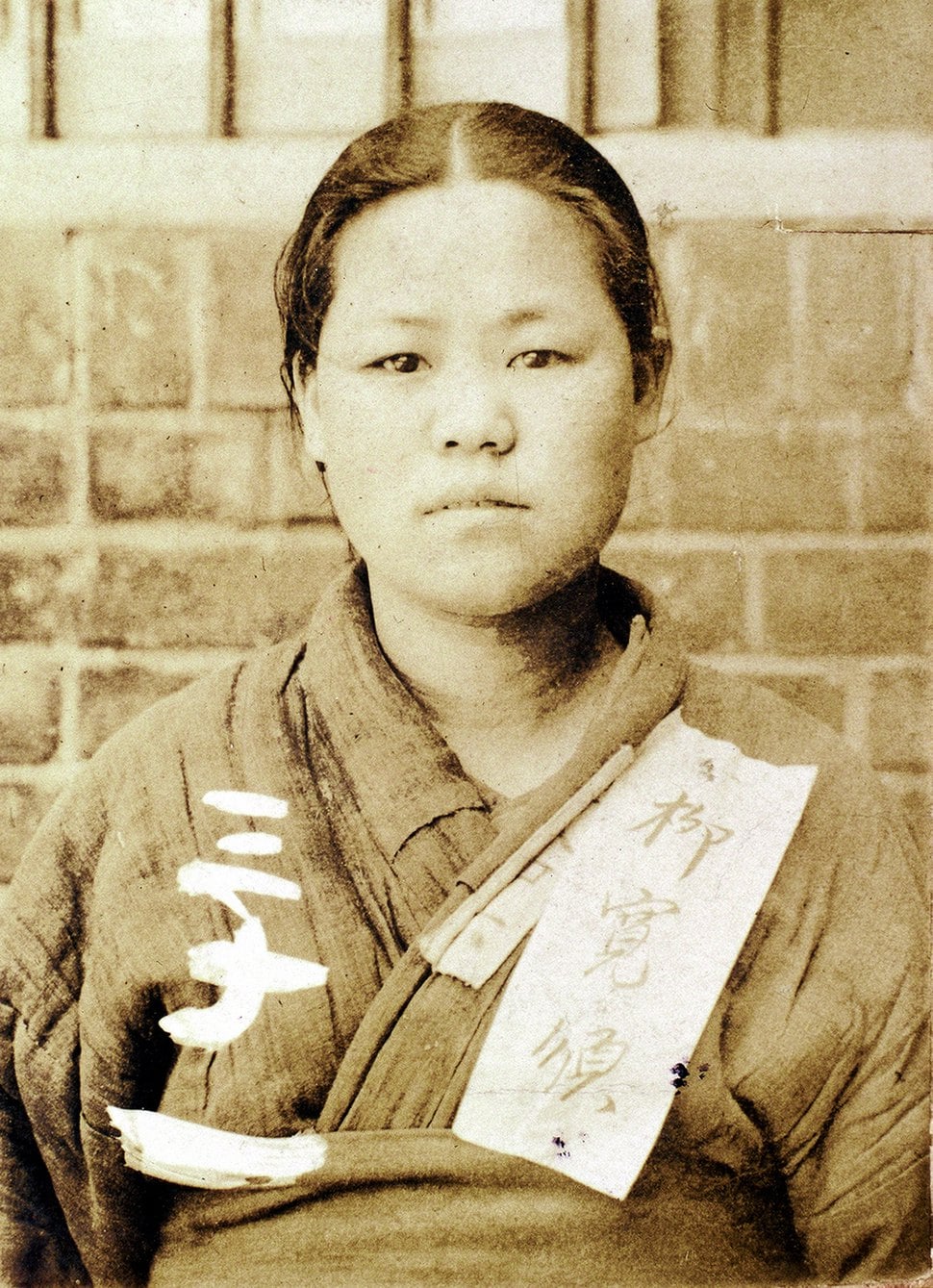
Yun Po-sun
 South Korea
Birthday
August 26, 1897
Birth Sign
Sagittarius
Birthplace
Asan, South Korea
Age
Died at 92
About
Yun Po-sun was a South Korean politician and activist who served as the second president of South Korea from 1960 to 1962. His presidency, during the short-lived Second Republic, was largely ceremonial, with real executive power resting in the prime minister. A graduate of the University of Edinburgh, Yun was a lifelong advocate for democracy and is sometimes called the father of the modern democratic movement in Korea.
Before his presidency, Yun held key government posts, including Mayor of Seoul and Minister of Commerce. He co-founded the South Korean Democratic Party in 1955. His time in office ended abruptly after Park Chung Hee's military coup in 1961, but Yun remained a vocal figure for democratic governance until his death in 1990. He is remembered as a principled leader during a turbulent period in South Korean history.
Early Life & Background
Yun Po-sun was born on August 26, 1897, in Asan, a town in South Chungcheong Province. His father, Chisogong, was a respected local figure, and the family home in Anguk-dong, Seoul, was built in 1870 and later became a historical site. Yun grew up during the Japanese occupation of Korea, which shaped his nationalist and democratic convictions.
He pursued higher education abroad, graduating from the University of Edinburgh in 1930, where he studied politics and history. Returning to Korea, he became involved in journalism and academia, but it was after World War II that he entered politics. In 1947, he served as Secretary to Korea's Chief of Staff, followed by his appointment as Mayor of Seoul in 1948. From 1949 to 1950, he was Minister of Commerce, gaining administrative experience that would later define his political career. In 1955, he co-founded the South Korean Democratic Party, a key opposition force during the authoritarian First Republic.
Career Growth
Yun Po-sun's political career reached its peak in 1960 when he was elected president under the Second Republic. The new constitution created a parliamentary system, making the presidency largely symbolic. During his tenure, Yun focused on promoting democratic reforms and civil liberties. However, his time in office was cut short by the May 16 coup in 1961, led by Park Chung Hee. Yun resigned in March 1962, after months of political pressure.
After leaving office, Yun remained active in politics, running for president again in 1963 and 1967, though he was unsuccessful. He continued to advocate for democracy and human rights, becoming a respected elder statesman. His legacy is tied to his efforts to establish democratic governance in South Korea, even as the country fell under military rule.
Career Timeline
Public Image & Style
Yun Po-sun was perceived as a principled and dignified politician, often seen as a contrast to the authoritarian leaders who followed. He was known for his modesty and intellectual demeanor, which earned him respect across the political spectrum. His commitment to democracy, even after his presidency, made him a symbol of resistance against military rule. In South Korea, he is remembered as a champion of democratic values, and his legacy is invoked in discussions about the country's political evolution.
Fame & Fandom (iFAMOUS Rankings)
Yun Po-sun commands a reverence that defies the modern metrics of viral fandoms and chart-topping campaigns. As the second president of South Korea, his legacy is not built on fan-driven billboards or digital streaming pushes but on the solemn weight of historical memory. He represents a specific era of democratic aspiration, remembered by historians and students rather than mobilized crowds. There is no organized fanbase with a moniker, nor are there rituals of birthday tributes or charity drives funded by admirers. The public relationship remains one of state-sanctioned commemoration and educational study, where his life serves as a lesson in moral integrity and the fragility of democracy. His 'iconic moments' are political milestones: the brief experiment of the Second Republic and his dignified exit following the 1961 military coup. These events form a narrative of resistance against authoritarianism, distinct from the chaotic lore surrounding contemporary entertainers. iFANN has evaluated this figure within its Global Fame Engine framework. Yun Po-sun is currently evaluated but does not hold a placement in the published rankings. He is absent from the Global Top 1,000 list and any Top-100 scope lists. This absence reflects his status as a historical statesman rather than a current pop culture icon whose fame fluctuates with daily news cycles.
Interesting Facts and Legends
Yun Po-sun was renowned for his elegant calligraphy, which he frequently employed in personal correspondence throughout his life. An avid reader of classical literature, he maintained a private library boasting over 10,000 volumes. Despite his high office, he never owned a car, preferring to walk or utilize public transport. A teetotaler, he smoked a pipe exclusively. His family home in Anguk-dong, now a historic site, stands as a popular tourist attraction in Seoul. Beyond these personal habits, historical accounts often retell the story of his presidency during the short-lived Second Republic. This period symbolizes a fleeting attempt at liberal democracy before the May 16 coup, marking him as a figurehead who prioritized constitutional order over executive power. Another enduring legend concerns his reputation for incorruptibility; unlike many contemporaries, he left office quietly after the coup, maintaining his dignity until his death in 1990. This quiet retirement contrasts sharply with the turbulent fates of other leaders, cementing his image as a man of principle. Fans of history still discuss his life as a masterclass in ethical leadership during times of national crisis.
Family & Personal Life
Yun Po-sun was married twice. His first wife, Min Gyeongsuk, passed away in 1937. He later married Gong Deok-gwi, who survived him. The couple had several children, though details are scarce. Yun's father, Chisogong, was a scholar and landowner who instilled in him a strong sense of duty. The family home in Anguk-dong, built in 1870, is now designated as a cultural heritage site, reflecting the family's historical significance.
Notable Connections
Yun Po-sun's political career was closely tied to Park Chung Hee, whose coup ended his presidency. He also worked with Chang Myon, who served as prime minister during his tenure. His father, Chisogong, influenced his early life, and his alma mater, the University of Edinburgh, has recognized him as a notable alumnus.
Relationships & Dating History
Yun Po-sun married Min Gyeongsuk in the early 1920s. The couple had several children, but Min passed away in 1937. After a period of mourning, Yun married Gong Deok-gwi in 1940. Gong was a supportive partner throughout his political career and remained with him until his death in 1990. At the time of his death, Yun was married to Gong Deok-gwi.
- MarriedMin Gyeongsuk1920 - 1937First wife, died in 1937.
- MarriedGong Deok-gwi1940 - 1990Second wife, survived him.
Death & Aftermath
Died
July 18, 1990 (aged 92)
Death Place
Unknown
Cause of Death
Natural causes
Yun Po-sun, the second president of South Korea and a key figure in the country's democratic movement, died on July 18, 1990. He was 92 years old at the time of his death. The New York Times reported that he passed away "Wednesday night" with the statement coming from his aides on July 19, 1990. While the date of death is consistently recorded as July 18, 1990 across multiple sources, specific details regarding the exact location of his death and the official medical cause of death were not detailed in the provided search results beyond the general confirmation of his passing by aides. The obituary and biographical entries treat the event as a straightforward conclusion to a long life of public service without mention of suspicious circumstances requiring legal inquiry.
Public reaction to his death included tributes recognizing him as a pivotal figure in Korean democracy. He is widely regarded as the "father of the modern democratic movement in Korea" and the only president of the short-lived Second Republic of Korea, which operated under a parliamentary system where he served as a figurehead. Tributes from institutions highlighted his role as a diplomat and reformer who advocated for democracy and social progress. However, the provided search results do not contain specific details regarding fan vigils, chart surges, moments of silence, or memorial murals erected immediately following his death in 1990. His funeral and memorial arrangements are not detailed in the provided snippets.
The New York Times obituary confirms his death but does not specify whether the funeral was public or private, nor does it list notable attendees, performances, or the specific location of his burial or cremation. In terms of posthumous recognition, Yun Po-sun is honored as a former graduate of the University of Edinburgh (class of 1930) and is listed among its notable alumni for his contributions to history. He remains commemorated in educational resources and encyclopedias as a central figure in South Korean political history.
Net Worth (Estate Value)
$10 Million
iFANN Editorial Team estimate
As a public servant and later a politician, Yun Po-sun's personal wealth remained modest throughout his career. Research by the iFANN Editorial Team puts his net worth at $10 Million as of 2026, reflecting the significant appreciation of his estate including the historic family home in Anguk-dong. This valuation captures the cultural and historical significance of the property alongside his accumulated savings and family assets. The current figure underscores how the value of his legacy assets has grown substantially over the decades since his passing.
Awards & Accolades
Known For
President of South Korea
1960 · President
Mayor of Seoul
1948 · Mayor
Minister of Commerce
1949 · Minister
Keywords
Sources
Quick Facts
- Profession
- politician, journalist
- Born
- August 26, 1897
- Birthplace
- Asan, South Korea
- Died
- July 18, 1990
- Death Place
- Seoul, South Korea
- Gender
- Male
- Spouse
- Min Gyeongsuk, Gong Deok-gwi
- Education
- University of Edinburgh
Personal Details
- Spouse
- Min Gyeongsuk, Gong Deok-gwi
- Education
- University of Edinburgh (1930)
Frequently Asked Questions
Who was Yun Po-sun?
When was Yun Po-sun president?
What was Yun Po-sun's net worth?
How did Yun Po-sun die?
What is Yun Po-sun best known for?
Similar People
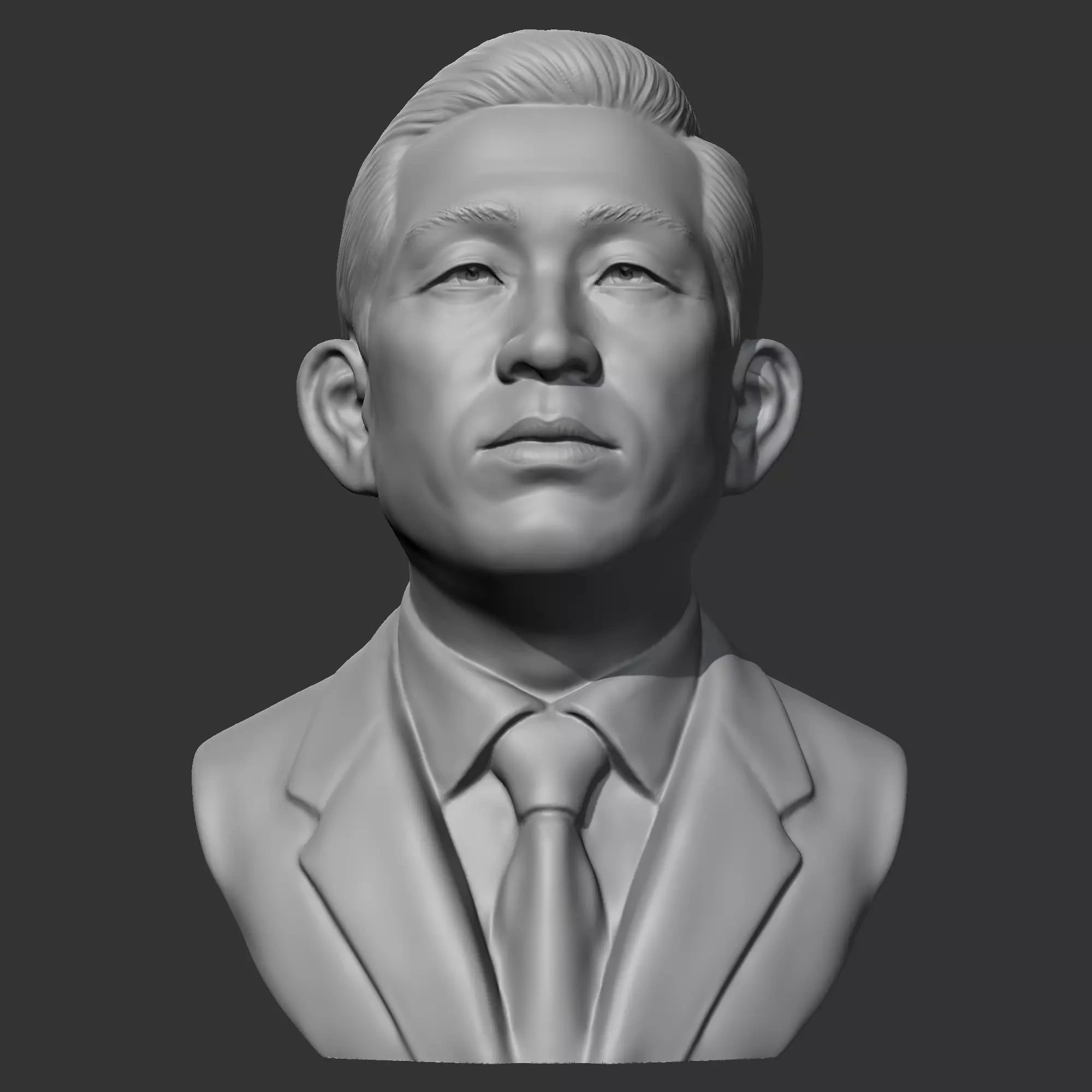
Join the community
fans discussing