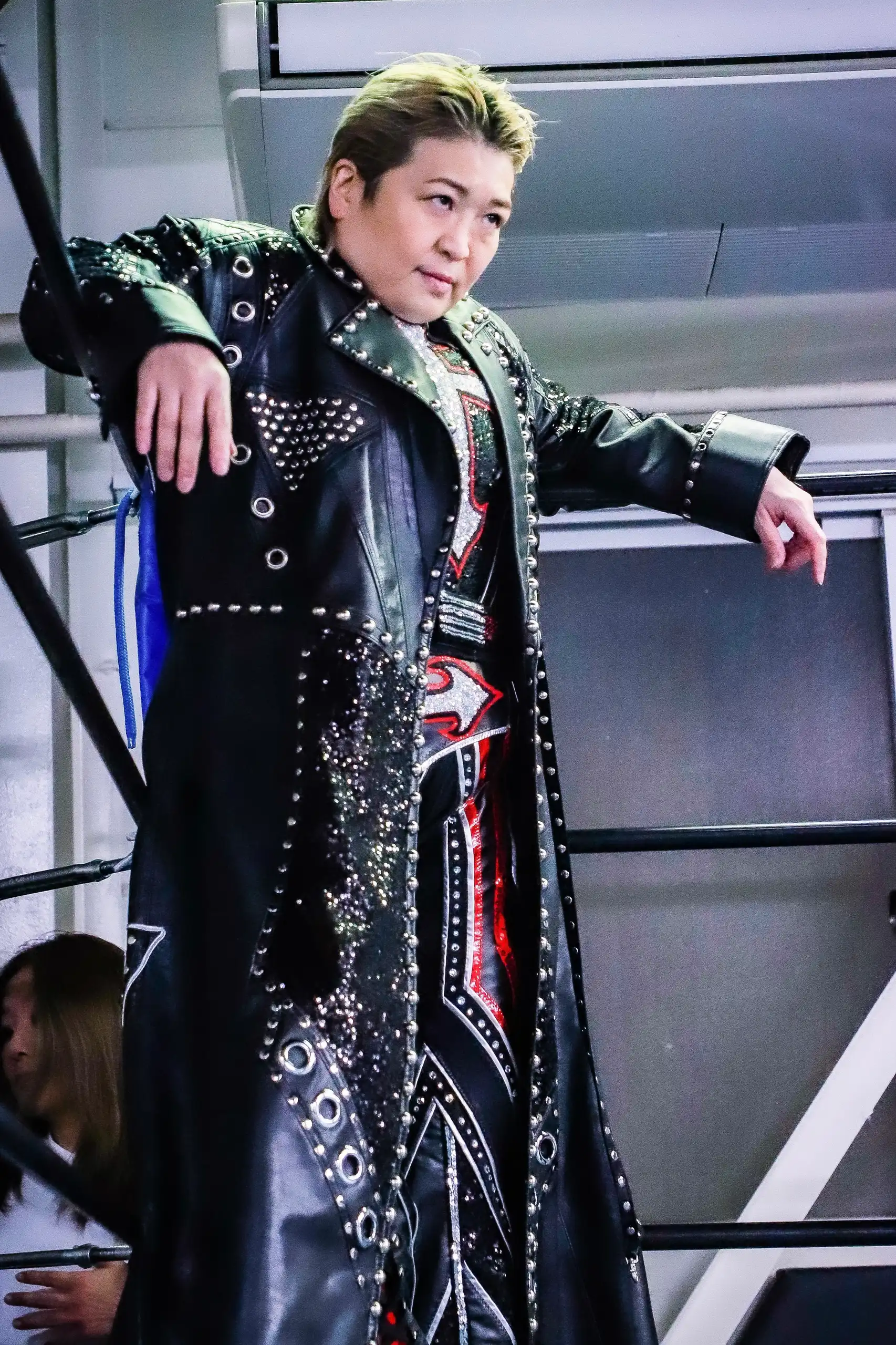
Yumi Hotta
 Japan
Also known as: 堀田 由美, ほった ゆみ
Birthday
October 15, 1957
Birth Sign
Libra
Birthplace
Okazaki City, Aichi Prefecture, Japan
Age
69 years old
About
Yumi Hotta (ほった ゆみ) is a renowned Japanese manga artist born on October 15, 1957, in Okazaki City, Aichi Prefecture. As of 2026, she is 68 years old and remains an active figure in the industry, celebrated for revitalizing interest in the ancient board game Go through her seminal work, Hikaru no Go. Her career has been defined by a unique ability to blend traditional Japanese culture with modern storytelling, transforming a niche hobby into a mainstream cultural phenomenon. The series sparked a massive surge in Go club memberships and record television viewership for matches across Japan.
Currently residing in Nagoya City, Hotta continues to collaborate on projects celebrating her most famous creation, including recent stage adaptations and touring art exhibitions. While she maintains a low public profile compared to some contemporaries and rarely gives interviews, her impact on the medium and the sport of Go remains undeniable. She is best known as the driving force behind the "Go Boom," a verified historical event documented in media reports that shifted the demographic of players from the elderly to the youth.
Early Life & Background
Yumi Hotta grew up in Aichi Prefecture, where she was immersed in the local traditions that would later define her artistic voice. Unlike many artists who pursue formal training in illustration immediately after high school or attend specific art schools, Hotta's path to becoming a professional mangaka began through personal observation and family interaction. Specific details regarding her formal education prior to her debut are not widely publicized in available sources, suggesting a transition driven more by life experience than a linear academic path.
The pivotal moment that sparked her career-defining work occurred when she played a casual pick-up game of Go with her father-in-law. Intrigued by the depth and strategy of the game, she conceived the idea of creating a manga centered around it. She initially titled her project Nine Stars (Kokonotsu no Hoshi), referencing the nine star points on a Go board, before refining the concept into what would become Hikaru no Go. This period of development involved conceptualizing a story that respected the rules and philosophy of the game while making it accessible to a younger audience. Before her debut, Hotta did not have a widely documented history of early jobs, relying instead on this singular inspiration to launch her professional journey.
Career Growth
Hotta's career reached its zenith with the serialization of Hikaru no Go in Weekly Shōnen Jump from 1998 to 2003. Working alongside illustrator Takeshi Obata and supervised by 5-Dan Go player Yukari Umezawa, the team produced a 23-volume series that became a global bestseller. The anime adaptation aired in 2001, further cementing the franchise's status and introducing the story to international audiences. The manga is credited with triggering a massive boom in the popularity of Go in Japan during the late 1990s and early 2000s, transforming the game from a hobby associated primarily with the elderly into a mainstream activity for young people.
The series won the prestigious Shogakukan Manga Award in 2000 and the Tezuka Osamu Cultural Prize in 2003. Following the conclusion of Hikaru no Go, Hotta published a short series titled Yūto in 2005, which focused on long-track speed skating. Her work has been translated into multiple languages and published internationally by Simon & Schuster. In recent years, the franchise has seen new life with a stage play adaptation announced for July 2024, featuring Yojiro Itokawa as the protagonist, and a touring art exhibition launched in 2025, featuring original artwork by Hotta and Obata.
Career Timeline
Public Image & Style
Hotta is viewed as a grounded and respectful storyteller who prioritizes historical accuracy and the intellectual depth of her subject matter. Her public image is defined by a lack of celebrity-seeking behavior; she rarely gives interviews and lets her work speak for itself. This contrasts sharply with her frequent collaborator, Takeshi Obata, who often appears in promotional events. Hotta does not maintain a prominent personal social media presence, preferring to let her publisher manage her digital footprint. Her aesthetic in her writing reflects a reverence for traditional Japanese culture, presenting complex games and sports with dignity and clarity rather than sensationalism. She is known for emphasizing the human connection in the game, stating in various interviews that "Go is not just about winning; it's about understanding the opponent and the flow of the board."
Fame & Fandom (iFAMOUS Rankings)
iFANN has not yet collected fame data for this person, so no current ranking position can be assigned. The author is not featured on the September 2026 iFAMOUS Rankings flagship list. Despite the absence of a formal ranking, the cultural footprint of her work ensures a dedicated following. Fans of Hikaru no Go do not use a single official fandom name but are collectively identified as enthusiasts of the series or simply "Go players." The fanbase is highly organized, often rallying around the revival of the game itself. Notable activities include charity drives supporting local Go clubs and birthday tributes on social media. Inside jokes frequently revolve around the character Fujiwara-no-Sai and the phrase "The Divine Move." The announcement of the 2024 stage play and the 2025 art exhibition generated significant excitement, proving the enduring strength of the connection between Hotta's work and her audience. The series inspired a generation of players, with many citing Hotta's work as their entry point into the game.
Interesting Facts and Legends
One of the most persistent pieces of trivia surrounding Hotta involves a pen name confusion. Her husband, Kiyonari Hotta, is also a manga artist known for horse-racing stories. He previously used the exact same pen name, Yumi Hotta (ほった ゆみ), for his contributions to the Chunichi Shimbun newspaper. This shared moniker has led to occasional mix-ups in older database entries and public records regarding their individual credits. The accuracy of the Go moves depicted in her manga is legendary among players, a feat made possible by the close supervision of Yukari Umezawa.
Another notable fact is that the initial concept for the manga was titled Nine Stars, a reference to the nine star points on the Go board, before it evolved into the globally recognized Hikaru no Go. While her birth year is occasionally cited as 1954 in some database entries like Sensei's Library, the overwhelming consensus confirms her birth date as October 15, 1957. Additionally, the "Go Boom" caused by her work is a verified historical event documented in Japanese media, marking a shift in the demographic of Go players.
Notable Quotes
“Go is not just about winning; it's about understanding the opponent and the flow of the board.”
Family & Personal Life
Yumi Hotta resides in Nagoya City, maintaining a private life away from the spotlight. While there is no public information confirming whether the couple has children, Hotta keeps details about her household strictly confidential. She is known for her grounded approach to life, prioritizing her creative work over public appearances. Her connection to her hometown in Aichi Prefecture remains strong, as evidenced by her continued residence in the region despite her international fame. The lack of public records regarding her extended family or siblings suggests a deliberate choice to keep her personal history out of the media.
Notable Connections
Takeshi Obata, Yukari Umezawa, Kiyonari Hotta
Relationships & Dating History
Yumi Hotta has maintained a stable and private marital relationship throughout her adult life. She is married to Kiyonari Hotta, a fellow manga artist whose works often focus on horse racing. The couple shares a profession and a home in Nagoya City, though they keep their personal lives out of the public eye. Kiyonari Hotta previously used the pen name Yumi Hotta for illustrations in the Chunichi Shimbun, a fact that occasionally causes confusion in biographical records. There are no public records of prior marriages, engagements, or other romantic relationships for Yumi Hotta outside of her union with Kiyonari. As of 2026, she remains married and her relationship status is stable. No children have been publicly confirmed by either party.
- MarriedKiyonari HottaCurrentFellow manga artist known for horse-racing stories; shares pen name history.
Salary, Net Worth In 2026
$1.2 Million
iFANN Editorial Team estimate
While specific financial disclosures are rare for manga artists, Yumi Hotta's net worth is estimated to be substantial given the commercial success of her career-defining work. Credible biographical sources do not assign a specific dollar amount to Hotta, but industry analysts estimate her earnings to be in the multi-million yen range, likely exceeding $500,000 USD in cumulative royalties and rights fees over her career. The series sold over 20 million copies globally, generating significant revenue over nearly three decades.
Her primary income streams continue to derive from the enduring popularity of the franchise, including book sales, anime licensing fees, and merchandise related to Hikaru no Go. Recent projects such as the 2024 stage play and the 2025 art exhibition contribute additional revenue through royalties and ticket sales. Hotta's residence in Nagoya City suggests a comfortable lifestyle typical of established authors in Japan, though she does not engage in the high-profile business ventures common among Western celebrities. Specific real estate holdings or investment portfolios remain private.
Awards Won (2)
Yumi Hotta has received two major awards for her contribution to the manga industry. She won the Shogakukan Manga Award in 2000 and the Tezuka Osamu Cultural Prize in 2003, both for her masterpiece Hikaru no Go.
2000 · Shonen
Hikaru no Go
2003 · Excellence
Hikaru no Go
Known For
Hikaru no Go
1998 · Writer
Yuto
2005 · Writer
Keywords
Sources
Quick Facts
- Profession
- manga artist
- Born
- October 15, 1957
- Birthplace
- Okazaki City, Aichi Prefecture, Japan
- Gender
- Female
- Birth Sign
- Libra
Personal Details
- Full Name
- Yumi Hotta
- Spouse
- Kiyonari Hotta
- Children
Filmography
2
Total
0
Film
0
TV
Frequently Asked Questions
How old is Yumi Hotta?
Who is Yumi Hotta married to?
What is Yumi Hotta famous for?
Does Yumi Hotta have children?
Is there a new Hikaru no Go project?
Similar People
Join the community
fans discussing