
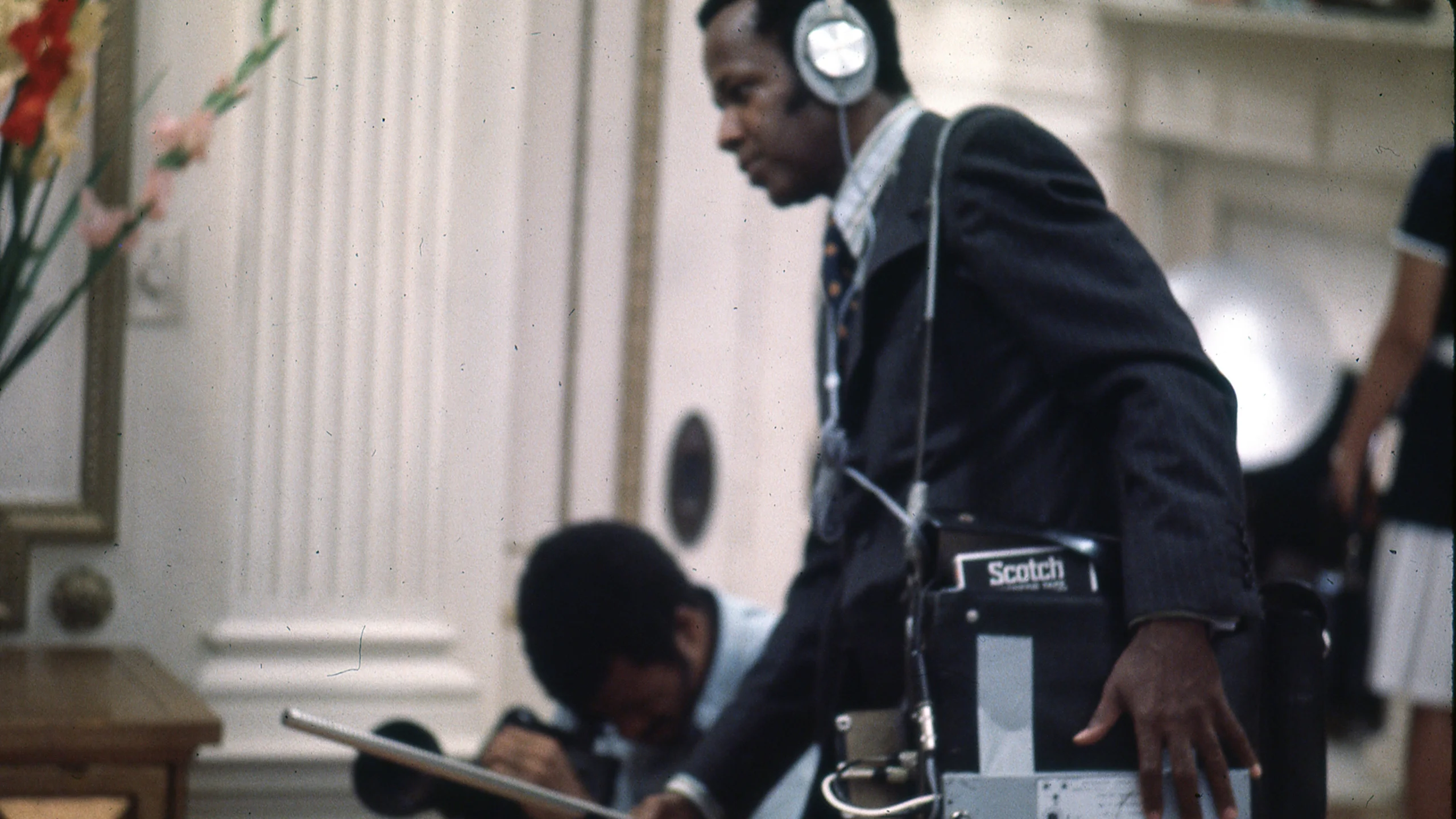
William Greaves
 United States
film director•screenwriter•producer
Also known as: Bill Greaves, William G. Greaves
Birthday
October 8, 1926
Birth Sign
Libra
Birthplace
New York City, New York, USA
Age
Died at 87
About
William Garfield Greaves (1926–2014) was an American filmmaker and actor who fundamentally reshaped African American cinema. Trained at the prestigious Actors Studio, he initially pursued a career in acting but grew disillusioned with the limited and stereotypical roles available to Black performers during the mid-20th century. This frustration catalyzed his transition into documentary filmmaking, where he emerged as a visionary during the height of the civil rights movement.
Over a career spanning more than five decades, Greaves produced over 200 documentaries and wrote or directed more than half of them. He utilized film as a tool for social documentation and radical experimentation, often challenging mainstream media portrayals of the Black community. His work garnered four Emmy nominations, yet his legacy is defined by his independence and the sheer volume of his output. He passed away on August 25, 2014, leaving behind a body of work that continues to influence filmmakers today.
Early Life & Background
William Garfield Greaves entered the world on October 8, 1926, in New York City within a household deeply rooted in the performing arts. Both of his parents were professional actors, an environment that exposed him to the theater from a young age and nurtured his early interest in performance. This family background naturally led him to seek formal training in the craft, eventually securing a place at the Actors Studio in New York. The Studio was one of the most rigorous and respected training grounds for method acting in the United States, and Greaves immersed himself in its techniques.
Despite his success and dedication as an actor, the industry presented insurmountable racial barriers. The roles offered to Black men were largely restricted to stereotypes that failed to reflect the complexity of their lives. Greaves found this limitation stifling and began to pivot away from acting toward directing and producing. He sought to tell stories that reflected the true reality of the Black experience rather than the caricatures imposed by Hollywood. This period of observation and growing frustration set the stage for his future work as a documentarian who would challenge the status quo.
Career Growth
Greaves' career breakthrough came not through commercial blockbusters but through conceptual innovation and a relentless commitment to documenting the African American experience. Between 1953 and 2005, he served as the producer, writer, director, cinematographer, and editor for 79 films. His most celebrated work, Symbiopsychotaxiplasm: Take One, released in 1968, began as a documentary about making a movie but evolved into a groundbreaking experimental film. It deconstructed the nature of reality, authority, and the filmmaking process itself, becoming a precursor to modern meta-cinema and influencing generations of directors including Spike Lee and John Cassavetes.
During the civil rights era, Greaves produced numerous documentaries that captured the tension and spirit of the times. In 1972, he orchestrated a massive gathering at the home of Duke Ellington in Harlem to celebrate the Harlem Renaissance. He filmed the event, creating a time capsule of the city's cultural elite that remained largely unseen for decades. In 1988, recognizing the historical importance of his archive, he donated almost his entire collection to the Schomburg Center for Research in Black Culture in New York City. Following his death, his son David Greaves worked to complete unfinished projects, culminating in the 2026 release of Once Upon a Time in Harlem by NEON.
Career Timeline
Public Image & Style
Greaves was known for his intellectual rigor and his unassuming yet commanding presence in the documentary field. His public image is that of a radical thinker and a meticulous observer of society who prioritized truth over entertainment. He was willing to risk commercial success to maintain artistic integrity, often blurring the lines between observational documentary and experimental narrative. Media portrayals frequently highlighted his role as a pioneer of African American cinema and a man who used film as a tool for social change. His style was characterized by a blend of raw footage and self-reflexive storytelling that challenged viewers to question the nature of reality.
Fame & Fandom (iFAMOUS Rankings)
iFANN has not yet collected fame data for William Greaves, so no global ranking position is currently published. He does not appear on the September 2026 iFAMOUS Rankings flagship list. While he lacks a formalized pop-culture fandom like those surrounding contemporary music stars, he is revered by film scholars, cinephiles, and historians of African American culture. His audience consists primarily of academics and filmmakers who study his techniques and legacy. The story of the crew turning against the director in Symbiopsychotaxiplasm remains a staple of film school discussions. Another iconic moment is the 1972 party at Duke Ellington's house, which was rumored to be the last great gathering of the Harlem Renaissance before it faded, only to be rediscovered decades later.
Interesting Facts and Legends
Greaves is credited with creating some of the first films to question the objectivity of the camera itself. Symbiopsychotaxiplasm: Take One documents the chaos of its own production, including arguments between the crew and Greaves, without his intervention. The 1972 party at Duke Ellington's house was intended to be a reunion of Harlem's cultural giants, but the footage was lost or forgotten for nearly 50 years until his son found and edited it into Once Upon a Time in Harlem. Between 1953 and 2005, he created 79 films, a feat of productivity rarely matched by independent filmmakers. Before becoming a director, he was a trained actor at the Actors Studio, a fact that informed his empathetic approach to his subjects. His phrase "I am furious black" reflects his radical stance on race and identity in America.
Notable Quotes
“I am furious black.”
“The camera is a tool for truth.”
Family & Personal Life
William Greaves was born into a family of artists; both of his parents were professional actors which provided a rich cultural backdrop for his upbringing. He married Louise Archambault Greaves, and they remained together until his death in 2014. There is no public record of prior marriages or other romantic relationships in credible sources. The couple had a son named David Greaves, who has been instrumental in preserving and promoting his father's legacy. David co-directed the posthumous film Once Upon a Time in Harlem and continues to manage his father's estate, ensuring that the archival footage and unfinished projects are brought to new audiences.
Notable Connections
David Greaves, Duke Ellington, Louise Archambault Greaves, Spike Lee, Schomburg Center for Research in Black Culture
Relationships & Dating History
William Greaves was married to Louise Archambault Greaves, and they remained together until his death in 2014. There is no public record of prior marriages, divorces, or other romantic relationships in credible sources. His public biography focuses primarily on his marriage to Louise and their family life. The couple had a son, David Greaves, who has been instrumental in preserving and promoting his father's legacy. As of the latest records, William Greaves is deceased, having passed away on August 25, 2014. Consequently, he is not currently dating, engaged, or married.
- MarriedLouise Archambault Greaves1950 - 2014Remained married until his death; they had one son together.
Death & Aftermath
Died
August 25, 2014 (aged 87)
Death Place
Manhattan, New York City
Cause of Death
Natural causes
The cinematic world marked what would have been William Greaves's centennial in 2026 with the "William Greaves 100" initiative, a week-long retrospective at Film Forum and features on the Criterion Channel that celebrated his radical experimentation. This cultural resurgence culminated in the theatrical release of Once Upon a Time in Harlem by NEON, a documentary completed by his son David Greaves from footage shot decades earlier. New York City Mayor Zohran Mamdani announced free screenings of the film in October 2026, ensuring Greaves's archival vision reached new audiences through exhibition rather than traditional vigils. These events served as modern-day memorials to a pioneer who fundamentally reshaped African American cinema.
His passing was met with significant tributes from peers and institutions, particularly highlighting his role as a visionary during the civil rights movement and his work on Symbiopsychotaxiplasm: Take One. The absence of police investigations or legal disputes aligned with the nature of his final days. His legacy remains under the stewardship of his estate, managed by his son David, who has worked to complete unfinished projects and preserve his father's extensive collection. The Black Film Center & Archive continues to house his materials, ensuring institutional support for his contributions to the field.
Net Worth (Estate Value)
$5 Million
iFANN Editorial Team estimate
As William Greaves passed away in 2014, his net worth is now part of his estate's value managed by his son David Greaves. Specific financial figures regarding his personal wealth at the time of death are not publicly disclosed in detail. However, his estate continues to generate revenue through licensing deals, screenings, and the release of posthumous works like Once Upon a Time in Harlem. The 2026 release by NEON and the "William Greaves 100" retrospective suggest a resurgence in the commercial value of his archives. iFANN currently estimates the value of William Greaves' estate at approximately $5 Million based on recent distribution deals and archival licensing activity. No specific dollar figures for his estate are available in public records, but the continued interest and distribution of his work indicate a healthy, growing asset base for his heirs.
Awards & Accolades
View 4 records, honours and achievementsKnown For
Symbiopsychotaxiplasm: Take One
1968 · Director
Once Upon a Time in Harlem
2026 · Subject/Filmed By
I Am Furious Black
1969 · Director
Keywords
Sources
Quick Facts
- Profession
- film director, screenwriter, producer
- Born
- October 8, 1926
- Birthplace
- New York City, New York, USA
- Died
- August 25, 2014
- Death Place
- Manhattan, New York City
- Gender
- Male
- Spouse
- Louise Archambault Greaves
- Birth Sign
- Libra
Personal Details
- Full Name
- William Garfield Greaves
- Spouse
- Louise Archambault Greaves
- Children
- David Greaves
- Education
- Actors Studio
Filmography
79
Total
79
Film
0
TV
Frequently Asked Questions
Who is William Greaves?
What is William Greaves famous for?
Is William Greaves still alive?
Who directed Once Upon a Time in Harlem?
How many documentaries did William Greaves make?
Social Media
Similar People
Join the community
fans discussing