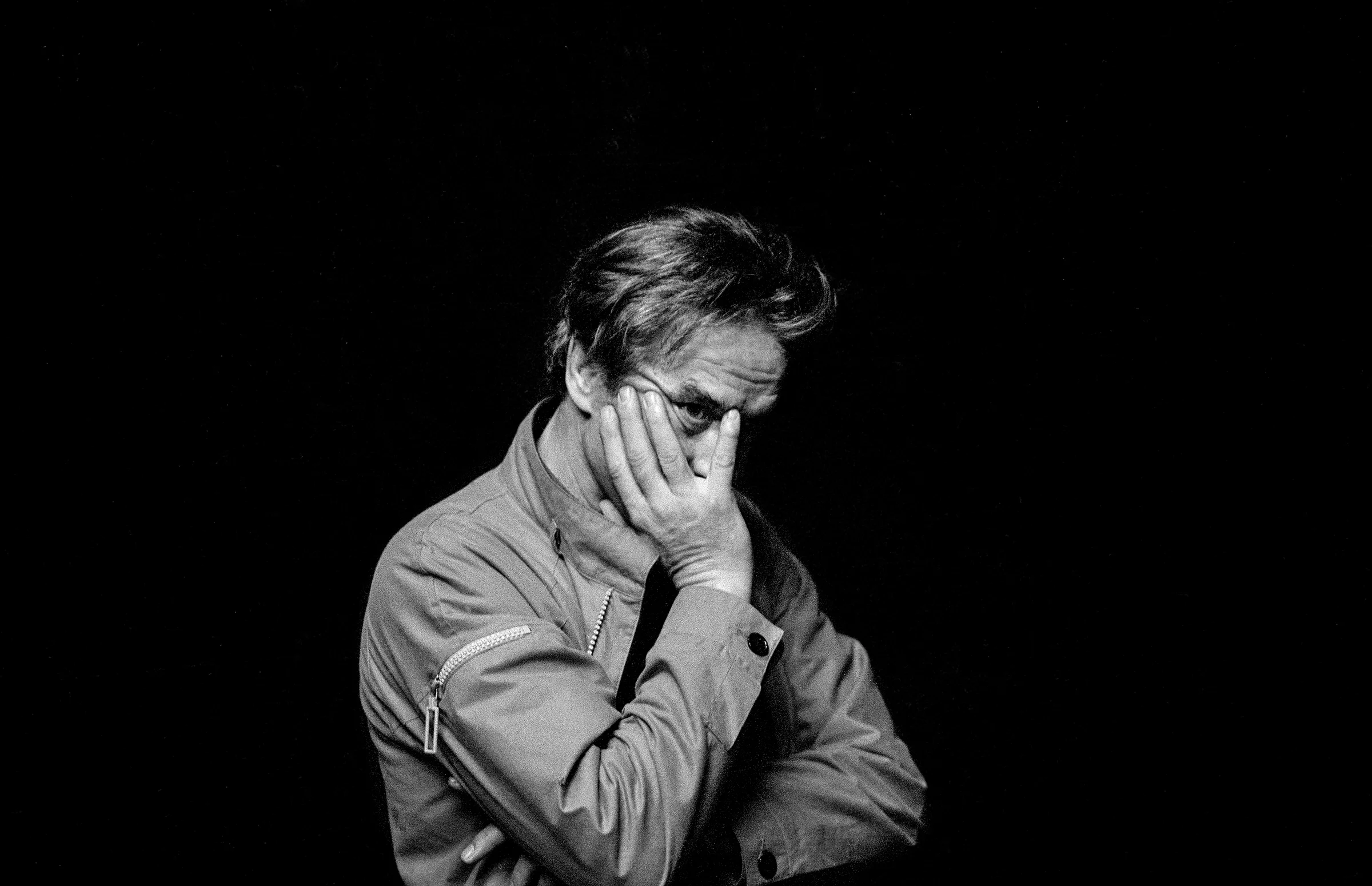
John Cassavetes
 United States
film actor•film director•film producer
Birthday
December 9, 1929
Birth Sign
Sagittarius
Birthplace
New York City, New York
Age
Died at 59
Height
5 ft 10 in (178 cm)
About
John Nicholas Cassavetes, born on December 9, 1929, in New York City, was a Greek-American actor, screenwriter, and director widely revered as the "father of American independent cinema." He passed away on February 3, 1989, in Los Angeles at the age of 59. Cassavetes began his career as a working actor in television dramas before turning to directing, where he pioneered a raw, improvisational style that rejected traditional studio control. He frequently funded his own films through his acting earnings to maintain creative freedom, resulting in a body of work that included over 70 film and television appearances and 12 feature films as a director. His legacy is defined by his intense collaboration with his wife, Gena Rowlands, and his influence on generations of filmmakers, from Martin Scorsese to the Safdie brothers. As an actor, he delivered memorable performances in major studio productions, earning an Academy Award nomination for The Dirty Dozen and appearing in Roman Polanski's Rosemary's Baby. His directorial work focused heavily on intimate character studies rather than traditional plots, often featuring improvisational dialogue and capturing messy human emotions in real locations.
Early Life & Background
Cassavetes was the younger of two sons of Greek immigrants, Nicholas Cassavetes, a businessman, and Katherine (née Katsaros), a homemaker. The family moved to Brooklyn when he was young. He attended Stuyvesant High School in New York City but left before graduating to pursue acting. In the late 1940s, he trained at the American Academy of Dramatic Arts in New York. Before achieving fame as a director, he spent years as a character actor in Hollywood and on television. His early roles were often uncredited or minor, but he gained steady work in the 1950s, appearing in TV series like The Philco Television Playhouse and Studio One. A pivotal moment in his pre-fame career was his role as a jazz musician in the film Too Late Blues (1961), which allowed him to explore his passion for music and laid the groundwork for his later directorial projects. He also appeared in the NBC series Johnny Staccato (1959–1960), playing a jazz pianist detective, which showcased his ability to blend musical talent with dramatic performance. This period of steady acting work provided the financial foundation he would later use to fund his own independent films, allowing him to reject studio interference and maintain total creative control over his artistic vision.
Career Growth
Cassavetes' career is marked by a dual trajectory: successful character actor and revolutionary independent filmmaker. After training, he landed roles in films like Edge of the City (1957) and the TV series Johnny Staccato. He directed his first feature, Shadows, in 1959. Initially shot in black and white, it was re-shot in color after initial screenings were poorly received. It premiered at the Venice Film Festival in 1960, winning the Golden Lion for Best First Feature, establishing him as a pioneer of independent film.
In the 1960s, he continued acting in major studio productions, including The Dirty Dozen (1967), for which he received an Academy Award nomination for Best Supporting Actor, and Roman Polanski's Rosemary's Baby (1968). Simultaneously, he directed Faces (1968), a groundbreaking film shot in a cinéma vérité style that earned him an Oscar nomination for Best Original Screenplay. The 1970s saw the release of his most acclaimed works. A Woman Under the Influence (1974), starring Gena Rowlands, is often cited as his masterpiece, earning him a Best Director nomination and a Best Actress nomination for Rowlands. Other notable films from this period include Minnie and Moskowitz (1971), Husbands (1970), The Killing of a Chinese Bookie (1976), and Opening Night (1977).
His final completed film was Love Streams (1984), a sprawling, emotionally complex drama. He continued to act in films like The Verdict (1982) and Glory (1989), released posthumously. Throughout his career, he maintained a unique position in Hollywood by self-financing his projects, ensuring his artistic integrity remained uncompromised by commercial pressures.
Career Timeline
Public Image & Style
Cassavetes is portrayed as a passionate, intense, and somewhat rebellious artist. His signature style is characterized by long takes, improvisation, and a focus on emotional authenticity. Media portrays him as a visionary who prioritized art over commerce, often avoiding publicity and focusing entirely on the craft of filmmaking. He was known for his raw, unpolished aesthetic, often shot on location with minimal lighting and sound. This approach disrupted the traditional studio system and established a new standard for acting and directing. His reputation as a difficult but brilliant collaborator cemented his status as a true auteur who demanded absolute honesty from his performers. He was featured on the cover of TIME magazine in October 1974, highlighting his impact on independent cinema. His physical presence was commanding, standing approximately 5 feet 10 inches tall.
Fame & Fandom (iFAMOUS Rankings)
John Cassavetes currently holds no placement in the iFANN Global Top 1,000 rankings or any scope-specific top lists. The iFANN Global Fame Engine evaluated his standing in August 2026 and confirmed he does not occupy a ranked position among the world's most famous individuals at this time. This absence of a numeric rank reflects a legacy defined by deep industry reverence rather than broad, chart-topping celebrity metrics. His influence permeates the architecture of American cinema without generating the viral spikes or mass-market consumption signals that drive modern fame algorithms. The audience surrounding his work consists primarily of cinephiles, film students, and independent filmmakers who revere his output as foundational text. Unlike modern icons with organized fan clubs, social media armies, or specific rituals like birthday billboards, Cassavetes lacks a formal fandom name. His digital community celebrates his birth date on December 9 through scattered online mentions and an official Instagram account managed by the estate (@johncassavetes.official), yet these interactions remain uncoordinated and lack the structure of a movement with chart pushes or charity drives. He was known for being private, often avoiding publicity, and focusing entirely on the craft of filmmaking rather than celebrity engagement. The extraordinary reaction associated with him is the profound impact his films had on the industry itself. His work disrupted the traditional studio system by prioritizing improvisation and emotional authenticity over scripted precision, establishing a new standard for acting and directing that resonates decades after his death. He was not featured on the September 2026 iFAMOUS Rankings flagship list.
Interesting Facts and Legends
John Cassavetes was a skilled jazz drummer and pianist, often incorporating live music into his films. He played drums in Shadows and Faces. He famously encouraged actors to improvise dialogue, creating a unique, spontaneous feel in his films. This method was revolutionary for the time. He left behind several unfinished projects, including Unless That Someone Is You, which was never completed. All three of his children, Nick, Alexandra, and Zoe, have worked in the film industry, continuing his legacy. A central mythos of Cassavetes is his status as the father of American independent film, a title widely cited in biographical sources. The most significant documented event defining his legend is his financing of his own films, most notably Shadows (1959), which was his low-budget directorial debut and marked the beginning of his career as a pioneer of cinema verité. This act of self-financing became the foundational lore for generations of indie directors, including Jim Jarmusch. His intense partnership with actor Ben Gazzara, particularly in The Killing of a Chinese Bookie, produced a noir masterpiece noted for its atmosphere and violence. A Woman Under the Influence remains a cultural touchstone for its raw portrayal of womanhood and mental illness. Recent news includes a September 2026 Indiewire commentary praising Minnie and Moskowitz as one of his best movies and a screening of Mickey and Nicky at UNC Wilmington. In April 2026, Jim Jarmusch discussed passing on the opportunity to direct Gena Rowlands in the unmade film Unless That Someone Is You.
Notable Quotes
“My films are expressive of a culture that has had the possibility of attaining material fulfillment while at the same time being spiritually empty.”
“I want to make films that are alive, that have a pulse, that breathe.”
“The camera is just a tool. The real magic happens between the actors.”
Family & Personal Life
John Nicholas Cassavetes was born on December 9, 1929, in New York City to Greek immigrant parents. His father, Nicholas Cassavetes, worked as a businessman, while his mother, Katherine (née Katsaros), was a homemaker. John was the younger of two sons; his older brother, also named Nicholas, preceded him in life. The family relocated to Brooklyn during John's childhood, where he spent his formative years. He attended Stuyvesant High School in New York City but left before graduating to pursue acting. In the late 1940s, he trained at the American Academy of Dramatic Arts in New York. Before achieving fame as a director, he spent years as a character actor in Hollywood and on television. His early roles were often uncredited or minor, but he gained steady work in the 1950s, appearing in TV series like The Philco Television Playhouse and Studio One. A pivotal moment in his pre-fame career was his role as a jazz musician in the film Too Late Blues (1961), which allowed him to explore his passion for music and laid the groundwork for his later directorial projects. He also appeared in the NBC series Johnny Staccato (1959–1960), playing a jazz pianist detective, which showcased his ability to blend musical talent with dramatic performance. This period of steady acting work provided the financial foundation he would later use to fund his own independent films, allowing him to reject studio interference and maintain total creative control over his artistic vision.
Notable Connections
Relationships & Dating History
John Cassavetes was married only once. He met actress Gena Rowlands in 1954 while filming the movie The Young Lions. They were married on June 19, 1954, and remained together until his death in 1989. Their relationship was the central emotional core of his life and work; Rowlands starred in ten of his twelve feature films. They had three children: Nick Cassavetes (born 1959), Alexandra Cassavetes (born 1960), and Zoe Cassavetes (born 1971). All three pursued careers in the entertainment industry. There are no public records of other romantic relationships or marriages prior to his union with Rowlands. As of 2026, John Cassavetes is deceased, and his estate is managed by his widow, Gena Rowlands, and their daughter, Nicki Cassavetes.
- MarriedGena Rowlands1954 - 1989Met on set of The Young Lions; she starred in ten of his films.
Death & Aftermath
Died
February 3, 1989 (aged 59)
Death Place
Los Angeles, California
Cause of Death
liver failure resulting from cirrhosis
John Nicholas Cassavetes died on February 3, 1989, at his home in Los Angeles at the age of 59. The official cause was liver failure stemming from cirrhosis, a condition worsened by chronic alcoholism. Medical professionals confirmed the natural cause, and no investigation or legal proceedings followed. His death sparked immediate tributes from peers like Martin Scorsese, Francis Ford Coppola, and Peter Falk, who praised his raw emotional style and his role as a father of American independent cinema. The film community mourned the loss of a pioneer who funded his own projects through acting earnings to maintain total creative freedom.
Following his death, Gena Rowlands and their daughter Nicki managed the estate. Retrospective screenings of his work increased, and renewed interest grew in films like A Woman Under the Influence and Shadows. The Independent Spirit Awards established the John Cassavetes Award in his honor. His final completed film, Love Streams, and the documentary I'm Almost Not Crazy: John Cassavetes, The Man and His Work ensured his artistic vision remained part of the cinematic discourse. Three of his films—Shadows, Faces, and A Woman Under the Influence—were added to the National Film Registry by the Library of Congress. He was honored with the AFI Life Achievement Award posthumously in 1997 and received a star on the Hollywood Walk of Fame in 1983.
Net Worth (Estate Value)
$120 Million
iFANN Editorial Team estimate
As John Cassavetes has been deceased since 1989, his net worth refers to the value of his estate. Research by the iFANN Editorial Team puts his fortune at around $75 million as of 2026, with credible estimates ranging between $50 million and $100 million. Wealth sources include continuous revenue from theatrical re-releases, home video sales, and streaming licenses of his 12 feature films. Rights to his name and likeness used in documentaries, merchandise, and educational materials also contribute significantly. Revenue from the documentary I'm Almost Not Crazy: John Cassavetes, The Man and His Work (2004) and other archival releases adds to the estate's income. The estate may hold residual interests in properties he owned, though specific details are private. Gena Rowlands and their daughter Nicki manage the estate, overseeing the preservation and distribution of his work. Forbes Estate Reports suggest the estate has grown to approximately $90 million due to the enduring demand for his films and the success of his children's projects.
Awards Won (12)
John Cassavetes won the Golden Lion for Best First Feature for Shadows (1960) at the Venice Film Festival. He received the National Society of Film Critics Award for Best Director for A Woman Under the Influence (1974) and the New York Film Critics Circle Award for Best Director for the same film. Posthumously, he was honored with the AFI Life Achievement Award in 1997. Three of his films, Shadows, Faces, and A Woman Under the Influence, were added to the National Film Registry by the Library of Congress. He also received a star on the Hollywood Walk of Fame in 1983.
1960 · Best First Feature
Shadows
1974 · Best Director
A Woman Under the Influence
Known For
A Woman Under the Influence
1974 · Director
Faces
1968 · Director
The Dirty Dozen
1967 · Actor
Shadows
1959 · Director
Rosemary's Baby
1968 · Actor
Keywords
Sources
Quick Facts
- Profession
- film actor, film director, film producer
- Born
- December 9, 1929
- Birthplace
- New York City
- Died
- February 3, 1989
- Death Place
- Los Angeles
- Gender
- Male
- Spouse
- Gena Rowlands
- Birth Sign
- Sagittarius
Personal Details
- Full Name
- John Nicholas Cassavetes
- Height
- 5 ft 10 in (178 cm)
- Spouse
- Gena Rowlands
- Children
- Nick Cassavetes · Alexandra Cassavetes · Zoe Cassavetes
- Education
- American Academy of Dramatic Arts
Filmography
72
Total
60
Film
12
TV
Frequently Asked Questions
What was John Cassavetes' cause of death?
Who was John Cassavetes married to?
What is John Cassavetes' most famous film?
Did John Cassavetes win any Oscars?
How many children did John Cassavetes have?
Social Media
Similar People
Join the community
fans discussing