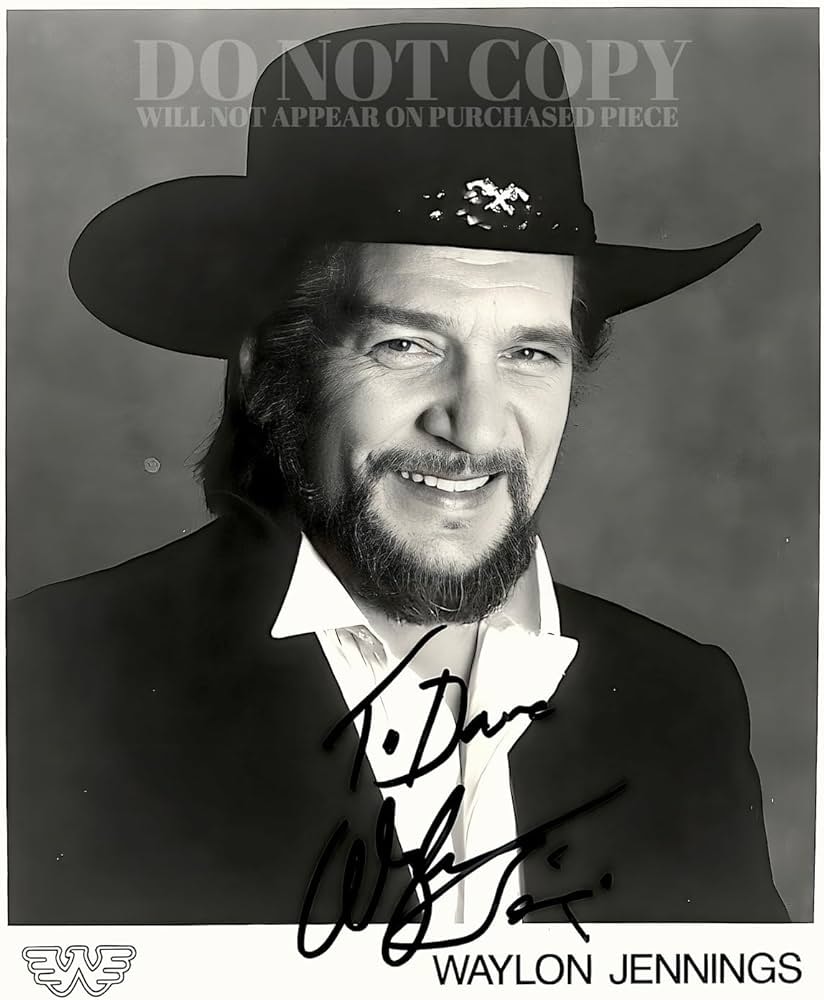
Waylon Jennings
 United States
Member of The Highwaymen
Singer•songwriter•musician•actor
Also known as: Wayland Arnold Jennings
Birthday
June 15, 1937
Birth Sign
Gemini
Birthplace
Littlefield, Texas, USA
Age
Died at 64
Height
5 ft 9 in (175 cm)
About
Waylon Jennings was an American country music singer, songwriter, musician, and actor, widely recognized as a pioneer of the outlaw country movement. His raw, rock-tinged sound and rebellious image challenged Nashville's polished conventions, earning him a devoted following and critical acclaim.
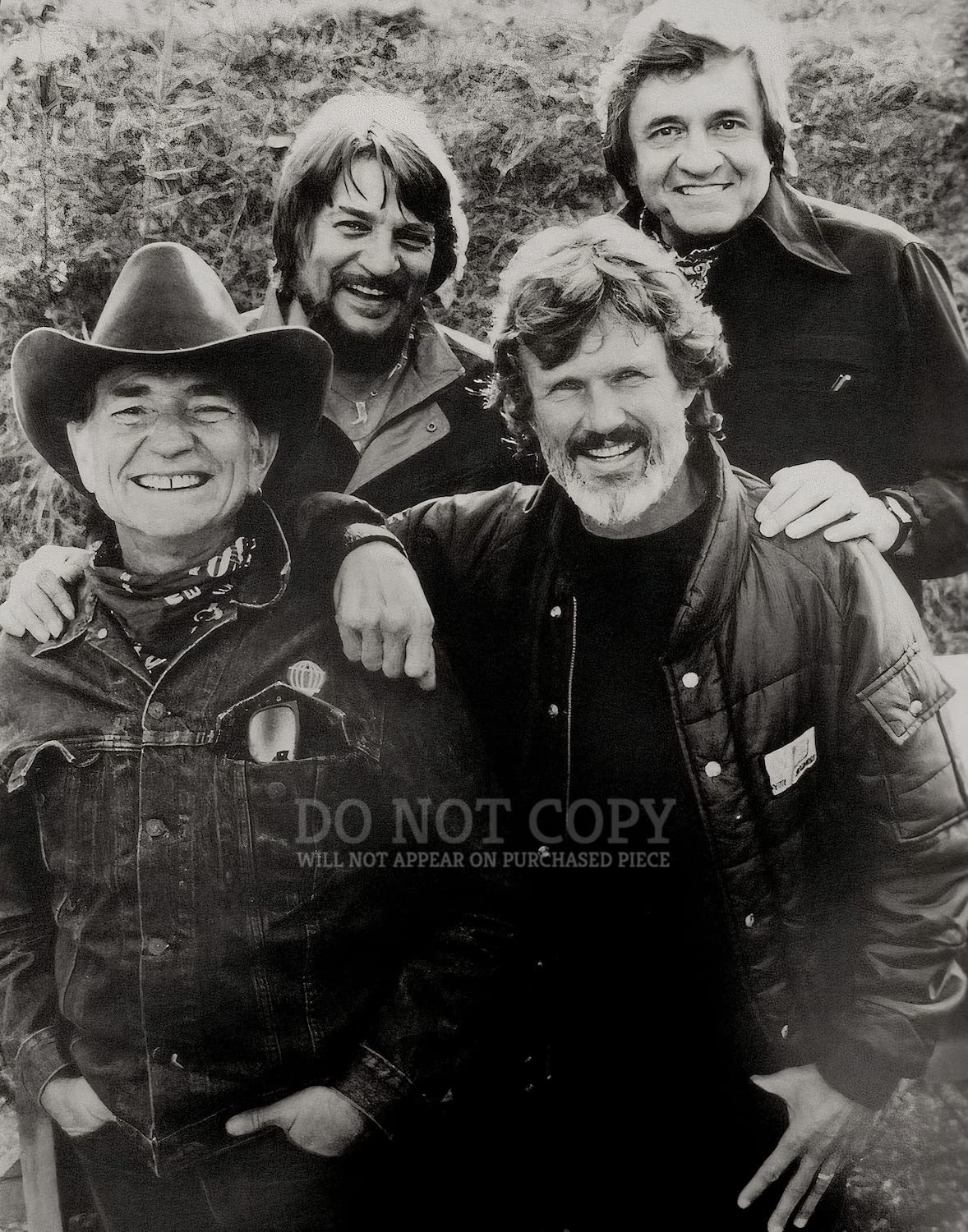
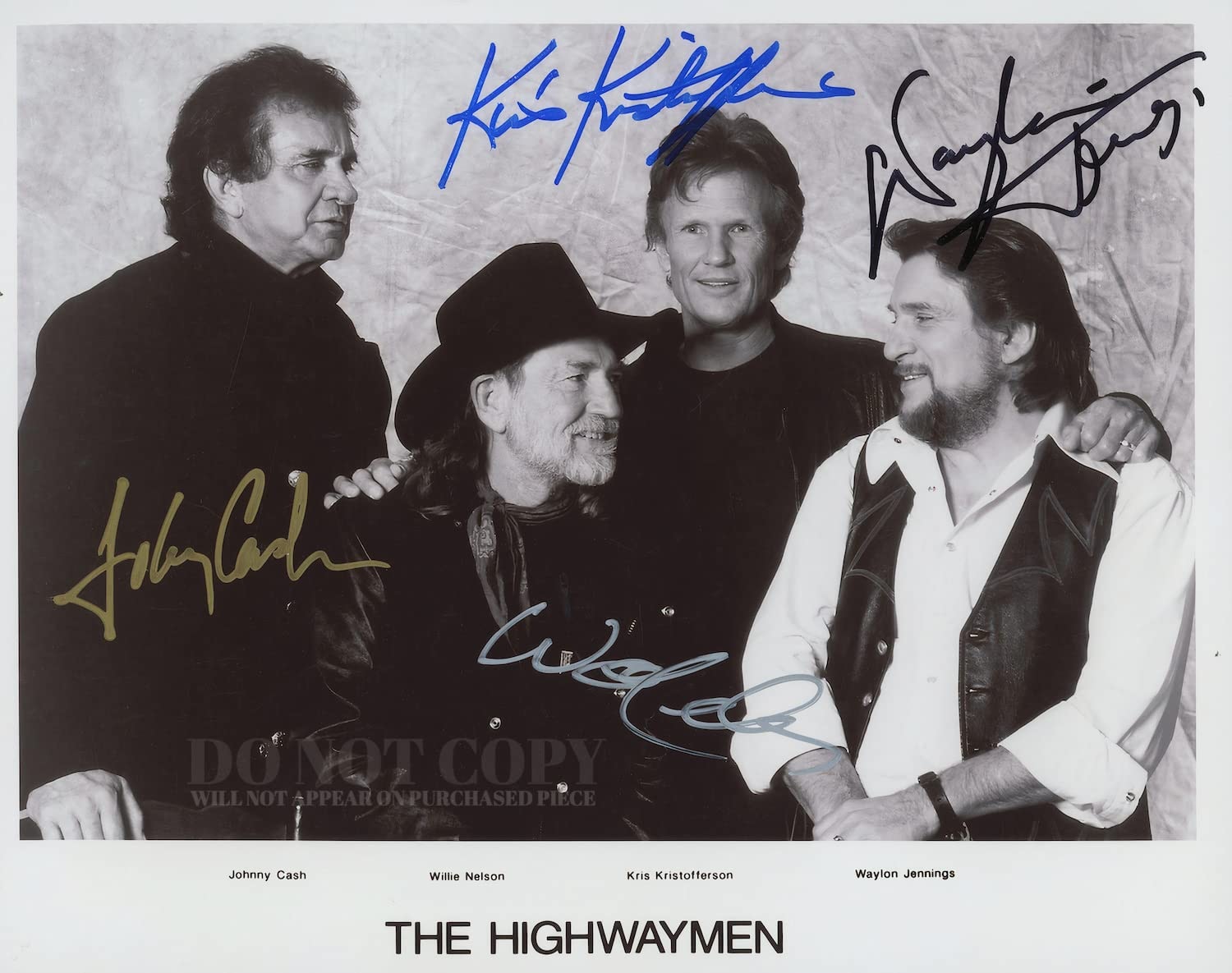
Over a career spanning five decades, Jennings released more than 60 albums and scored 16 number-one country hits, including Luckenbach, Texas and Good Ol' Boys. He was a key figure in the first platinum-selling country album, Wanted! The Outlaws, and later became a member of the legendary supergroup the Highwaymen alongside Willie Nelson, Johnny Cash, and Kris Kristofferson.
Today, Jennings's music continues to resonate with fans old and new. His estate manages his catalog, which generates millions annually through streaming, licensing, and posthumous releases. He remains an enduring symbol of country music's outlaw spirit.
Early Life & Background
Waylon Arnold Jennings was born Wayland Arnold Jennings on June 15, 1937, in Littlefield, Texas, a small farming town. He picked up a guitar at age eight, taught himself to play, and by fourteen was performing live on KVOW radio in Littlefield. He formed his first band, the Texas Longhorns, while still in high school.
At sixteen, Jennings left school to pursue music full-time. He worked as a performer and DJ at radio stations across Texas, Arizona, and New Mexico, including KDAV in Lubbock, KYTI in Coolidge, and KLLL. In 1958, his big break came when Buddy Holly produced Jennings's first recording session, a cover of Jole Blon, and hired him to play bass for an upcoming tour.
On February 3, 1959, Jennings gave up his seat on a small plane that crashed, killing Holly, Ritchie Valens, and the Big Bopper. The tragedy haunted him for years; he later said, "I felt guilty for years." He returned to Texas, took time off, then moved to Arizona and formed the rockabilly band the Waylors, who became the house band at JD's in Tempe. He recorded for Trend and A&M Records but struggled to find commercial success until signing with RCA Victor in 1965.
Career Growth
Jennings's career took off after he hired manager Neil Reshen in 1972, who negotiated creative control from RCA. The result was a string of landmark albums: Lonesome, On'ry and Mean (1973) and Honky Tonk Heroes (1973), which defined the outlaw country sound. Dreaming My Dreams (1975) and Are You Ready for the Country (1976) followed, cementing his reputation.
In 1976, Jennings joined Willie Nelson, Tompall Glaser, and Jessi Colter for Wanted! The Outlaws, country music's first platinum album. His solo album Ol' Waylon (1977) also went platinum, a first for a solo country artist, and featured the hit Luckenbach, Texas. From 1979 to 1985, he served as the Balladeer on The Dukes of Hazzard, writing and singing its theme song, Good Ol' Boys, which became a number-one hit. He also appeared on Sesame Street.
After overcoming cocaine addiction in 1984, Jennings formed the Highwaymen with Nelson, Cash, and Kristofferson. The supergroup released three albums between 1985 and 1995, while Jennings also released the successful Will the Wolf Survive (1985). He toured less after 1997 to spend time with family. Between 1999 and 2001, health problems limited his appearances. In 2001, he was inducted into the Country Music Hall of Fame. Posthumous releases, including The Lost Sessions (2023), continue to introduce his music to new audiences. In 2007, he was posthumously awarded the Cliffie Stone Pioneer Award by the Academy of Country Music. He also received a Grammy for Mamas Don't Let Your Babies Grow Up to Be Cowboys with Willie Nelson and a star on the Hollywood Walk of Fame in 1979.
Career Timeline
Public Image & Style
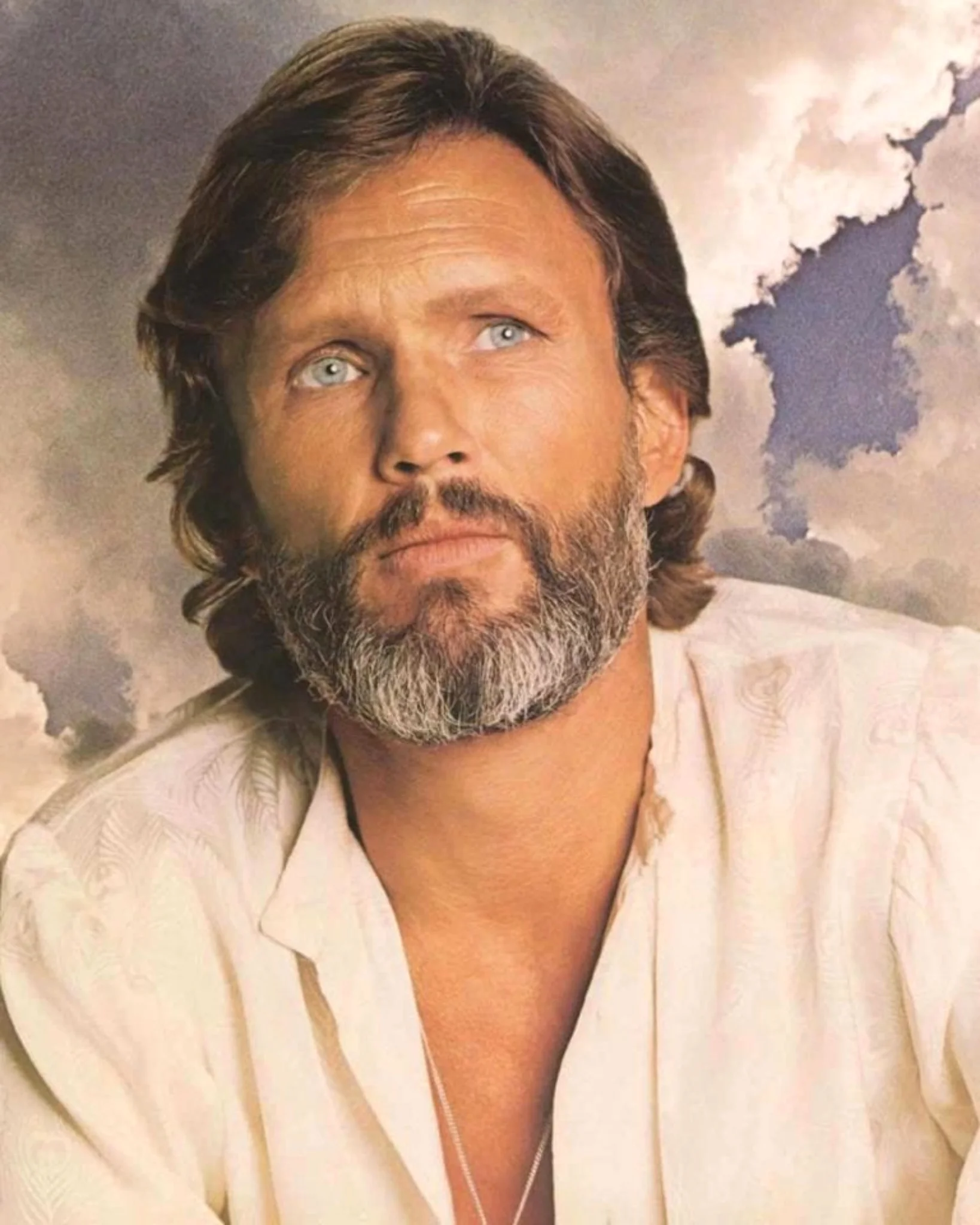
Waylon Jennings cultivated a rugged, outlaw persona that resonated with fans tired of Nashville's polished sound. His long hair, beard, black leather vest, and sunglasses became iconic. He often said his music was about attitude, not just sound; he remarked, "Outlaw country isn't a sound. It's an attitude."
Media portrayals emphasize his rebellious spirit and his struggles with addiction, which he overcame in 1984. Fans, sometimes called Waylonites, celebrate his birthday (June 15) and the anniversary of his death (February 13) with tribute concerts and social media posts. The official estate accounts maintain a nostalgic tone, sharing archival photos and music. Jennings appeared on covers of Rolling Stone (1976) and People (1978). He is ranked No. 90 on Rolling Stone's "100 Greatest Country Artists of All Time" and No. 4 on CMT's "40 Greatest Men of Country Music."
Jennings's authenticity and storytelling ability continue to attract new listeners, especially through posthumous releases and documentaries like Waylon Jennings: Outlaw (2024).
Fame & Fandom (iFAMOUS Rankings)
The legacy of Waylon Jennings is sustained by a fanbase that reveres the grit and authenticity of the outlaw country movement rather than organized campaigns or formal clubs. Unlike modern pop acts with structured fan drives, his audience celebrates through enduring cultural integration and organic tribute, often gathering to honor the genre he helped define without a single official name for their collective. This deep-seated appreciation ensures his music remains a vital part of the American soundscape decades after his passing. Within this landscape of enduring influence, the iFANN Global Fame Rankings place him as the 59th most famous person in Country, a standing which has held steady from the previous cycle. The authority of these placements reflects global attention across media coverage, search activity, and consumption signals worldwide. While the original quartet of The Highwaymen has been reduced to a ghostly ensemble following the deaths of Johnny Cash, Kris Kristofferson, and Jennings himself, leaving only Willie Nelson, the group's mythos remains potent. The narrative of four giants rejecting Nashville's polished rules to forge a new path stands as a defining chapter in music history. Their curated list of greatest songs and the anthem of "Highwayman" continue to resonate with listeners who value the raw honesty of their output. The passage of time has not diminished the stature of these artists; instead, it has cemented their status as legends whose work transcends generations.
Interesting Facts and Legends
Jennings famously relinquished his seat on the plane that crashed in 1959, an event that claimed the lives of Buddy Holly, Ritchie Valens, and the Big Bopper. He carried the weight of this decision for years, later admitting to feelings of profound guilt despite being a licensed pilot who owned several aircraft. His signature aesthetic, featuring long hair, a beard, a black leather vest, and sunglasses, evolved into the definitive symbol of the outlaw country image. He recorded the Grammy-winning duet "Mamas Don't Let Your Babies Grow Up to Be Cowboys" with Willie Nelson, a track that reached number one on the charts. Jennings also narrated The Dukes of Hazzard and performed its theme song, which topped the country charts in 1980. A close friend of Johnny Cash, he was known for his heavy smoking habits throughout his life. In 2001, he was inducted into the Rock and Roll Hall of Fame under the Early Influence category. Legends surrounding the group persist regarding the formation of The Highwaymen in 1985, where four country titans united to escape strict production rules. A widely retold story describes the recording of the title track "Highwayman", where each member declared their past identity, with Jennings adding that he was a dam builder. This era marked the birth of Outlaw Country, shifting the genre away from polished conventions toward a grittier style.
Notable Quotes
“I don't think I've ever been a rebel. I just did what I wanted to do.”
“I gave up my seat on that plane. I felt guilty for years. But I also felt lucky.”
“Outlaw country isn't a sound. It's an attitude.”
“I'm not a singer, I'm a storyteller.”
“The Highwaymen? We were four old guys who liked to sing and raise hell. That's all.”
Family & Personal Life
Waylon Jennings was the son of Waylon Arnold Jennings and Lorene Jennings. He grew up in a musical household; his mother played guitar and his father was a laborer. He had one sibling, a sister named Deana, who later became a singer. Jennings was married four times. His first marriage to Maxine Lawrence (1952–1954) ended in divorce, as did his second to Lynda Jones (1956–1957). With his third wife, Barbara Rood (1962–1967), he had four children: Terry, Deana, Julie, and Tomi.
In 1969, he married country singer Jessi Colter. They had one son, Shooter Jennings, who became a musician. The couple remained together until Waylon's death in 2002. Jessi Colter collaborated with him on Wanted! The Outlaws and other projects. The estate is managed by Jessi and Shooter.
Notable Connections
Waylon Jennings collaborated extensively with Willie Nelson, Johnny Cash, and Kris Kristofferson as part of the Highwaymen. He worked closely with his wife, Jessi Colter, on the Wanted! The Outlaws album. His early career was shaped by Buddy Holly, who produced his first recording. Manager Neil Reshen helped him gain creative control in the 1970s. His son, Shooter Jennings, is a musician who manages his estate.
Relationships & Dating History
Waylon Jennings was married four times. He wed Maxine Lawrence in 1952; they divorced two years later. In 1956, he married Lynda Jones, but that marriage ended within a year. His third marriage, to Barbara Rood, lasted from 1962 to 1967 and produced four children: Terry, Deana, Julie, and Tomi.
On October 26, 1969, Jennings married country singer Jessi Colter. They had one son, Shooter Jennings, born in 1979. The couple remained together until Jennings's death in 2002. Jessi Colter was a frequent collaborator, appearing on Wanted! The Outlaws and other projects. No other long-term relationships have been confirmed by multiple credible sources.
As of 2026, Waylon Jennings is deceased. He was married to Jessi Colter at the time of his death.
- MarriedMaxine Lawrence1952 - 1954First marriage, ended in divorce after two years. No children.
- MarriedLynda Jones1956 - 1957Brief marriage, ended in divorce within a year. No children.
- MarriedBarbara Rood1962 - 1967Marriage produced four children: Terry, Deana, Julie, Tomi. Ended in divorce.
- MarriedJessi Colter1969 - 2002Married on October 26, 1969. Had one son, Shooter Jennings. Remained married until Jennings's death.
Death & Aftermath
Died
February 13, 2002 (aged 64)
Death Place
Nashville, Tennessee, USA
Cause of Death
Complications from diabetes leading to heart failure
In the final years of his career, Waylon Jennings managed his health while maintaining a presence in the music industry despite recurring medical issues that limited his public appearances. He passed away on February 13, 2002, at Vanderbilt University Medical Center in Nashville, Tennessee, following a severe illness related to his long-standing diabetes. The official ruling determined that complications from diabetes led to heart failure, a conclusion established through standard hospital protocols and family statements without any subsequent legal investigation or disputed accounts regarding the specific medical cause. Public reaction within the country music community was immediate and profound, with tributes pouring in from peers who recognized his role as a central figure in American music history.
A private service was held shortly after his death in Littlefield, Texas, followed by a public memorial concert in Nashville attended by fellow Outlaws Willie Nelson, Johnny Cash, and Kris Kristofferson. His ashes were subsequently scattered over the Pecos River in West Texas, a location significant to his upbringing and life story, reflecting his desire for freedom and connection to the land he loved. Posthumous releases have continued to introduce his work to new audiences, including albums such as Dreamin' My Dreams in 2002, The Road Goes On Forever in 2005, and the upcoming Diamond project scheduled for November 2026.
His son Shooter Jennings has been instrumental in curating these legacy projects, ensuring his father's music remains relevant while overseeing the preservation of his estate. Jennings received numerous honors after his passing, including induction into the Rock and Roll Hall of Fame in 2019 and various awards recognizing his contributions to the genre.
Net Worth (Estate Value)
$18 Million
iFANN Editorial Team estimate
Waylon Jennings's estate is valued at approximately $18 million as of 2026. Research by the iFANN Editorial Team puts this figure based on the continued accumulation of royalties, licensing deals, and posthumous releases since his death in 2002. At the time of his passing, his net worth was estimated between $10 million and $15 million, but the value has grown significantly through the management of his extensive catalog. The bulk of this wealth originates from over 60 albums and 16 number-one hits that generate consistent income. Streaming royalties, licensing for films and television, and merchandise sales contribute an estimated $2 million to $3 million annually to the estate. Key assets include the rights to his songwriting catalog and his share of recordings from the supergroup The Highwaymen. He sold over 30 million records worldwide and ranked among the highest-grossing touring acts of the 1970s. Posthumous releases such as The Lost Sessions (2023) and various documentaries have further boosted revenue streams. The estate, managed by his widow Jessi Colter and son Shooter Jennings, has also secured partnerships with streaming services for exclusive content distribution.
Awards Won (10)
Waylon Jennings won multiple Grammy Awards, including Best Country Performance by a Duo or Group for Mamas Don't Let Your Babies Grow Up to Be Cowboys (1978) and Best Country Collaboration with Vocals for The Pilgrim: Chapter 33 (2001). He received Academy of Country Music awards, including Album of the Year for Wanted! The Outlaws (1976) and the Cliffie Stone Pioneer Award (2007). The Country Music Association honored him with Vocal Group of the Year (1976) and Single of the Year (1978). He was inducted into the Country Music Hall of Fame in 2001 and received a star on the Hollywood Walk of Fame in 1979.
2001 · Best Country Collaboration with Vocals
The Pilgrim: Chapter 33
1978 · Best Country Performance by a Duo or Group with Vocal
Mamas Don't Let Your Babies Grow Up to Be Cowboys
2007 · Cliffie Stone Pioneer Award
1978 · Single of the Year
Mamas Don't Let Your Babies Grow Up to Be Cowboys
1976 · Album of the Year
Wanted! The Outlaws
Known For
Luckenbach, Texas
1977 · Singer
Good Ol' Boys
1980 · Singer
Mamas Don't Let Your Babies Grow Up to Be Cowboys
1978 · Duet with Willie Nelson
The Dukes of Hazzard
1979 · Balladeer and theme song composer
Wanted! The Outlaws
1976 · Artist
Keywords
Quick Facts
Personal Details
- Full Name
- Wayland Arnold Jennings
- Height
- 5 ft 9 in (175 cm)
- Spouse
- Jessi Colter
- Children
- Terry Jennings, Deana Jennings, Julie Jennings, Tomi Jennings, Shooter Jennings
Filmography
15
Total
5
Film
10
TV
Frequently Asked Questions
How old was Waylon Jennings when he died?
What is Waylon Jennings's net worth in 2026?
Did Waylon Jennings have children?
What caused Waylon Jennings's death?
Why is Waylon Jennings considered an outlaw country pioneer?
Social Media
Join the community
fans discussing