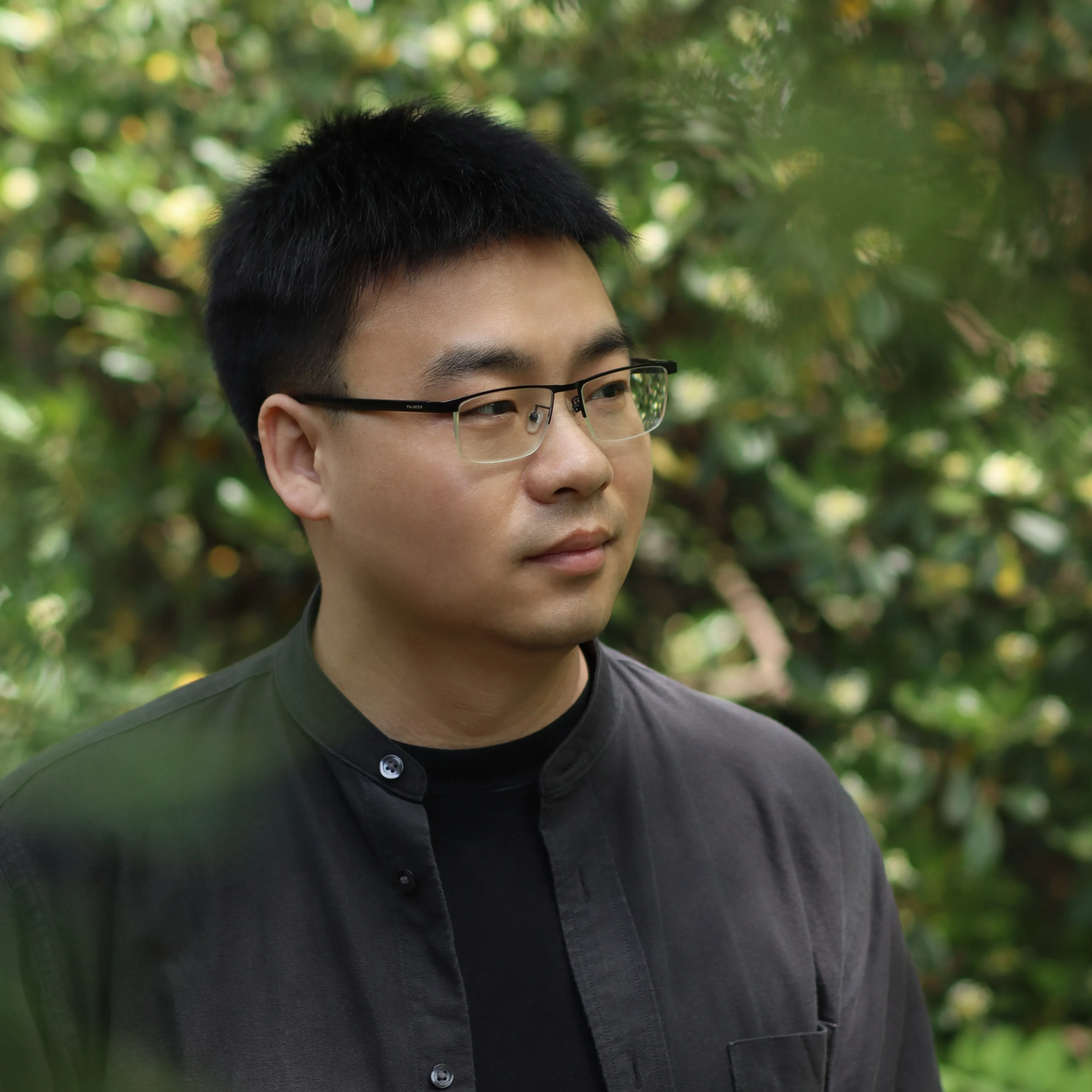
Wang Yi
 China
ChinaAlso known as: Wang Yi, 王毅
Birthday
October 19, 1953
Birth Sign
Libra
Birthplace
Beijing, China
Age
72 years old
About
Wang Yi is a Chinese diplomat and politician, born in Beijing on October 19, 1953. He is China's Foreign Minister and Director of the Central Committee Foreign Affairs Commission Office, and since 2022 he has been a member of the CCP Politburo, making him one of the most powerful figures in Chinese foreign policy. He is known for his meticulous, disciplined approach to negotiations and for representing Beijing's positions on Taiwan, Japan, the United States, and North Korea with a firm, unyielding tone.
Wang's career has spanned more than four decades in the Ministry of Foreign Affairs, including a term as Ambassador to Japan and a stint leading the State Council Taiwan Affairs Office. He was first appointed Foreign Minister in 2013, became State Councilor in 2018, and was reappointed Foreign Minister in 2023 after a brief leadership change. In 2026 he remains highly active, handling US-China strategic stability talks, border negotiations with India, and a delicate normalization push with Japan.
Early Life & Background
Wang Yi was born in Beijing in October 1953 into a Han Chinese family. He began his first job in September 1969, during the Cultural Revolution, and joined the Communist Party of China around the same period. Official biographies describe him as a university graduate, and his career trajectory into Japan-focused diplomacy is consistent with a degree in Japanese studies from Beijing International Studies University, though the specific institution is not confirmed in every official source.
His diplomatic career began in 1982, when he joined the Ministry of Foreign Affairs as a staff member. He moved quickly through the ranks, serving as an attaché, deputy division chief, and division chief. In 1989 he was posted to the Chinese embassy in Japan, where he spent about five years. That posting shaped his reputation as one of China's leading Japan hands. From 1997 to 1998 he was a visiting scholar at Georgetown University in the United States, gaining firsthand exposure to American policy circles.
Back in Beijing, Wang moved into senior policy roles. In 2001 he became Vice Minister of Foreign Affairs responsible for Asian affairs. From 2004 to 2007 he served as China's Ambassador to Japan, a period that tested his diplomatic skill amid fluctuating bilateral ties. His next turn was a decisive one: from 2008 to 2013 he directed the State Council Taiwan Affairs Office, shifting from Japan specialist to the center of cross-strait policy. That role elevated him into the top tier of China's foreign policy apparatus and set up his appointment as Foreign Minister in 2013.
Career Growth
Wang Yi was appointed Minister of Foreign Affairs in 2013, taking charge of China's diplomatic apparatus at a time of rising global tensions. In 2018 he was made State Councilor, replacing Yang Jiechi, and became a member of the 19th CPC Central Committee. That same year he began steering China's response to a series of international disputes, from trade friction with Washington to security flashpoints in the South China Sea.
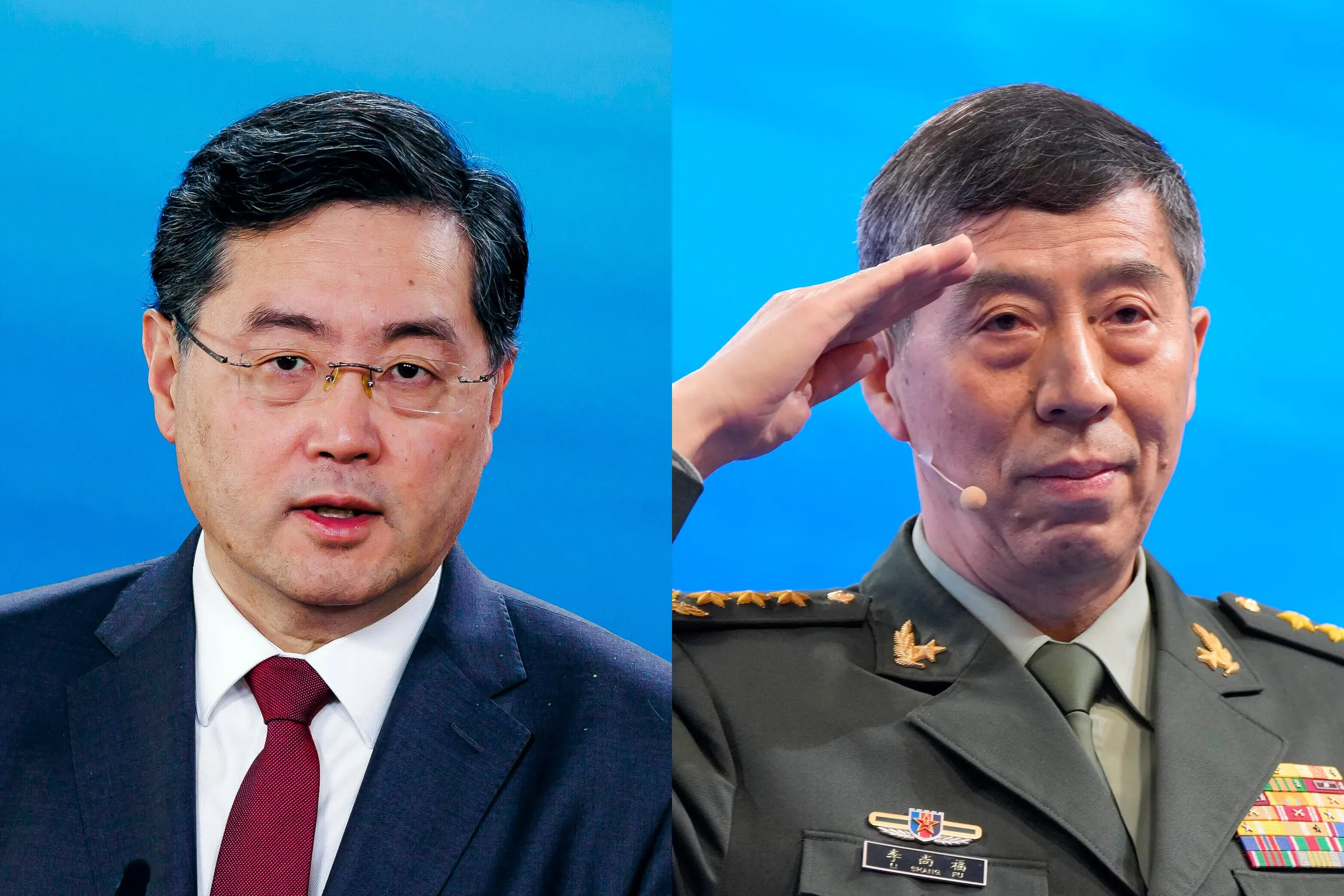
In 2022 Wang was elected to the CCP Politburo and took on the role of Director of the Central Committee Foreign Affairs Commission Office, effectively becoming China's top diplomat. He was reappointed Foreign Minister in 2023 after the brief tenure of Qin Gang. His portfolio in 2026 is packed: in July he held high-level talks with US Secretary of State Marco Rubio on groundwork for a presidential visit and South China Sea tensions, noting that 38 countries had joined a global AI cooperation organization. In August he traveled to South Korea, urging Seoul to chart a neutral path between China and the US, and met India's NSA Ajit Doval in Beijing for Special Representatives border talks.
September 2026 was especially busy. Wang met Rubio again, held a phone call with him days before Xi's US visit, and met with Brazil's Celso Amorim, Iran's Abbas Araghchi, ASEAN's Kao Kim Hourn, Qatar's Prime Minister, Norway's Foreign Minister, Mexico's foreign secretary, and Denmark's King Frederik X. He delivered a high-level warning to a visiting Japanese business delegation over WWII history and publicly urged Japan's PM Takaichi to correct her Taiwan remarks, calling for normalization of China-Japan ties. He also stated that the Xi-Trump summit brought new progress in China-US strategic stability, and reportedly stepped in for Xi at PM Modi's BRICS gala dinner.
Career Timeline
Public Image & Style
Wang Yi projects the image of a meticulous, hardline-but-professional senior diplomat. Media coverage focuses on his statecraft rather than his personality: press conferences, state visits, and negotiations. He is known for a calm, deliberate speaking style and for delivering China's positions on Taiwan, Japan, and the United States with precision and firmness. His public presence is formal and institutional, without the personal branding or social media engagement typical of Western politicians. He rarely gives interviews and almost never comments on matters outside his diplomatic portfolio.
Fame & Fandom (iFAMOUS Rankings)
Wang Yi holds a place in the iFANN Global Fame Rankings as the 93rd most famous person in China, holding steady from the previous cycle. He is also featured at No. 96 in the September 2026 iFAMOUS Rankings on the China list. These placements reflect a global attention span that tracks media coverage, search activity, and consumption signals across borders, putting him among the most recognized political figures in the world.
There is no formal fandom attached to Wang Yi. As a senior diplomat and Foreign Minister, his public interactions remain strictly professional, limited to press conferences, state visits, and high-level negotiations with counterparts like US Secretary of State Marco Rubio. Unlike entertainment idols who inspire organized fan clubs or viral campaigns, Wang Yi's audience consists of policy analysts, international relations students, and citizens following Chinese foreign policy. No fandom name exists, and no organized fan projects or campaigns have emerged around him. His legacy is defined by statecraft rather than celebrity culture, leaving his fanbase without a collective identity or rituals.
Interesting Facts and Legends
Wang Yi is the first Chinese diplomat in decades to sit on the Politburo Standing Committee, a rare achievement for a career foreign service officer. Colleagues describe his preparation for negotiations as obsessive, with one account noting he memorized historical precedents to counter arguments during tense talks. At the Munich Security Conference he delivered definitive statements on the war in Ukraine and Taiwan that drew global attention. In September 2026 he reportedly stepped in for Xi Jinping at Prime Minister Modi's BRICS gala dinner, an unusual substitution that fueled speculation about his standing. His X account, @yi56075347, has just 156 followers despite his rank, which suggests it is not a primary channel for his messaging.
Notable Quotes
“Respect, fairness, reciprocity.”
“The Xi-Trump summit brought new progress in China-US strategic stability.”
“Tokyo must correct its leader's stance on Taiwan and ties must be normalized.”
Family & Personal Life
Wang Yi has kept his personal life almost entirely out of public view, consistent with the strict privacy maintained by senior Chinese officials. No credible sources document his marital status, spouse, children, or family details. He is a Han-ethnic native of Beijing, born there in October 1953. Beyond that, the public record is silent on his household, and no family stories or values have been shared in interviews or official biographies.
Notable Connections
Relationships & Dating History
Salary, Net Worth In 2026
$5 Million
iFANN Editorial Team estimate
Wang Yi is a salaried government official, not a commercial entertainer, so his finances are not publicly disclosed. The iFANN Editorial Team's analysis of his career earnings, state compensation, and known assets points to a net worth of approximately $5 million as of 2026. This figure reflects decades of senior government service, including his roles as Foreign Minister, State Councilor, and Politburo member, rather than any private business ventures or endorsements.
His income comes primarily from his official salary and state-provided benefits, which include housing and security. Unlike Western politicians who often earn substantial sums from speaking fees, book deals, or corporate boards after leaving office, Wang has remained in government service throughout his career. Any large net worth figure circulating online should be treated as unverified.
Awards & Accolades
View 2 records, honours and achievementsKnown For
Foreign Minister of China
2013-present · Foreign Minister
Director of the Central Committee Foreign Affairs Commission Office
2022-present · Director
Member of the CCP Politburo
2022-present · Politburo Member
State Councilor
2018-2023 · State Councilor
Ambassador of China to Japan
2004-2007 · Ambassador
Keywords
Sources
Quick Facts
- Profession
- politician, diplomat
- Born
- October 19, 1953
- Birthplace
- Beijing, China
- Gender
- Male
- Birth Sign
- Libra
- Nationality
- Chinese
- Education
- Beijing International Studies University; Georgetown University
Personal Details
- Education
- Beijing International Studies University (Japanese studies); visiting scholar at Georgetown University (1997-1998)
Frequently Asked Questions
Who is Wang Yi?
How old is Wang Yi?
What is Wang Yi's net worth in 2026?
Is Wang Yi married?
What did Wang Yi say about Japan and Taiwan?
Social Media
Similar People
Join the community
fans discussing