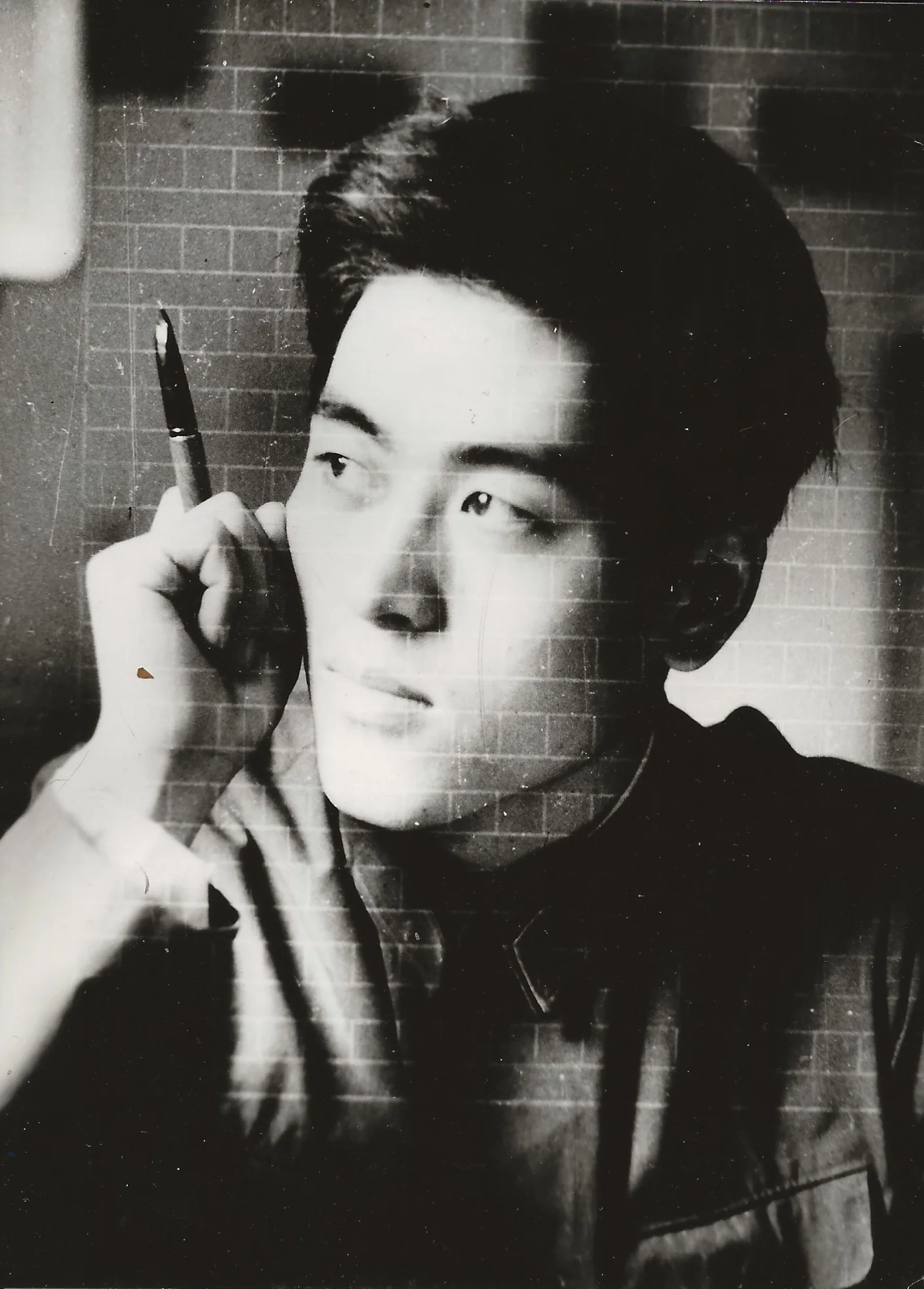
Wang Yaping
 China
Chinaastronaut•military transport pilot
Also known as: Wang Yaping (王亚平)
Birthday
January 27, 1980
Birth Sign
Aquarius
Birthplace
Zhanggezhuang, Yantai, Shandong, China
Age
46 years old
About
Wang Yaping is a Chinese military transport pilot and taikonaut with the People's Liberation Army Astronaut Corps. She made history as the second Chinese woman in space and the first Chinese woman to perform a spacewalk. Her career highlights include serving as a crew member on the Shenzhou 10 and Shenzhou 13 missions, and in April 2022, she set a record for the longest cumulative stay in space by a Chinese female astronaut, totaling 197 days.
Wang is celebrated in China as a national hero and a role model for young women interested in science and technology. Her live physics lesson from orbit in 2013 made her a beloved figure among students, and her spacewalk in 2021 inspired a new generation of explorers. As of 2026, she continues to serve as an active taikonaut and has taken on a role as a political advisor, championing space research and women's participation in STEM fields.
Early Life & Background
Wang Yaping grew up in a farming family in Zhanggezhuang, a small village in Yantai, Shandong Province. From an early age, she showed exceptional physical fitness and academic ability. Her dream of flying was sparked when she saw military aircraft flying over her hometown, and at age 17, in 1997, she enrolled as a cadet pilot at the Changchun Flight Academy of the People's Liberation Army Air Force.
After graduating in 2001 as a First Lieutenant, Wang flew transport aircraft for the Air Force, accumulating over 1,600 hours of flight time. Her skill and discipline caught the attention of the astronaut selection committee, and in 2010, she was selected as one of only two women in China's second group of taikonauts. The rigorous training that followed prepared her for the challenges of spaceflight, including the physical and psychological demands of long-duration missions.
Career Growth
Wang Yaping's breakthrough came in 2013 when she flew aboard Shenzhou 10, becoming the second Chinese woman in space after Liu Yang. During that mission, she delivered a live physics lesson to millions of students across China via video link, earning her the title of the first Chinese teacher in space. The lesson, which demonstrated principles of physics in microgravity, captured the imagination of the nation.
In October 2021, Wang launched on Shenzhou 13 for a six-month mission to the Tiangong space station, alongside crewmates Zhai Zhigang and Ye Guangfu. On November 7-8, 2021, she performed a spacewalk lasting approximately 6.5 hours, becoming the first Chinese woman to do so. The mission concluded in April 2022, bringing her cumulative time in space to 197 days, the most of any Chinese female astronaut.
Since returning, Wang has remained active in China's space program. In September 2025, she spoke publicly about the growing role of women in Chinese science and technology innovation. In March 2026, as a political advisor, she announced that the China Astronaut Research and Training Center is leading an application to establish a ground-based research facility for studying long-term human survival on exoplanets.
Career Timeline
Public Image & Style
Wang Yaping is portrayed in Chinese media as a national hero and a symbol of China's space ambitions. Her achievements have made her a role model for young women, particularly those interested in STEM fields. She is known for her grace under pressure and her ability to connect with the public, especially through her space lessons and heartfelt moments with her family. Her quote, 'May every woman be able to reach for the brightest stars to light the way for her dreams,' has been widely shared, including by the United Nations, and encapsulates her impact as an advocate for women in science.
Fame & Fandom (iFAMOUS Rankings)
Wang Yaping's fame is of a distinctly national and scientific character, rather than the global celebrity typical of entertainers. As of August 2026, iFANN's Global Fame Engine has evaluated her, but she does not currently hold a placement in the published rankings, including the Global Top 1,000 or any Top-100 scope list. This absence reflects the nature of her renown, which is concentrated in China and tied to her achievements as a taikonaut and educator, rather than global media consumption patterns.
Her support base is not a formalized fandom with a name or organized fan projects. Instead, she commands a vast, passive audience of students, educators, and citizens who regard her as a symbol of national pride and gender equality in STEM. The closest parallel to a fan phenomenon is the widespread engagement with her 2013 physics lesson from space, which was broadcast to over 60 million students, making her a beloved figure in Chinese education. Her 2021 spacewalk, the first by a Chinese woman, was covered extensively by international media, further elevating her status as an icon for women in science.
iFANN's evaluation places her outside the ranked lists, but her legacy is firmly established through verified milestones. Her interactions are formal and state-sanctioned, with no record of informal fan engagement typical of celebrities. She remains a respected national hero, and her story continues to inspire young women to pursue careers in technology and exploration.
Interesting Facts and Legends
Wang Yaping's most famous promise to her daughter was that she would bring stars back from space. After returning from the Shenzhou 13 mission, she presented her daughter with a star-shaped keepsake, a moment that touched many people in China. She has logged over 1,600 hours of flight time as a military pilot, a reflection of her skill and dedication before becoming an astronaut. Wang is known for her calm demeanor and professionalism under pressure, traits that earned her the respect of her crewmates and ground control. Her live physics lesson in 2013 was watched by millions of students, making her one of the most recognizable figures in Chinese education. Wang has also been involved in public outreach, encouraging young girls to pursue careers in science and technology.
Among the legends that surround her, the most iconic is her spacewalk on November 7, 2021, when she became the first Chinese woman to perform an extravehicular activity outside the Tiangong space station, alongside Ye Guangfu. This feat broke a significant gender barrier and was hailed as a historic moment for China's space program. Another defining story is her 2013 live physics lesson from orbit, which turned her into a household name and a beloved teacher for a generation of students. Her entry into the new Tiangong space station in 2021 marked the first long-term habitation by a Chinese female astronaut, further cementing her place in spaceflight history.
Notable Quotes
“May every woman be able to reach for the brightest stars to light the way for her dreams.”
“I promised my daughter I would bring stars back for her, and I did.”
Family & Personal Life
Wang Yaping is married, though her husband's identity is not publicly disclosed, consistent with the private nature of Chinese military personnel. She has one daughter, who was young during the Shenzhou 13 mission. Wang has spoken about the support her family has given her throughout her career, allowing her to pursue the demanding path of an astronaut. Her daughter has been a source of inspiration, and the promise to bring stars back from space became a touching moment of her mission.
Notable Connections
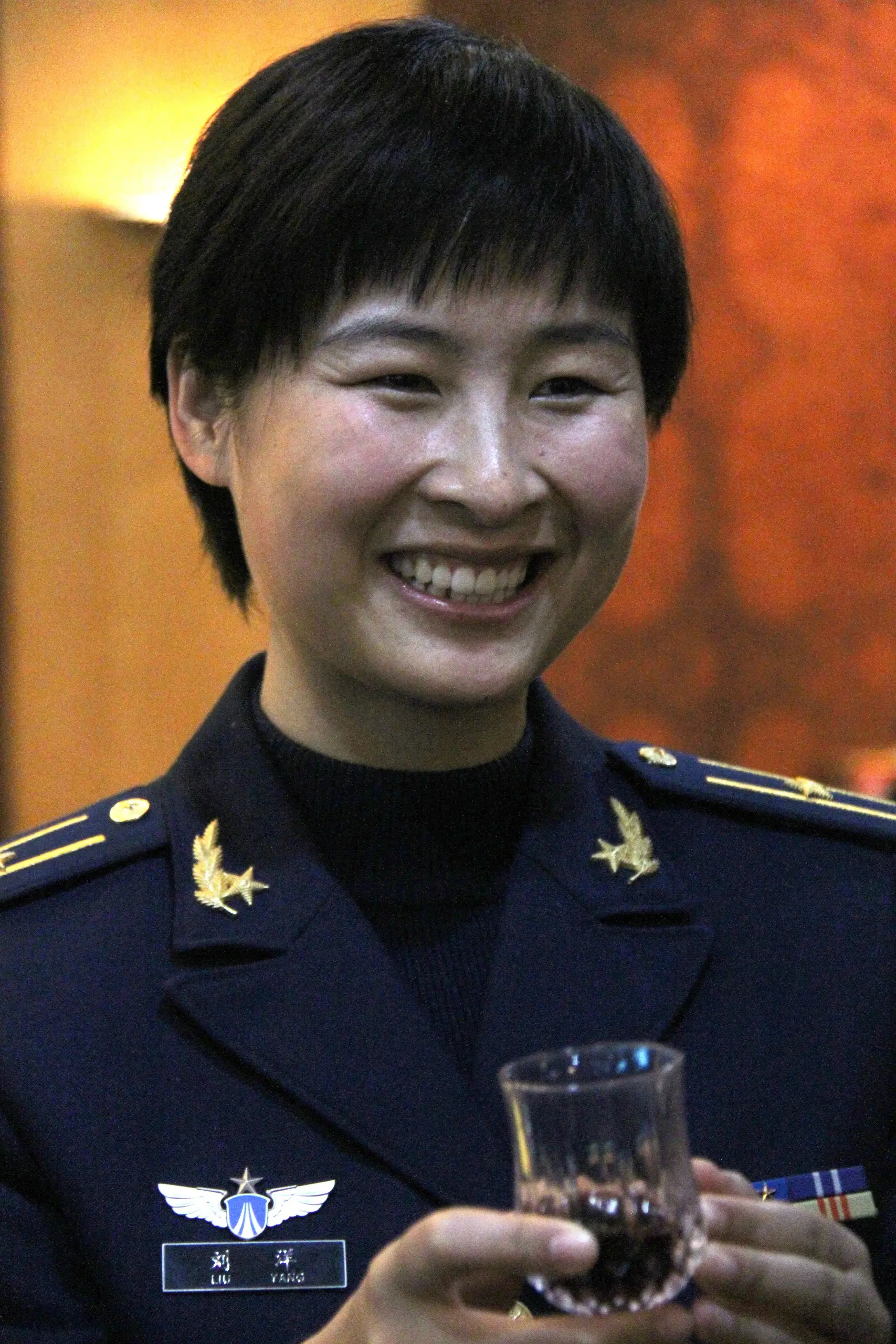
Wang Yaping is associated with fellow Shenzhou 13 crewmates Zhai Zhigang and Ye Guangfu, with whom she spent six months aboard the Tiangong space station. She is also connected to Liu Yang, China's first female astronaut, who flew in 2012. Together, they represent the pioneering women of China's space program.
Relationships & Dating History
Public information about Wang Yaping's romantic relationships is extremely limited, consistent with the private nature of Chinese military and astronaut personnel. She is married, though her husband's identity has not been disclosed. There are no public records of previous relationships or divorces. As of 2026, Wang appears to be married, and she has at least one daughter.
- MarriedCurrentHusband's identity not publicly disclosed.
Salary, Net Worth In 2026
$5 Million
iFANN Editorial Team estimate
Wang Yaping's net worth is not publicly disclosed, as is typical for Chinese military officers and taikonauts. Her compensation comes from her role as a senior officer in the People's Liberation Army Astronaut Corps and her position as a political advisor. While exact figures are unavailable, iFANN currently estimates her net worth to be $5 million, reflecting her distinguished career and government benefits. As of 2026, Wang continues to serve actively, and her financial standing is supported by her military salary and potential honoraria for public appearances. Unlike Western astronauts, Chinese taikonauts do not typically earn commercial income, so her wealth is primarily derived from her official positions.
Awards Won (2)
Wang Yaping has received several honours for her contributions to China's space program, including the historic distinction of being the first Chinese woman to conduct a spacewalk and the record holder for the longest cumulative stay in space by a Chinese female astronaut. She is also recognized as the first Chinese teacher in space.
2021 · Historic Achievement
Shenzhou 13 mission
2022 · Record
Shenzhou 10 and Shenzhou 13 missions
Known For
Shenzhou 10
2013 · Crew member
Shenzhou 13
2021 · Crew member
First Chinese woman to perform a spacewalk
2021 · Astronaut
Keywords
Sources
Quick Facts
- Born
- January 27, 1980
- Birthplace
- Zhanggezhuang, Yantai, Shandong, China
- Gender
- Female
- Profession
- Astronaut, military transport pilot
Personal Details
- Full Name
- Wang Yaping
- Children
- 1 daughter
- Education
- Military pilot training, graduated as First Lieutenant (2001)
Frequently Asked Questions
How many days did Wang Yaping spend in space?
When did Wang Yaping do her spacewalk?
Is Wang Yaping the first Chinese woman in space?
What did Wang Yaping teach in her space lesson?
Does Wang Yaping have children?
Similar People
Join the community
fans discussing