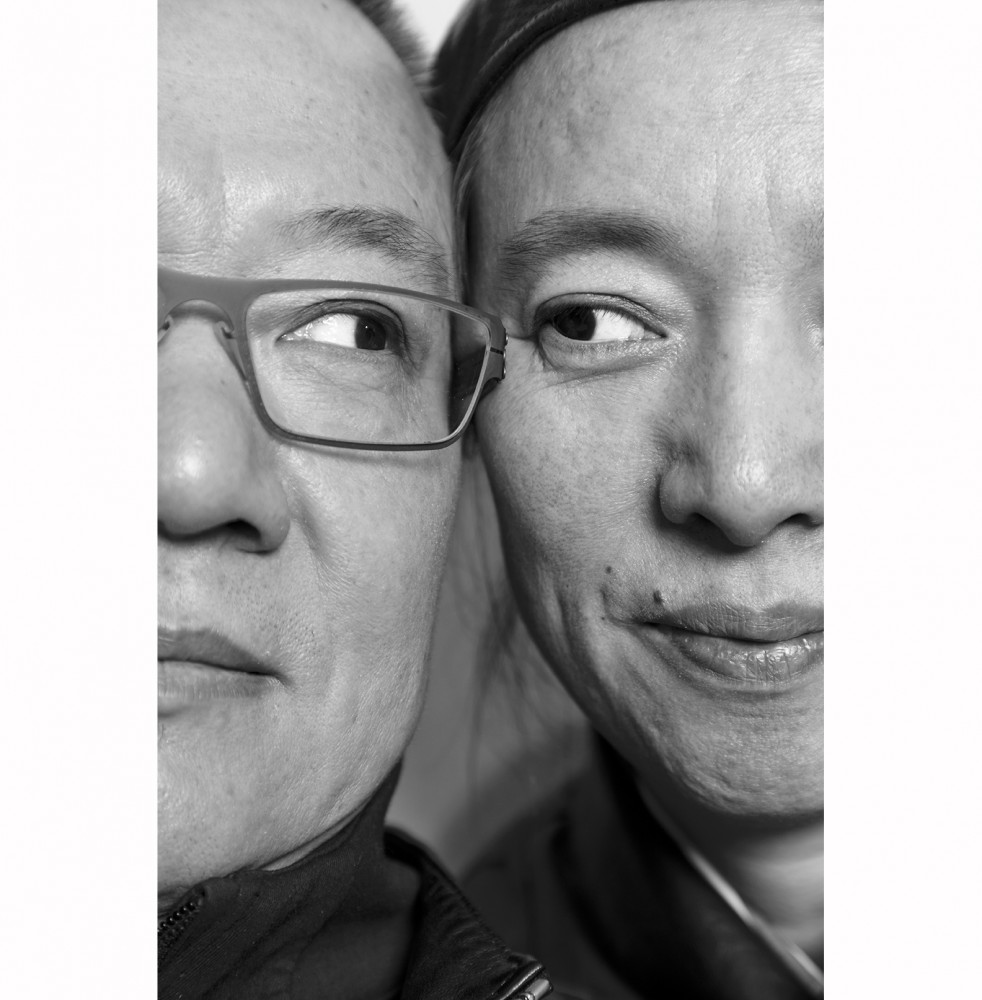
Wang Shu
 China
Chinaarchitect•pedagogue•university teacher
Also known as: 王澍
Birthday
November 4, 1963
Birth Sign
Scorpio
Birthplace
Ürümqi, Xinjiang, China
Age
62 years old
About
Wang Shu is a Chinese architect and educator whose work has reshaped contemporary design by rooting it in craft and memory. Based in Hangzhou, he serves as dean of the School of Architecture at the China Academy of Art. He is widely recognized for his distinctive approach that merges traditional building techniques with modern spatial concepts, creating structures that resonate with cultural memory and sustainability.
His practice, Amateur Architecture Studio, co-founded with his wife Lu Wenyu, has produced landmarks such as the Ningbo Museum and the Xiangshan Campus, both celebrated for their use of recycled materials and integration with the natural landscape. In 2027, the pair will co-curate the Venice Architecture Biennale, a platform for their belief that architecture must return to the act of building. Wang's influence extends beyond his built works, as he is also a respected educator and thinker, shaping the next generation of architects in China and beyond.
Early Life & Background
Wang Shu's path to architecture began in Ürümqi, where his father, a musician and amateur carpenter, and his mother, a librarian, shaped his early sensibility. The blend of music and craft at home gave him an intuitive feel for materials and rhythm, while his mother's books opened a world of ideas. When the family moved to Nanjing, he enrolled at the Nanjing Institute of Technology, earning his bachelor's degree in 1985 and a master's in 1988. He later pursued a PhD at Tongji University, completing it in 2000.
Rather than jump into the commercial architecture scene, Wang spent the late 1980s and early 1990s working on construction sites, learning directly from craftsmen. This self-imposed exile from the profession was transformative. He absorbed the logic of timber frames, brickwork, and roof tiles, and developed a deep respect for the knowledge embedded in traditional building. In 1997, he and Lu Wenyu founded Amateur Architecture Studio in Hangzhou, a name chosen to signal their rejection of architectural commercialism. The studio became the vehicle for his experiments, leading to his first major commission: the Xiangshan Campus of the China Academy of Art.
Career Growth
Wang Shu's breakthrough came with the Xiangshan Campus (2004–2007), a sprawling complex of tiled roofs and timber that folds into the rolling hills of Hangzhou. The project established his signature approach: blending traditional materials with modern spatial ideas. It was followed by the Ningbo Museum in 2008, built with reclaimed bricks from demolished villages, a powerful statement about memory and sustainability.
In 2010, he won the Schelling Architecture Prize. In 2011, he became the first Chinese Kenzo Tange Visiting Professor at Harvard. The next year, he won the Pritzker Prize, a historic first for a Chinese citizen. The decision sparked debate, as many felt Lu Wenyu's contributions were overlooked. His Vertical Courtyard Apartments in Hangzhou reimagined the traditional courtyard home for high-rise living.
In November 2025, Wang and Lu Wenyu were named curators of the Venice Architecture Biennale 2027. In May 2026, they announced the theme, 'Do Architecture,' emphasizing the concrete act of building as a response to global instability. The exhibition runs from May 8 to November 21, 2027.
Career Timeline
Public Image & Style
Wang Shu is widely regarded as a leading figure in Chinese experimental architecture. His signature style combines traditional Chinese building techniques with contemporary design, emphasizing the reuse of recycled materials and a deep respect for craft. The media often portrays him as a visionary who challenges the boundaries of the field.
His architectural philosophy, often described as critical regionalism, resists the homogenizing effects of globalization. In public talks, he stresses the importance of craftsmanship, materiality, and the relationship between architecture and everyday life. He has argued that 'architecture has forgotten how to build,' calling for a reconnection with building, craft, and reality. Fans and critics alike admire his willingness to break from convention, even when it means questioning the very foundations of modern building.
Fame & Fandom (iFAMOUS Rankings)
Wang Shu commands a dedicated following that spans architecture students, practicing professionals, and cultural critics rather than the consumer-driven crowds seen with pop stars. His supporters are defined by a shared reverence for his philosophy of merging craft with memory, often gathering in lecture halls or at exhibitions to engage with his work on sustainability and vernacular preservation. There is no formal fandom name documenting this group, as their admiration manifests through academic discourse and professional acclaim rather than organized fan clubs or social media campaigns. The most enduring stories surrounding him involve his historic 2012 Pritzker win, which marked a seismic shift in global recognition for Chinese architecture, and his recent appointment to curate the 2027 Venice Architecture Biennale. These moments have cemented his status as a visionary who challenges industrialized urbanization, creating a legacy built on reclaimed materials and deep cultural roots. While his influence is profound within the architectural world, he does not hold a position in the iFANN Global Top 1,000 rankings. The iFANN Global Fame Engine has evaluated Wang Shu, but he currently holds no placement in the published rankings. Consequently, no specific numeric rank or scope list applies to his current standing.
Interesting Facts and Legends
The duality of Wang Shu's upbringing profoundly shaped his design ethos; his father was both a musician and an amateur carpenter, while his mother worked as a librarian, exposing him to literature early on. He deliberately named his practice Amateur Architecture Studio to reject commercialism, a choice that guided his decision to spend years on construction sites learning traditional methods from craftsmen during the late 1980s and early 1990s. This hands-on experience informs his signature use of reclaimed bricks from demolished villages, most notably in the Ningbo Museum. Beyond his own buildings, he serves on the jury of the Prix Pictet, a global award focused on photography and sustainability. A defining legend in his career is becoming the first Chinese citizen to win the Pritzker Architecture Prize in 2012, an event celebrated internationally as a turning point for contemporary Chinese design. Another iconic moment occurred when he and his wife Lu Wenyu were announced as curators for the 2027 Venice Architecture Biennale, unveiling the theme "Do Architecture" to explore the relationship between reality and possibility. These achievements have established him as a leading voice in critical regionalism, resisting the homogenizing effects of globalization through structures that resonate with cultural memory.
Notable Quotes
“It is precisely through this concrete act of 'do' that things which seem impossible to bring together can gather in one place.”
“Architecture has forgotten how to build.”
Family & Personal Life
Wang Shu's father was a musician and amateur carpenter, and his mother worked as a librarian. The family lived in Ürümqi before relocating to Nanjing. His parents' influence is evident in his approach to architecture, which blends artistic expression with hands-on craft.
Wang Shu is married to architect Lu Wenyu. The couple co-founded Amateur Architecture Studio in 1997 and have worked as equal partners ever since. They have no public records of children. Their partnership extends beyond the office; they jointly curated the Venice Architecture Biennale 2027.
Notable Connections
Wang Shu's most significant association is with his wife and partner, Lu Wenyu. Together they co-founded Amateur Architecture Studio in 1997 and have worked as equal partners for decades. Their joint projects include the Xiangshan Campus and the Ningbo Museum. In 2025, they were named co-curators of the Venice Architecture Biennale 2027. Wang also served as the first Chinese Kenzo Tange Visiting Professor at Harvard in 2011.
Relationships & Dating History
Wang Shu met Lu Wenyu, a fellow architect, and the couple married. They co-founded Amateur Architecture Studio in 1997, working as equal partners for decades. Lu's contributions are widely acknowledged within the profession, and their partnership drew significant attention after the 2012 Pritzker Prize, when many felt Lu's role was unjustly overlooked.
As of 2026, Wang Shu remains married to Lu Wenyu. Their latest joint venture is curating the Venice Architecture Biennale 2027.
- MarriedLu Wenyu1997 - presentCurrentCo-founded Amateur Architecture Studio together in 1997; they remain married and continue to collaborate professionally.
Salary, Net Worth In 2026
$10 Million
iFANN Editorial Team estimate
Per iFANN's editorial analysis, Wang Shu's net worth is estimated at $10 million as of 2026. His financial standing derives primarily from his tenure as dean at the China Academy of Art, his leadership at Amateur Architecture Studio, and various international commissions and lectureships. The studio's acclaimed projects, including the Ningbo Museum and the Xiangshan Campus, have generated significant critical success and financial reward. Wang's upcoming role as curator for the Venice Biennale 2027 adds prestige and likely a substantial fee to his portfolio. While exact figures remain private, his long career and high-profile status suggest a comfortable financial position that has grown steadily over the years. Awards and international recognition have bolstered his wealth, while his involvement in prestigious juries and lectures further supplements his income.
Awards Won (2)
Wang Shu has won two major architecture awards. In 2010, he received the Schelling Architecture Prize for his innovative work. Two years later, he won the Pritzker Prize, the field's highest honor, making him the first Chinese citizen to do so. The prize recognized his body of work, including the Ningbo Museum and the Xiangshan Campus.
2012 · Architecture
Lifetime body of work
2010 · Architecture
Overall architectural work
Known For
Ningbo Museum
2008 · Architect
Xiangshan Campus, China Academy of Art
2007 · Architect
Pritzker Architecture Prize
2012 · Laureate
Keywords
Sources
Quick Facts
- Profession
- architect, pedagogue, university teacher
- Born
- November 4, 1963
- Birthplace
- Ürümqi, Xinjiang, China
- Gender
- Male
- Spouse
- Lu Wenyu
- Birth Sign
- Scorpio
- Education
- Nanjing Institute of Technology; Tongji University
Personal Details
- Full Name
- 王澍
- Spouse
- Lu Wenyu
- Education
- Nanjing Institute of Technology (B.Arch, 1985; M.Arch, 1988); Tongji University (PhD, 2000)
Frequently Asked Questions
Is Wang Shu married?
What is Wang Shu famous for?
How old is Wang Shu?
Where is Wang Shu from?
What is Wang Shu's net worth in 2026?
Similar People
Join the community
fans discussing