
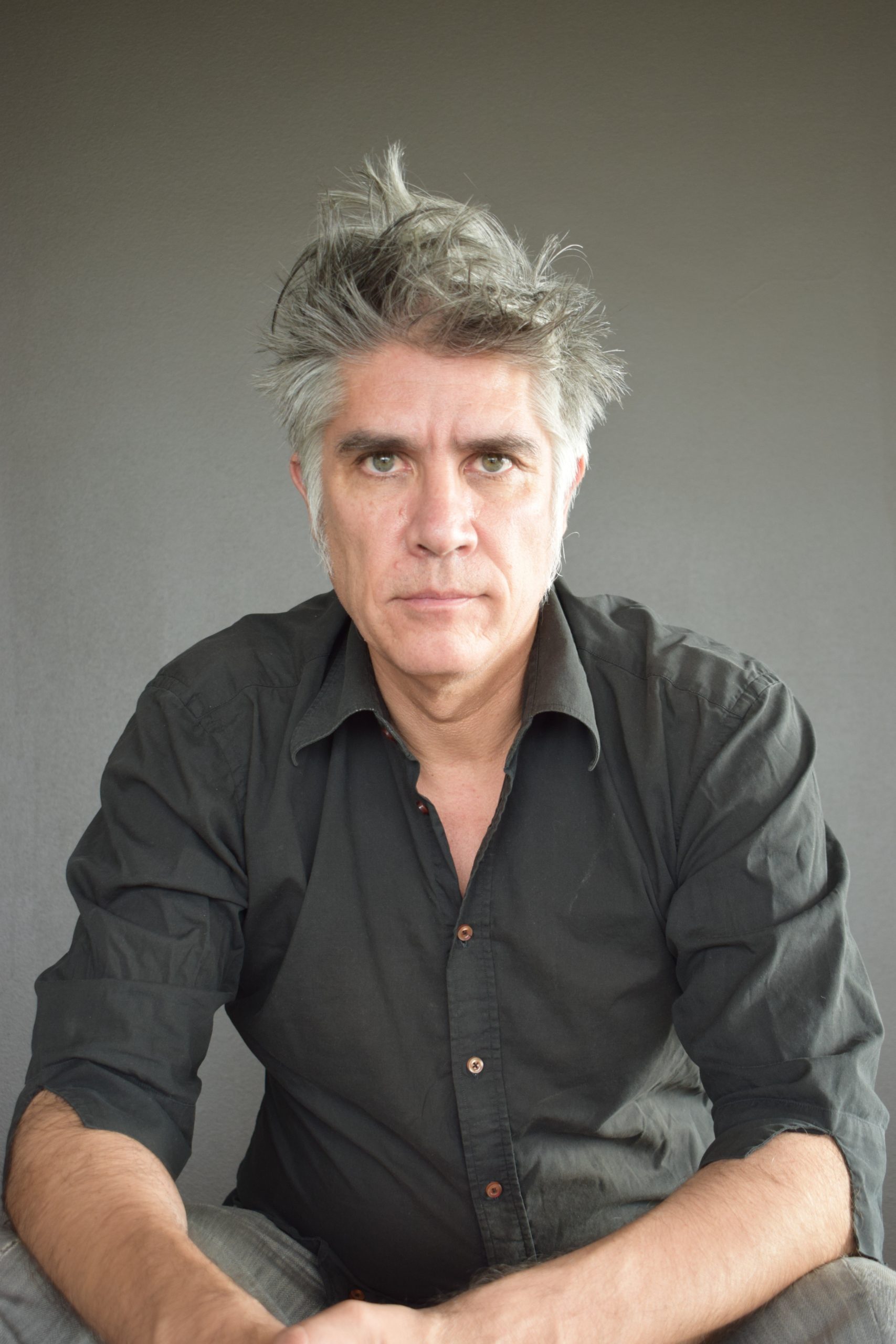
Alejandro Aravena
 Chile
ChileAlso known as: Alejandro Gastón Aravena Mori, Alex Aravena
Birthday
June 22, 1967
Birth Sign
Sagittarius
Birthplace
Santiago, Chile
Age
59 years old
About
Alejandro Gastón Aravena Mori is a Chilean architect and the Executive Director of Elemental S.A., a firm renowned for its socially conscious approach to urban housing and public spaces. Born on June 22, 1967, in Santiago, he is widely recognized as one of the most influential architects of his generation, particularly for his work in addressing economic inequality through design. As of 2026, at 59 years old, he remains a highly active voice in global discourse, teaching at institutions like MIT and continuing to lead major projects that transform marginalized communities across Latin America and beyond. His career is defined by a unique philosophy that prioritizes practical, cost-effective solutions for low-income communities while maintaining high aesthetic standards.
Aravena's international standing reached new heights in 2016 when he received the Pritzker Architecture Prize, widely considered the Nobel Prize of architecture. The jury cited his ability to combine practical building with a profound commitment to social and environmental responsibility, making him the first Chilean to win this honor. He is frequently seen wearing casual attire, reflecting his grounded approach to the profession and his focus on the practical needs of the communities he serves. His influence extends through the corridors of academia, the offices of urban planning firms, and the communities he has transformed, establishing him as a moral compass for the industry regarding the ethics of design and the responsibility of architects to society.
Early Life & Background
Growing up in Santiago during a period of significant political and economic change in Chile shaped Aravena's early worldview. He was born into a family that valued education and social responsibility, instilling in him a deep sense of duty toward society. These formative years exposed him to the stark realities of urban poverty, which would later become the central theme of his architectural practice. Unlike many peers who focused on monumental or purely aesthetic structures, Aravena felt compelled to address the fundamental lack of affordable housing that plagued his country. He pursued his higher education at the Pontifical Catholic University of Chile, graduating as an architect in 1992. Following his graduation, he continued his studies in Theory, refining his academic foundation before entering the professional world. Early in his career, he worked on various projects but remained unsatisfied with the standard industry approach to social housing. He observed that traditional methods often resulted in poor quality or isolated communities, failing to empower residents to improve their own living conditions over time. This dissatisfaction drove him to develop a new strategy that would eventually define his legacy.
Before founding his own firm, Aravena dedicated himself to understanding the intersection of architecture and poverty through rigorous academic inquiry. His early observations of the failures in standard housing models led him to question the very purpose of architectural intervention in low-income areas. He spent years analyzing how resources could be allocated more efficiently to create sustainable living environments. This period of intense study and observation laid the groundwork for his future innovations. He realized that the solution was not just about providing shelter, but about creating a framework where residents could actively participate in their own development. This realization marked the beginning of his journey toward redefining social housing practices globally.
Career Growth
In 2001, Aravena founded Elemental, an architecture and urban planning firm based in Santiago, marking the start of his independent practice focused on social housing. The firm's mission was to tackle complex social issues by developing innovative strategies that allowed residents to participate in the construction and expansion of their homes. His breakthrough moment came with the Quinta Monroy housing project in Iquique between 2003 and 2004. This project introduced his signature "half-house" concept, where the firm built the essential core of a home including the kitchen, bathroom, and stairs, leaving the rest open for residents to expand as their finances allowed. The success of Quinta Monroy established Aravena as a thought leader in incremental housing.
The pinnacle of his career arrived in 2016 when he received the Pritzker Architecture Prize. That same year, he served as the director and curator of the Venice Biennale of Architecture with the exhibition "Reporting from the Front," focusing on the role of architecture in social development. In 2018, he published Doing More with Less, detailing his philosophy and projects. His portfolio includes significant works such as Bicentennial Park in Santiago, the UC Innovation Center, St. Edward's University Guadalupe Hall in Austin, and the Constitución Tsunami Defences following the 2010 earthquake. Recent milestones include co-receiving the National Architecture Prize of Chile in July 2026 alongside Smiljan Radić and having his design chosen for a new museum in Qatar in late 2025.
Following this recognition, Aravena's influence expanded globally as he took on roles as a faculty member at institutions like MIT and participated in high-profile panels regarding climate change and urbanization. In May 2026, he delivered a commencement address at MIT, urging graduates to prioritize kindness and truth. He continues to lead Elemental in developing incremental housing solutions and advising on urban planning initiatives globally, cementing his status as a transformative figure in modern architecture.
Career Timeline
Public Image & Style
Aravena's public image is defined by intellectual rigor, moral authority, and a deep commitment to social justice. He is portrayed in the media as a "moral compass" for the industry, often quoted on the ethics of design and the responsibility of architects to society. His speaking style is direct and passionate, focusing on the intersection of architecture and poverty rather than abstract aesthetics. He is frequently seen wearing casual attire, reflecting his grounded approach to the profession and his focus on the practical needs of the communities he serves. Colleagues and students alike view him as a mentor who values character over accolades, a reputation solidified by his memorable addresses to graduates at MIT. His presence in the architectural world is characterized by a consistent message of empathy and practical innovation, distinguishing him from peers who may focus solely on form.
Fame & Fandom
Alejandro Aravena commands a global stage defined by profound professional influence rather than pop-culture ubiquity. His reach extends through the corridors of academia, the offices of urban planning firms, and the communities he has transformed across Latin America. In September 2026, iFANN's Global Fame Engine evaluated his standing and determined that he is currently unranked in the published Global Top 1,000 or any Top-100 scope list. While this places him outside the specific numerical hierarchies tracked for mass-market celebrities, his impact resonates deeply within the architectural world where his ideas shape cities. The fanbase surrounding such a figure does not carry a formal name; there is no moniker like 'Aravenators' or organized guilds of devotees documented in official records.
Instead, his supporters are a diffuse network of students, peers, beneficiaries, and policy makers who engage with his work through lectures and built environments. There are no documented fan campaigns, birthday billboards, or street shutdowns characteristic of idol culture. His interaction remains strictly educational and professional, focused on the dissemination of his philosophy regarding incremental housing and social equity. In August 2026, he participated in live webcasts and panels discussing built environments alongside other laureates like Richard Rogers and Renzo Piano, further demonstrating his engagement with a specialized, high-level audience rather than a general celebrity following.
Interesting Facts and Legends
Aravena is a Sagittarius, a sign often associated with freedom and exploration, traits that reflect his boundary-pushing approach to architecture. One of the most enduring legends surrounding his career is the story of the "half-house" philosophy. This narrative is told to every architecture student about how design can empower people rather than just providing shelter. The idea that a house could be unfinished intentionally to allow for growth is now a cornerstone of modern social housing theory. Another key chapter in his lore involves his recent return to Chilean honors. In July 2026, he received the National Architecture Prize alongside Smiljan Radić, cementing his status at home even as his international profile grew.
His academic legacy also features prominently, particularly his memorable addresses to graduates at MIT in May 2026, where he urged the next generation to prioritize kindness and truth over mere professional success. These moments define his mythology, transforming him from a mere builder into a moral compass for the industry. He served as the director of the Venice Biennale of Architecture in 2016, a rare achievement for a practicing architect. His work has been featured in monographs and documentaries, influencing a generation of architects to focus on social equity. He is a frequent speaker at TED Talks, where he discusses the intersection of architecture and poverty, sharing quotes like "The language through which we communicate is that of buildings." These anecdotes highlight the unique blend of theory and practice that defines his career.
Notable Quotes
“The language through which we communicate is that of buildings.”
“We must build the essential core of a home so residents can expand it themselves over time as their resources allow.”
“Architecture is not just about making things beautiful; it is about solving problems.”
Family & Personal Life
Alejandro Aravena maintains a notably private personal life, keeping his domestic affairs strictly separate from his public persona. While details about his immediate family members are scarce, it is known that he comes from a background that deeply valued education and social responsibility. He is known to be dedicated to his work and family life away from the spotlight, prioritizing the well-being of his household above public appearances. Despite his fame, there are no credible reports, media archives, or biographical sources confirming any marriages, engagements, or long-term partnerships. No children have been publicly confirmed, though he occasionally references the impact of his work on future generations in his lectures. This privacy allows him to maintain a clear distinction between his professional achievements and his personal existence.
Notable Connections
Relationships & Dating History
Alejandro Aravena keeps his personal life strictly separate from his public persona. Throughout his decades-long career, he has never publicly disclosed details about romantic relationships, dating history, or marital status. There are no credible reports, media archives, or biographical sources confirming any marriages, engagements, or long-term partnerships. He is known to be dedicated to his work and family life away from the spotlight. As of 2026, there is no public information regarding a current partner, and he is generally regarded as keeping his private affairs out of the news cycle. No children have been publicly confirmed, though he occasionally references the impact of his work on future generations in his lectures. This unwavering privacy has become a defining characteristic of his public identity, ensuring that his legacy remains focused entirely on his architectural contributions.
Salary, Net Worth In 2026
$12 Million
iFANN Editorial Team estimate
iFANN Editorial Team analysis of Alejandro Aravena's earnings, ventures, and assets points to a net worth estimated between $10 million and $20 million as of 2026. Unlike pop stars or athletes, Aravena's wealth stems from a diverse mix of professional activities rather than a single massive payday. His primary income source is Elemental S.A., a successful firm that has delivered large-scale public and private housing projects across Chile and internationally, including the iconic Quinta Monroy and the new museum in Qatar. Beyond his firm, Aravena generates revenue through high-profile speaking engagements at conferences and universities, where his insights on social housing command significant fees.
His academic roles, including visiting professorships at prestigious institutions like MIT, provide additional stipends and salaries. Book royalties from publications such as Doing More with Less contribute a steady stream of passive income. While exact financial disclosures remain private, these combined streams support his estimated fortune, reflecting the scale and success of his impactful career in architecture. Industry analysts note that his wealth is derived primarily from the operational success of his firm, his lecture fees, and his contributions to academic literature, all of which underscore the viability of his social housing model in the real economy.
Awards Won (3)
Alejandro Aravena has received numerous prestigious awards throughout his career, most notably the Pritzker Architecture Prize in 2016, which is considered the highest honor in the field. He was the first Chilean to receive this award, recognized for his ability to combine practical, cost-effective building with a profound commitment to social and environmental responsibility. In July 2026, he shared the National Architecture Prize of Chile with Smiljan Radić, cementing his status as a national icon. He also served as a Laureate of the Holcim Foundation and acted as the director of the Venice Biennale of Architecture in 2016.
2016 · Architecture
Elemental S.A.
2026 · Architecture
Lifetime Achievement
Known For
Quinta Monroy
2004 · Architect
Venice Biennale of Architecture
2016 · Director and Curator
Pritzker Architecture Prize
2016 · Recipient
National Architecture Prize of Chile
2026 · Recipient
Keywords
Sources
Quick Facts
- Profession
- architect, university teacher
- Born
- June 22, 1967
- Birthplace
- Santiago, Chile
- Gender
- Male
- Birth Sign
- Sagittarius
Personal Details
- Full Name
- Alejandro Gastón Aravena Mori
- Children
- Education
- Pontifical Catholic University of Chile (Architect, 1992)
Frequently Asked Questions
What is Alejandro Aravena famous for?
How old is Alejandro Aravena?
Does Alejandro Aravena have a wife or children?
What is the half-house concept?
Did Alejandro Aravena receive any awards in 2026?
Similar People
Join the community
fans discussing