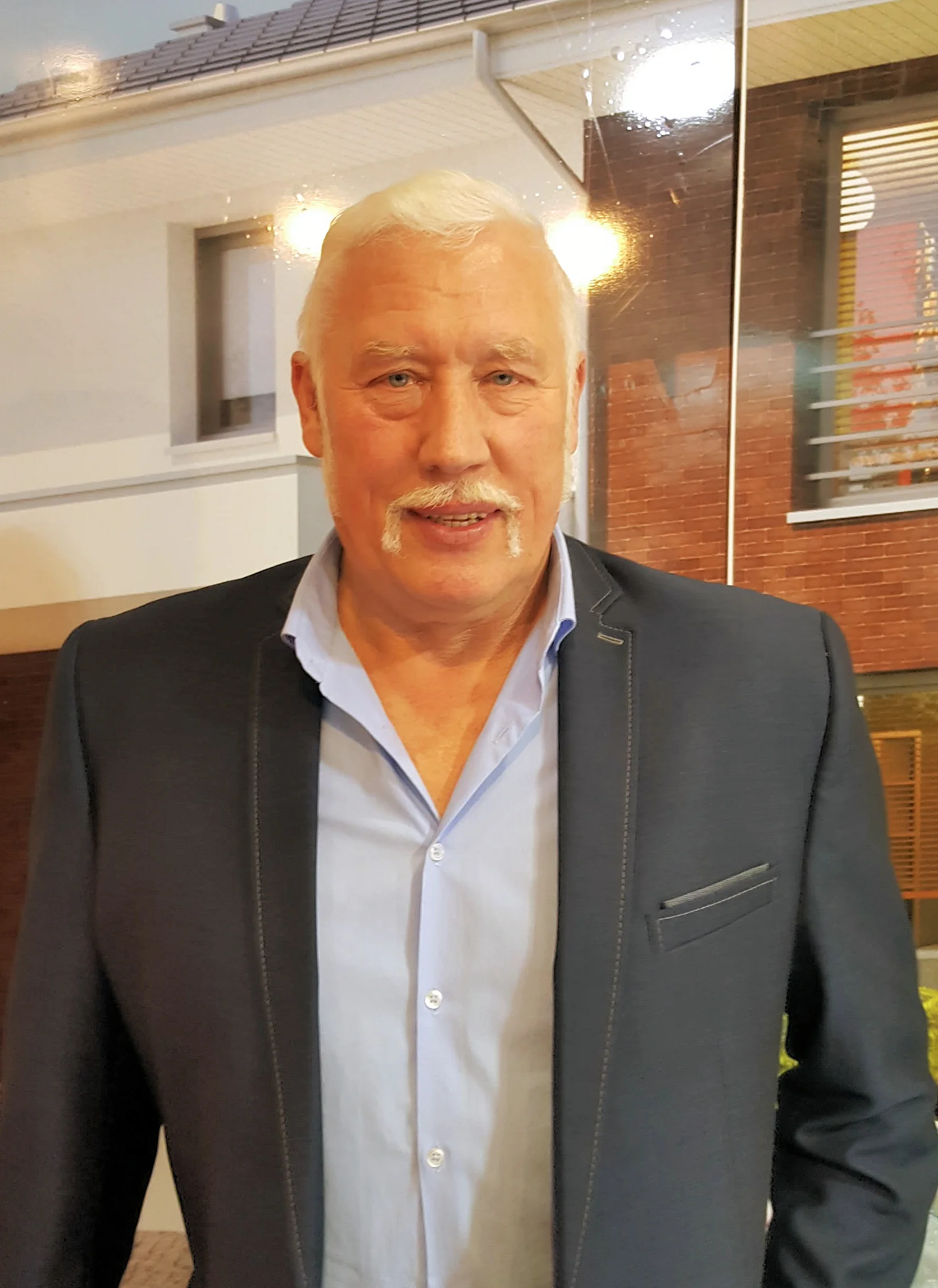
Władysław Kozakiewicz
 Poland
athletics competitor•politician
Also known as: Wladyslaw Kozakiewicz
Birthday
December 8, 1953
Birth Sign
Sagittarius
Birthplace
Šalčininkai, Lithuania
Age
72 years old
About
Władysław Kozakiewicz is a retired Polish pole vaulter whose name is forever tied to a single defiant gesture at the 1980 Moscow Olympics. Born in Lithuania and raised in a Polish family, he became one of the sport's most accomplished athletes, setting three world records and winning Olympic gold. His famous "Kozakiewicz gesture", a crude arm movement aimed at the jeering Soviet crowd, turned him into a national hero and an enduring symbol of resistance against Soviet oppression.
Today, Kozakiewicz is remembered not just for his athletic feats but for the political weight of that moment. He remains a respected figure in Polish sport, with his legacy celebrated in documentaries and retrospectives. As of 2026, he is retired from competition and public life, living quietly while his iconic act continues to inspire discussions about courage and defiance.
Early Life & Background
Władysław Kozakiewicz was born on December 8, 1953, in Šalčininkai, a small town near Vilnius in what was then the Soviet Union. Growing up in a Polish family under Soviet rule, he experienced the political tensions that would later define his career. From a young age, he showed remarkable athletic promise, and by 1973, at just 19, he became the Polish Champion in pole vault, setting a new national record. This early success propelled him into the spotlight of Polish athletics.
Over the next few years, Kozakiewicz honed his skills, breaking national records and gaining international experience. In 1974, he won a silver medal at the European Championships in Rome, a sign of his growing prowess. Despite the constraints of the Eastern Bloc, he trained rigorously, aiming to compete at the highest level. His breakthrough came in 1976 when he set a new world indoor record, followed by an outdoor world record in 1978. These achievements set the stage for his historic performance at the 1980 Moscow Olympics.
Career Growth
Kozakiewicz's career peaked at the 1980 Summer Olympics in Moscow, where he faced a hostile Soviet crowd that jeered and whistled during his jumps. Undeterred, he cleared 5.78 meters, setting an Olympic record and winning the gold medal. Immediately after, he performed the "bras d'honneur", raising both arms with clenched fists, a gesture that became known worldwide as "Kozakiewicz's gesture." This act of defiance resonated deeply in Poland, transforming him into a national hero and a symbol of anti-Soviet resistance.
Following his Olympic triumph, Kozakiewicz retired from competitive athletics, a decision driven by the intense media scrutiny and the emotional toll of the event. He later transitioned into politics and public service in post-communist Poland, serving in various capacities. His legacy was further cemented by a 2018 TV movie titled Wladyslaw Kozakiewicz, directed by Tadeusz Król, which chronicled his life and career.
Career Timeline
Public Image & Style
In Poland, Kozakiewicz is revered as a patriotic icon, a symbol of courage and defiance against Soviet oppression. The media portrays him as a man who stood up to authority, and his image is synonymous with the struggle for freedom. There is no formal fandom name, but he is universally recognized among Poles. His public appearances are rare, and he prefers to let his historical legacy speak for itself. His gesture remains a powerful cultural reference, often cited in discussions about political protest in sports.
Fame & Fandom (iFAMOUS Rankings)
Władysław Kozakiewicz commands a global footprint defined by a single, defiant moment rather than sustained commercial saturation. His presence in contemporary pop culture is historical and symbolic, anchored firmly in the Cold War era. As of August 2026, the iFANN Global Fame Engine has evaluated Władysław Kozakiewicz, but he does not currently hold a placement in the published rankings (Global Top 1,000 or a Top-100 scope list). While his name resonates deeply within Poland as a national icon, this recognition has not translated into a quantifiable position on the modern global fame spectrum. The audience surrounding him lacks a formal, organized structure. There is no documented fandom name, nor are there records of an active fanbase engaging in rituals, charter drives, or fan-funded projects typical of modern celebrity culture. Instead, his supporters are the general Polish public and the international track and field community, who revere his achievements as part of their shared history rather than as a dedicated consumer base. His legacy survives through museum exhibits and national memory rather than the infrastructure of a specialized fan club.
Interesting Facts and Legends
The famous gesture Kozakiewicz made at the 1980 Moscow Olympics was spontaneous, a visceral reaction to the crowd's hostility rather than a premeditated political statement. He broke the world record three times during his career: twice outdoors and once indoors. His name is sometimes spelled "Wladyslaw" without diacritics in English sources, though the Polish spelling remains "Władysław." He secured two Summer Universiade titles and ten Polish national championships. Interestingly, his birthplace, Šalčininkai, is often overlooked in favor of his Polish identity. The story that cemented his legend began when he faced hostile booing from the Soviet crowd after winning gold. In response, he turned toward the stands and made a gesture resembling a cactus, known in Poland as *figa*. This act transformed a sporting victory into a symbol of resistance against Soviet oppression. The image of his raised arm became one of the most recognizable symbols in Polish culture, representing defiance and national pride. It is frequently cited in Polish media and education as a defining moment where sport intersected with geopolitics. The narrative is retold annually, ensuring the event remains a central topic in retrospectives of Olympic history.
Notable Quotes
“I did not want to show them my joy, I wanted to show them my anger.”
“The gesture was not planned. It was a reaction to the hatred I felt from the crowd.”
“I wanted to prove that a Pole can stand up to Soviet power.”
Family & Personal Life
Details about Kozakiewicz's family are scarce. He was born to a Polish family in Lithuania, and his upbringing under Soviet rule profoundly influenced his later actions. He has kept his personal life private, and there is no public information about his parents, siblings, or his own family. He is believed to have no children, but this is not confirmed. His focus has always been on his athletic and public service legacy rather than his private affairs.
Notable Connections
Relationships & Dating History
Władysław Kozakiewicz has kept his personal life intensely private, and there is no public record of his dating history, marriages, or romantic relationships. He has never been linked to any high-profile partners, and no credible sources confirm a spouse or children. As of 2026, his relationship status remains unknown, but it appears he has chosen to stay out of the public eye in this regard. His legacy focuses entirely on his athletic achievements and political symbolism.
Salary, Net Worth In 2026
$1 Million
iFANN Editorial Team estimate
As of 2026, Władysław Kozakiewicz's net worth is estimated at around $1 Million. Per iFANN's editorial analysis, this figure reflects his career as a retired athlete and former politician. Unlike modern sports stars, Kozakiewicz competed before the era of massive endorsement deals, so his earnings primarily came from state support and modest prize money. After retiring, he likely received a state pension and may have earned from occasional speaking engagements and public appearances. No major commercial ventures or investments have been reported, and his financial situation has never been a subject of public speculation.
Awards Won (2)
Kozakiewicz's most notable award is the Olympic gold medal he won in 1980. He also earned a silver medal at the 1974 European Championships and set three world records. His achievements have made him a celebrated figure in Polish sports history.
1980 · Pole Vault
1980 Summer Olympics
1974 · Pole Vault
1974 European Championships
Known For
1980 Moscow Olympics
1980 · Gold medalist in pole vault
World records in pole vault
1976-1978 · Record holder
Keywords
Sources
Quick Facts
- Profession
- Athletics competitor, politician
- Born
- December 8, 1953
- Birthplace
- Šalčininkai, Lithuania
- Gender
- Male
- Birth Sign
- Sagittarius
Personal Details
- Full Name
- Władysław Kozakiewicz
Filmography
1
Total
1
Film
0
TV
Frequently Asked Questions
Where was Władysław Kozakiewicz born?
What is the 'Kozakiewicz gesture'?
Did Władysław Kozakiewicz retire after the 1980 Olympics?
How many world records did Kozakiewicz break?
Is Władysław Kozakiewicz still alive?
Similar People
Join the community
fans discussing