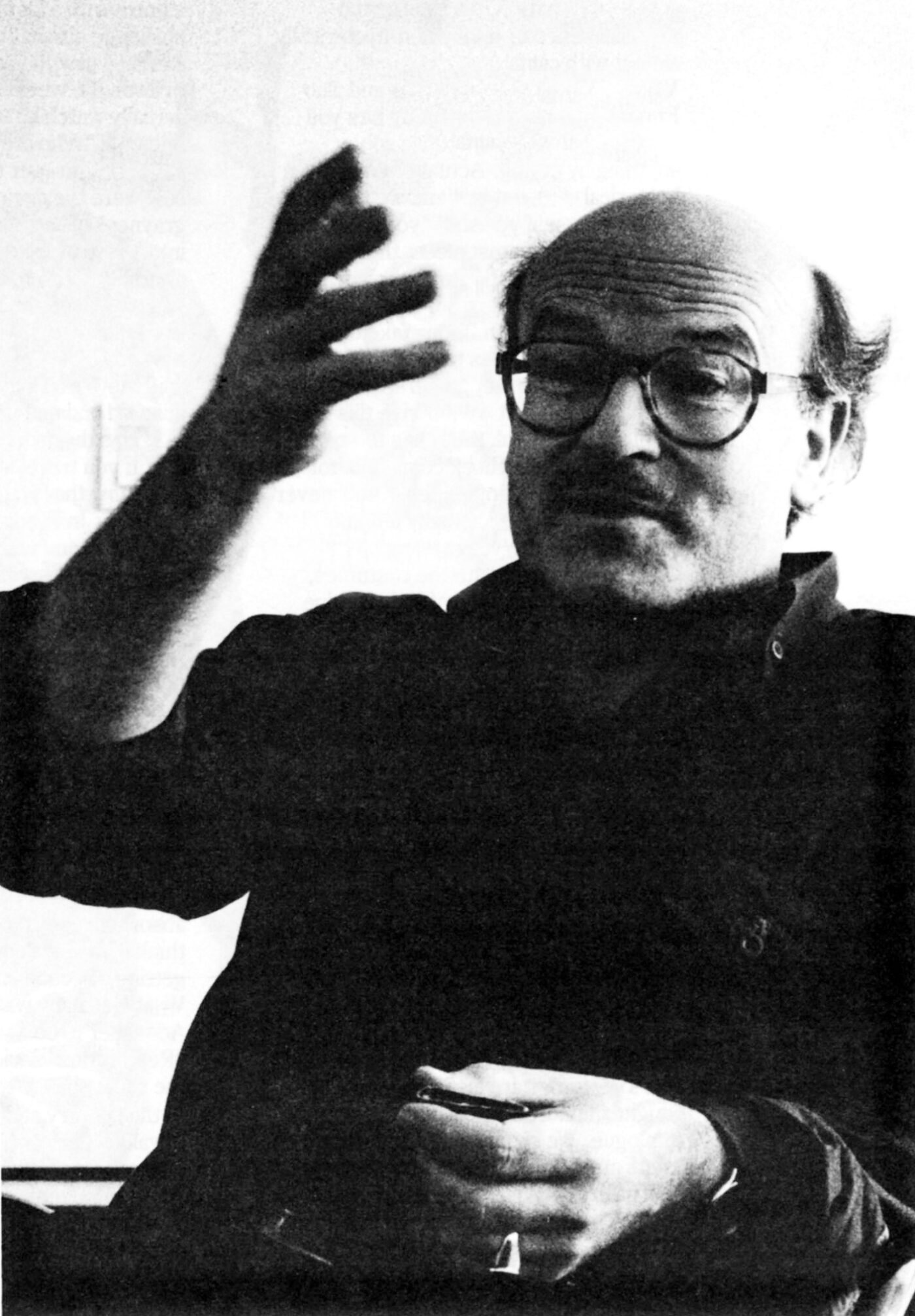
Volker Schlöndorff
 Germany
Film director•screenwriter•producer•university teacher
Birthday
March 31, 1939
Birth Sign
Aries
Birthplace
Wiesbaden, Germany
Age
87 years old
About
Volker Schlöndorff is a German film director, screenwriter, and producer, widely recognized as a leading figure of the New German Cinema movement. His career spans over six decades, with a filmography that includes literary adaptations, political dramas, and documentaries. Schlöndorff gained international fame with his 1979 adaptation of Günter Grass's novel The Tin Drum, which won the Palme d'Or at Cannes and the Academy Award for Best Foreign Language Film.
Today, Schlöndorff continues to work actively, directing films and teaching as a professor at the European Graduate School. His work is characterized by a commitment to exploring social and political themes, often through the lens of German history. He is also a founding member of the Deutsche Filmakademie and has served as the chief executive of Studio Babelsberg.
Early Life & Background
Volker Schlöndorff was born in Wiesbaden, Germany, to physician Georg Schlöndorff and his wife, who died in a kitchen fire in 1944 when Schlöndorff was five. He grew up in Schlangenbad and attended school in Wiesbaden. In 1956, he moved to France as an exchange student, a stay that extended to over ten years. In Paris, he attended the Lycée Henri IV, earned his Baccalauréat, and studied political science and economics at the Sorbonne. He also studied film at the Institut des hautes études cinématographiques.
Schlöndorff began his film career in 1960 as an assistant director to prominent French filmmakers Louis Malle, Jean-Pierre Melville, and Alain Resnais, working on films such as Zazie in the Metro (1960), A Very Private Affair (1962), The Fire Within (1963), and Viva Maria! (1965). He also assisted on Resnais's Last Year at Marienbad and Melville's Léon Morin, Priest. After a decade in France, he realized it was artificial to try to be a director there and returned to Germany. His first feature film, Young Törless (1966), based on Robert Musil's novella, brought him immediate recognition for its directorial style and examination of authoritarianism.
Career Growth
Schlöndorff's international breakthrough came with his 1979 adaptation of The Tin Drum, which won the Palme d'Or at Cannes and the Academy Award for Best Foreign Language Film, the first German film to receive that honor. This film marked a departure from his earlier work with its episodic structure and expressionistic style.
Key projects after this success include Circle of Deceit (1981), filmed on location in Beirut; Swann in Love (1984), an adaptation of Proust; Death of a Salesman (1985) for television, starring Dustin Hoffman; The Handmaid's Tale (1990); Voyager (1991); The Ogre (1996); and Diplomacy (2014), which won the Best Adaptation award at the Césars. In 2017, he directed Return to Montauk and the TV film Der namenlose Tag. More recently, he made documentaries Zeitzeugengespräch and Der Waldmacher in 2021-2022. As of 2024, he is set to direct a film about composer Antonio Vivaldi's all-female orchestra.
Career Timeline
Public Image & Style
Schlöndorff is regarded as a serious, intellectual filmmaker, known for his literary adaptations and political engagement. He is a key figure of the New German Cinema, often associated with a generation of filmmakers who confronted Germany's Nazi past. His style is described as straightforward and unflinching, with a focus on authoritarianism and social injustice. Fans and critics appreciate his commitment to exploring complex themes through cinema.
Fame & Fandom (iFAMOUS Rankings)
Volker Schlöndorff doesn't have a fandom in the pop-culture sense, no official name, no fan clubs, no birthday campaigns. His audience is the global film community: cinephiles, students, and critics who engage with his work through academic study and festival screenings. His legacy is preserved in institutional archives, like the Volker Schlöndorff Collection at the Deutsches Filminstitut, one of the most comprehensive of its kind.
As of August 2026, iFANN's Global Fame Engine has evaluated Schlöndorff but he does not currently hold a placement in the published rankings, neither the Global Top 1,000 nor a Top-100 scope list. That absence isn't a slight; it reflects the nature of his fame, which is deep within the film world rather than broad across mainstream culture. He's a revered auteur, not a celebrity.
His iconic moments are professional milestones, not viral incidents. The 1979 double win at Cannes, taking both the Palme d'Or and the Academy Award for Best Foreign Language Film for The Tin Drum, is the story most retold. And in May 2026, at 87, he returned to Cannes as a 'Cannes Legend' to present his 28th film, Heimsuchung – Eine Jahrhundertgeschichte. The Hollywood Reporter caught him saying he has 'no regrets' after six decades of filmmaking. That's the kind of legacy that doesn't need a fandom name.
Interesting Facts and Legends
Schlöndorff has directed operas in Germany and France, and served as chief executive of Studio Babelsberg GmbH from 1992. He is a professor of film and literature at the European Graduate School. He initially rebelled against his German origins, seeking identity in American and French culture, and co-founded the production company Hallelujah-Film in 1969 with Peter Fleischmann, later establishing Bioskop Film in 1973.
His 1979 double triumph with The Tin Drum, winning both the Palme d'Or and the Oscar for Best Foreign Language Film, remains a landmark in German cinema history. More recently, at the 2026 Cannes Film Festival, he was celebrated as a 'Cannes Legend' upon presenting his 28th film, Heimsuchung – Eine Jahrhundertgeschichte, a historical drama that traces a century of German history through a single house. In interviews, he reflected on his career with characteristic directness, stating he has 'no regrets.'
Notable Quotes
“The Tin Drum was the film that made me known, but it was also a burden.”
“I always try to find the truth in a story, even if it's uncomfortable.”
“Cinema is a way to confront the past, not to escape it.”
Family & Personal Life
Schlöndorff was born to physician Georg Schlöndorff and his wife, who died in a kitchen fire in 1944 when he was five years old. He grew up in Schlangenbad. He was married to actress and director Margarethe von Trotta from 1971 to 1991. Details about children are not publicly documented.
Notable Connections
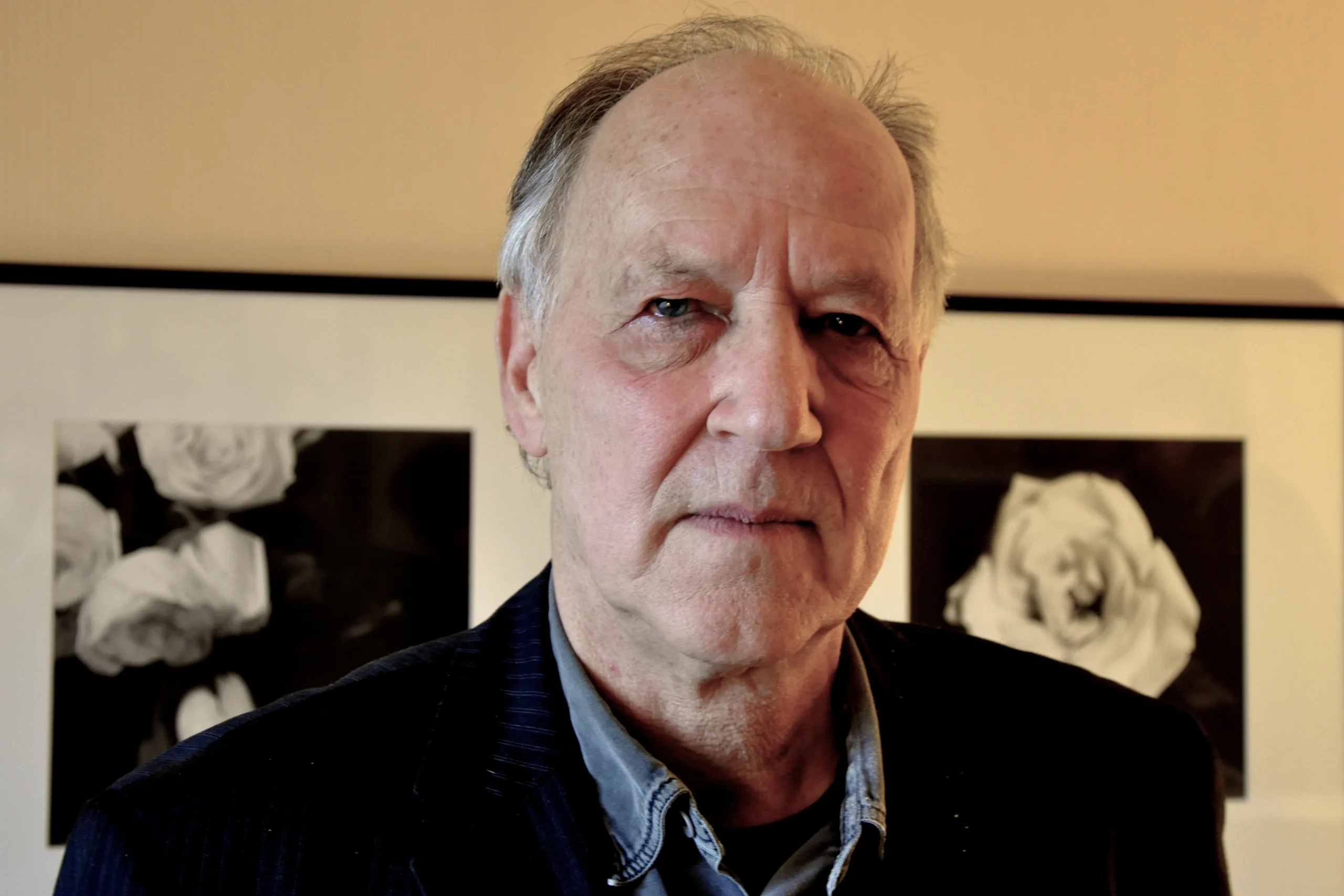
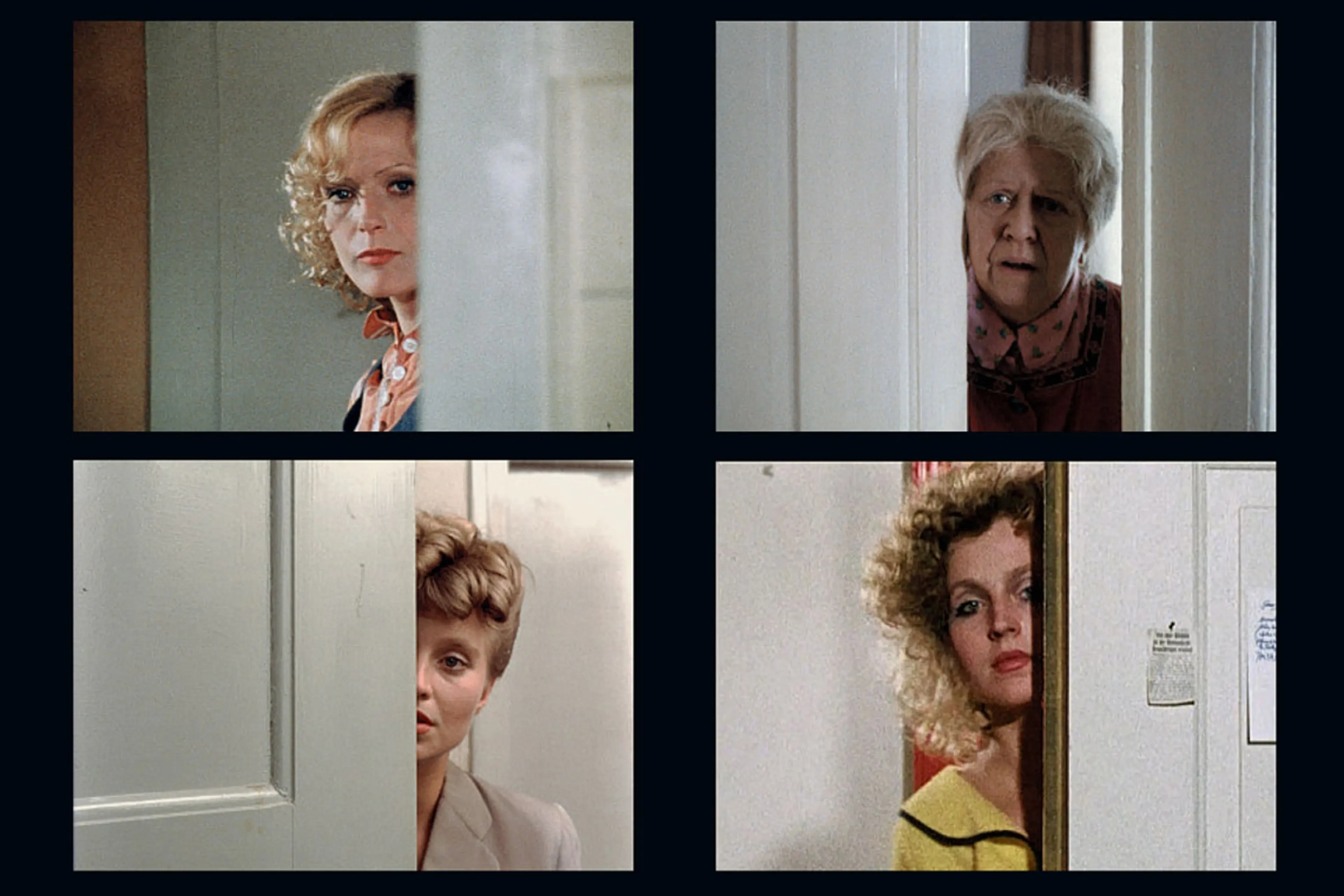
Volker Schlöndorff is associated with the New German Cinema movement, alongside filmmakers like Rainer Werner Fassbinder and Werner Herzog. He frequently collaborated with actress and director Margarethe von Trotta, his former wife, on films such as The Lost Honor of Katharina Blum. He has worked with actors including Dustin Hoffman, John Malkovich, and Natasha Richardson.
Relationships & Dating History
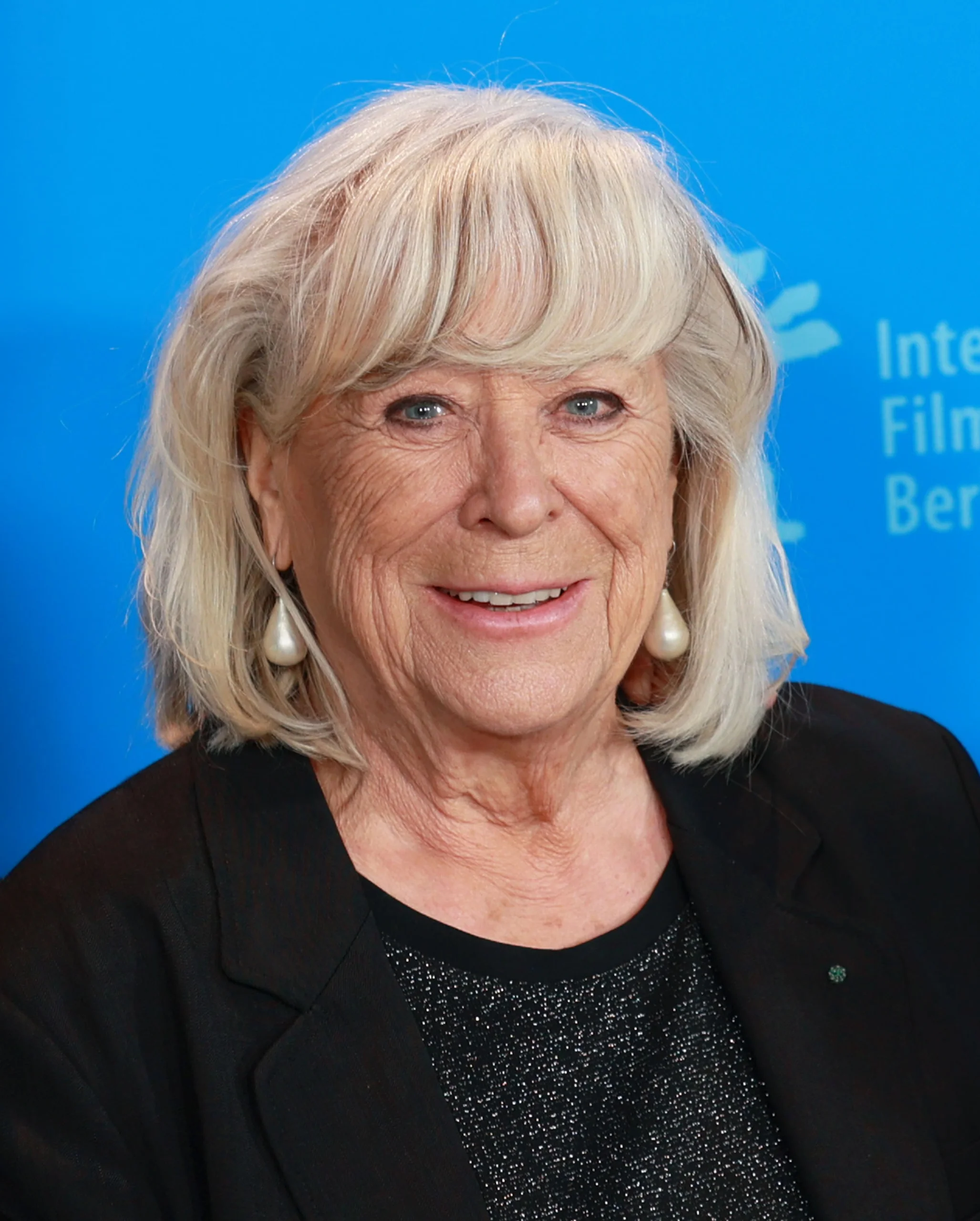
Volker Schlöndorff was married to actress and director Margarethe von Trotta from 1971 to 1991. During their marriage, they collaborated on several films, including The Lost Honor of Katharina Blum, which they co-directed. After their divorce, Schlöndorff's private life has remained largely out of the spotlight. As of 2026, there is no public information about a current partner, and he appears to be single.
- MarriedMargarethe von Trotta1971 - 1991Married for 20 years; collaborated professionally on several films.
Salary, Net Worth In 2026
$10 Million
iFANN Editorial Team estimate
iFANN currently estimates Volker Schlöndorff's net worth at $10 million. This figure reflects a career spanning more than six decades as a director, screenwriter, and producer, with earnings from film projects, television productions, and teaching. The international success of The Tin Drum contributed significantly to his financial standing. His tenure as chief executive of Studio Babelsberg also added to his income. While exact figures are not publicly disclosed, the estimate aligns with his sustained presence in the industry.
Awards Won (40)
Volker Schlöndorff has received numerous awards throughout his career. His most notable achievements include the Palme d'Or at the Cannes Film Festival and the Academy Award for Best Foreign Language Film, both for The Tin Drum in 1979. He also won the Best Adaptation award at the Césars for Diplomacy in 2015 and the Best TV Direction Award at the Romy Gala for Der namenlose Tag in 2017.
1979 · Best Foreign Language Film
The Tin Drum
1979 · Palme d'Or
The Tin Drum
1966 · FIPRESCI Prize
Young Törless
Known For
The Tin Drum
1979 · Director
The Lost Honor of Katharina Blum
1975 · Co-director
Young Törless
1966 · Director
The Handmaid's Tale
1990 · Director
Diplomacy
2014 · Director
Keywords
Sources
Quick Facts
- Profession
- Film director, screenwriter, producer, university teacher
- Born
- March 31, 1939
- Birthplace
- Wiesbaden, Germany
- Gender
- Male
- Spouse
- Margarethe von Trotta
- Birth Sign
- Aries
Personal Details
- Full Name
- Volker Schlöndorff
- Spouse
- Margarethe von Trotta
- Education
- Sorbonne, Institut des hautes études cinématographiques
Filmography
50
Total
40
Film
10
TV
Frequently Asked Questions
What is Volker Schlöndorff famous for?
When was Volker Schlöndorff born?
Who is Volker Schlöndorff married to?
What are some of Volker Schlöndorff's notable films?
Where did Volker Schlöndorff study filmmaking?
Join the community
fans discussing