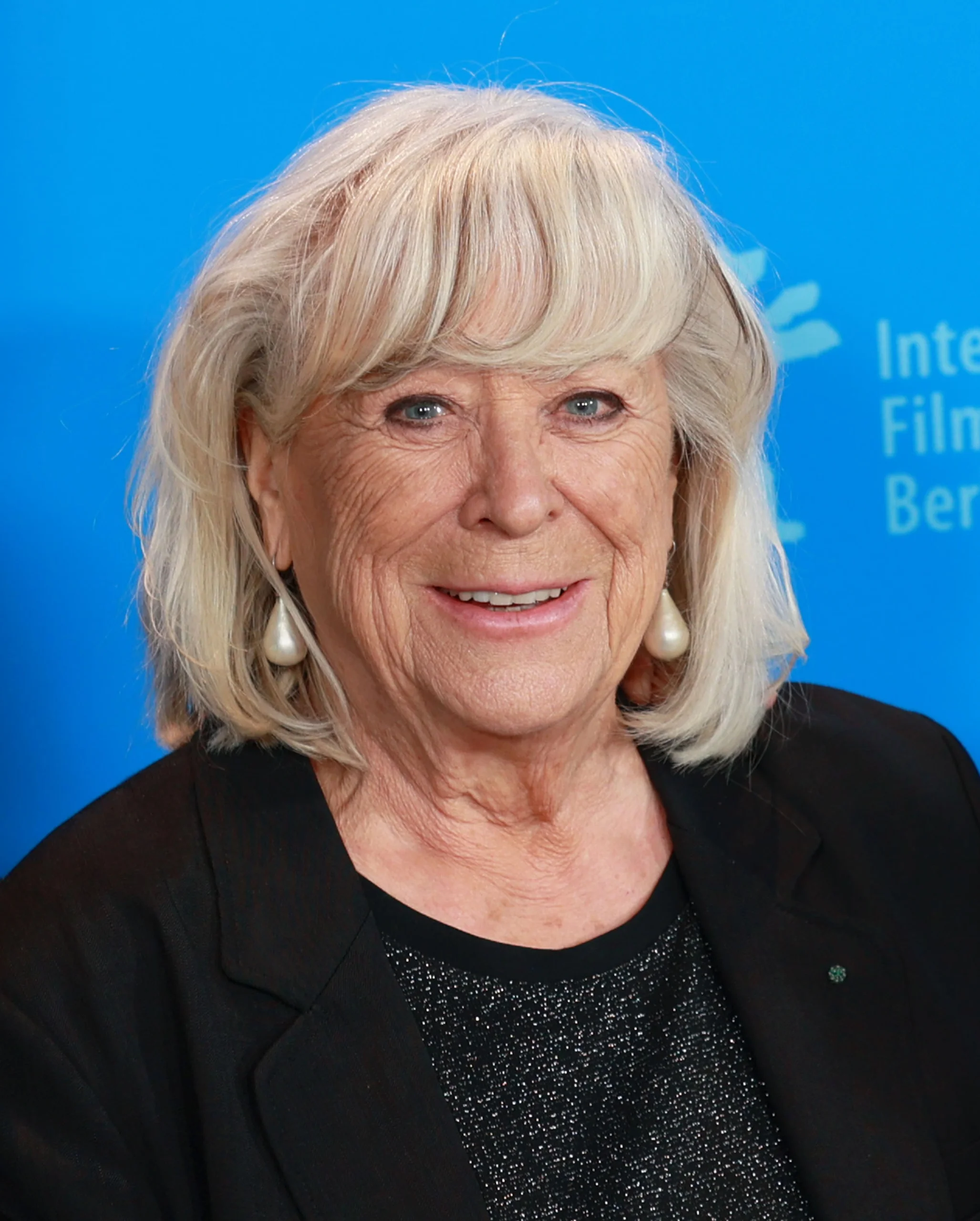
Margarethe von Trotta
 Germany
film director•screenwriter•film actor
Birthday
February 21, 1942
Birth Sign
Pisces
Birthplace
Berlin, Germany
Age
84 years old
Height
5 ft 5 in (165 cm)
About
Margarethe von Trotta is a German film director, screenwriter, and actress, widely regarded as a leading figure of the New German Cinema movement. Born in Berlin in 1942, she has crafted a career spanning over five decades, with more than 15 feature films to her name. Her work often centers on complex female characters and political themes, earning her international acclaim and numerous awards, including the Golden Lion at the Venice Film Festival.
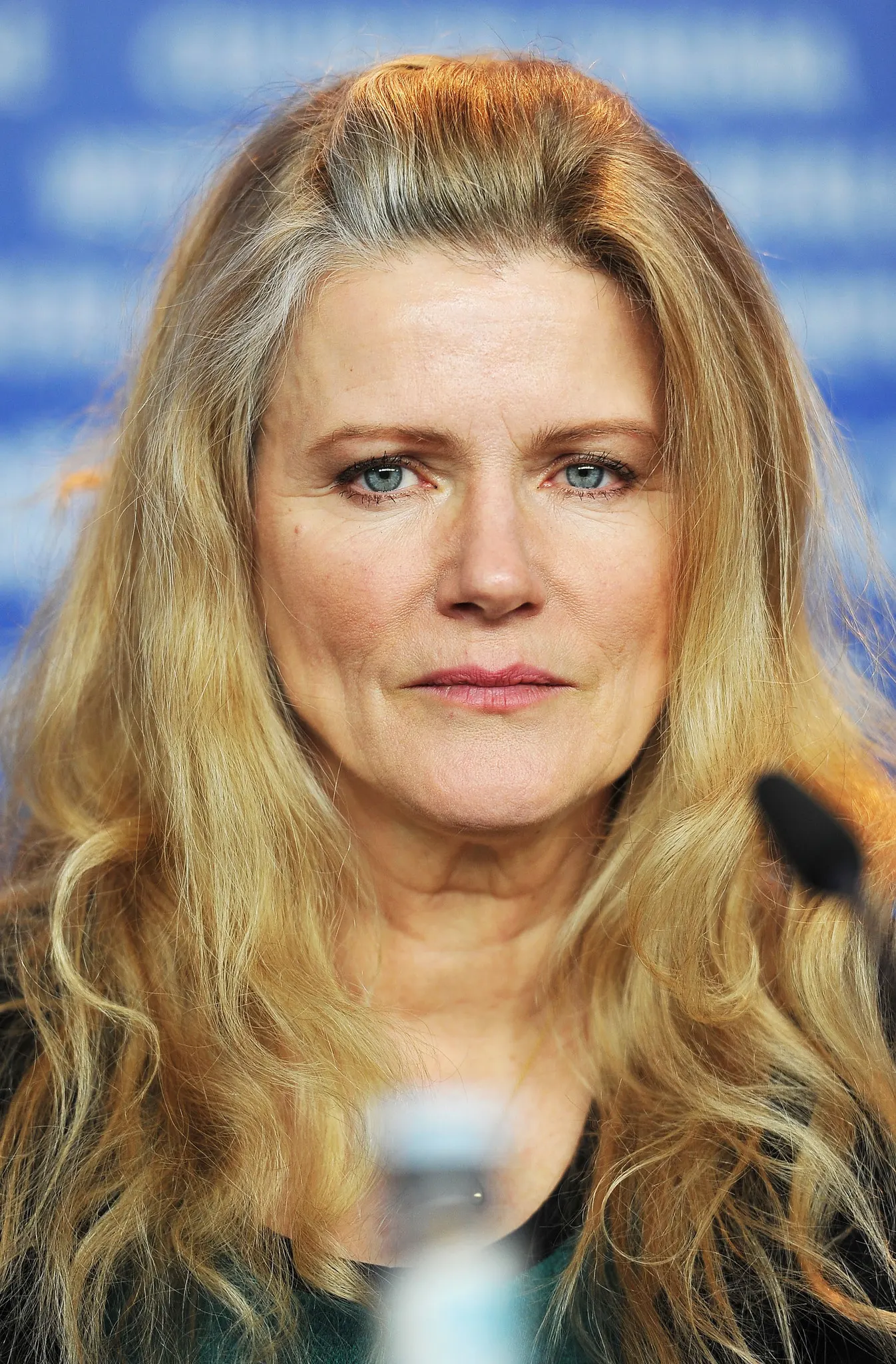
Von Trotta's films are known for their intellectual rigor and emotional depth, frequently exploring the intersections of personal and political life. She has been called "the world's leading feminist filmmaker," though she prefers to see her work as universal rather than gendered. Her collaborations with actress Barbara Sukowa have produced some of her most celebrated films, including "Rosa Luxemburg" and "Hannah Arendt."
As of 2026, von Trotta remains an active and respected voice in cinema, continuing to inspire new generations of filmmakers with her commitment to storytelling that challenges and illuminates.
Early Life & Background
Margarethe von Trotta grew up in Berlin during and after World War II, an experience that would later infuse her films with a deep sense of history and moral urgency. In the 1960s, she moved to Paris, where she worked with film collectives, gaining hands-on experience in the industry. This period was formative, exposing her to the vibrant European film culture of the time.
She began her professional career as a stage actress, performing in theaters before transitioning to film. In the late 1960s, she appeared in early Rainer Werner Fassbinder films, including "Beware the Holy Whore," which placed her at the center of the emerging New German Cinema scene. A pivotal moment came when she encountered Ingmar Bergman's "The Seventh Seal" starring Max von Sydow; she has said this film revealed the power of cinema to her, resonating with the apocalyptic fears of the era and inspiring her lifelong admiration for von Sydow's work.
Her early experiences in both acting and collaborative filmmaking laid the groundwork for her own directorial vision, which would soon break new ground in German cinema.
Career Growth
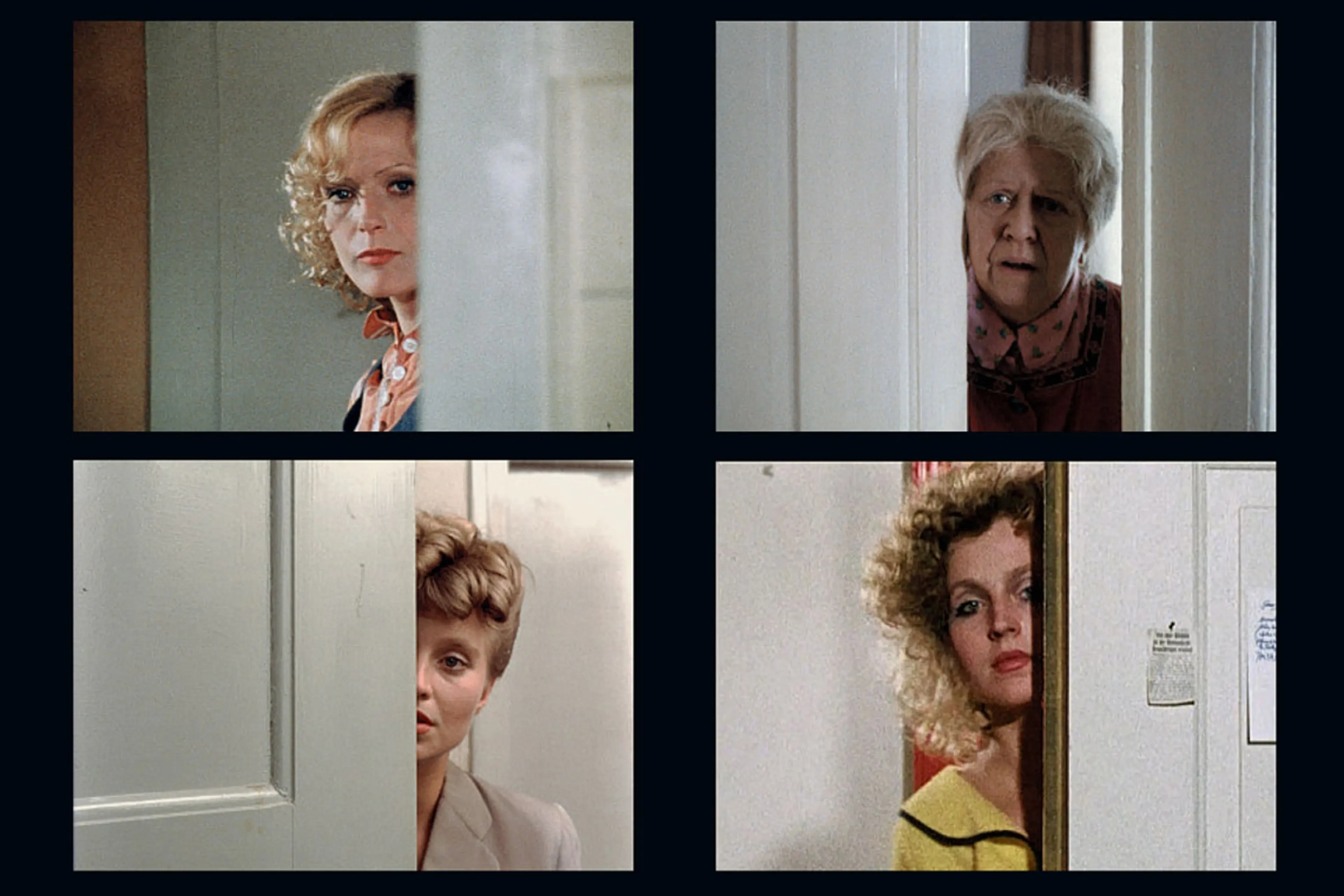
Von Trotta's directorial debut came in 1975 with "The Lost Honour of Katharina Blum," co-directed with her then-husband Volker Schlöndorff. The film was a critical and commercial success, establishing her as a major voice in German cinema. Her third solo film, "Die bleierne Zeit" (The German Sisters, 1981), won the Golden Lion at the Venice Film Festival, her most prestigious award. The film follows two German sisters who both fight for women's rights but take radically different paths, one through activism and the other through terrorism.
In 1986, she directed "Rosa Luxemburg," a biographical portrait of the revolutionary socialist thinker, starring her frequent collaborator Barbara Sukowa. In 2003, she directed "Rosenstrasse," about the 1943 Berlin protest by non-Jewish women against the deportation of their Jewish husbands, a film that received significant international attention. Her 2012 film "Hannah Arendt" explored the life of the philosopher, with Sukowa again in the lead role. In 2010, she directed "Vision," recounting the life of 12th-century mystic, composer, and healer Hildegard von Bingen. In 2017, she completed "Forget About Nick," an English-language comedy. Her most recent feature, "Ingeborg Bachmann – Journey into the Desert" (2023), examines the Austrian poet Ingeborg Bachmann's relationship with Swiss writer Max Frisch. By 2018, she had directed 24 films over 40 years. She has received the German Film Award for Lifetime Achievement (2019) and the European Film Awards Lifetime Achievement Award.
Career Timeline
Public Image & Style
Von Trotta's public image is that of a serious, intellectually rigorous filmmaker whose work examines complex female relationships, political backdrops, and societal roles. Her films are known for their introspective quality, often compared to Bergman's work. Critics praise the remarkable range of women's roles in her cinema, spanning historical figures like Rosa Luxemburg and Hannah Arendt to contemporary characters. She has no official fandom name, and her audience consists primarily of art-house cinema enthusiasts, film scholars, and students of German cinema.
Fame & Fandom (iFAMOUS Rankings)
Margarethe von Trotta stands as a towering figure in global cinema, recognized for her pivotal role in the New German Cinema movement and her decades-long exploration of complex female narratives. Her stature is such that she commands respect across continents, though her fame operates within the specific currents of art-house appreciation rather than mass-market saturation. According to iFANN's Global Fame Engine evaluation conducted in August 2026, Margarethe von Trotta is currently not ranked within the Global Top 1,000 or any published scope list, reflecting a status where cultural influence remains profound yet does not translate into a quantifiable position on the current popularity charts. This absence from the rankings underscores her identity as a director whose work resonates deeply with critics, scholars, and dedicated cinephiles rather than the general public driven by viral trends. The audience surrounding her career lacks a formalized collective identity; no official fandom name exists, nor are there records of organized fan campaigns, birthday billboards, or grassroots rituals that characterize modern pop culture phenomena. Instead, her supporters engage through professional channels, attending master classes at festivals like the Golden Apricot Film Festival and participating in academic discussions regarding her films. Her legacy is defined by verified historical achievements, including her pioneering status as one of the few leading female directors of her era, her enduring collaboration with actress Barbara Sukowa, and the critical discourse generated by biopics such as Hannah Arendt. While she is frequently described as a leading feminist filmmaker, her reputation rests on intellectual rigor and emotional depth rather than celebrity worship. The scale of her reach is measured in the longevity of her career spanning over forty years and the sustained attention paid to her contributions to political cinema, ensuring her place in film history without the need for chart positioning.
Interesting Facts and Legends
Margarethe von Trotta's entry into cinema was sparked by Ingmar Bergman's The Seventh Seal, a film she credits with revealing the medium's power. Before establishing herself as a director, she worked with film collectives in Paris during the 1960s and appeared in early Rainer Werner Fassbinder productions. Her career includes directing over 15 feature films and writing numerous screenplays, often centering on political themes and intricate female relationships. A defining aspect of her work is her long-standing collaboration with actress Barbara Sukowa, featuring prominently in Rosa Luxemburg, Vision, and Hannah Arendt. Despite being labeled the world's leading feminist filmmaker, von Trotta has explicitly stated she does not make "women's films." A central legend of her career involves her marriage and professional partnership with Volker Schlöndorff, where they co-authored scripts and starred in his works, including the autobiographical A Free Woman. Another iconic moment in her lore is the 2012 release of Hannah Arendt, which generated significant cultural discourse and cemented her reputation for intellectual depth. In February 2017, her 75th birthday marked a reflection on her enduring influence as a titan of feminist cinema, celebrated by institutions rather than fan-driven movements. These stories form the backbone of her mythology, rooted in artistic achievement rather than viral incidents.
Notable Quotes
“I don't make women's films. I make films about people, but from a woman's perspective.”
“The Seventh Seal showed me the power of cinema. It was a revelation.”
“I have always been interested in the question of how women can find their own voice.”
Family & Personal Life
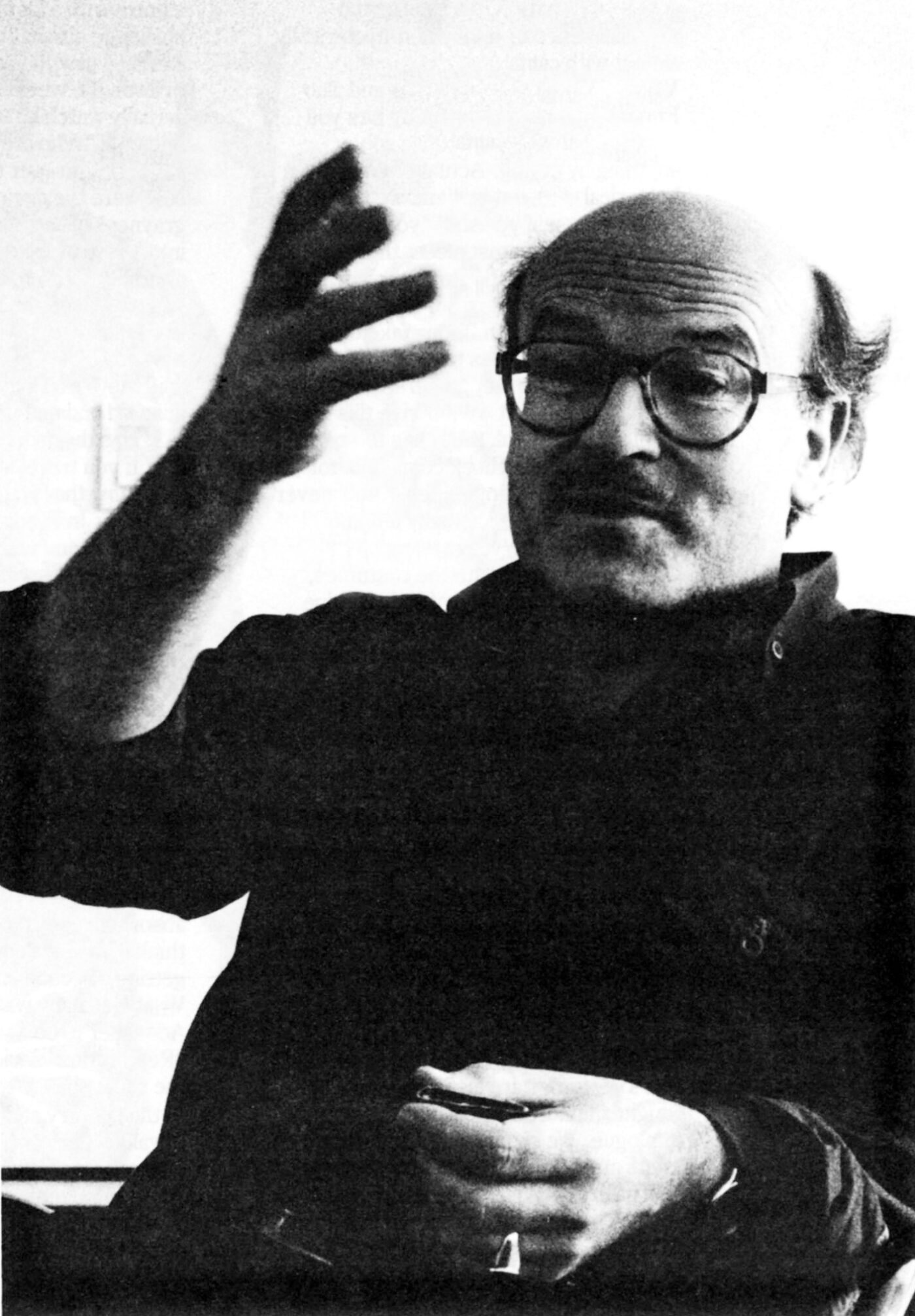
Von Trotta's personal life has been intertwined with her professional career. Her most significant and publicly documented relationship was with director Volker Schlöndorff, whom she met in the early 1960s. The two married and collaborated professionally, most notably co-directing "The Lost Honour of Katharina Blum" (1975). The marriage ended in divorce, after which von Trotta continued to build her solo career. The couple had one son together, Felix Schlöndorff. Von Trotta has kept much of her personal life private in subsequent years, and detailed information about later relationships is not widely documented in available sources.
Notable Connections
Margarethe von Trotta has collaborated with some of the most important figures in German cinema. Her former husband, Volker Schlöndorff, co-directed her debut feature. She worked with Rainer Werner Fassbinder early in her career, appearing in his films. Her most enduring professional relationship has been with actress Barbara Sukowa, who starred in several of her major works, including "Rosa Luxemburg" and "Hannah Arendt." She has also cited Ingmar Bergman as a major artistic influence.
Relationships & Dating History
Margarethe von Trotta's personal life has been intertwined with her professional career. Her most significant and publicly documented relationship was with director Volker Schlöndorff, whom she met in the early 1960s. The two married and collaborated professionally, most notably co-directing "The Lost Honour of Katharina Blum" (1975). The marriage ended in divorce, after which von Trotta continued to build her solo career. The couple had one son together, Felix Schlöndorff. Von Trotta has kept much of her personal life private in subsequent years, and detailed information about later relationships is not widely documented in available sources.
- MarriedVolker Schlöndorff1962 - 1975Married and collaborated on 'The Lost Honour of Katharina Blum'; had one son, Felix.
- MarriedAngelo R. Guglielmi1980 - 2022Second husband; Italian film critic and author; passed away in 2022.
Salary, Net Worth In 2026
$5 Million
iFANN Editorial Team estimate
Per iFANN's editorial analysis, Margarethe von Trotta's net worth is estimated at $5 Million as of 2026. As a European art-house filmmaker, her income derives primarily from film production budgets, festival awards, and academic engagements rather than blockbuster box office returns. Her films, while critically acclaimed, typically operate on modest budgets compared to Hollywood productions. She has directed over 15 feature films over a 40-year career, with earnings from distribution, television licensing, and retrospectives. Her wealth is modest compared to mainstream directors, reflecting the financial realities of art cinema. No celebrity-net-worth sites have published figures for her, and this estimate is based on typical earnings for a director of her stature in the European film industry.
Awards Won (25)
Margarethe von Trotta has received numerous prestigious awards throughout her career. Her most notable achievement is winning the Golden Lion at the Venice Film Festival for "Die bleierne Zeit" in 1981. She has also won multiple David di Donatello Awards, including for "Rosa Luxemburg" and "Hannah Arendt." In recognition of her body of work, she has received lifetime achievement honors from both the European Film Awards and the German Film Awards.
2004 · Best European Film
Rosenstrasse (2003)
1981 · Best Film
Die bleierne Zeit
Known For
Die bleierne Zeit
1981 · Director
Rosa Luxemburg
1986 · Director
Hannah Arendt
2012 · Director
The Lost Honour of Katharina Blum
1975 · Co-director
Keywords
Sources
Quick Facts
- Profession
- film director, screenwriter, film actor
- Born
- February 21, 1942
- Birthplace
- Berlin, Germany
- Gender
- Female
- Spouse
- Volker Schlöndorff (former), Angelo R. Guglielmi (deceased)
- Children
- Felix Schlöndorff
- Height
- 5 ft 5 in (165 cm)
- Net Worth
- $5 Million
Personal Details
- Full Name
- Margarethe von Trotta
- Height
- 5 ft 5 in (165 cm)
- Spouse
- Volker Schlöndorff (former), Angelo R. Guglielmi (deceased)
- Children
- Felix Schlöndorff
Filmography
30
Total
25
Film
5
TV
Frequently Asked Questions
Is Margarethe von Trotta married?
What is Margarethe von Trotta's most famous film?
How old is Margarethe von Trotta?
Does Margarethe von Trotta have children?
What is Margarethe von Trotta's net worth?
Join the community
fans discussing