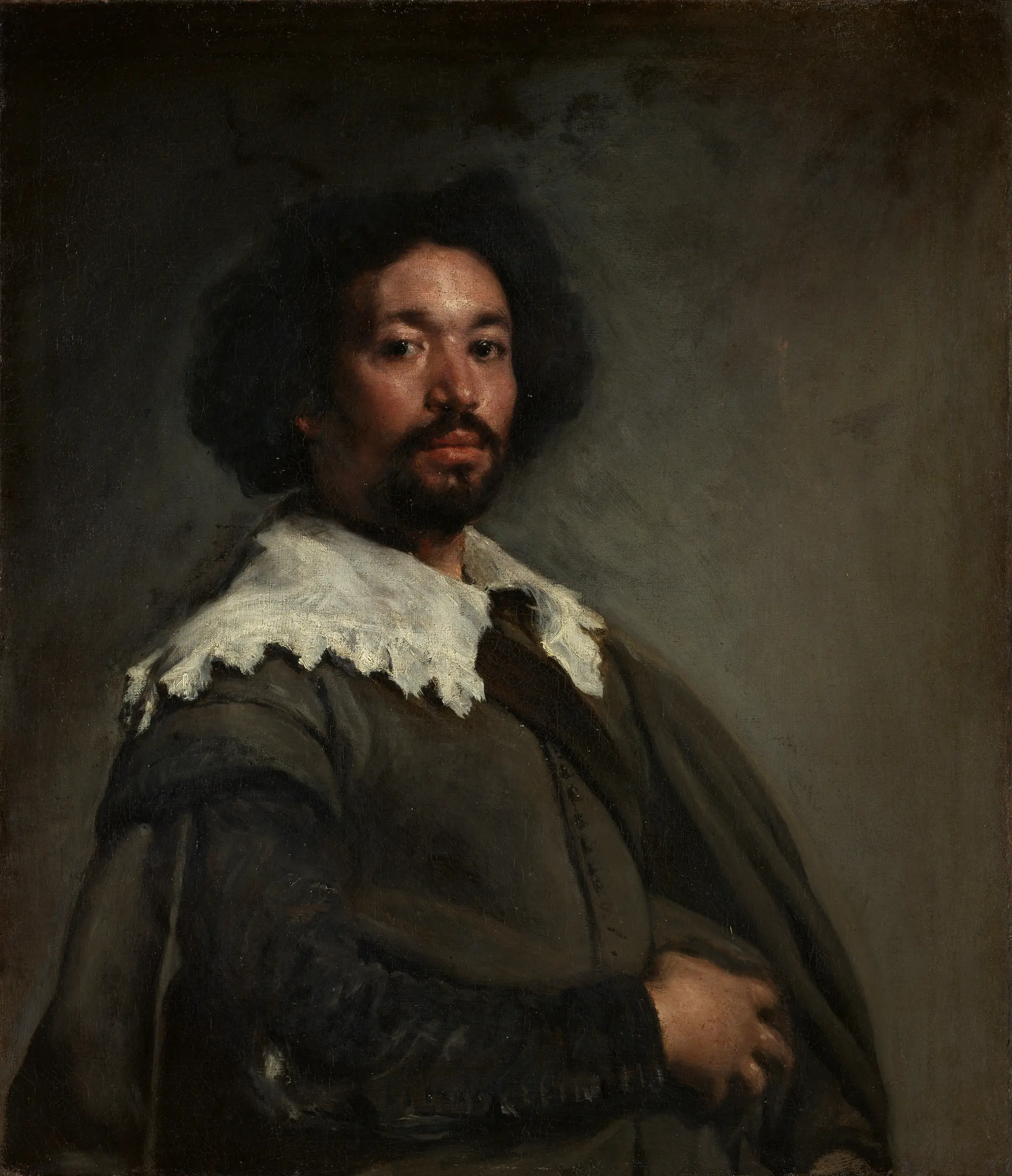
V. Y. Mudimbe
Awards & Honours
3
Awards Won
4
Honours
1
Rankings
2
Records
Mudimbe's intellectual achievements are staggering in their depth and reach. He was among the first African philosophers to systematically deconstruct the Western canon's portrayal of Africa, and his work opened doors for countless scholars. His election to the American Academy of Arts and Sciences placed him among the most distinguished thinkers of his generation.His books have been translated into over 20 languages, and The Invention of Africa is required reading in universities worldwide. He was a mentor to a generation of Africanist scholars, and his legacy continues through their work. His ability to move seamlessly between philosophy, literature, and cultural criticism made him a unique voice in the intellectual world.
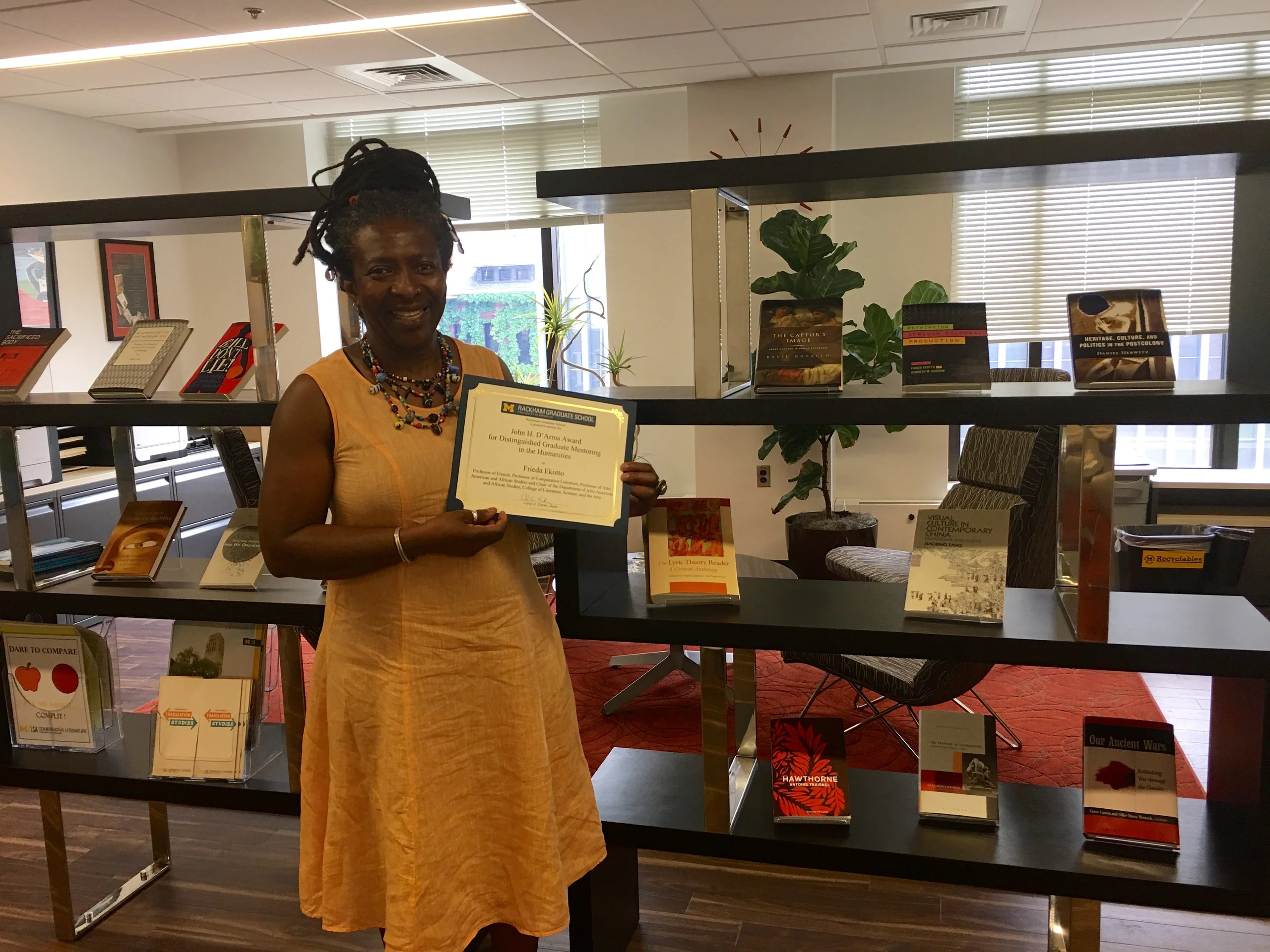
Awards
Honours & Distinctions
Newman Ivey White Distinguished Professor Emeritus
Endowed professorship in literature and romance studies
Honorary Doctorate
Recognized for contributions to philosophy and African studies
Honorary Doctorate
Honored for his impact on postcolonial thought
Member
Elected for excellence in scholarship
Rankings & Lists
6 African thinkers who help us understand the world
Records & Feats
First African philosopher to systematically deconstruct the concept of 'Africa' as a colonial invention
His 1988 book The Invention of Africa laid the groundwork for postcolonial epistemology, influencing a generation of scholars.
One of the most cited African philosophers in Western academia
His works are referenced in thousands of academic papers across disciplines, making him a foundational figure in postcolonial studies.