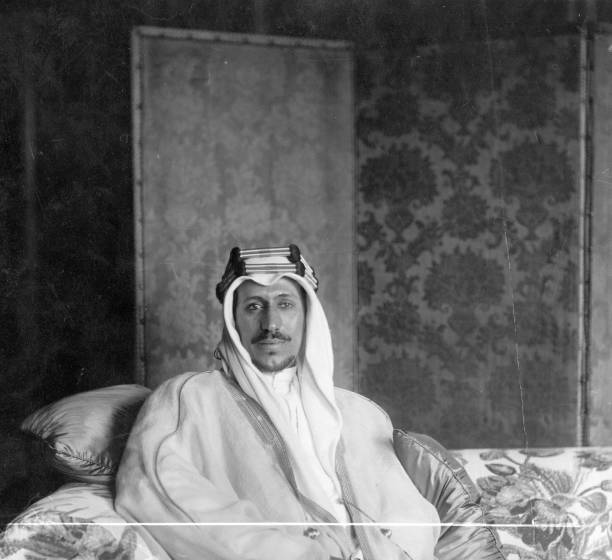
Uthman ibn Sa'id al-Asadi
 Iraq
IraqReligious leader•first deputy of the Hidden Imam
Also known as: Uthman ibn Sa'id al-Amri, Uthman al-Samman, Uthman al-Zayyat
Birthday
Birth Sign
Birthplace
Iraq
Age
Died at 0
About
Uthman ibn Sa'id al-Asadi was a foundational figure in early Twelver Shia Islam. He is recognized as the first of the Four Deputies, the successive representatives whom Twelver Shia Muslims believe served as the link to their twelfth Imam, Muhammad al-Mahdi, during the Minor Occultation that began in 874 CE. Before that, he had been a trusted envoy for the tenth and eleventh Imams, Ali al-Hadi and Hasan al-Askari, acting as their liaison with the community. His work as the Imam's first deputy set the pattern for the three men who followed him, maintaining a discreet channel of communication during a period when the Imam was hidden from public view. Most Shia scholars place his death between 880 and 881 CE, after which his son succeeded him in the role.
Early Life & Background
Uthman ibn Sa'id was born in Iraq and belonged to the Bani Asad clan, which earned him the nisba al-Asadi. Details of his early life are scarce, but he appears to have entered the service of the Imams at a young age. He served as a wakil, or representative, for the tenth Imam, Ali al-Hadi, handling the collection and distribution of religious dues and communicating the Imam's instructions to followers. When Hasan al-Askari became the eleventh Imam, Uthman continued in this trusted position. To avoid detection by Abbasid agents who monitored the Imams' associates, he reportedly disguised himself as a seller of cooking fat, or samn, giving rise to his nickname al-Samman. This covert activity allowed him to move between the Imam's circle and the broader Shia community without drawing suspicion, building the network and trust that would prove essential when the twelfth Imam went into hiding.
Career Growth
When Hasan al-Askari died in 874 CE, the question of succession split the Shia community. Twelver Shia tradition holds that al-Askari's young son, Muhammad, had gone into hiding, and that Uthman ibn Sa'id was the designated intermediary. He became the first of the Four Deputies, serving from 874 until his death around 880-881. In this role, he received the religious contributions of the faithful and passed on the Imam's guidance and rulings. His tenure was short but decisive, establishing the institution of the deputyship and proving that the hidden Imam could still be reached through a trusted agent. When he died, his son Abu Ja'far Muhammad ibn Uthman took over as the second deputy, ensuring continuity. Uthman ibn Sa'id's own experience as a wakil under two Imams gave him the credibility and administrative skill needed to keep the community unified during a fragile transition.
Career Timeline
Public Image & Style
In Twelver Shia tradition, Uthman ibn Sa'id is remembered as a paragon of trustworthiness and discretion. His willingness to adopt a humble disguise as a fat seller underscores the dangers he faced and his commitment to the Imams' cause. He is often depicted as the quiet linchpin of the early occultation, the man who kept the community connected to its hidden leader. His image is that of a behind-the-scenes operator, effective precisely because he avoided the spotlight. This contrasts with the more visible roles of the Imams themselves, and it is a measure of his success that so little is known about him, even as his contribution is universally acknowledged in Shia sources.
Fame & Fandom
The devotion surrounding Uthman ibn Sa'id al-Asadi differs fundamentally from modern celebrity fandoms, as his followers are not a scattered global audience driven by social media trends but the unified Twelver Shia community itself. This group reveres him not for pop culture stardom but as the First Special Deputy who maintained the critical theological link between the Hidden Imam and believers during the Minor Occultation. Unlike contemporary stars who cultivate specific fan clubs with unique names, his adherents are simply members of a faith tradition that views his life as a foundational pillar of their religious continuity. There is no formal nickname for his fanbase, nor are there organized campaigns or viral moments associated with his name; instead, his legacy is sustained through centuries of scholarly study, ritual commemorations, and the transmission of biographical literature. His influence remains institutionalized within Shia jurisprudence rather than expressed through chart positions or merchandise sales. Regarding his standing in the broader world of fame, the iFANN Global Fame Engine has evaluated this historical figure and determined that he does not currently hold a placement in the published rankings (Global Top 1,000 or a Top-100 scope list). The evaluation confirms that while his spiritual impact is immense within his specific tradition, he lacks the widespread secular recognition required to secure a numerical rank in the current global metrics.
Interesting Facts and Legends
Uthman ibn Sa'id al-Asadi was known by two distinct nicknames reflecting his necessary cover: al-Samman, derived from his work as a cooking-fat seller, and al-Zayyat, meaning oil seller, which may indicate a second trade or a variation of the same disguise. Historical accounts suggest his son Muhammad also served as a wakil before succeeding him, indicating the deputyship ran within the family line. While some sources place his death in 880 CE and others in 881 CE, his grave remains a site of reverence rather than a major pilgrimage destination compared to the Imams. A widely retold story in Shia lore describes how he adopted the humble guise of a fat vendor to evade Abbasid agents hunting the Imam's representatives, allowing him to move freely while preserving the secret of the occultation. Tradition further holds that his death was sudden and mysterious, with some narratives suggesting poisoning by enemies while others describe a natural passing preceded by divine signs. These accounts emphasize his role as the sole conduit for thousands of religious questions collected from across the Islamic world, ensuring the survival of the faith during a period of intense persecution.
Family & Personal Life
His son, Abu Ja'far Muhammad ibn Uthman, followed him as the second deputy of the Hidden Imam. Muhammad's succession was not automatic; he had to establish his credentials, but his father's reputation smoothed the way. Uthman ibn Sa'id's own father, Sa'id, is mentioned in some sources as a figure of some standing, but little else is known about his family. The family's role in the deputyship suggests a household deeply embedded in the Shia religious establishment, with loyalty to the Imams passed down through generations.
Notable Connections
Uthman ibn Sa'id is closely associated with the eleventh Imam, Hasan al-Askari, under whom he served as a trusted wakil. He is also linked to his son, Abu Ja'far Muhammad ibn Uthman, who succeeded him as the second deputy. The other two deputies of the Minor Occultation, Abu al-Qasim al-Husayn ibn Ruh al-Nawbakhti and Ali ibn Muhammad al-Samarri, followed in his footsteps, extending the line of communication he established.
Relationships & Dating History
There is no recorded information about Uthman ibn Sa'id's marital status or romantic relationships. His life is documented solely in terms of his religious duties and family succession. He was survived by his son, Abu Ja'far Muhammad ibn Uthman, who became the second deputy, but nothing is known about his wife or other family members.
Death & Aftermath
Died
880
Death Place
Baghdad, Abbasid Caliphate
Cause of Death
Reported natural causes; potential foul play unconfirmed
The death of Uthman ibn Sa'id al-Asadi was marked by the quiet reverence of a community operating under strict secrecy rather than public mourning or modern tributes. As a foundational figure in early Twelver Shia Islam, his passing was recorded in religious texts as a significant moment in the continuity of the Imamate, yet it occurred. The historical narrative places his final days within the capital of the Abbasid Caliphate, where he lived and died in Baghdad during the year 260 AH, a date that aligns with the approximate timeframe of 880 CE cited in authoritative records. His tenure as the first deputy to the Hidden Imam had been defined by discretion, often requiring him to disguise his identity as a seller of cooking fat to avoid detection by state agents, a practice that likely extended into his final hours spent in obscurity.
Historical accounts do not provide a medical cause of death, autopsy, or official ruling, as such forensic documentation did not exist in the ninth century. While some traditions suggest he may have been targeted by Abbasid forces due to his sensitive role as a representative of the Hidden Imam, these claims remain unverified narratives rather than documented facts. The circumstances of his end are understood through theological biographies that emphasize his natural passing after years of service, though the exact mechanism remains a matter of historical tradition rather than judicial finding. Following his death, Uthman ibn Sa'id was buried in Baghdad, with the specific location of his grave kept private or subject to scholarly dispute to prevent political exploitation or desecration.
Funeral rites were conducted discreetly by family and close associates in accordance with Islamic customs of the time, avoiding the attention of government authorities. His legacy was immediately assumed by his son, Abu Ja'far Muhammad ibn Uthman, who succeeded him as the second deputy, ensuring the institutional continuity of the Four Deputies. This succession was not merely automatic but established through the father's reputation, solidifying the household's deep embedding within the Shia religious establishment.
Net Worth (Estate Value)
As a religious figure of the ninth century, Uthman ibn Sa'id did not amass personal wealth in the modern sense. His role involved managing the religious dues, including khums, paid by the Shia community, which he would have used to support the Imam's cause and the needy. Any funds he controlled were likely modest and channeled into the community's activities. His legacy is spiritual and institutional rather than financial, and no records of his personal estate exist.
Awards & Accolades
View 1 records, honours and achievementsKnown For
First Deputy of the Hidden Imam
874-880 · Deputy
Wakil to Imams Ali al-Hadi and Hasan al-Askari
Before 874 · Representative
Keywords
Sources
Quick Facts
- Birthplace
- Iraq
- Clan
- Bani Asad
- Nicknames
- al-Samman, al-Zayyat
- Role
- First Deputy of the Hidden Imam
- Death Year
- 880-881
Personal Details
- Children
- Abu Ja'far Muhammad ibn Uthman
Frequently Asked Questions
Who was Uthman ibn Sa'id al-Asadi?
What is Uthman ibn Sa'id known for?
When did Uthman ibn Sa'id die?
Why was Uthman ibn Sa'id called al-Samman?
What was the Minor Occultation?
Similar People
Join the community
fans discussing