
Umar Wirahadikusumah
 Indonesia
Also known as: Jenderal Sederhana, Wakil Presiden ke-4 RI
Birthday
October 10, 1924
Birth Sign
Libra
Birthplace
Situraja, Sumedang, West Java, Indonesia
Age
Died at 78
About
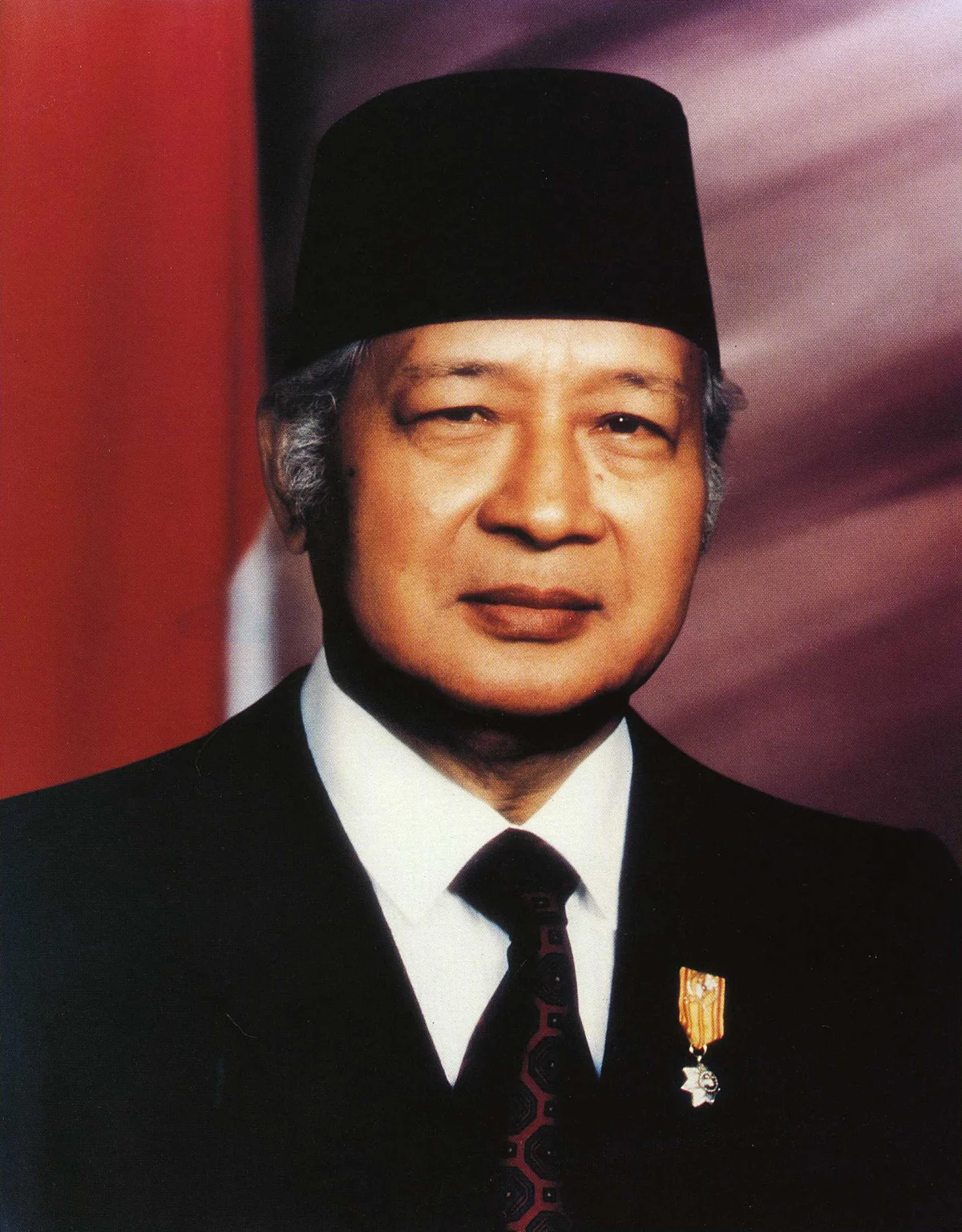
Umar Wirahadikusumah was an Indonesian politician and army general who served as the fourth Vice President of Indonesia from 1983 to 1988 under President Suharto. Born into a noble Sundanese family in Situraja, West Java, he rose from local schooling to become one of the most powerful men in the nation. His career spanned the Japanese occupation, the National Revolution, and decades of authoritarian governance. Unlike modern celebrities, his fame was rooted in state authority and military discipline rather than pop culture adoration.
A former army general and a key architect of the New Order regime's military-political structure, he played a pivotal role in the transition of power in 1965. He is remembered for his loyalty to the central government and his efforts to combat corruption within the bureaucracy. Umar passed away in 2003, leaving behind a complex political legacy preserved through national memorials and institutional honors.
Early Life & Background
Umar Wirahadikusumah was born on October 10, 1924, in Situraja, Sumedang, West Java. He was the fifth child in a prominent family of the Sundanese nobility known as priyayi. His early education took place within the Dutch colonial system, attending the Europeesche Lagere School in Tasikmalaya followed by the Meer Uitgebreid Lager Onderwijs Pasundan. These institutions provided him with a Western-style education that was rare for locals at the time, laying the groundwork for his future administrative and military career.
Before entering the spotlight of national politics, Umar's formative years were defined by the upheaval of World War II. In 1943, during the Japanese occupation of the Dutch East Indies, he joined the Indonesian military forces known as PETA or Pembela Tanah Air. This marked his first step toward a lifelong career in defense. He served throughout the Indonesian National Revolution from 1945 to 1949, fighting for independence against Dutch attempts to re-establish colonial rule. His early military service included combat in the Madiun Affair of 1948, where he fought against communist insurgents, and the PRRI rebellion in the late 1950s, solidifying his reputation as a loyalist to the central government.
Career Growth
Umar's career trajectory shifted decisively in 1965 during the chaotic events of the 30 September Movement. While witnessing the kidnapping of six generals, he observed unidentified troops surrounding Merdeka Square in Jakarta. Recognizing the gravity of the situation, he immediately alerted Major General Suharto, the commander of the Strategic Reserve Command. This pivotal moment earned him Suharto's unwavering trust and positioned him as a key ally in the subsequent transition of power.
Following the fall of Sukarno, Umar's ascent accelerated rapidly. He was appointed Deputy Army Chief of Staff in 1967 and promoted to Chief of Staff of the Indonesian Army in 1969, a position he held until 1973. During this tenure, he oversaw the professionalization of the military and its integration into civil administration. In 1973, he transitioned to civilian service as Chairman of the Audit Board of Indonesia, a role he maintained for a decade. In 1983, President Suharto selected him to serve as the Fourth Vice President of Indonesia. His term was characterized by efforts to combat corruption and a personal commitment to religious observance; he famously hosted prayer services at the Vice Presidential Palace. He completed his vice presidential term in 1988 and retired from public office shortly thereafter.
Career Timeline
Public Image & Style
Umar Wirahadikusumah was known for his imposing military bearing and dignified demeanor. Contemporary descriptions portray him as a man of stern discipline and traditional authority. His public image was that of a "simple general" who remained grounded despite his high office. He was often photographed in military uniform, projecting an aura of loyalty and stability. Unlike modern influencers, he did not cultivate a social media presence; his communication was limited to formal speeches and state protocols. His piety was also a defining characteristic, reflected in his emphasis on religious gatherings within the state apparatus.
Fame & Fandom (iFAMOUS Rankings)
Umar Wirahadikusumah navigated the public sphere not as a celebrity courted by adoring crowds, but as a pillar of the Indonesian state whose legacy rests on military discipline and presidential service. Unlike modern entertainers who cultivate dedicated fanbases with specific names and rituals, his relationship with the public was defined by formal protocol and institutional respect rather than celebrity worship. There is no documented collective title for any following, nor are there records of fan campaigns, birthday billboards, or viral social media movements dedicated to him. His interactions remained strictly within the bounds of diplomatic engagements and governmental duties, leaving no space for the kind of fandom mythology that surrounds pop culture icons.
The iFANN Global Fame Engine evaluated his standing in August 2026 and determined that he does not currently hold a placement in the published rankings. Umar Wirahadikusumah is currently an unranked figure in the global scope, meaning he falls outside the Top 1,000 list and has no recorded numeric score or position. This absence of a ranking reflects the reality that his fame is historical and national rather than measured by contemporary consumption signals or search volume. His presence in the cultural consciousness is preserved through state memorials and the continued operation of facilities named in his honor, such as the RSUD Umar Wirahadikusumah Sumedang, rather than through the fluctuating metrics of a popularity engine. He is not featured in the September 2026 iFAMOUS Rankings flagship list.
Interesting Facts and Legends
Despite his military hardline image, Umar was born into the Sundanese priyayi class, a traditional aristocracy. He was known for hosting regular prayer services at the Vice Presidential Palace, a practice that set a tone for his administration. A defining moment in his legend occurred in 1965 when he reportedly said "We must act now" upon seeing the chaos at Merdeka Square, prompting his alert to Suharto. His widow, Karlinah, was affectionately known as the "Mother of Cadets" for her support of military training institutions. The RSUD Umar Wirahadikusumah in Sumedang continues to operate as a major healthcare facility, linking his name to modern medical advancements in his hometown. While some alternative history fiction posits him as the fifth Vice President, he was strictly the fourth.
Notable Quotes
“We must act now.”
“The state must be built on faith and integrity.”
Family & Personal Life
Umar Wirahadikusumah married Karlinah Wirahadikusumah before his rise to national prominence. She became known as the "Mother of Cadets" for her dignified presence alongside her husband and her support of military training institutions. They managed the domestic sphere while he navigated the complexities of statecraft. Umar had children, though specific details about their names and numbers are not widely documented in English-language biographies. His offspring did not enter the public eye as a distinct entity of interest. Karlinah passed away in March 2025 at an advanced age, remembered for her serenity and modesty.
Notable Connections
Relationships & Dating History
Umar Wirahadikusumah led a private life shielded from the tabloid scrutiny common among entertainers. There is no public record of multiple romantic partners, engagements, or flings. Historical sources consistently identify only one spouse: Karlinah Wirahadikusumah. They were married before his rise to national prominence. Karlinah became known as the "Mother of Cadets" for her support of military training institutions and her dignified presence alongside her husband. She managed the domestic sphere while he navigated the complexities of statecraft. Umar died on March 21, 2003. As of 2026, he is deceased. His widow, Karlinah, passed away in March 2025 at an advanced age, remembered for her serenity and modesty. There are no current dating or relationship statuses to report as the subject is deceased.
- MarriedKarlinah WirahadikusumahUnknown - 2003She was known as the Mother of Cadets for her support of military institutions.
Death & Aftermath
Died
March 21, 2003 (aged 78)
Death Place
Jakarta, Indonesia
Cause of Death
Cardiac event
Umar Wirahadikusumah died on March 21, 2003, in Jakarta at the age of 78. The cause of death was reported as a cardiac event resulting from long-standing heart and lung issues. Family members and medical officials confirmed that he suffered a heart attack which led to his passing without further public autopsy details. His funeral was conducted with full state honors befitting a national hero, reflecting his status as a key figure in the nation's history.
He was laid to rest at the Kalibata Heroes' Cemetery in Jakarta, sharing the final resting place with other prominent Indonesian leaders like Sukarno. Tributes poured in from government officials and military peers who honored his contributions to the military and the state during the New Order era. In the years following his death, his legacy has been actively preserved through institutional memorials. President Prabowo Subianto inaugurated the Seskoad Museum and Library in Bandung in May 2026, explicitly highlighting Umar's historical significance to the Indonesian military. Additionally, his name remains honored in public infrastructure, most notably the RSUD Umar Wirahadikusumah in Sumedang, which continued operations and partnered with healthtech firms as recently as 2025.
Net Worth (Estate Value)
$0
iFANN Editorial Team estimate
As a state official and military general in mid-20th century Indonesia, Umar Wirahadikusumah did not accumulate wealth through commercial ventures, endorsements, or real estate speculation in the manner of modern celebrities. His income consisted of a government salary and military pension. Any wealth he possessed was likely modest compared to the oligarchs of the New Order era. Consequently, there is no 2026 net worth figure to report, and no estate value breakdown exists in public records. His legacy is measured in influence, not assets.
Awards & Accolades
View 2 records, honours and achievementsKnown For
Vice President of Indonesia
1983-1988 · 4th Vice President
Chief of Staff of the Indonesian Army
1969-1973 · Military Leader
Chairman of the Audit Board of Indonesia
1973-1983 · Civilian Official
Keywords
Sources
Quick Facts
- Profession
- politician, military personnel
- Born
- October 10, 1924
- Birthplace
- Situraja, Sumedang, West Java
- Died
- March 21, 2003
- Death Place
- Jakarta
- Gender
- Male
- Birth Sign
- Libra
Personal Details
- Full Name
- Umar Wirahadikusumah
- Spouse
- Karlinah Wirahadikusumah
- Children
- Unknown
- Education
- Europeesche Lagere School (ELS) Tasikmalaya; Meer Uitgebreid Lager Onderwijs (MULO) Pasundan
Frequently Asked Questions
Who was Umar Wirahadikusumah?
When did Umar Wirahadikusumah die?
What was Umar Wirahadikusumah's role in 1965?
Is Umar Wirahadikusumah still alive?
Where is Umar Wirahadikusumah buried?
Similar People
Join the community
fans discussing