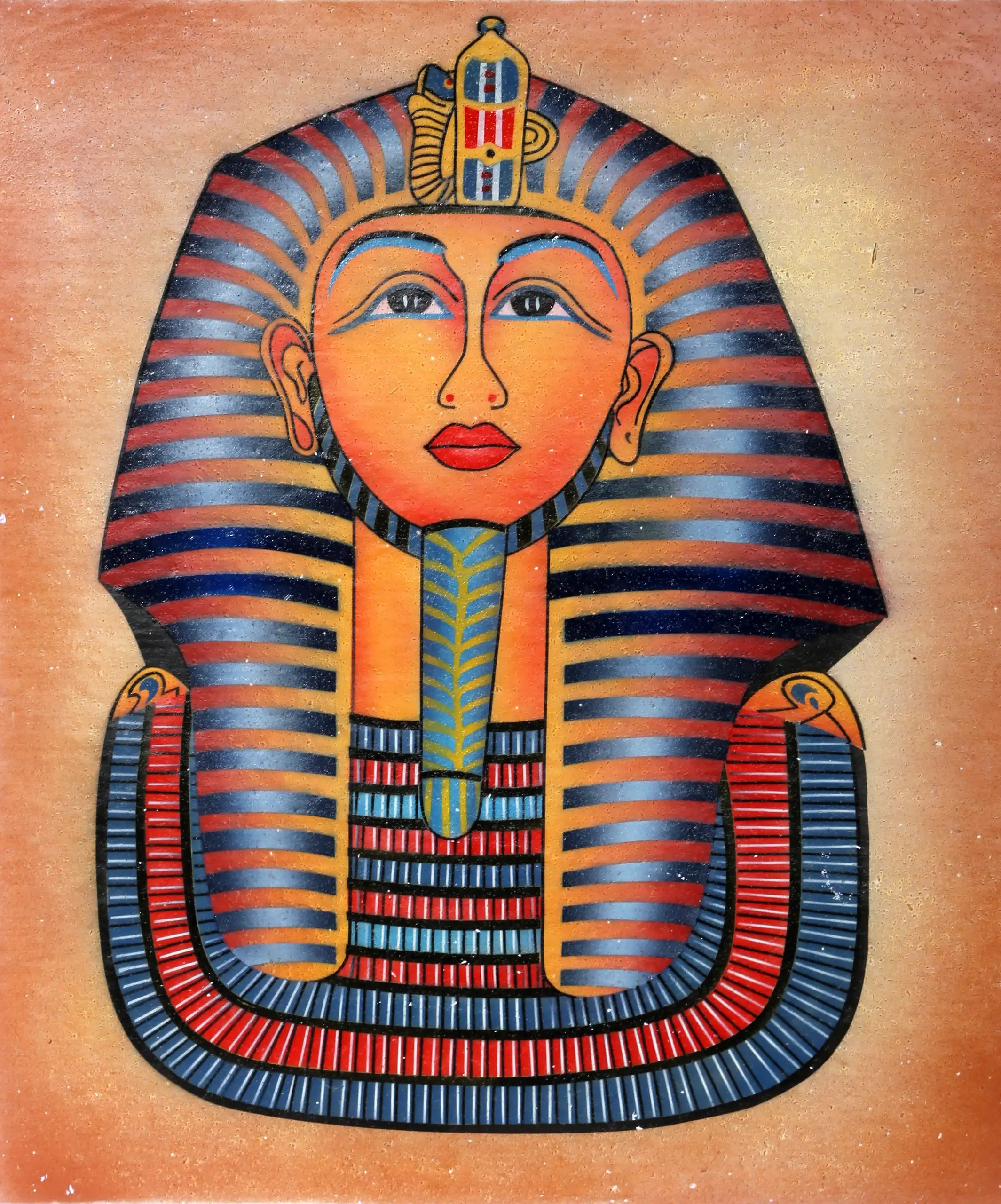
Tutankhamun
Also known as: King Tut, The Boy King, Tutankhamen
Birthday
-1343
Birth Sign
Capricorn
Birthplace
Amarna
Age
Died at 20
Height
5 ft 6 in (1.67 m)
About
Tutankhamun was an Egyptian pharaoh of the Eighteenth Dynasty who ruled during the New Kingdom period. Born Tutankhaten around 1343 BCE in Amarna, he ascended to the throne at approximately nine years of age following the death of his father, Akhenaten. His reign, spanning roughly from 1332 BCE to 1323 BCE, is historically significant not for military conquests but for his decisive religious reforms and the unprecedented preservation of his tomb.
He orchestrated a pivotal return to the traditional polytheistic religion that had been marginalized by his father's monotheistic Atenism. To signify this restoration, he moved the royal court back to Memphis and Thebes and changed his name to Tutankhamun, honoring the chief god Amun. Though he died young, likely in his late teens, his legacy endures through the discovery of his nearly intact tomb, which revealed an unparalleled collection of treasures and provided unique insights into ancient Egyptian burial practices.
Early Life & Background
Born Tutankhaten, meaning "Living Image of the Aten," the prince grew up in the city of Amarna, the capital founded by his father Akhenaten. This city was dedicated to the sun disk deity Aten, creating a radical monotheistic environment where worship of the traditional pantheon was suppressed. Genetic analysis later confirmed he was the son of Akhenaten and an unknown woman, often referred to as "The Younger Lady," rather than Nefertiti. As a child, he received education typical of royal Egyptian princes, focusing on administration, military strategy, and religious rites, though his youth meant he relied heavily on advisors.
The political landscape shifted dramatically upon Akhenaten's death. Tutankhaten ascended the throne around 1332 BCE, initially ruling under his original name. However, the kingdom faced instability due to the religious upheaval and economic strain of the Amarna period. Within the first few years of his rule, he began orchestrating a return to the traditional gods. He moved the royal court from the temporary capital of Amarna back to the historic cities of Memphis and Thebes. This move was accompanied by a name change to Tutankhamun, explicitly honoring the chief god of the old order and signaling the restoration of the priesthood of Amun.
Career Growth
Upon ascending the throne, Tutankhamun faced the immense task of stabilizing Egypt after the Amarna heresy. His reign, lasting about nine years, is defined by a pivotal political and religious pivot. He successfully restored the traditional polytheistic religion, moving the court back to Memphis and Thebes. Inscriptions suggest he may have led troops in minor skirmishes, and his tomb contained numerous weapons, indicating his role as a warrior-king in the traditional sense. His most enduring legacy was the stabilization of Egypt and the re-establishment of the traditional social order.
He died young, likely in his late teens, and was succeeded by Ay, who appears to have been his vizier or grandfather. While his reign was short, the preservation of his tomb in the Valley of the Kings ensured his fame would outlast any other pharaoh. The discovery of his burial site in 1922 by Howard Carter revealed a treasure trove of artifacts, including the famous gold mask, which brought him international recognition. Today, his name is synonymous with ancient Egypt, and his tomb remains the only nearly intact royal tomb discovered in the valley.
Career Timeline
Public Image & Style
Tutankhamun is universally recognized as the Boy King, a title that reflects both his youth when he ascended the throne and the iconic image of his golden death mask. His public persona is defined by the contrast between his short, uneventful life and the massive cultural impact of his posthumous discovery. Media portrayals often emphasize the mystery surrounding his death and the "curse" associated with his tomb, despite historical evidence pointing to natural causes. The golden mask itself has become a global symbol of ancient Egypt, representing wealth, power, and the mystique of the pharaonic era.
Fame & Fandom
iFANN has not yet collected fame data for this person. The fanbase surrounding Tutankhamun is global and spans over a century, often referred to simply as "King Tut fans." These enthusiasts are organized through museums, academic societies, and fan clubs worldwide. The fandom is characterized by a deep fascination with the "curse" myth, despite scholars debunking it. Fans often visit his tomb replicas or attend traveling exhibitions. Annual commemorations of the discovery of his tomb on November 4th see gatherings of enthusiasts and scholars. Common tropes include the "curse" jokes and the misconception that he was a great warrior, which historians correct in educational settings. Fan-driven initiatives have supported the preservation of his mummy and the repatriation of artifacts.
Interesting Facts and Legends
Tutankhamun was originally named Tutankhaten but changed it to Tutankhamun to honor the god Amun. The "Curse of the Pharaohs" was largely a media invention by newspapers in the 1920s to boost circulation, though some members of the excavation team did die shortly after the tomb's opening. His skeleton shows a broken leg that never healed properly, which likely contributed to his death. His tomb was unusually small for a pharaoh, suggesting his death was unexpected and the burial rushed. The gold mask is made of solid gold and weighs over 10 kg (22 lbs), featuring lapis lazuli and quartz.
A widely retold legend involves the "Curse of the Pharaohs," which claimed anyone who disturbed his tomb would suffer a tragic fate. While no scientific evidence supports this, the deaths of several key figures in the excavation team fueled the myth. Another popular story is that he was a great warrior king; while he owned weapons, historical records show he was more of a figurehead who relied on advisors like Ay and Horemheb. The golden mask he wears in his tomb depicts him with a youthful, idealized appearance, distinct from the realistic portraiture of his father Akhenaten.
Notable Quotes
“I have done what was pleasing to the gods.”
Family & Personal Life
Tutankhamun was the son of Akhenaten and an unknown woman known as "The Younger Lady." He married Ankhesenamun, his half-sister, daughter of Akhenaten and Nefertiti. The marriage was arranged to secure the royal lineage and legitimize his rule. They had two daughters who were stillborn or died shortly after birth; their mummified remains were found in his tomb. There is no evidence of other romantic relationships or extramarital affairs, as his youth and the strict protocols of the Egyptian court left little room for such activities. He died without a surviving heir, which contributed to the succession crisis that allowed Ay to take the throne.
Notable Connections
Relationships & Dating History
Tutankhamun married Ankhesenamun, his half-sister, daughter of Akhenaten and Nefertiti. The marriage was arranged to secure the royal lineage and legitimize his rule. They had two daughters who were stillborn or died shortly after birth; their mummified remains were found in his tomb. There is no evidence of other romantic relationships or extramarital affairs, as his youth and the strict protocols of the Egyptian court left little room for such activities. He died without a surviving heir, which contributed to the succession crisis that allowed Ay to take the throne.
- MarriedAnkhesenamun-1332 - -1323Half-sister; had two daughters who died shortly after birth
Death & Aftermath
Died
-1323 (aged 20)
Death Place
Thebes
Cause of Death
Complications from a broken leg and malaria
Tutankhamun died in Thebes around 1323 BCE at the age of approximately 18 or 19. For decades, historians debated whether his early death resulted from murder, a chariot accident, or natural causes. Modern forensic science has clarified the picture: a CT scan in 2005 revealed a severe fracture in his left leg that likely became infected, leading to sepsis. A subsequent DNA study in 2010 suggested he also suffered from malaria and Köhler disease II, a bone disorder that weakened his legs further. Recent developments in August 2026 added a new chapter to his physical story when researchers controversially decapitated his mummy to reassemble and stabilize the remains for future display.
His funeral was modest compared to previous pharaohs, reflecting the economic strain of the era, yet his tomb was filled with an extraordinary array of goods. The burial site remained sealed and undisturbed for over three millennia until Howard Carter uncovered it in November 1922. The discovery triggered a global media frenzy and birthed the myth of the "Curse of the Pharaohs," though scholars have long debunked supernatural claims. Posthumously, Tutankhamun became one of the most recognizable figures in human history. His artifacts, including the iconic gold mask, toured the world, sparking "King Tut mania" that persists today. In 2026, his legacy continues to evolve with immersive digital experiences in Paris, exhibitions in Jalisco, Mexico, and ongoing restoration projects in Luxor that highlight his enduring cultural significance.
Net Worth (Estate Value)
$0
iFANN Editorial Team estimate
Tutankhamun lived over three thousand years ago, so concepts of personal net worth do not apply to him in the modern sense. His estate consisted of vast amounts of land, gold, and precious objects buried with him. The value of his tomb's contents, discovered in 1922, is incalculable in monetary terms but holds immense historical and cultural value. The artifacts, including the gold mask, are considered priceless treasures of humanity. In 2026, the value of his legacy continues to generate revenue through tourism, exhibitions, and merchandise, though these funds go to the Egyptian government and cultural institutions rather than an estate managed by heirs.
Awards & Accolades
View 7 records, honours and achievementsKnown For
Tutankhamun's Tomb
-1323 · Pharaoh
Keywords
Sources
Quick Facts
- Profession
- ruler
- Born
- -1343
- Birthplace
- Amarna
- Died
- -1323
- Death Place
- Thebes
- Gender
- Male
- Spouse
- Ankhesenamun
Personal Details
- Full Name
- Tutankhaten
- Height
- 5 ft 6 in (1.67 m)
- Spouse
- Ankhesenamun
- Children
- Two daughters who were stillborn or died shortly after birth
- Education
- Royal training in administration, military strategy, and religious rites
Frequently Asked Questions
How old was Tutankhamun when he died?
What was Tutankhamun's full birth name?
Who was Tutankhamun's wife?
Did Tutankhamun really have a curse?
Why is Tutankhamun so famous?
Similar People
Join the community
fans discussing