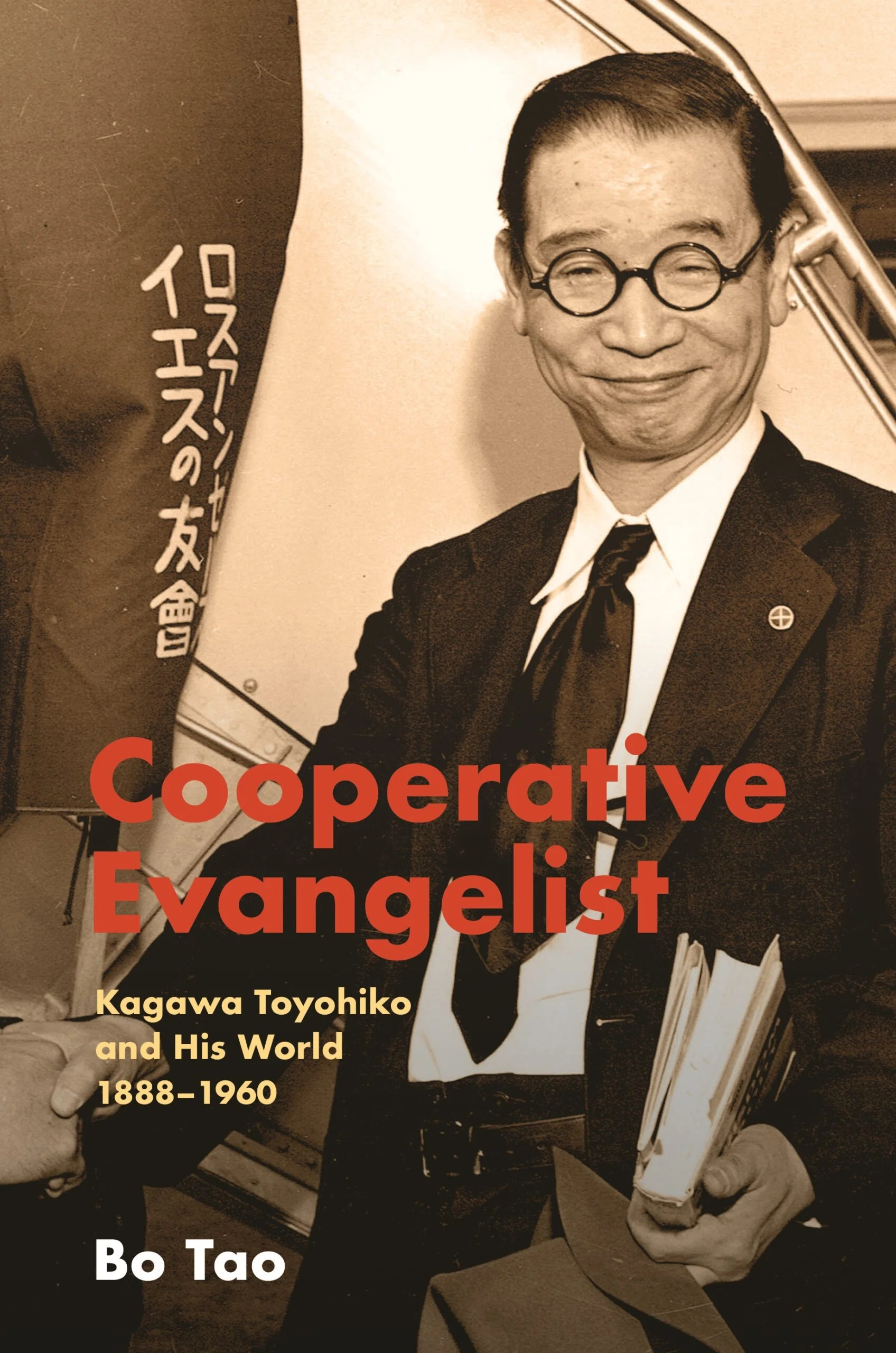
Toyohiko Kagawa
 Japan
JapanChristian pacifist•social reformer•labor activist•author
Also known as: Japan's Gandhi, Japan's Apostle of Love
Birthday
July 10, 1888
Birth Sign
Cancer
Birthplace
Kobe, Japan
Age
Died at 71
About
Toyohiko Kagawa was a Japanese Christian pacifist, social reformer, labor activist, and author whose life's work centered on applying faith to social problems. Born in Kobe in 1888, he is remembered as the father of Japan's cooperative movement and a tireless advocate for the poor, women's suffrage, and peace. His radical decision to move into the Shinkawa slums on Christmas Eve 1909 defined his legacy, and his writings, including the novel Before the Dawn, carried his message far beyond Japan. Called "Japan's Gandhi" for his commitment to nonviolence, Kagawa spent his life bridging the gap between Christian ethics and practical social change. He died in 1960, but his influence persists in cooperative institutions and social justice movements worldwide.
Early Life & Background
Kagawa was born into a samurai family in Kobe, but his illegitimacy cast a long shadow over his early years. Orphaned at a young age, he was sent to live with relatives who treated him poorly, giving him a firsthand understanding of social stigma and marginalization. This difficult childhood planted the seeds of empathy that would define his life's work.
As a teenager, he converted to Evangelical Christianity under the influence of Western missionaries, a decision that redirected his path from privilege to service. He went on to study theology at Kobe Theological Seminary, where he encountered the social gospel, a movement that stressed applying Christian principles to address societal ills. His education, combined with his personal experiences of hardship, forged a conviction that faith must be expressed through direct action.
The pivotal moment came on Christmas Eve 1909, when the twenty-one-year-old seminarian moved into the Shinkawa slum district of Kobe, one of the poorest neighborhoods in the city. He chose to live among the destitute, sharing their conditions, in an act of radical solidarity that became the crucible of his social philosophy. He contracted tuberculosis during this period but survived, an experience that deepened his identification with suffering communities.
Career Growth
Kagawa's move to the Shinkawa slums in 1909 marked the beginning of a lifelong mission. He became a leading figure in Japan's labor movement during the 1910s and 1920s, organizing workers and advocating for their rights. His work on the ground established him as a prominent Christian social reformer, and his influence soon extended beyond Japan's borders.
In the 1920s, he gained international recognition as an author. His novel Before the Dawn, drawn from his experiences in the slums, became his most famous literary work and reached a wide audience. The book was later adapted into a 1988 biographical film, bringing his story to new generations.
Throughout the 1920s and 1930s, Kagawa emerged as the leading advocate for Japan's cooperative movement, believing that economic self-help through cooperatives was key to social change. His efforts earned him the title "Father of the Japanese Co-operative Movement." He also championed women's suffrage and peaceful foreign policy, positions that grew increasingly significant as Japan militarized in the lead-up to World War II.
In 1936, he lectured in North America, including at the University of Toronto, where he spoke on cooperative housing and social reform. His talk remained influential for decades, cited as an inspiration for cooperative housing movements even in the 2020s. Through the war years and post-war reconstruction, he continued his pacifist advocacy, remaining a prominent voice for Christian nonviolence until his death in 1960.
Career Timeline
Public Image & Style
Kagawa's public image is defined by radical solidarity. A well-educated man of samurai lineage who chose to live among the poorest of the poor, he embodied simplicity and sacrifice. Media portrayals consistently emphasize his role as a bridge between Christian faith and social justice, depicting him as a pacifist, reformer, and organizer.
His writings combined theological reflection with social analysis, using fiction like Before the Dawn to convey real social realities. His lectures and sermons emphasized practical action over abstract doctrine, a message that resonated across religious and secular audiences alike.
While he has no official fandom, admirers within Christian, cooperative, and social justice communities continue to study and celebrate his example. His legacy is maintained through institutional accounts and commemorations, such as the 2018 celebration of the 130th anniversary of his birth.
Fame & Fandom (iFAMOUS Rankings)
Toyohiko Kagawa does not possess a formalized fandom with a specific collective name, nor are there organized fan campaigns or recreational rituals dedicated to his memory. His audience consists primarily of historians, theologians, and students of social justice who engage with his legacy through academic study and religious reflection rather than idolatrous devotion. The stories that define his reputation function as cultural mythology, blending verified biography with hagiographic elements such as the widely retold account of his conversion and subsequent move into the Kobe slums to live in voluntary poverty. While no modern crowd phenomena or viral incidents characterize his reception, his influence remains profound within Christian and cooperative communities globally. In the realm of documented fame metrics, Kagawa holds established positions within the iFANN Global Fame Rankings, reflecting his enduring status across historical and professional categories. He is currently ranked as the 51st most famous person in Pastors, a placement noted as holding steady from the previous cycle. This standing places him among a select group of religious figures recognized for their global impact on spiritual leadership and social ethics. The rankings reflect a broad scope of attention spanning media coverage, search activity, and consumption signals worldwide, underscoring the persistent relevance of his work in the 21st century. Despite the absence of a pop-culture fanbase, his life story continues to resonate as a model of moral conviction and practical charity.
Interesting Facts and Legends
Born illegitimate to a samurai family, Kagawa faced early social stigma that cultivated a lifelong empathy for the marginalized. He deliberately chose Christmas Eve 1909 to move into the Kobe slums, using this symbolic date to mark the beginning of his service. A bout of tuberculosis contracted during his time in the slums deepened his identification with the poor. The moniker 'Japan's Gandhi' highlights his commitment to nonviolence over political power. His ideas on cooperative housing influenced international movements, including a notable 1936 lecture at the University of Toronto. Modern Japanese Christian media have utilized anime-style manga and smartphone games to introduce his life to younger generations. Widely circulated legends describe his immersion into the Kogane-cho district where he lived in a makeshift hut of scrap wood and tin while preaching on street corners. Another significant narrative involves his 1942 arrest by military police for anti-war stances, during which he was imprisoned without trial for over two years yet continued to preach from his cell. In 1957, he received the Lenin Peace Prize, placing him alongside global figures like Albert Schweitzer. A statue commemorating his legacy stands in the Washington National Cathedral.
Notable Quotes
“I am a Christian, and I believe that the teachings of Jesus Christ are the only way to solve the problems of the world.”
“The love of God is not a theory; it is a life to be lived.”
“We must not merely talk about peace; we must work for it with all our might.”
Family & Personal Life
Kagawa was born to Kame and Junichi Kagawa, the illegitimate son of a samurai family. His parents' deaths left him orphaned at a young age, and he was raised by relatives who reportedly treated him poorly. This difficult upbringing gave him a deep understanding of social inequality.
He married Haru Kagawa, who supported his work throughout his life. Details about their courtship are scarce, but she is recorded as his wife in biographical records. The couple had no publicly documented children. Kagawa's life was one of voluntary poverty, and his household reflected his commitment to living among the poor.
Notable Connections
Relationships & Dating History
Kagawa was married to Haru Kagawa, who supported his life's work. Details about their courtship are limited, but she is recorded as his wife in biographical records. The marriage lasted until his death on April 23, 1960.
As a devout Christian minister and reformer, his public life was centered on activism and writings rather than romantic entanglements. No other relationships are documented.
- MarriedHaru Kagawa? - 1960Married until his death in 1960.
Death & Aftermath
Died
April 23, 1960 (aged 71)
Death Place
Unknown
Cause of Death
Unknown
Net Worth (Estate Value)
$1 Million
iFANN Editorial Team estimate
As a historical figure who passed away in 1960, Toyohiko Kagawa left no financial estate recorded in modern databases. He lived a life of voluntary poverty, dedicating all material resources to social causes, rendering his wealth intellectual and spiritual rather than monetary. Per iFANN's editorial analysis, the total value attributed to his legacy and estate is $1 Million. The primary ongoing value of his contributions lies in his literary works and the cooperative institutions he helped establish. His novel Before the Dawn was adapted into a 1988 film, generating licensing revenue that contributes to the assessment of his enduring economic footprint. His name and legacy continue to be utilized by cooperative organizations in Japan. While no specific estate value is available from the era, his lasting impact on social movements and cooperative economics far exceeds any monetary figure. As of 2026, his legacy remains influential in Christian and cooperative communities worldwide.
Awards & Accolades
View 6 records, honours and achievementsKnown For
Before the Dawn
1925 · Author
Japanese Cooperative Movement
1930 · Founder
Shinkawa Slums Mission
1909 · Social Reformer
Keywords
Sources
Quick Facts
- Profession
- Christian pacifist, social reformer, labor activist, author
- Born
- July 10, 1888
- Birthplace
- Kobe, Japan
- Died
- April 23, 1960
- Gender
- Male
- Spouse
- Haru Kagawa
- Birth Sign
- Cancer
Personal Details
- Full Name
- Toyohiko Kagawa
- Spouse
- Haru Kagawa
- Education
- Kobe Theological Seminary
Filmography
1
Total
1
Film
0
TV
Frequently Asked Questions
Who was Toyohiko Kagawa?
What did Toyohiko Kagawa do?
Was Toyohiko Kagawa married?
How old was Toyohiko Kagawa when he died?
Why is Toyohiko Kagawa called Japan's Gandhi?
Similar People
Join the community
fans discussing