
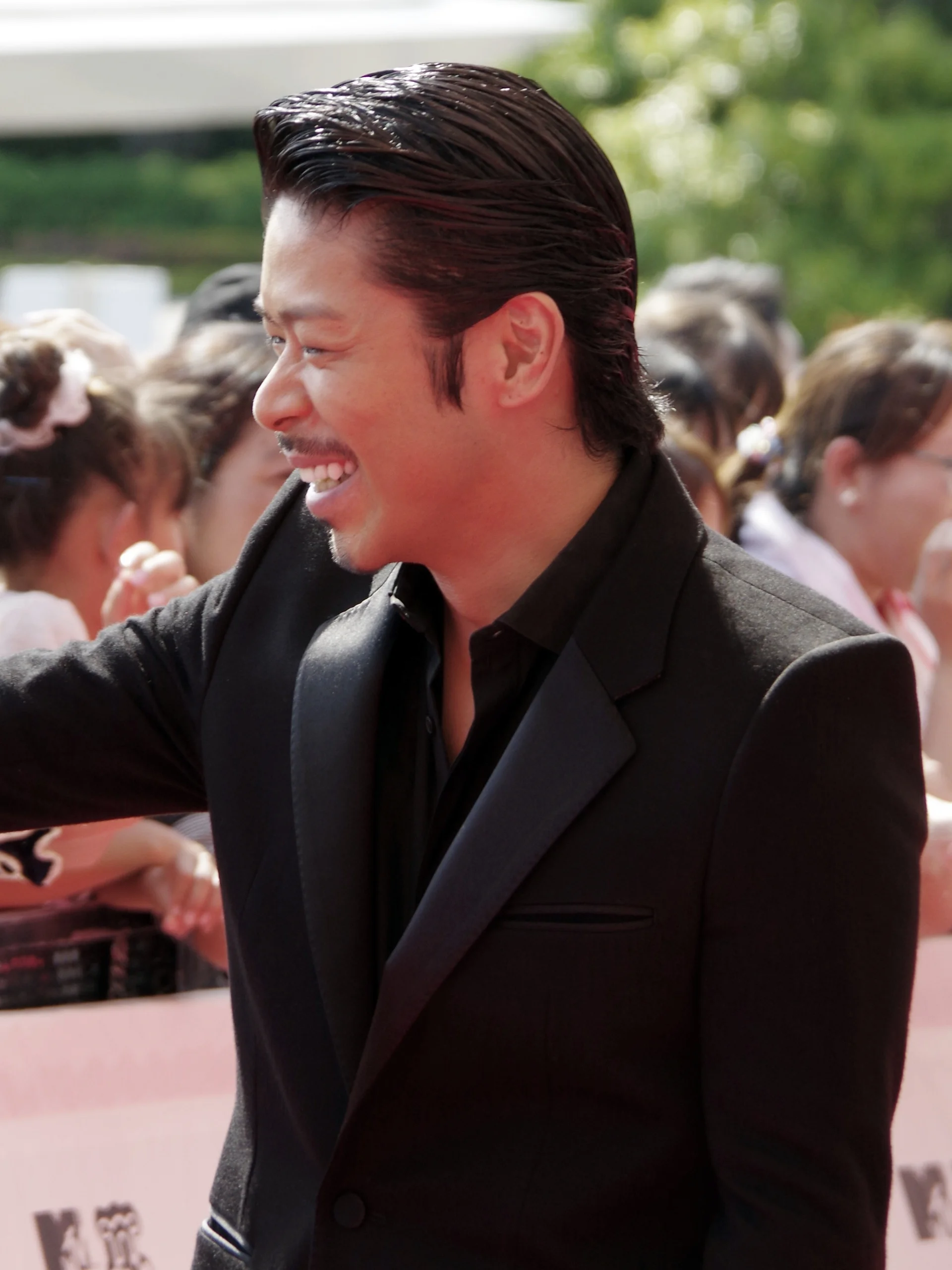
Toshio Matsumoto
 Japan
film director•video artist•screenwriter
Also known as: 松本 俊夫, Toshio Matsumoto
Birthday
March 25, 1932
Birth Sign
Sagittarius
Birthplace
Nagoya, Aichi Prefecture, Japan
Age
Died at 85
About
Toshio Matsumoto was a Japanese film director, video artist, and screenwriter who fundamentally reshaped the landscape of avant-garde cinema. Born in Nagoya in 1932, he graduated from the University of Tokyo with a degree in aesthetics before turning his attention to experimental filmmaking. His body of work is characterized by a refusal to adhere to conventional storytelling, instead favoring poetic abstraction, surreal imagery, and intense social commentary.
Matsumoto is best known for his 1969 masterpiece Funeral Parade of Roses, a landmark film that blends drag culture, eroticism, and Oedipal themes into a chaotic, dreamlike narrative. He directed approximately eighty film and video works over his lifetime, creating a unique visual language that influenced generations of filmmakers. His career spanned from the early days of the Japanese New Wave through the rise of video art, leaving behind a legacy of bold, uncompromising artistic expression.
Early Life & Background
Born on March 25, 1932, in Nagoya, Aichi Prefecture, Toshio Matsumoto grew up in a post-war Japan undergoing rapid cultural transformation. He pursued higher education at the prestigious University of Tokyo, where he majored in aesthetics. This academic background in philosophy and art theory would later inform the intellectual depth and theoretical rigor of his films. Upon graduating in 1955, he initially worked in documentary filmmaking, but his interests quickly shifted toward more abstract and personal forms of expression.
His entry into experimental cinema began in the mid-1950s with the release of his first short film, Ginrin (Silver Fish), in 1955. This early work signaled his departure from traditional documentary styles, hinting at the rhythmic and visual experimentation that would define his future career. During the late 1950s, Matsumoto immersed himself in the underground scene, fusing avant-garde techniques with political themes. He began to explore the intersection of performance, music, and film, laying the groundwork for the radical aesthetic that would soon captivate critics and audiences alike. By the time he released Roaring Fire in 1968, he had already established himself as a significant voice in the Japanese experimental movement.
Career Growth
Matsumoto's breakthrough came with the release of Roaring Fire in 1968, a film that blended eroticism with sharp social commentary and defied standard narrative structures. However, it was his 1969 film Funeral Parade of Roses that cemented his legacy as a master of experimental cinema. The film, featuring a drag queen protagonist named Eddie, became an instant cult classic and remains one of the most influential works in the history of Japanese underground film. Its surreal imagery and subversive themes challenged societal norms regarding gender and sexuality.
Following this success, Matsumoto continued to produce provocative works such as Murder Catalogue in 1971 and Shura in 1975. Shura was described by critics as "the darkest samurai film ever made," showcasing his ability to reinvent genre conventions while maintaining a distinct artistic voice. Throughout the 1980s and 1990s, he expanded his practice to include video art, creating approximately eighty works in total. His later years saw a resurgence of critical interest, with major retrospectives held at the Harvard Film Archive and the Tate Modern. Even after his death, his films continue to be screened at prestigious institutions like the Smithsonian, ensuring his influence persists in contemporary discourse.
Career Timeline
Public Image & Style
Matsumoto is portrayed as a visionary and a rebel, known for his bold aesthetic choices and refusal to conform to industry standards. His work is characterized by its experimental nature, often incorporating elements of performance art, music, and political critique. Media coverage highlights his role as a key figure in the Japanese New Wave and the global avant-garde movement. Critics frequently describe his style as prioritizing visual rhythm over traditional storytelling, creating a distinct voice that refused to follow established rules.
Fame & Fandom (iFAMOUS Rankings)
iFANN has not yet collected fame data for this person, so no ranking position is currently assigned in our global metrics. He does not appear on the September 2026 iFAMOUS Rankings flagship list. The appeal of Matsumoto's work extends primarily to film scholars, art historians, and enthusiasts of experimental cinema rather than a mass-market audience. There is no widely recognized official fandom name for his work, as his fanbase consists largely of academics and cinephiles who engage with his films through festivals, retrospectives, and academic conferences. These groups organize screenings and discussions to preserve and analyze his contributions to the history of cinema.
Interesting Facts and Legends
Matsumoto majored in aesthetics at the University of Tokyo, a background that heavily influenced the philosophical underpinnings of his films. The title of his most famous work, Funeral Parade of Roses, was derived from a song by the American band The Velvet Underground, highlighting his engagement with Western counterculture. He created roughly eighty film and video works, many of which remain obscure outside of academic and festival circles. His 2025 and 2026 screenings indicate a renewed interest in his work among contemporary audiences and scholars. The 4K restoration of Funeral Parade of Roses was a significant technical achievement that allowed modern audiences to experience his intricate visual rhythms in high definition.
Notable Quotes
“Visual rhythm over traditional storytelling.”
“A distinct voice that refused to follow established rules.”
Family & Personal Life
Toshio Matsumoto maintained a very private personal life, and few details about his family have been disclosed to the public. There are no publicly documented romantic partnerships, marriages, or divorces associated with him in available sources. He lived in Tokyo during much of his career, but specific information regarding his household, children, or parents was never made public. His family handled his funeral arrangements privately, and no burial location has been revealed. This discretion extended throughout his life, allowing his work to speak for itself without the distraction of personal gossip.
Notable Connections
Harvard Film Archive, Tate Modern, Smithsonian Institution, MoMA, Japanese New Wave
Relationships & Dating History
Toshio Matsumoto remained largely private about his relationships throughout his life. There are no publicly documented romantic partnerships, marriages, or divorces associated with him in available sources. He lived in Tokyo during much of his career, and details regarding his family, children, or specific domestic arrangements were not disclosed to the public. Consequently, there is no information regarding dating history or current relationship status. At the time of his death in 2017, he was unmarried and had no recorded spouse or partner.
Death & Aftermath
Died
April 12, 2017 (aged 85)
Death Place
Tokyo, Japan
Cause of Death
Natural causes
Toshio Matsumoto passed away on April 12, 2017, in Tokyo at the age of 85. While official medical records did not specify a precise cause beyond natural causes related to his advanced age, the film community immediately began processing the loss of one of its most radical visionaries. His death marked the end of a career that had spent decades dismantling the conventions of narrative cinema and redefining the possibilities of the moving image.
Cultural institutions worldwide moved quickly to honor his contributions. The Harvard Film Archive organized a comprehensive retrospective titled For My Crushed Right Eye: The Visionary Films of Toshio Matsumoto, bringing together restored prints of his major works for a global audience. The Tate Modern and the Smithsonian Institution also highlighted his status as a pioneer of the 1960s experimental movement, hosting screenings of key films like Funeral Parade of Roses to celebrate his enduring influence.
The details surrounding his funeral service and final resting place were kept private by his family, reflecting the personal boundaries he maintained throughout his life. Posthumous interest in his work surged significantly following his passing. A high-definition 4K restoration of Funeral Parade of Roses was produced and presented at major international venues, ensuring his artistic legacy remained accessible to new generations. This preservation effort cemented his reputation within academic programs and exhibitions dedicated to the antifascist avant-garde, proving that his challenging, surreal, and politically charged art continues to resonate deeply with scholars and cinephiles alike.
Net Worth (Estate Value)
$1 Million
iFANN Editorial Team estimate
Toshio Matsumoto was an independent artist who did not accumulate wealth through commercial blockbusters or endorsement deals. As a result, his net worth is not publicly disclosed in traditional celebrity terms. Estimates suggest his estate value is modest, with revenue generated primarily from licensing deals, restored film releases, and academic screenings. The iFANN Editorial Team estimates his estate value at approximately $1 million based on posthumous earnings from these niche channels. His financial trajectory has been managed by his family and cultural institutions, focusing on the preservation and distribution of his extensive catalog of eighty works.
Awards & Accolades
View 6 records, honours and achievementsKnown For
Funeral Parade of Roses
1969 · Director
Roaring Fire
1968 · Director
Shura
1975 · Director
Murder Catalogue
1971 · Director
Keywords
Sources
Quick Facts
- Profession
- film director, actor, screenwriter
- Born
- March 25, 1932
- Birthplace
- Nagoya, Japan
- Died
- April 12, 2017
- Death Place
- Tokyo, Japan
- Gender
- Male
- Birth Sign
- Sagittarius
Personal Details
- Full Name
- 松本 俊夫
- Children
- Education
- University of Tokyo (Aesthetics)
Filmography
80
Total
75
Film
5
TV
Frequently Asked Questions
What nationality is Toshio Matsumoto?
What is the point of Funeral Parade of Roses?
How did Toshio Matsumoto die?
What is Toshio Matsumoto famous for?
Is Toshio Matsumoto still alive?
Similar People
Join the community
fans discussing