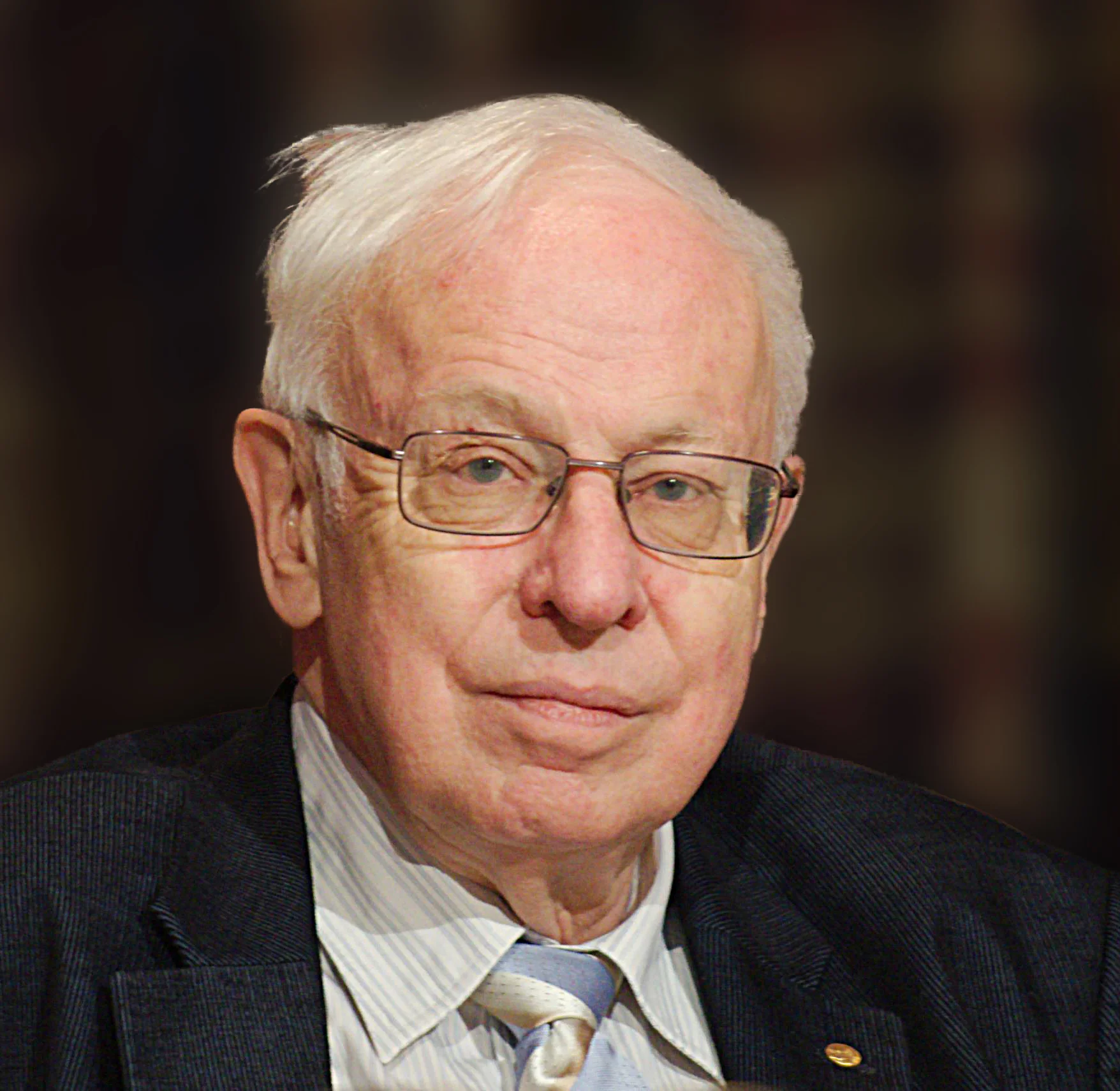
Tomas Lindahl
 Sweden
Also known as: Tomas R. Lindahl, Tomas Robert Lindahl
Birthday
January 28, 1938
Birth Sign
Aquarius
Birthplace
Stockholm, Sweden
Age
88 years old
About
Tomas Lindahl is a Swedish-British scientist whose work on DNA repair reshaped modern biology and medicine. He is best known for showing that DNA is inherently unstable and that cells have evolved sophisticated mechanisms to repair the constant damage it suffers. This insight laid the foundation for understanding how mutations accumulate and how cancer develops.
Lindahl's research earned him the 2015 Nobel Prize in Chemistry, which he shared with Paul Modrich and Aziz Sancar. Over a career spanning more than five decades, he has held key positions at the Karolinska Institute, the Imperial Cancer Research Fund, and the Francis Crick Institute, where he continues to influence the field as an emeritus scientist. His work has directly informed cancer research, particularly in the development of targeted therapies that exploit DNA repair pathways.
Today, Lindahl is regarded as one of the most important figures in molecular biology, and his name is synonymous with the study of genome maintenance.
Early Life & Background
Tomas Lindahl grew up in Stockholm, Sweden, where his early interest in science was not always smooth sailing. He once failed a chemistry exam in school, a fact he later recalled with good humor, noting that the teachers and he did not get along. Despite this setback, he pursued medicine at the Karolinska Institute, where he earned his MD in 1963 and his PhD in 1967.
After completing his doctorate, Lindahl moved to the United States for postdoctoral work. It was there that he made a key observation: RNA is easily broken down by heat. This led him to question the stability of DNA, a line of inquiry that would define his career. When he returned to Sweden, he began studying the chemical breakdown of DNA, eventually discovering that it too is surprisingly fragile, losing its genetic information at a rate that seemed incompatible with life. This paradox became the central puzzle of his research.
By the early 1970s, Lindahl had identified a specific type of DNA damage, the loss of a base, now called depurination, and he began to search for enzymes that could repair it. This search would lead to the discovery of base excision repair, a fundamental pathway that cells use to fix everyday damage.
Career Growth
Lindahl's breakthrough came in the 1970s when he identified the first enzyme involved in base excision repair, a process that removes damaged bases from DNA. This discovery was published in 1974 and opened up an entirely new field of research. He continued to map the various proteins involved in this repair pathway, showing how cells meticulously correct the constant wear and tear on their genetic material.
In 1986, Lindahl became the director of the Clare Hall Laboratories, part of the Imperial Cancer Research Fund (now Cancer Research UK), a position he held until 2005. Under his leadership, the lab became a world center for DNA repair research. He also held a professorship at the Karolinska Institute and later became an emeritus professor at Linköping University.
His contributions were recognized with numerous awards, culminating in the 2015 Nobel Prize in Chemistry, which he shared with Paul Modrich and Aziz Sancar. The Nobel committee cited their mechanistic studies of DNA repair, work that has had profound implications for cancer treatment. Lindahl's research has directly influenced the development of drugs that target DNA repair pathways, such as PARP inhibitors, which are now used to treat certain breast and ovarian cancers.
Career Timeline
Public Image & Style
In the scientific community, Lindahl is known for his meticulous, patient approach to research. Colleagues describe him as a rigorous experimentalist who was not afraid to challenge prevailing dogma. His discovery that DNA is inherently unstable was initially met with skepticism, but he persisted and ultimately proved his case. He is also remembered as a generous mentor, fostering a collaborative environment at Clare Hall Laboratories. The public knows him primarily through his Nobel Prize, which brought his life's work into the spotlight. He is often portrayed in the media as a humble, dedicated scientist who embodies the spirit of curiosity-driven research.
Fame & Fandom
Tomas Lindahl commands a quiet but profound reverence within the scientific world, though he lacks the structured fanbase, rituals, or organized campaigns typical of pop culture icons. His audience consists primarily of researchers, students, and patients benefiting from his breakthroughs rather than adoring followers engaging in birthday billboards or streaming drives. The closest equivalent to a fan gathering is the global scientific community's reaction to his work, such as when Science magazine heralded his discovery of the DNA repair enzyme as the molecule of the year in 1994. This academic admiration stands in stark contrast to the viral moments seen elsewhere, as his legacy is built on peer-reviewed papers and lectures at institutions like the Karolinska Institutet rather than social media trends.
In the iFANN Global Fame Engine's August 2026 evaluation, Tomas Lindahl is evaluated but holds no placement in the published rankings (Global Top 1,000 or a Top-100 scope list). He does not currently hold a numeric rank or score. While he does not appear in the official numerical standings, his standing among peers remains exceptionally high, reflecting a career that has fundamentally reshaped our understanding of cancer and genetics without seeking the spotlight. The fanbase has no formal name, further underscoring that his influence operates through professional channels rather than public spectacle.
Interesting Facts and Legends
Before becoming a Nobel laureate, Lindahl failed a chemistry exam in school, a story he often shares to illustrate that early setbacks do not determine future success. He discovered that DNA loses a base every few hours under physiological conditions, a startling finding that challenged the belief that DNA was inherently stable. He has been a member of the Norwegian Academy of Science and Letters since 2016 and is an avid sailor who says the patience required for sailing mirrors the patience needed for scientific research. In 2017, he received an honorary doctorate from the University of Sussex.
Among scientists, a popular origin myth surrounds his resilience after that early academic failure, serving as an inspirational tale for students facing their own hurdles. Another defining moment in his lore is the 2015 Nobel Prize win, which revolutionized cancer research by revealing the mechanisms cells use to fix damaged DNA. These stories form the core mythology of his life, celebrated not for celebrity status but for their impact on modern medicine and biology.
Notable Quotes
“I did not like the teachers in the new school, and the teachers did not like me. In fact, one of them said I would never amount to anything.”
“DNA is not a completely stable molecule. It is constantly being damaged, and cells have to repair it all the time.”
“You have to be prepared to go against the mainstream and follow your own convictions.”
Family & Personal Life
Details about Lindahl's family are scarce, as he has kept his personal life largely private. He was born in Stockholm, Sweden, to a family that valued education, though little is known about his parents or siblings. He later moved to the United Kingdom, where he has lived for many years, becoming a British citizen. He is married, but his wife's name and profession have not been widely publicized. The couple has no known children. Despite his fame, Lindahl has remained discreet about his home life, focusing public attention on his scientific work.
Notable Connections
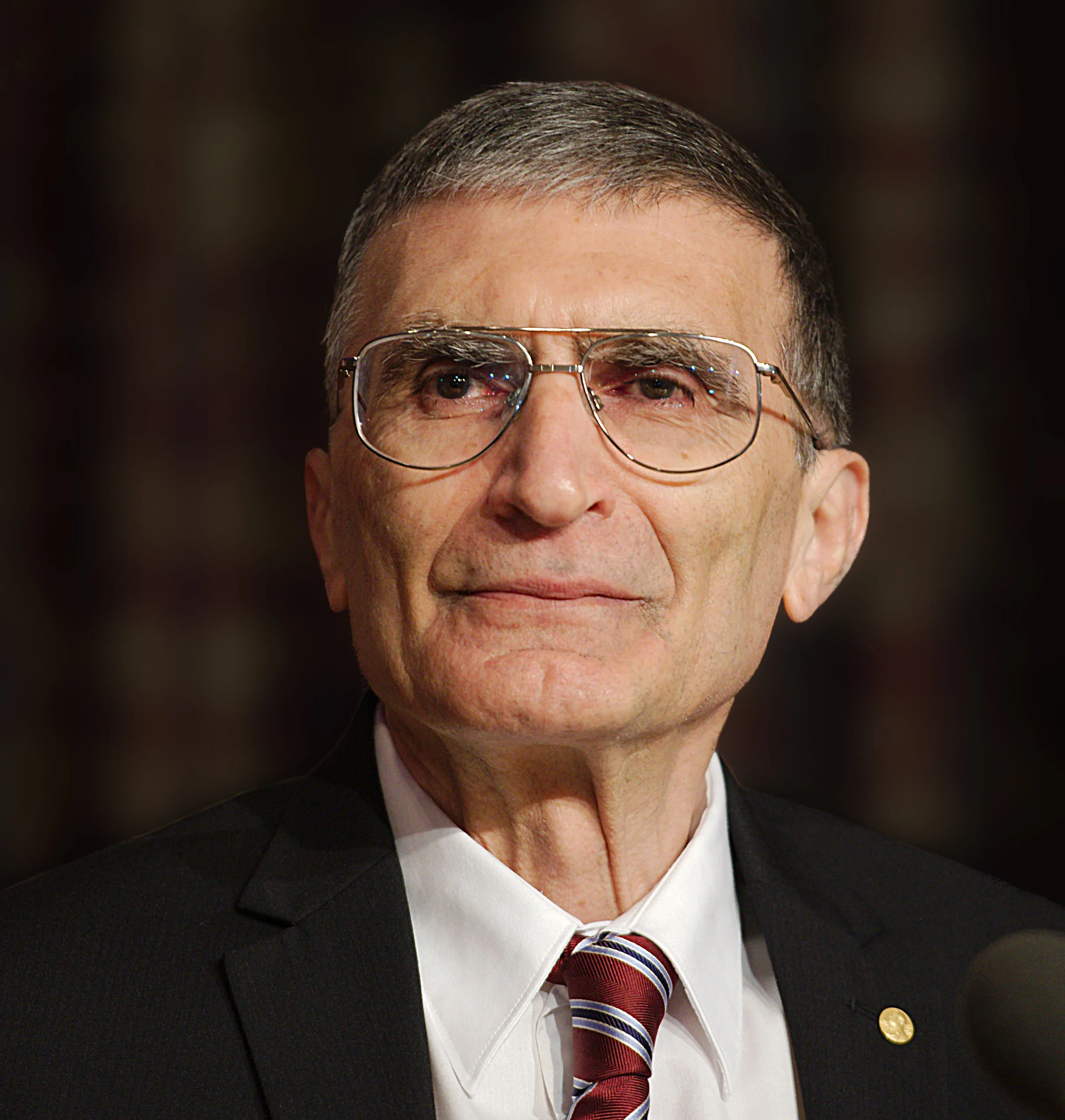
Lindahl shared the 2015 Nobel Prize in Chemistry with Paul L. Modrich and Aziz Sancar. Modrich is known for his work on mismatch repair, while Sancar studied nucleotide excision repair. Together, their research provided a comprehensive picture of how cells repair DNA damage. Lindahl also collaborated with many scientists over the years, including those at the Francis Crick Institute and the Imperial Cancer Research Fund.
Relationships & Dating History
Little is known about Lindahl's romantic life, as he has kept his personal relationships out of the public eye. He was born in Stockholm and later moved to the United Kingdom, where he has lived for decades. He is known to be married, but his wife's identity has not been publicly confirmed. There are no records of previous marriages or high-profile relationships. As of 2026, he is presumably still married, though he and his wife have not appeared in public together, and he has not discussed his family in interviews. His focus has always been on his research, and he has maintained a strict separation between his professional and personal life.
Salary, Net Worth In 2026
$5 Million
iFANN Editorial Team estimate
iFANN currently estimates Tomas Lindahl's net worth at $5 Million. As a Nobel laureate and long-time research scientist, Lindahl's wealth is relatively modest compared to entrepreneurs or entertainers. His income has primarily come from his academic positions, research grants, and the Nobel Prize award, which in 2015 was 8 million Swedish kronor (about $960,000) shared among the three laureates. He also receives a pension from his years at Cancer Research UK and the Karolinska Institute. As of 2026, his estimated net worth is around $5 Million, accumulated through his salary, prize money, and speaking engagements. He has not been involved in commercial ventures, and his wealth reflects his dedication to public research rather than private enterprise.
Awards Won (3)
Lindahl's most prestigious award is the 2015 Nobel Prize in Chemistry, which he received alongside Paul Modrich and Aziz Sancar. He has also been elected a Fellow of the Royal Society and a member of the National Academy of Sciences, among other honors. His work has been recognized with numerous other awards, including the Royal Medal and the Copley Medal, both from the Royal Society.
2015 · Chemistry
Mechanistic studies of DNA repair
2007 · Biology
For his contributions to DNA repair
Known For
Nobel Prize in Chemistry
2015 · Co-recipient
Mechanistic studies of DNA repair
2015 · Researcher
Keywords
Sources
Quick Facts
- Profession
- geneticist, chemist, physician
- Born
- January 28, 1938
- Birthplace
- Stockholm, Sweden
- Gender
- Male
- Birth Sign
- Aquarius
- Nationality
- Swedish-British
Personal Details
- Full Name
- Tomas Robert Lindahl
- Education
- Karolinska Institute (MD, PhD)
Frequently Asked Questions
What is Tomas Lindahl famous for?
When did Tomas Lindahl win the Nobel Prize?
What did Tomas Lindahl discover?
Where was Tomas Lindahl born?
What is Tomas Lindahl's profession?
Similar People
Join the community
fans discussing