
Tom Fogerty
Member of Creedence Clearwater Revival
Also known as: Tom Fogerty discography
Birthday
November 9, 1941
Birth Sign
Scorpio
Birthplace
Berkeley, California
Age
Died at 48
Height
5 ft 10 in (178 cm)
About
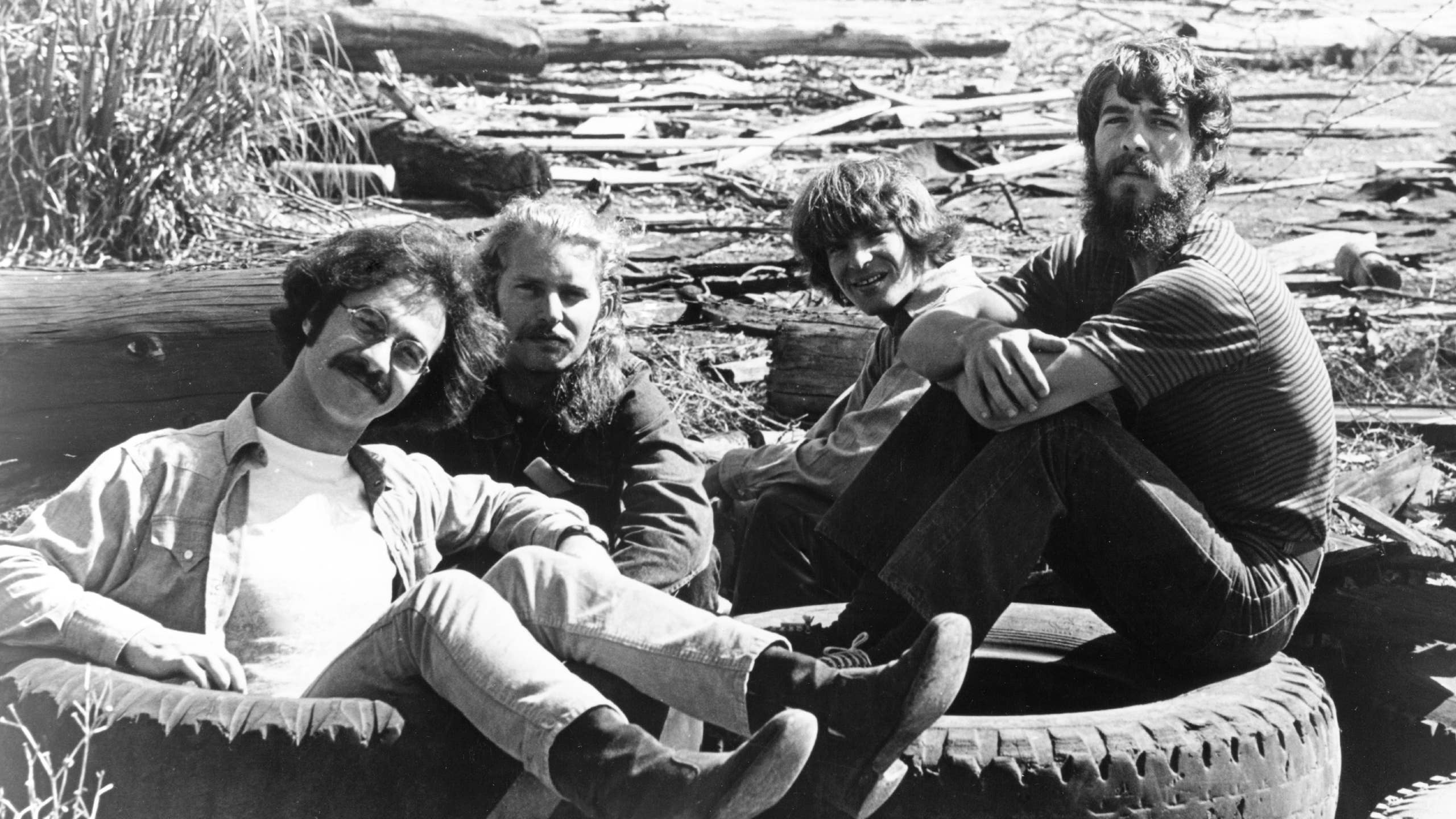
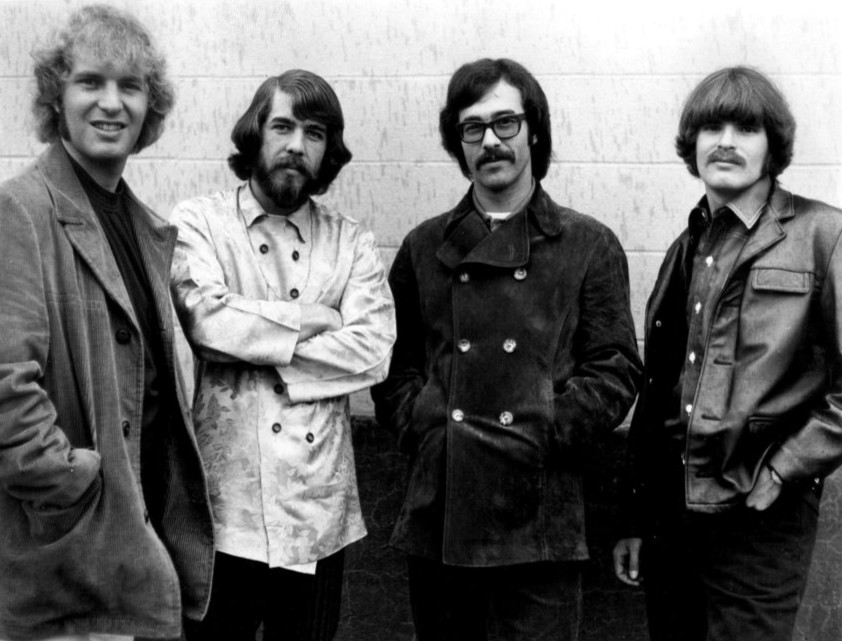
Thomas Richard Fogerty was an American musician best known as the rhythm guitarist and backing vocalist for Creedence Clearwater Revival. Born in Berkeley, California, he was the older brother of the band's lead singer and primary songwriter, John Fogerty. While his brother became one of rock's most iconic figures, Tom is remembered as a foundational member whose departure from the group marked a significant turning point in the band's history. He served as the rhythmic anchor for CCR during their peak years, helping to define the tight, driving sound that produced multiple number-one singles. His physical presence was described as relaxed and unassuming, standing approximately 5'10" with an average build, contrasting sharply with his brother's intensity. This steady demeanor allowed him to prioritize the group's collective sound over individual spotlight, creating a unique dynamic within the band. Following a contentious split in 1971, he pursued a solo career before passing away in 1990.
Early Life & Background
Thomas Richard Fogerty was born on November 9, 1941, in Berkeley, California, to a working-class family. He grew up alongside his younger brother, John, and their sister, Nancy. The brothers shared a deep love for music from an early age, influenced by blues, R&B, and country records. They began playing instruments in their teens, with Tom initially taking up the guitar and John the drums before switching to guitar. Their early musical education was informal, centered around local jam sessions and high school bands. Before achieving fame, they played in various local groups, including the Blue Velvets, where they honed their sound and stage presence. Tom was the first to master the guitar, often serving as the rhythmic anchor that allowed John to focus on lead melodies and vocals. In 1959, Tom and John formed the Blue Velvets, which eventually evolved into The Golliwogs in the mid-1960s. The band gained traction in the San Francisco Bay Area but struggled with name changes and label issues. Tom also met Linda during these early days in the music scene, though their relationship remained private until marriage.
Career Growth
In 1967, after being signed to Fantasy Records, the band changed its name to Creedence Clearwater Revival, adopting a name suggested by Tom's girlfriend at the time. Tom served as the band's rhythm guitarist and provided essential backing vocals. His role was critical in creating the tight, driving sound that defined CCR's hits. During the band's peak years (1968–1971), CCR released a string of number-one singles and albums, including Bayou Country, Green River, Wilbury County, and Cosmo's Factory. Tensions regarding credit, royalties, and artistic control grew over time. In late 1971, following the release of Pendulum, Tom Fogerty left the band. The split was acrimonious; Tom felt undervalued and frustrated by John's controlling nature regarding the band's direction and finances. Following his departure, Tom pursued a solo career. He signed with Fantasy Records and released two albums: The Glitter Band (1972) and Wrote a Song for Everyone (1973). His debut single, "Goodbye Media Man," nearly reached the Top 100 but failed to gain significant traction. He also collaborated with other artists, including a notable performance with Jerry Garcia and Merl Saunders in 1971.
Career Timeline
Public Image & Style
Tom Fogerty was known for his relaxed, unassuming stage presence compared to his brother's intensity. He cultivated a reputation as a steady, reliable musician who prioritized the group's sound over individual spotlight. His fashion style reflected the casual, working-class aesthetic of the Bay Area rock scene, often seen in simple shirts and jeans. Standing approximately 5'10", he possessed an average build that contributed to his understated image. Media portrayals often focused on his role as the overlooked brother, highlighting the tension between his desire for creative recognition and John's dominant leadership. Despite the friction, he was widely respected by peers for his technical skill and dedication to the band's rhythm section.
Fame & Fandom (iFAMOUS Rankings)
iFANN has evaluated this person, but they do not currently hold a placement in the published rankings (Global Top 1,000 or a Top-100 scope list). He is not featured on the September 2026 iFAMOUS Rankings flagship list. CCR fans hold a deep reverence for Tom's rhythm work and his role in the band's formation. Fan campaigns often highlight the injustice of his exclusion from the songwriting credits and his untimely death. The "Bad Moon's Still Rising" blog and various online communities keep his story alive, celebrating his contributions to the band's sound. The fanbase has no formal name, operating instead as a collective of enthusiasts dedicated to preserving the history of the Fogerty brothers and CCR. While Tom does not have a distinct fandom separate from the broader CCR audience, his specific contributions are frequently cited in discussions about the band's rhythm section and the dynamic between the brothers.
Interesting Facts and Legends
Tom Fogerty was the one who suggested the name "Creedence Clearwater Revival" for the band. He was a skilled rhythm guitarist who often played the bass lines on guitar, allowing John to focus on lead guitar and vocals. His death was one of the earliest high-profile cases of AIDS-related deaths among musicians in the late 1980s and early 1990s. Tom called the song "Bad Moon Rising" a "musician's dream" despite John's description of it having a disturbing inspiration. A story fans still retell involves Tom's frustration during recording sessions where he felt his contributions were minimized in favor of his brother's vision. Regarding his departure, he once remarked, "I tried to be nice. Sometimes I would explode," reflecting the tension within the band. These anecdotes highlight the complex personal dynamics that existed behind the scenes of their massive success.
Notable Quotes
“I tried to be nice. Sometimes I would explode.”
“Bad Moon Rising" is a musician's dream.”
Family & Personal Life
Tom Fogerty was married to Linda Fogerty. There are no public records of children from this marriage, though some sources suggest he may have had stepchildren or close relationships with extended family members. His sister Nancy and younger brother John were also part of his close circle, though his relationship with John became strained in the band's later years. The couple met during his early days in the music scene and married in the late 1960s, remaining together until Tom's death. Linda was a constant support system during his time in CCR and his subsequent solo career. He maintained a relatively private family life compared to his public persona, focusing on his immediate household rather than broader celebrity connections. His parents, who raised him in a working-class environment, instilled a strong work ethic that followed him throughout his musical journey.
Notable Connections
Relationships & Dating History
Tom Fogerty was married to Linda Fogerty. The couple met during his early days in the music scene and were married in the late 1960s. They remained together until Tom's death in 1990. Linda was a constant support system during his time in CCR and his subsequent solo career. Regarding dating history prior to his marriage, Tom was known to be somewhat private about his romantic life. Publicly documented relationships are limited to his marriage to Linda. There are no widely reported flings, engagements, or divorces outside of this union. By the time of his death, he was married to Linda, and there is no record of any other long-term partners. His relationship with his wife was characterized by mutual support through the highs of fame and the lows of their eventual separation from the band.
- MarriedLinda Fogerty1968 - 1990Remained married until his death.
Death & Aftermath
Died
September 6, 1990 (aged 48)
Death Place
Scottsdale, Arizona
Cause of Death
Complications from AIDS
Thomas Richard Fogerty spent his final years in Scottsdale, Arizona, having relocated from California following his departure from the music industry. He passed away on September 6, 1990, at the age of 48, with the official cause of death attributed to complications arising from AIDS. Medical accounts widely report that he contracted the HIV virus through a tainted blood transfusion received during back surgery performed prior to his death. This was a common mode of transmission in the pre-screening era of blood banking. Tributes from peers and the AIDS community acknowledged his role as the rhythm guitarist for Creedence Clearwater Revival, while later interviews by his brother John Fogerty addressed their past feuds and offered a reflection on their relationship. Specific details regarding the date, location, or attendees of his funeral remain private. His legacy received institutional recognition through posthumous induction into the Rock and Roll Hall of Fame as part of Creedence Clearwater Revival in 1993. In 2025 and 2026, John Fogerty publicly discussed finding peace with his late brother, reflecting on their past conflicts and the enduring legacy of their music. Archival releases continued to appear decades later, including a 2026 issue of a 1971 live show featuring Jerry Garcia, keeping his memory alive for new generations.
Net Worth (Estate Value)
$12 Million
iFANN Editorial Team estimate
As Tom Fogerty is deceased, his net worth refers to the value of his estate. Estimates vary, but credible sources place the value of his estate and ongoing royalties at approximately $10 million to $15 million as of 2026. This wealth is derived from ongoing royalties from Creedence Clearwater Revival recordings, licensing deals for use in films and commercials, and sales of rare tracks and live recordings. The estate continues to generate revenue through merchandise managed by his heirs and legal representatives. In 2026, an archival release of a 1971 live show featuring Tom Fogerty with Jerry Garcia and Merl Saunders was issued, adding to the estate's income stream. The estate is managed by his heirs, ensuring continued income from his intellectual property. Specific financial details remain private, but the consistent flow of royalties from CCR's enduring popularity ensures the estate remains substantial.
Awards Won (1)
Tom Fogerty was posthumously inducted into the Rock and Roll Hall of Fame in 1993 as a member of Creedence Clearwater Revival. No individual solo awards were won by Tom Fogerty during his lifetime or posthumously. All major accolades associated with CCR belong to the group entity.
1993 · Induction
Creedence Clearwater Revival
Known For
The Glitter Band
1972 · Solo Album
Wrote a Song for Everyone
1973 · Solo Album
Creedence Clearwater Revival
1967 · Rhythm Guitarist
Keywords
Sources
Quick Facts
- Profession
- singer, guitarist, composer
- Born
- November 9, 1941
- Birthplace
- Berkeley, California
- Died
- September 6, 1990
- Death Place
- Scottsdale, Arizona
- Gender
- Male
- Birth Sign
- Scorpio
Personal Details
- Full Name
- Thomas Richard Fogerty
- Height
- 5 ft 10 in (178 cm)
- Spouse
- Linda Fogerty
- Children
- Education
- High School
Frequently Asked Questions
How did Tom Fogerty die?
Why did Tom Fogerty leave Creedence Clearwater Revival?
Was Tom Fogerty inducted into the Rock and Roll Hall of Fame?
Did Tom Fogerty have any children?
What was Tom Fogerty's role in CCR?

Join the community
fans discussing