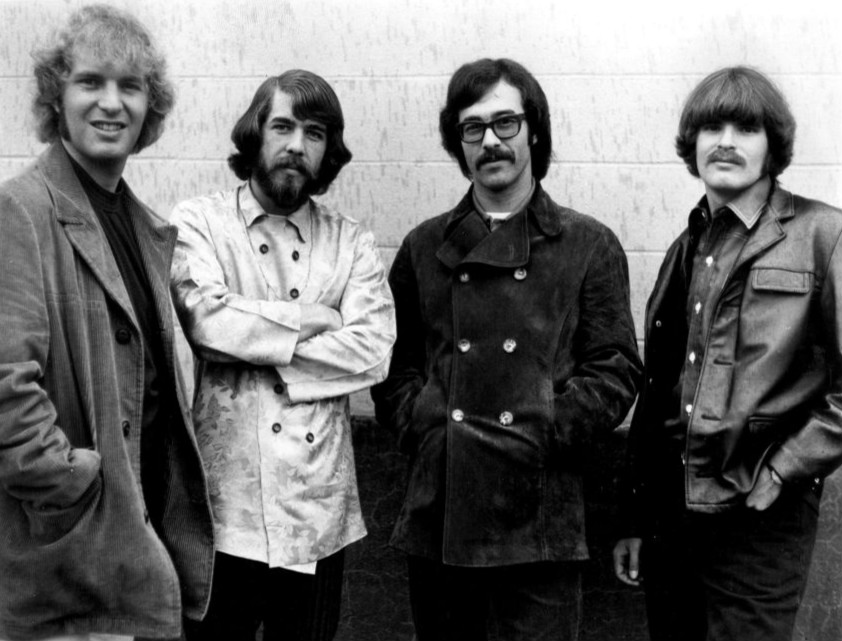
Creedence Clearwater Revival
The kings of swamp rock who dominated the late 1960s charts with raw, bluesy anthems.
4
Members
About
Creedence Clearwater Revival is an American rock band that achieved massive commercial success between 1968 and 1972. The group consists of four members from the San Francisco Bay Area: John Fogerty, Tom Fogerty, Stu Cook, and Doug Clifford. They are best known for their distinctive "swamp rock" sound, which combined elements of blues, country, and rhythm and blues into a gritty, energetic style. Their catalog includes some of the most recognizable songs in rock history, such as Proud Mary, Bad Moon Rising, and Fortunate Son.
Although the band officially disbanded in 1972 due to internal conflicts and legal disputes, their musical presence remains strong. John Fogerty continues to tour as a solo artist, while former bassist Stu Cook and drummer Doug Clifford perform together under the name Creedence Clearwater Revisited. The band's legacy is cemented by their incredible chart performance; every single album they released during their peak years reached the Billboard Top 10, a feat unmatched by many other acts of the era.
Formation Story
The roots of Creedence Clearwater Revival trace back to 1959 when John Fogerty, his brother Tom Fogerty, Stu Cook, and Doug Clifford were students at Arcadia High School in El Cerrito, California. The four friends began playing together in a skiffle group called the Blue Velvets, which eventually evolved into the Golliwogs in 1964. During their time as the Golliwogs, the band adopted a more R&B-focused sound and signed with Fantasy Records in 1966. However, the label was dissatisfied with their image and requested a change in direction.
In 1967, the group rebranded themselves as Creedence Clearwater Revival. The name was a creative combination derived from two sources: the brand of paint thinner found in their garage called Clearwater and the word "Creedence," which John Fogerty liked for its rhythmic quality. The new identity allowed them to shed their previous image and focus on a sound that blended American roots music with a raw, powerful energy. They released their self-titled debut album in May 1968, marking the beginning of a prolific run that would see them dominate the airwaves for the next four years.
Members
Former Members
Sub-Units
Creedence Clearwater Revisited (1995)
Stu CookDoug Clifford
Musical Style
Creedence Clearwater Revival developed a signature sound often described as "swamp rock," a term coined by critics to describe their unique blend of New Orleans-style R&B, Texas blues, and country twang. This style was characterized by John Fogerty's raspy, emotive vocals, driving guitar riffs, and tight, percussive rhythms provided by Cook and Clifford. The band's production was notably clean and direct, avoiding the psychedelic excesses that defined much of the late 1960s music scene.
Lyrically, the group explored themes of rural life, social commentary, and personal struggle. Songs like Fortunate Son offered sharp critiques of the Vietnam War and class disparity, while tracks like Down on the Corner painted vivid pictures of working-class America. Their later work, particularly the album Mardi Gras, saw an attempt at a more democratic songwriting approach where each member contributed compositions, resulting in a softer, more polished pop-rock sound that contrasted with their earlier grit.
Discography
| Title | Year |
|---|---|
| Creedence Clearwater Revival | 1968 |
| Bayou Country | 1969 |
| Green River | 1969 |
| Willy and the Poor Boys | 1969 |
| Cosmo's Factory | 1970 |
| Pendulum | 1970 |
| Mardi Gras | 1972 |
| Chronicle: The 20 Greatest Hits | 1976 |
Tours
Woodstock Festival
1969 · 1 shows
Creedence Clearwater Revisited Tour
1995-2026 · Hundreds shows
Cultural Impact
The cultural footprint of Creedence Clearwater Revival is immense, particularly regarding their role in shaping the sound of American rock. They brought Southern and Delta blues influences to a mainstream national audience, paving the way for the Southern rock movement of the 1970s. Their music transcended racial lines during a turbulent era in American history, finding common ground in the shared experience of the working class.
Songs like Fortunate Son became unofficial anthems for the anti-war movement, despite John Fogerty's original intent being broader social commentary. The track's usage in protests and media has solidified its place as a defining song of the 1960s. Furthermore, the band's consistent output of hit singles and albums demonstrated a level of commercial viability that rivaled even the Beatles in the United States, proving that a band could achieve massive success without relying on British Invasion trends or psychedelic experimentation.
Fandom Culture
As a band formed before the modern era of organized fandoms, Creedence Clearwater Revival does not have an official fandom name, lightstick, or designated fan color. Fans generally identify simply as "CCR fans" or "Creedence fans." The community is built around a shared appreciation for classic rock, with gatherings often centered on tribute concerts, vinyl collecting, and discussions about the band's discography.
The enduring popularity of the band is evident in the continued activity of fan-run websites and forums that preserve rare bootlegs, memorabilia, and historical records. The touring act Creedence Clearwater Revisited maintains a dedicated following, drawing crowds who seek to experience the live energy of the original hits. For many, the connection to the band is nostalgic, linking the music to specific moments in American history and personal memories.
Awards Won (3)
While Creedence Clearwater Revival did not win competitive awards during their active years, their posthumous recognition has been substantial. The band was inducted into the Rock and Roll Hall of Fame in 1993, honoring their significant contribution to the development of rock music. In 2013, they were awarded the Grammy Lifetime Achievement Award, recognizing their lasting impact on the industry. These honors reflect the enduring quality and influence of their catalog.
Lifetime Achievement
for: Career
Milestones
First major act signed to appear at Woodstock Festival
Produced 14 consecutive top-10 singles in the US
Release of Chronicle: The 20 Greatest Hits
Induction into the Rock and Roll Hall of Fame
Received Grammy Lifetime Achievement Award
Fame & Fandom (iFAMOUS Rankings)
Trivia
Keywords
Sources
Quick Facts
- Type
- Rock Band
- Formed
- 1959
- Origin
- El Cerrito, California
- Label
- Fantasy Records
- Genres
- roots rock, hard rock, swamp rock, country rock, rock and roll
- Members
- 4
- Status
- Disbanded
Group Info
- Formed
- 1959
- Debut
- May 1968
- Debut Song
- Suzie Q
- Origin
- El Cerrito, California
- Company
- Fantasy Records
- Label
- Fantasy Records
- Status
- Disbanded (October 1972)
Also Known As
Join the community
fans discussing