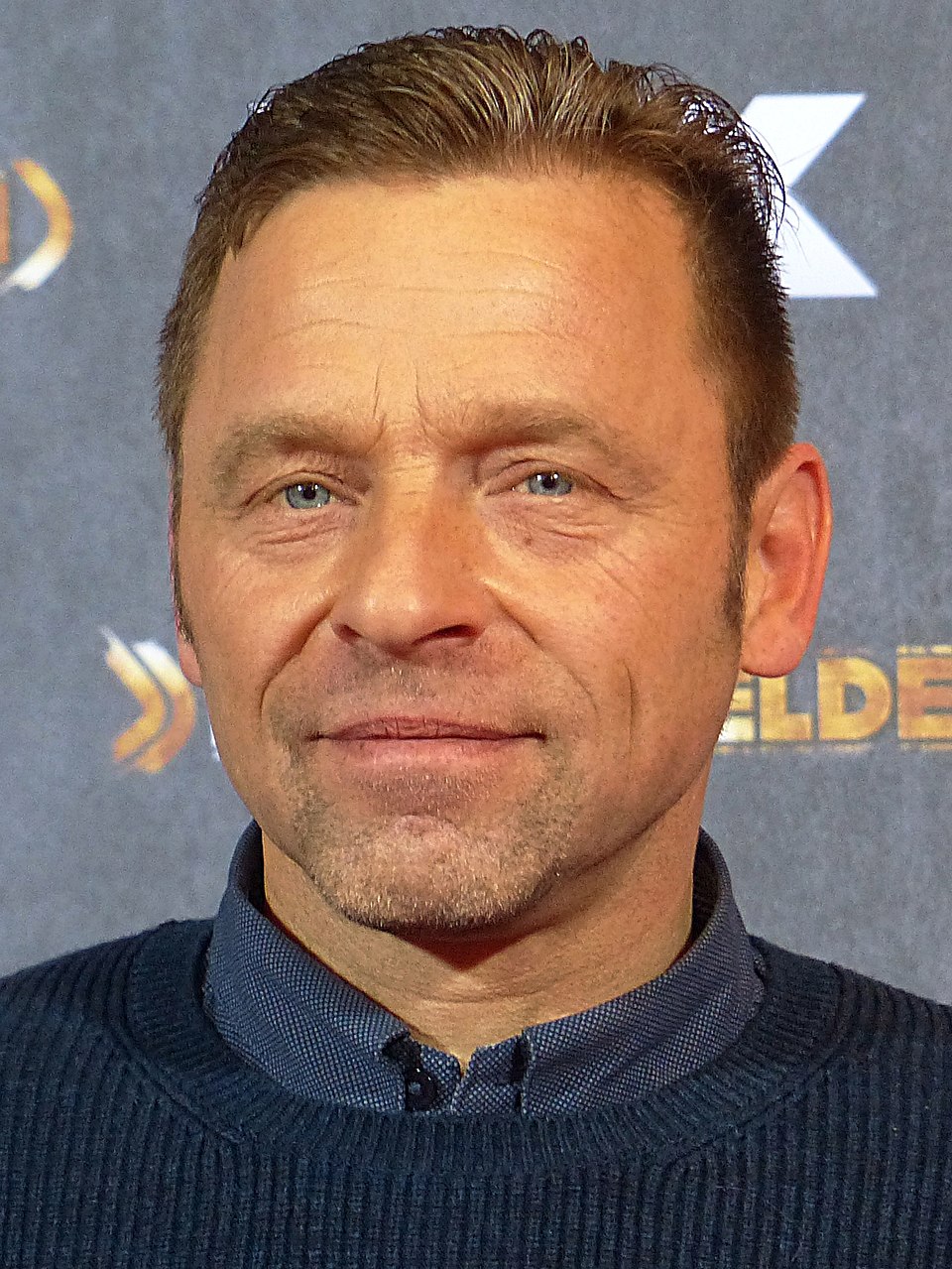
Thomas Häßler
 Germany
association football player•association football coach
Also known as: Icke
Birthday
May 30, 1966
Birth Sign
Gemini
Birthplace
West Berlin, West Germany
Age
60 years old
Height
5 ft 5 in (166 cm)
About
Thomas Häßler is a German former professional footballer who played as an attacking midfielder. Over an 18-year career, he represented clubs in Germany and Italy, including 1. FC Köln, Juventus, AS Roma, Karlsruher SC, Borussia Dortmund, and 1860 Munich. He earned 101 caps for Germany (including West Germany), scoring 11 goals, and was a key member of the teams that won the 1990 FIFA World Cup and UEFA Euro 1996. Known for his exceptional ball control, vision, and free-kick ability, Häßler was named German Footballer of the Year in 1989. Despite his modest stature, he became one of the most respected playmakers of his era, admired for his technical brilliance and down-to-earth personality. As of 2026, he lives a quiet life in the Munich area, occasionally working as a television pundit.
Early Life & Background
Häßler grew up in the Charlottenburg district of West Berlin, living in a modest apartment near the Olympic Stadium. His father worked as a construction worker and his mother as a cleaner. He started playing football at age five in the streets and parks of Berlin, joining his first youth club, BFC Meteor 06, at seven. At age 13, he moved to Reinickendorfer Füchse, where his performances began attracting attention. His small stature, he stands at just 1.66 meters, meant he was often overlooked, but his exceptional ball control and vision set him apart. After completing his Realschule education at 16, he pursued professional football full-time. In 1984, at age 18, he signed his first professional contract with 1. FC Köln, making his Bundesliga debut on August 24, 1984, against Eintracht Frankfurt as a substitute. By his second season, he had established himself as a regular starter, scoring 10 goals in 34 league appearances during the 1985–86 campaign and earning his first call-up to the West Germany national team.
Career Growth
Häßler made 149 Bundesliga appearances for Köln, scoring 17 goals, and helped the club reach the DFB-Pokal final in 1989. His performances earned him a move to Juventus in 1990 for about 8 million Deutsche Mark. He won the UEFA Cup with Juventus in 1990–91, though he was an unused substitute in the final. After one season, he transferred to AS Roma for 10 billion Italian lire, making 88 appearances and scoring 11 goals over three seasons, becoming a fan favorite for his technical brilliance. He returned to Germany in 1994 with Karlsruher SC for 4 million Deutsche Mark. This period marked the peak of his club career: he made 118 appearances, scored 28 goals, led the club to the DFB-Pokal final in 1996, and reached the UEFA Cup semi-finals in 1997. Later spells at Borussia Dortmund (1998–99) and 1860 Munich (1999–2000) were hampered by injuries, and he finished his career at SpVgg Unterhaching in the 2. Bundesliga, retiring in 2002. Internationally, he was part of the 1990 World Cup-winning squad, starting all seven matches. He also played at the 1994 and 1998 World Cups. His greatest international triumph came at Euro 1996, where he started all six matches and scored the opening goal in the final against the Czech Republic, a 25-yard free kick. He captained Germany on three occasions.
Career Timeline
Public Image & Style
Häßler was known for his distinctive mullet hairstyle in the late 1980s and early 1990s, later transitioning to a ponytail, which made him a fashion icon in 1990s German football. He always wore Adidas boots and was known for bright, colorful kits during his time at Roma. German media consistently portrayed him as a Volksheld (people's hero), a humble, approachable star from working-class Berlin roots, seen as the antithesis of flashier, more egotistical stars. His Berlin dialect and down-to-earth personality made him widely beloved. German football fans, particularly those of Karlsruher SC and 1. FC Köln, hold him in extremely high regard; he is often cited as the greatest player in Karlsruher SC's history. He has no active social media presence, and his public appearances are limited to occasional interviews and charity events.
Fame & Fandom
Thomas Häßler remains a defining figure in the history of German football, recognized globally for his technical mastery and pivotal role in major international victories. As of August 2026, iFANN's Global Fame Engine has evaluated this person, but they do not currently hold a placement in the published rankings (Global Top 1,000 or a Top-100 scope list). While he lacks a specific numeric rank in the current global hierarchy, his standing among football historians and enthusiasts remains substantial, reflecting a career that spanned nearly two decades across top European leagues. His legacy is anchored by his performance with the national team during the 1990 World Cup and Euro 1996 triumphs, events that cemented his status as a midfield wizard. The fanbase does not operate under a formal collective name; instead, supporters from AS Roma, 1860 Munich, and the broader German football community honor him through retrospective appreciation of his skill rather than organized campaigns or ritualistic gatherings. Stories of his legendary status often focus on his nickname Icke and his ability to control games with a small stature, tales that are retold in biographical accounts and highlight reels. Unlike modern stars who generate viral moments or street-level frenzy, Häßler's influence is characterized by a quiet reverence for his consistency and sportsmanship. He is remembered as a humble icon whose contributions to the sport were felt deeply within the tactical evolution of the game, particularly in Serie A. The absence of a documented fandom name suggests a relationship between the player and his audience built on historical respect rather than active, branded mobilization.
Interesting Facts and Legends
Thomas Häßler was nicknamed Icke, a Berlin dialect variation of ich, stemming from his distinct accent and frequent use of the term. Despite his modest physical frame, he possessed an exceptional leap, scoring several headers from set pieces. He was among the first German players to achieve success in Serie A, clearing the path for future generations. During his playing days, he was a heavy smoker, frequently seen lighting up after matches, a habit common in the 1980s and 1990s. Over fourteen seasons with four different Bundesliga clubs, he never secured a league title. His sole World Cup goal arrived in 1994 against South Korea. Although left-footed, he demonstrated equal proficiency with his right foot, utilizing both for free kicks. Fans often recount the legend of his 1990 World Cup campaign, where his vision and passing were instrumental in Germany's victory. Another enduring story involves his tenure at AS Roma, where he made 118 appearances, scoring 14 goals and providing 15 assists, earning deep affection from Italian supporters for his dynamic playmaking style. These accounts form the core of his mythology, emphasizing technical brilliance over flashiness.
Notable Quotes
“Icke bin Icke, und das bleibt auch so. Ich habe mich nie verstellt.”
“Das war der größte Moment meiner Karriere. Nach dem 0:1-Rückstand haben wir gezeigt, was für ein Team wir waren. Mein Freistoßtor war einfach perfekt.”
“Ich war nie der Schnellste, nie der Stärkste. Aber ich hatte den Ball, und den wollte mir keiner nehmen.”
“Als der Schiedsrichter abpfiff, habe ich nur geheult. Wir hatten es geschafft. Das war für Deutschland, für Berlin, für meine Familie.”
Family & Personal Life
Häßler married Angela, a former hairdresser from Berlin, in 1990. They met through mutual friends in Berlin in the late 1980s. The couple has three children: daughter Lena (born 1992) and sons Timo (born 1994) and Nico (born 1997). The family has lived primarily in Munich and Berlin. Häßler's father was a construction worker and his mother a cleaner; he grew up with one sibling, a brother. He has not pursued higher education beyond his Realschule certificate. The marriage has remained stable and private, with no public reports of separation or divorce. As of 2026, they live together in the Munich area.
Notable Connections
Häßler played alongside many of Germany's greats, including Lothar Matthäus, Jürgen Klinsmann, and Karl-Heinz Riedle in the 1990 World Cup-winning squad. At Euro 1996, he was a key part of a team that included Matthias Sammer, Oliver Bierhoff, and Jürgen Klinsmann. His club career saw him play under managers such as Giovanni Trapattoni at Juventus and Winfried Schäfer at Karlsruher SC, and he was a teammate of Rudi Völler at Roma.
Relationships & Dating History
Häßler has had only one publicly known romantic relationship. He married Angela, a former hairdresser from Berlin, in 1990. They met through mutual friends in Berlin in the late 1980s. The couple has three children together: Lena (born 1992), Timo (born 1994), and Nico (born 1997). The marriage has remained stable and private, with no public reports of separation or divorce. As of 2026, Häßler is married to Angela and they live together in the Munich area.
- MarriedAngela Häßler1990 - presentCurrentMarried in 1990; three children together. The couple has remained together and lives in the Munich area.
Salary, Net Worth In 2026
$7 Million
iFANN Editorial Team estimate
Per iFANN's editorial analysis, Thomas Häßler's net worth is estimated at $7 Million as of 2026. This valuation reflects a career spanning eighteen years, during which he earned peak salaries at Juventus (around €1.5 million per year), Roma (€1.2 million per year), and Karlsruher SC (€800,000 per year). Total earnings from salary and bonuses over his professional tenure are estimated at €10–12 million. Following his retirement, he served as a football pundit for German television networks including ZDF and Sky Deutschland, generating an estimated €50,000–€100,000 annually. He also held a brief position as an assistant coach at 1. FC Köln during the 2002–03 season, receiving approximately €100,000 per year. Throughout his playing career, he maintained endorsement agreements with Adidas from 1988 to 1998 alongside various German brands. Currently, he resides in a home in the Munich area valued at roughly €1–2 million and previously owned property in Berlin. Additional income streams include royalties from FIFA video games and memorabilia sales. His financial standing has remained relatively stable in recent years, as he has not pursued high-profile roles since retiring.
Awards Won (8)
Häßler won the FIFA World Cup with West Germany in 1990 and the UEFA European Championship with Germany in 1996. At club level, he won the UEFA Cup with Juventus in 1991. Individually, he was named German Footballer of the Year in 1989 and was selected in the UEFA European Championship Team of the Tournament in 1992 and 1996. He also received the Silbernes Lorbeerblatt, Germany's highest sports award, in 1990 and 1996.
1990 · Winner
West Germany national team
1996 · Winner
Germany national team
Known For
1990 FIFA World Cup
1990 · Midfielder (West Germany)
UEFA Euro 1996
1996 · Midfielder (Germany)
Karlsruher SC
1994 · Attacking midfielder
AS Roma
1991 · Attacking midfielder
Keywords
Quick Facts
- Profession
- association football player, association football coach
- Born
- +1966-05-30
- Birthplace
- West Berlin
- Gender
- Male
- Birth Sign
- Gemini
Personal Details
- Height
- 5 ft 5 in (166 cm)
- Spouse
- Angela Häßler
- Children
- 3 (Lena, Timo, Nico)
- Education
- Realschule (secondary school) in Berlin
Frequently Asked Questions
How old is Thomas Häßler?
What is Thomas Häßler's net worth in 2026?
Is Thomas Häßler still married?
What is Thomas Häßler best known for?
How tall is Thomas Häßler?
Similar People
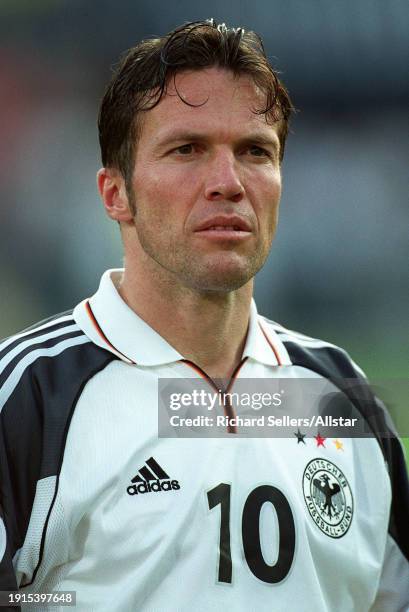
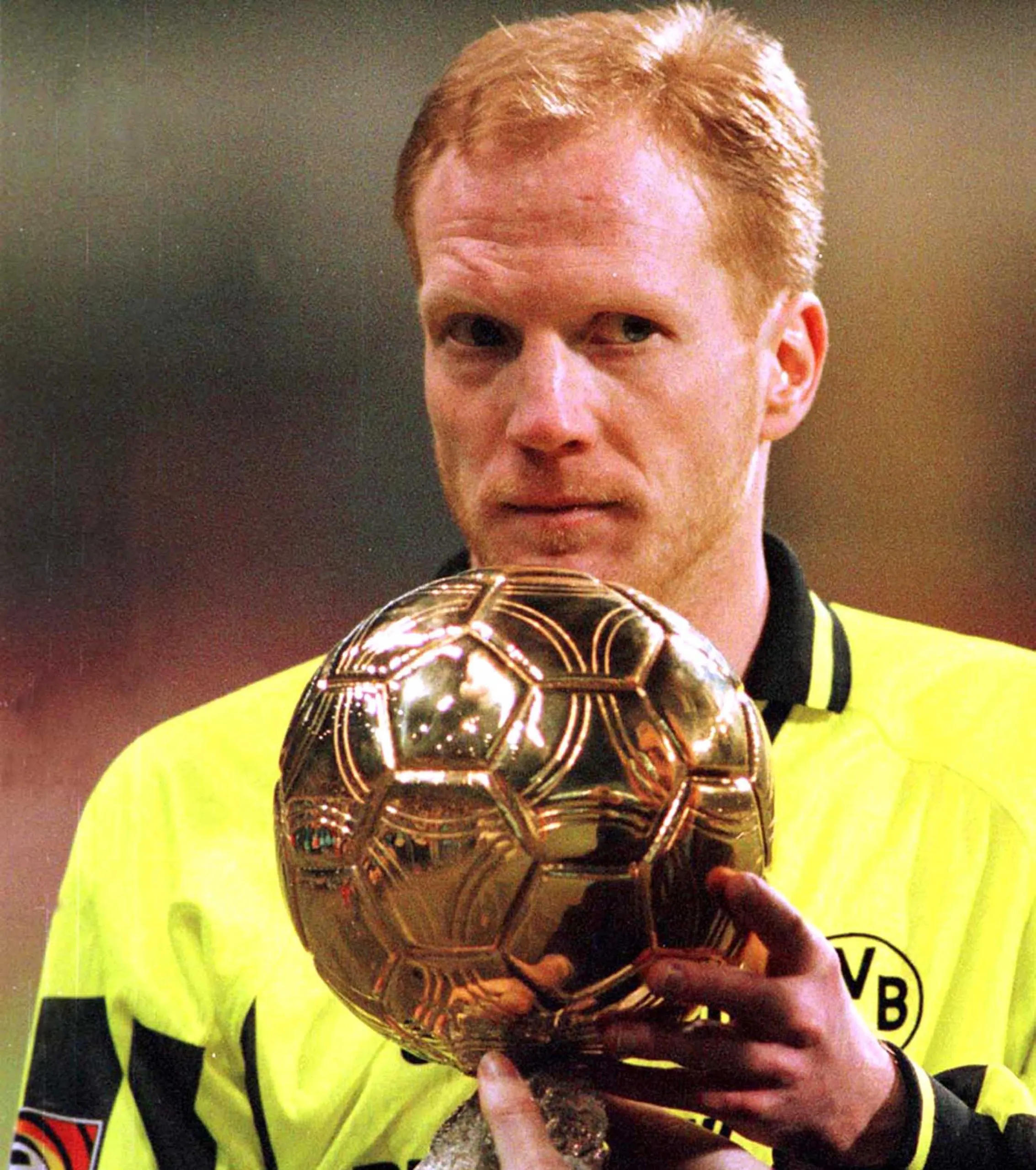
Join the community
fans discussing