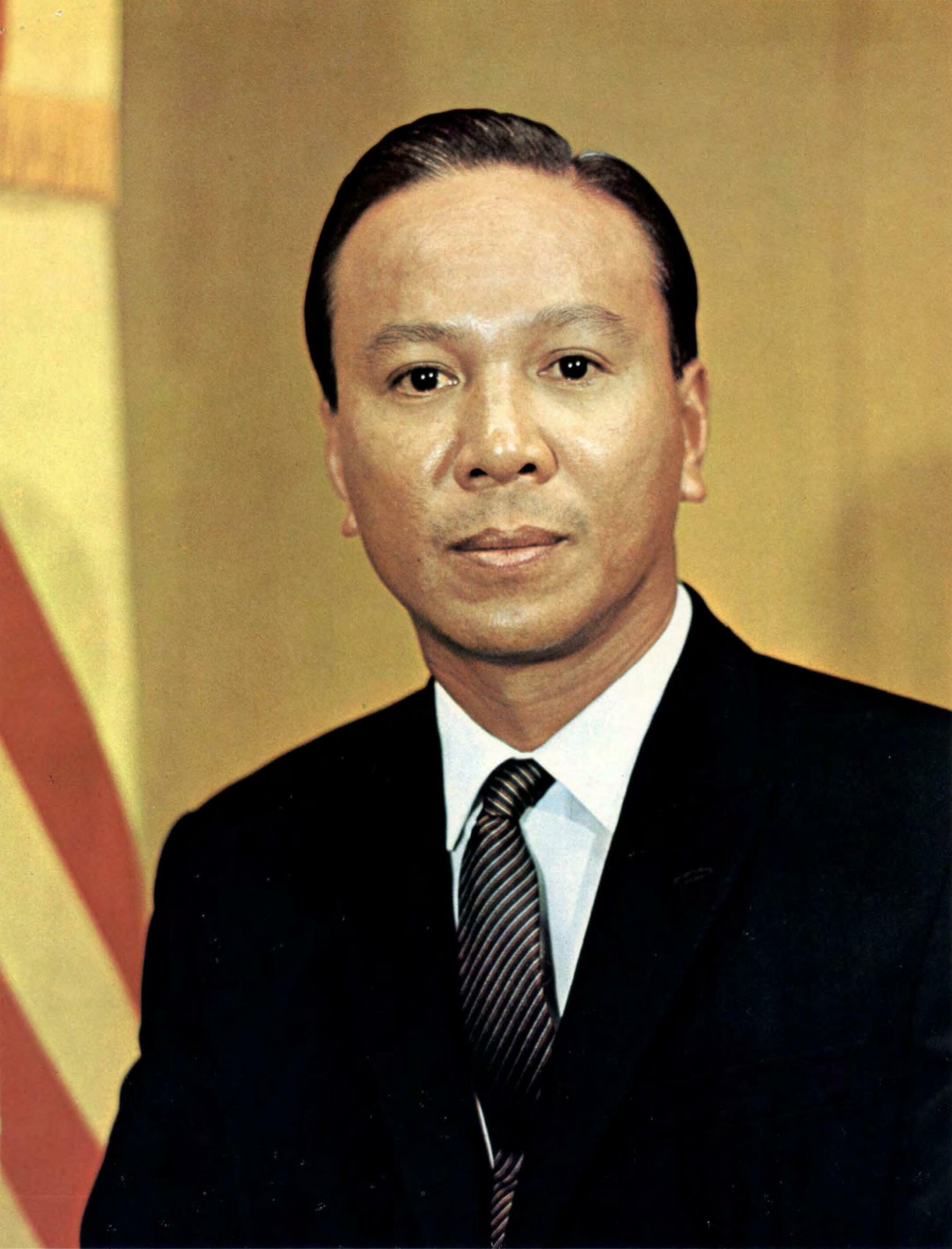
Thiệu Trị
 Vietnam
Also known as: Nguyễn Phúc Miên Tông, Nguyễn Phúc Tuyền
Birthday
June 16, 1807
Birth Sign
Gemini
Birthplace
Huế
Age
Died at 40
About
Thiệu Trị was the third emperor of Vietnam's Nguyễn dynasty, reigning from 1841 until his death in 1847. Born Nguyễn Phúc Miên Tông in Huế, he was the eldest son of Emperor Minh Mạng and inherited a realm that his father had consolidated through decades of administrative and military effort. His reign, though brief, is remembered for its architectural commissions and for navigating the early pressures of Western contact.
As emperor, Thiệu Trị focused on stability and continuity, upholding Confucian governance while managing the delicate balance of foreign relations. His most visible legacy lies in the imperial tombs of Huế: he commissioned the Hưng Lăng for his father and began his own Xương Lăng, both notable for blending Vietnamese and European design elements. He died suddenly on November 4, 1847, at around 40, with some accounts attributing his death to apoplexy.
Early Life & Background
Born on June 16, 1807, in the imperial capital of Huế, Nguyễn Phúc Miên Tông was the eldest son of Prince Nguyễn Phúc Đảm, who would later rule as Emperor Minh Mạng. Growing up within the confines of the Forbidden City, he received a rigorous Confucian education, studying classical texts, poetry, and governance under the tutelage of court scholars. His upbringing was steeped in the rituals and hierarchies of the imperial court, preparing him for the responsibilities of rule.
As a young prince, Miên Tông was known for his scholarly demeanor and his interest in literature and calligraphy, skills that were highly prized among the Nguyễn elite. He also developed a taste for architecture, a passion that would later influence his major projects. When Minh Mạng died in January 1841, Miên Tông, then in his early thirties, was chosen as his successor, a decision that followed the Confucian principle of primogeniture. He ascended the throne on February 14, 1841, taking the reign name Thiệu Trị, which means "inheritance of prosperity."
Career Growth
Thiệu Trị's reign, though lasting only six years, was marked by a determined effort to maintain the administrative and military structures his father had built. He continued the policy of centralizing authority, appointing trusted mandarins to key positions and reinforcing the tax and corvée systems that funded the state. His government also faced the growing presence of European powers, particularly the French and British, who sought trade concessions and missionary access. Thiệu Trị responded with a cautious policy of limited engagement, resisting foreign demands while avoiding open conflict.
His most enduring achievements were architectural. He commissioned the construction of the Hưng Lăng, the mausoleum for his father Minh Mạng, which was completed in 1843. This complex, with its blend of traditional Vietnamese and European neoclassical elements, is considered a masterpiece of Nguyễn dynasty architecture. He also initiated work on his own tomb, Xương Lăng, though it was finished only after his death by his son Tự Đức. These projects not only honored his predecessors but also showcased the dynasty's wealth and artistic sophistication.
Career Timeline
Public Image & Style
Thiệu Trị is remembered in Vietnamese history as a scholarly and relatively cautious ruler, overshadowed by the more forceful personalities of his father Minh Mạng and his son Tự Đức. Historical accounts depict him as a man of letters who preferred the quiet of his study to the bustle of the court. His reign is often seen as a period of consolidation rather than expansion, a time when the Nguyễn dynasty sought to preserve its strength against external pressures. Modern historians note his architectural patronage as his most visible contribution, with the tombs he commissioned becoming symbols of the dynasty's cultural achievements.
Fame & Fandom (iFAMOUS Rankings)
Thiệu Trị commands a unique place in Vietnamese historical memory, not as a modern pop icon with a dedicated fanbase, but as a revered scholar-emperor whose legacy endures through the preservation of his poetry and the architectural grandeur of his reign. Unlike contemporary celebrities who rely on social media engagement or viral campaigns, appreciation for Thiệu Trị is cultivated by historians, tourists visiting Huế, and cultural enthusiasts who value his role in compiling the dynasty's official records. There is no formal name for this audience; they are simply those who study the Nguyễn dynasty and cherish its literary heritage. His influence persists through the tangible artifacts he left behind, from the intricate tombs to the ceremonial robes that blended tradition with emerging global influences. In the broader landscape of historical figures, his prominence remains steady, reflecting a consistent interest in the nuances of 19th-century Southeast Asian governance. According to the iFANN Global Fame Rankings, Thiệu Trị holds a stable position among notable figures from his region. He is currently the 100th most famous person in Vietnam, a ranking that has held steady from the previous cycle. Furthermore, within the scope of national origin, he stands as the 63rd most famous person from Vietnam, maintaining his standing against other historical luminaries. These placements underscore his enduring relevance in the collective consciousness of the nation, where his contributions to culture and stability are still recognized today.
Interesting Facts and Legends
Thiệu Trị's reign name translates literally to 'inheritance of prosperity,' a direct nod to the foundation laid by his father, Emperor Minh Mạng. He was an accomplished poet and calligrapher, with several of his works surviving in court archives, earning him the title of a poet-emperor. Despite having over 200 concubines, he maintained a deeply close relationship with his primary empress, Từ Dụ, who became the mother of his successor. His tomb, Xương Lăng, is one of the few imperial structures in Huế that escaped looting during the Vietnam War, preserving its original architectural integrity. He also introduced a distinctive ceremonial robe that merged traditional Vietnamese tailoring with Western styles, signaling a subtle shift in the era's aesthetics. Beyond these facts, legends persist regarding his identity as a man of letters who preferred the quiet of his study over the bustle of court life, a trait that set him apart from his more forceful father. Another widely retold story involves his decision to purchase a large ship and mobilize a significant force westward, marking a bold moment in his foreign policy efforts. While the exact outcomes of this expedition remain subjects of historical analysis, it stands as a key narrative of his diplomatic ambitions. His death on November 4, 1847, at the age of 40, is commemorated annually by descendants and scholars, keeping the memory of his brief but impactful reign alive.
Family & Personal Life
Thiệu Trị was the eldest son of Emperor Minh Mạng and his first wife, Empress Tá Thiên Nhân. He had numerous spouses, including Empress Từ Dụ, who was his primary consort and the mother of his successor, Tự Đức. In total, he fathered 64 children, with 29 princes and 35 princesses, a testament to his large harem. Among his notable sons were Nguyễn Phúc Hồng Bảo, who was initially considered for succession, and Nguyễn Phúc Hồng Nhậm, who would become Emperor Tự Đức. His family life was deeply intertwined with court politics, as his children and consorts were central to the dynastic succession.
Notable Connections
Relationships & Dating History
Thiệu Trị was married to numerous women, reflecting the polygamous customs of the Vietnamese imperial court. His primary consort was Empress Từ Dụ, who held the highest rank among his wives and bore him his successor, Tự Đức. He also had several other wives, including Trương Thị Vĩnh, Nguyễn Thị Xuyên, and Trương Thị Thận, each of whom played roles in court life. His relationships were largely arranged for political and dynastic reasons, and he was married to these women at the time of his death.
- MarriedTừ Dụ? - 1847Primary empress and mother of his successor, Tự Đức.
- MarriedTrương Thị Vĩnh? - 1847One of his wives.
- MarriedNguyễn Thị Xuyên? - 1847One of his wives.
- MarriedTrương Thị Thận? - 1847One of his wives.
- MarriedĐinh Thị Hạnh? - 1847One of his wives.
- MarriedHoàng Thị Dĩnh? - 1847One of his wives.
- MarriedVõ Thị Viên? - 1847One of his wives.
- MarriedNguyễn Thị Yên? - 1847One of his wives.
- MarriedNguyễn Thị Huyên? - 1847One of his wives.
- MarriedNguyễn Thị Nhậm? - 1847One of his wives.
- MarriedPhan Thị Kháng? - 1847One of his wives.
Death & Aftermath
Died
November 4, 1847 (aged 40)
Death Place
Huế
Cause of Death
Natural causes associated with health decline
Emperor Thiệu Trị spent his final days within the quiet confines of the Imperial Palace in Huế, managing state affairs with the reserved piety that defined his six-year reign. On November 4, 1847, at the age of forty, he passed away inside the Imperial Citadel while still holding power, succeeded immediately by his son Nguyễn Phúc Hồng Nhậm, who ascended the throne as Emperor Tự Đức. Official court chronicles known as Châu bản do not record a specific medical cause or autopsy findings; historical tradition attributes his passing to natural causes and a general decline in health following the death of his father just six years prior.
The transition of power occurred without legal dispute or public investigation, adhering strictly to dynastic protocol rather than modern judicial inquiry. Court officials observed formal mourning protocols, issuing edicts and composing Confucian eulogies to honor the sovereign, while the imperial family managed the private rituals required for an emperor's departure. The late monarch was laid to rest in the Hương Phong Tomb complex in Thừa Thiên-Huế province, a site constructed according to traditional feng shui principles to serve as his final resting place. Thiệu Trị's legacy endures through the architectural commissions he initiated, including the completion of his father's mausoleum and the ongoing work on his own Xương Lăng, which stands today as part of the UNESCO World Heritage Complex of Huế Monuments.
Contemporary commemoration focuses on cultural preservation efforts, with the Hue Museum featuring exhibitions dedicated to his contributions to art and governance, and local communities observing the anniversary of his death through traditional ceremonies.
Net Worth (Estate Value)
N/A
iFANN Editorial Team estimate
As Thiệu Trị lived in the 19th century, no reliable estimates of his personal wealth or estate value exist. The Nguyễn dynasty's finances were state-controlled, and imperial assets were not separately recorded. After his death, his tomb and possessions became part of the dynastic heritage, but their monetary value is not documented. Per iFANN's editorial analysis, no net worth figure can be provided for this historical monarch.
Awards & Accolades
Known For
Emperor of the Nguyễn dynasty
1841-1847 · Ruler
Hưng Lăng tomb
1843 · Commissioner
Keywords
Sources
Quick Facts
- Profession
- monarch
- Born
- +1807-06-16
- Birthplace
- Huế
- Died
- +1847-11-04
- Death Place
- Huế
- Gender
- Male
- Spouse
- Từ Dụ, Trương Thị Vĩnh, Nguyễn Thị Xuyên, Trương Thị Thận, Đinh Thị Hạnh, Hoàng Thị Dĩnh, Võ Thị Viên, Nguyễn Thị Yên, Nguyễn Thị Huyên, Nguyễn Thị Nhậm, Phan Thị Kháng
- Birth Sign
- Gemini
Personal Details
- Full Name
- Nguyễn Phúc Miên Tông
- Spouse
- Từ Dụ, Trương Thị Vĩnh, Nguyễn Thị Xuyên, Trương Thị Thận, Đinh Thị Hạnh, Hoàng Thị Dĩnh, Võ Thị Viên, Nguyễn Thị Yên, Nguyễn Thị Huyên, Nguyễn Thị Nhậm, Phan Thị Kháng
- Children
- 64 children (29 princes, 35 princesses)
Frequently Asked Questions
Who was Thiệu Trị?
When was Thiệu Trị born and when did he die?
What were Thiệu Trị's major accomplishments?
Who were Thiệu Trị's parents?
How many children did Thiệu Trị have?
Similar People
Join the community
fans discussing