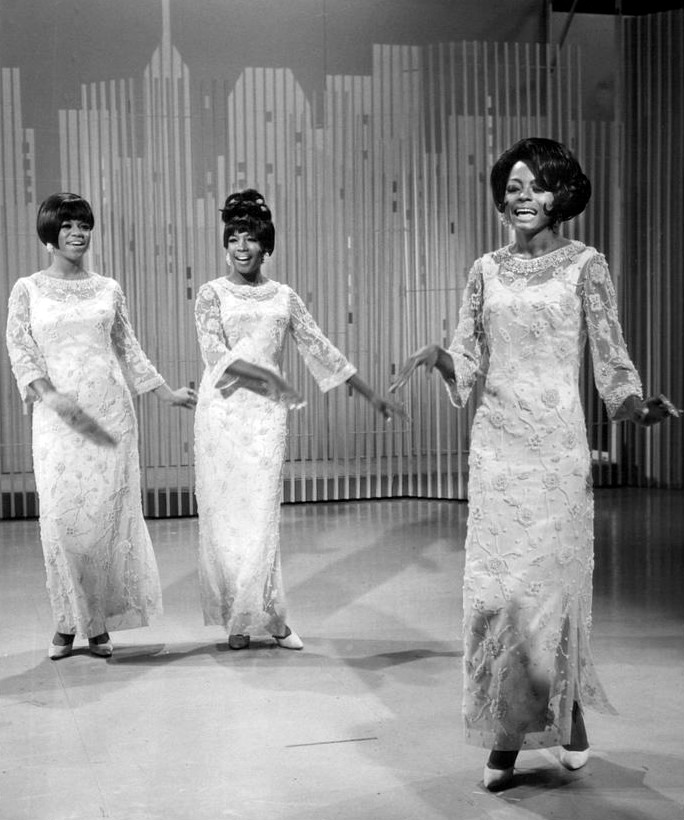
The Supremes
The definitive girl group of the Motown era
8
Members
About
The Supremes is an American vocal group that achieved immense success in the 1960s. They are famous for their string of number-one hits on the Billboard charts, including "Where Did Our Love Go," "Baby Love," and "Stop! In the Name of Love." Their 1966 album, The Supremes A Go-Go, was the first album by a girl group to top the Billboard 200. The Supremes sold over 100 million records worldwide and were inducted into the Rock and Roll Hall of Fame in 1994. Their legacy endures as the definitive Motown girl group.
Formation Story
The Supremes' journey began in Detroit in 1959, when Florence Ballard, Mary Wilson, Diana Ross, and Betty McGlown came together to form the Primettes. Ballard, who had already gained experience singing in local talent shows, initiated the group by recruiting Wilson and Ross from the Brewster-Douglass housing projects, while McGlown joined as a friend of Ballard's. Their ambition was to establish themselves as the female counterpart to the Primes, a male vocal group that would later achieve fame as the Temptations.
Determined to secure a recording contract, the Primettes frequently auditioned for Berry Gordy at Motown Records, often lingering around the studio in hopes of getting noticed. Their persistence paid off, and Gordy finally signed them to Motown in January 1961. A condition of their signing was a change of name; Ballard suggested "the Supremes," a name Gordy readily accepted. Following their signing, the group underwent comprehensive training within Motown's Artist Development department. This included intensive vocal coaching, rigorous choreography sessions led by Cholly Atkins, and etiquette lessons from Maxine Powell, all designed to mold them into polished performers.
During these formative years, the lineup saw some changes. Betty McGlown departed in 1960, and Barbara Martin briefly joined the group before also leaving in 1962. This solidified the classic trio of Florence Ballard, Mary Wilson, and Diana Ross. The newly christened Supremes made their official debut with Motown on March 1, 1961, releasing their first single, "I Want a Guy." Despite their dedicated efforts and a string of modest early singles, it wasn't until 1964 that the group achieved their major breakthrough with the hit "Where Did Our Love Go," marking the beginning of their extraordinary rise to stardom.
Members
Former Members
Musical Style
The Supremes began as a doo-wop group, with early singles like Buttered Popcorn showing raw harmonies and minimal instrumentation. Their sound transformed when they began working with the songwriting and production team Holland-Dozier-Holland in 1964. The HDH sound featured driving basslines, tambourine-heavy percussion, call-and-response vocals, and Diana Ross's light, clear lead. Arrangements grew more polished with strings and horns, as heard on You Can t Hurry Love and Reflections. After HDH left Motown in 1967, the group incorporated psychedelic soul and social commentary, most notably on Love Child. In the post-Ross era, lead Jean Terrell brought a grittier, funkier approach, with songs like Stoned Love and Nathan Jones emphasizing rhythm and blues. Later albums moved toward disco, but the group never regained its earlier commercial heights.
Discography
| Title | Year |
|---|---|
| Meet The Supremes | 1962 |
| Where Did Our Love Go | 1964 |
| More Hits by The Supremes | 1965 |
| I Hear a Symphony | 1966 |
| The Supremes A' Go-Go | 1966 |
| The Supremes Sing Holland–Dozier–Holland | 1967 |
| Reflections | 1968 |
| Love Child | 1968 |
| Let the Sunshine In | 1969 |
| Cream of the Crop | 1969 |
| Right On | 1970 |
| The Magic of the Supremes | 1971 |
| Touch | 1971 |
| Floy Joy | 1972 |
| The Supremes | 1975 |
| High Energy | 1976 |
| Mary, Scherrie & Susaye | 1976 |
Tours
Motortown Revue
1962
Motortown Revue
1963
Motortown Revue
1964
European Tour
1965
American Tour
1966
European Tour
1967
Diana Ross and the Supremes Tour
1968
Diana Ross and the Supremes Tour
1969
Farewell Tour
1970
Post-Ross Tours
1970
Cultural Impact
The Supremes broke racial barriers in the 1960s by becoming one of the first Black groups to achieve consistent mainstream pop success. Their appearances on The Ed Sullivan Show and other national television programs brought Motown into white American living rooms. They were the first R&B group to headline the Copacabana nightclub in New York, a venue previously reserved for white entertainers. Their glamorous image, with matching gowns and elaborate wigs, set a standard for girl group aesthetics that influenced generations. The group's success helped pave the way for other Black artists to cross over into pop radio. In 2017, Billboard ranked them the number one girl group of all time. Their music has been covered and sampled by countless artists, and their story has been told in films, documentaries, and stage productions.
Fandom Culture
The Supremes did not have an official fandom name, as the concept of named fanbases was not widespread in the 1960s. Their fans were simply called Supremes fans or Motown fans. Enthusiasts often collected records, attended concerts, and followed the group's television appearances. In later decades, fan clubs operated through mail and newsletters. Today, fan pages on social media and YouTube channels keep their legacy alive, with tribute acts and anniversary celebrations. The group's official YouTube channel has over 100 million total views. No official lightstick or fan color was ever designated.
Awards Won (4)
Best Rhythm & Blues Vocal Performance by a Duo or Group
for: Someday We'll Be Together
Best Rhythm & Blues Group Performance
for: Love Child
Milestones
First number-one single 'Where Did Our Love Go'
Headlined the Copacabana nightclub, first R&B group to do so
Album 'The Supremes A' Go-Go' becomes first by a girl group to top the Billboard 200
Renamed Diana Ross and the Supremes
Diana Ross departs for solo career
Group disbands
Inducted into the Rock and Roll Hall of Fame
Trivia
Florence Ballard originally came up with the name the Supremes. The group's first single I Want a Guy sold only a few thousand copies. Diana Ross was not the original lead singer; Ballard sang lead on early recordings. The Supremes were the first Motown act to have a number-one album on the Billboard 200 with The Supremes A Go-Go. In 1965, the group had five number-one singles in a single calendar year, a record for a female group. Mary Wilson was the only member to stay with the group from its founding until its disbandment in 1977.
Keywords
Sources
Quick Facts
- Formed
- +1959-01-01
- Origin
- Detroit
- Label
- Motown, Lu Pine Records
- Genres
- doo-wop, rhythm and blues, soul, pop music, disco
- Members
- 10
- Disbanded
- +1977
Group Info
- Formed
- +1959-01-01
- Debut
- 1961-03-01
- Debut Song
- I Want a Guy
- Origin
- Detroit
- Company
- Motown Records
- Label
- Motown, Lu Pine Records
- Status
- Disbanded (+1977)
Social Media
Also Known As
Join the community
fans discussing