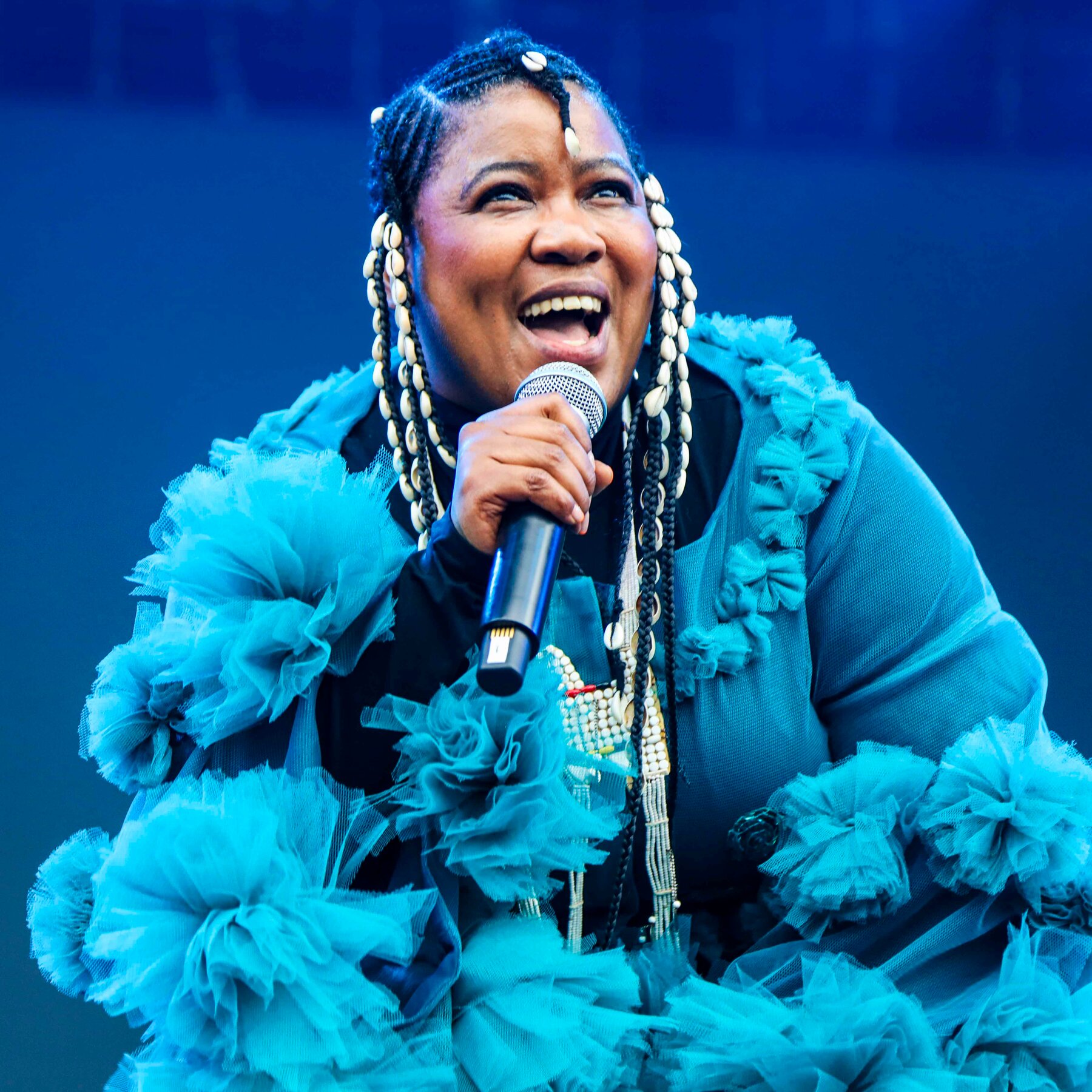
Thandiswa Mazwai
 South Africa
Member of Bongo Maffin
Also known as: King Tha, Thandiswa Nyameka Mazwai
Birthday
March 31, 1976
Birth Sign
Aries
Birthplace
Transkei, South Africa
Age
50 years old
About
Thandiswa Mazwai is a South African singer-songwriter whose voice has carried the stories of her people for nearly three decades. Born on 31 March 1976 in the rural homeland of Transkei, she rose to prominence as the lead vocalist of the influential group Bongo Maffin, which fused dancehall, reggae, and traditional African rhythms. Known to fans as King Tha, she has built a solo career that blends Xhosa traditions with jazz, soul, and contemporary sounds, earning her a reputation as one of the most politically engaged artists on the continent.
Her solo debut, Zabalaza (2004), went double platinum and won the Metro FM Music Award for Best Female Artist. The follow-up, Ibokwe (2009), achieved gold status within weeks of release. In 2024, Sankofa, recorded across Johannesburg, Dakar, and New York, won four South African Music Awards. As of 2026, she continues to tour, release new music, and curate her own Sankofa Heritage Festival, maintaining a devoted following across generations.
Early Life & Background
Thandiswa Mazwai grew up in Soweto during the 1980s, a decade defined by intense anti-apartheid activism and political upheaval. Her mother died the day after giving birth to her sister, a tragedy that shaped her childhood and worldview. She found refuge in writing, a practice she has described as a coping mechanism during difficult periods. Her father was a journalist and her mother a teacher, grounding her in a household that valued education and political awareness.
Her upbringing exposed her to the township's rich musical traditions, including mbaqanga, kwaito, and protest music. Her rural Transkei roots and urban Soweto life gave her a dual perspective that would become central to her artistic identity. In 1996, she began her career with two groups simultaneously: Jack Knife and Bongo Maffin. The latter became her breakthrough, but the early years were marked by the discipline of live performance and the rapid evolution of South Africa's post-apartheid music scene.
Career Growth
Bongo Maffin became one of the most influential acts of the post-apartheid era, achieving commercial success across Africa. Mazwai's solo debut, Zabalaza (2004), went double platinum and won her a Metro FM Music Award for Best Female Artist. Her 2009 album, Ibokwe, achieved gold status within weeks and drew critical praise for its exploration of African spirituality.
In 2016, she released Belede, reimagining jazz and protest anthems from the 1950s and 1960s. Her 2024 album, Sankofa, recorded in Johannesburg, Dakar, and New York with producers Meshell Ndegeocello, Chris Bruce, and Nduduzo Makhathini, won four South African Music Awards in December 2025. In February 2026, she performed on NPR's Tiny Desk Radio and launched the Sankofa Heritage Festival. That August, she and Simphiwe Dana were named recipients of the Gallo Renaissance Award at the Basadi in Music Awards.
Career Timeline
Public Image & Style
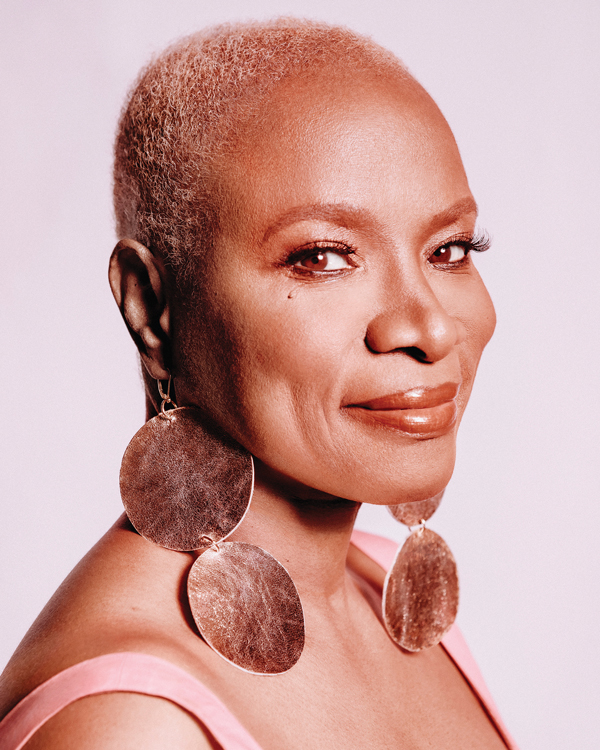
Mazwai's public image is defined by her identity as a politically engaged, culturally rooted artist. She positions herself as a rebel singer and a custodian of South African musical heritage. Her aesthetic combines traditional African elements with contemporary presentation, and her music videos often incorporate visual references to African spirituality. The Mail & Guardian described her as still speaking for future generations. Her social media voice is confident and declarative, consistent with her King Tha persona. Her fandom spans generations, from Bongo Maffin followers to younger listeners discovering her on streaming platforms.
Fame & Fandom (iFAMOUS Rankings)
Thandiswa Mazwai commands the stage with a voice that has carried the stories of her people for nearly three decades, evolving from a Kwaito pioneer into a global cultural icon. Her influence transcends borders, anchoring her firmly within the pantheon of African music legends. According to the iFANN Global Fame Rankings, she is currently the 92nd most famous person in Afrobeats. This placement reflects a career built on blending Xhosa traditions with jazz and soul while maintaining a fiercely political edge. Her audience, though lacking a formalized moniker, connects through a shared reverence for her role as a custodian of heritage and a rebel singer who speaks for future generations. The relationship between artist and fan is defined not by organized campaigns or ritualistic gatherings, but by deep generational resonance. Fans view her as the 'Voice of Mzansi,' a title earned through decades of articulating the socio-political highs and lows of South Africa since the transition to democracy. While specific fan-funded projects remain undocumented, the collective memory of her live performances and her ability to tackle trauma on stage creates an enduring bond. She stands alongside giants like PJ Powers and Simphiwe Dana, recognized by critics as an artist whose work shaped the nation's landscape. Her presence at events like the Sankofa Heritage Festival reinforces her status as a headlining figure whose legacy is written in the very fabric of modern South African culture.
Interesting Facts and Legends
Thandiswa Mazwai's nickname is King Tha, a moniker reflecting her commanding stage presence. She describes herself as a South African rebel singer. Her 2016 album Belede was a collection of reimagined protest anthems from the 1950s and 1960s. Sankofa was recorded across three cities on two continents. She began her career in 1996 with two groups simultaneously: Jack Knife and Bongo Maffin. Her Spotify artist profile had 109,000 monthly listeners in 2026. A central pillar of her mythology involves her complex family dynamics; she had a child with fellow Bongo Maffin member Stoan Seate, a relationship that later influenced the band's narrative. In October 2024, she revealed this history played a role in derailing a reunion, disclosing she had stopped dating men after their time together. Another notable moment occurred in July 2022 when news broke that she allegedly quit Bongo Maffin hours before a performance, causing a sudden disruption. Despite these tensions, the group staged a stunning revival in 2018, with Seate confirming they were in a good space again. These stories of resilience and independence have become folklore, retold by fans to illustrate her evolution from a young Kwaito pioneer to a solo artist who tackles trauma and social issues with unflinching honesty.
Notable Quotes
“I'm in the process of making and creating culture. I'm in the process of archiving, of preserving, of inventing.”
“She is the leader of the past which is now the future.”
Family & Personal Life
Mazwai's mother died the day after giving birth to her sister, a tragedy that shaped her childhood. Her father was a journalist and her mother a teacher. She has a sister, though her name is not publicly documented. She is part of the Mazwai family, which has produced several notable figures in South African media and culture. As of 2026, she has not publicly shared details about her own household or children.
Notable Connections
Mazwai has collaborated with several notable artists, including Meshell Ndegeocello, who produced tracks on Sankofa, and South African jazz musician Nduduzo Makhathini. She is frequently mentioned alongside Simphiwe Dana as leading voices in contemporary South African music, and the two received the Gallo Renaissance Award together in 2026. She has also appeared with Hotstix Sipho Mabuse at cultural events.
Relationships & Dating History
Thandiswa Mazwai has maintained significant privacy regarding her romantic life. No confirmed public relationships, marriages, or partnerships have been documented in available sources. She has not publicly discussed her dating history or current status. As of 2026, her relationship status remains unknown, as she has not confirmed being married, engaged, or in a publicly documented relationship. Her public focus remains on her music, activism, and cultural work.
Salary, Net Worth In 2026
$5 Million
iFANN Editorial Team estimate
iFANN currently estimates Thandiswa Mazwai's net worth at $5 million. Her primary income sources include album sales and streaming royalties from her solo work and Bongo Maffin catalog, live performances, and festival appearances. Her double platinum debut Zabalaza and gold-certified Ibokwe generated significant revenue in the South African market. As founder and curator of the Sankofa Heritage Festival, she has added a new revenue stream. Merchandise sales through her official website also contribute. Her sustained relevance in the streaming era is reflected in her 109,000 monthly Spotify listeners, which supports ongoing royalty income. While specific figures for her earnings are not publicly documented, her long career and continued activity suggest a stable financial position.
Awards Won (26)
Thandiswa Mazwai has won several major awards, including the Metro FM Music Award for Best Female Artist in 2004. Her album Sankofa won four South African Music Awards in 2025. In 2026, she received the Gallo Renaissance Award at the Basadi in Music Awards, shared with Simphiwe Dana.
2026 · Lifetime Achievement
Career contribution
2025 · Multiple categories
Sankofa
Known For
Bongo Maffin
1996 · Lead vocalist
Zabalaza
2004 · Solo album
Ibokwe
2009 · Solo album
Belede
2016 · Solo album
Sankofa
2024 · Solo album
Keywords
Sources
Quick Facts
- Profession
- Singer, Songwriter
- Born
- March 31, 1976
- Birthplace
- Transkei, South Africa
- Gender
- Female
- Birth Sign
- Aries
- Group
- Bongo Maffin
Personal Details
- Full Name
- Thandiswa Nyameka Mazwai
Frequently Asked Questions
How old is Thandiswa Mazwai?
What is Thandiswa Mazwai's net worth in 2026?
Is Thandiswa Mazwai married?
What does 'Sankofa' mean in Thandiswa Mazwai's album title?
Why is Thandiswa Mazwai famous?
Join the community
fans discussing