 United States
About
In 1991, DeVante Swing of Jodeci set out to build his own creative empire. He started scouting raw talent in Norfolk, Virginia, and New York City, holding informal auditions at local shows and through word of mouth. What he assembled became Swing Mob, a collective where young artists lived together in a Virginia Beach house, writing and producing music around the clock under DeVante's exacting mentorship.
The first official release came in 1993 with Sista's single Where My Girls At?, featuring a teenage Missy Elliott. That track put the collective on the map, and Sista's self-titled album dropped in 1994. But the real action was happening behind the scenes. Timbaland was developing his signature stuttering drum patterns, Missy was sharpening her witty, rapid-fire rhymes, and Ginuwine was transitioning from a backup dancer for Jodeci into a lead vocalist.
By 1996, members started breaking out on their own. Ginuwine's debut Ginuwine...the Bachelor arrived that year, powered by the smash Pony. Missy's Supa Dupa Fly followed in 1997, and Timbaland & Magoo's Welcome to Our World hit shelves the same year. Playa's Cheers 2 U came in 1998, by which point the collective had effectively dissolved as each artist pursued solo careers. Though Swing Mob only existed for about seven years, its alumni have collectively sold over 100 million records and won more than 20 Grammy Awards.
Formation Story
DeVante Swing first encountered Missy Elliott and Timbaland as teenagers in Virginia. Impressed by their raw talent, he invited them to join his collective, which was taking shape in a rented house in Virginia Beach. The living situation was intense: members slept on floors, ate together, and spent every waking hour in the studio. DeVante acted as a strict mentor, demanding perfection and pushing everyone to develop their own style.
Ginuwine joined after catching DeVante's eye while dancing for Jodeci. Static Major and his group Playa were brought in from Norfolk. The collective operated on a simple philosophy: if you could sing, rap, or produce, you had a place. There were no formal contracts, just a shared drive to make music. DeVante financed everything out of his own pocket, and Elektra Records provided a distribution deal through his Swing Mob imprint. The first fruit of that partnership was Sista's 1993 single, which introduced the world to Missy Elliott's voice.
Members
DeVante Swing
Donald DeGrate Jr.
Founder
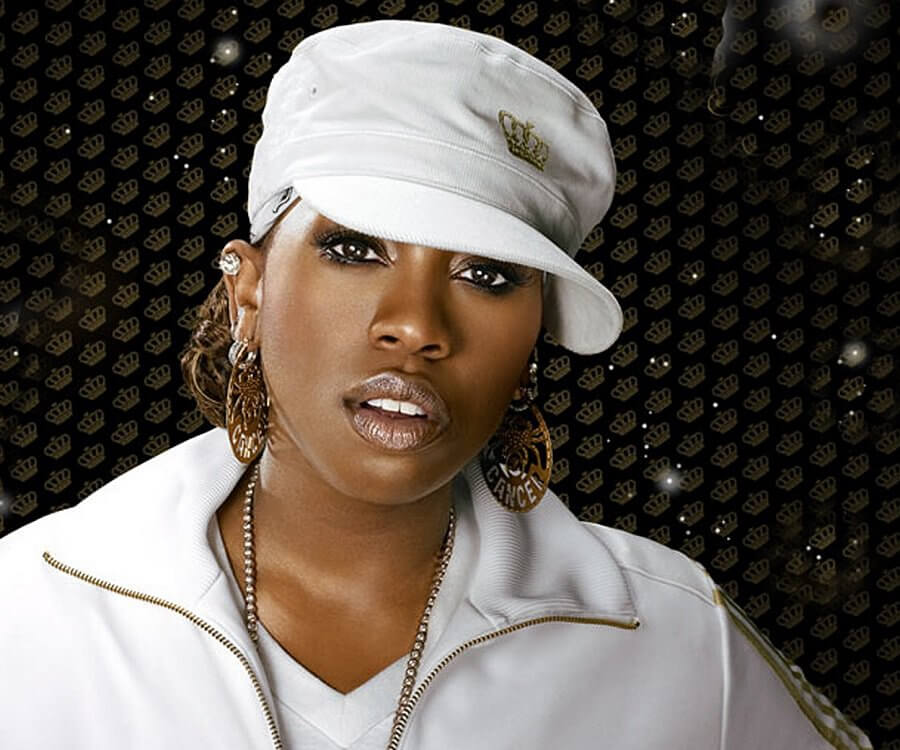
Missy Elliott
Melissa Arnette Elliott
Member
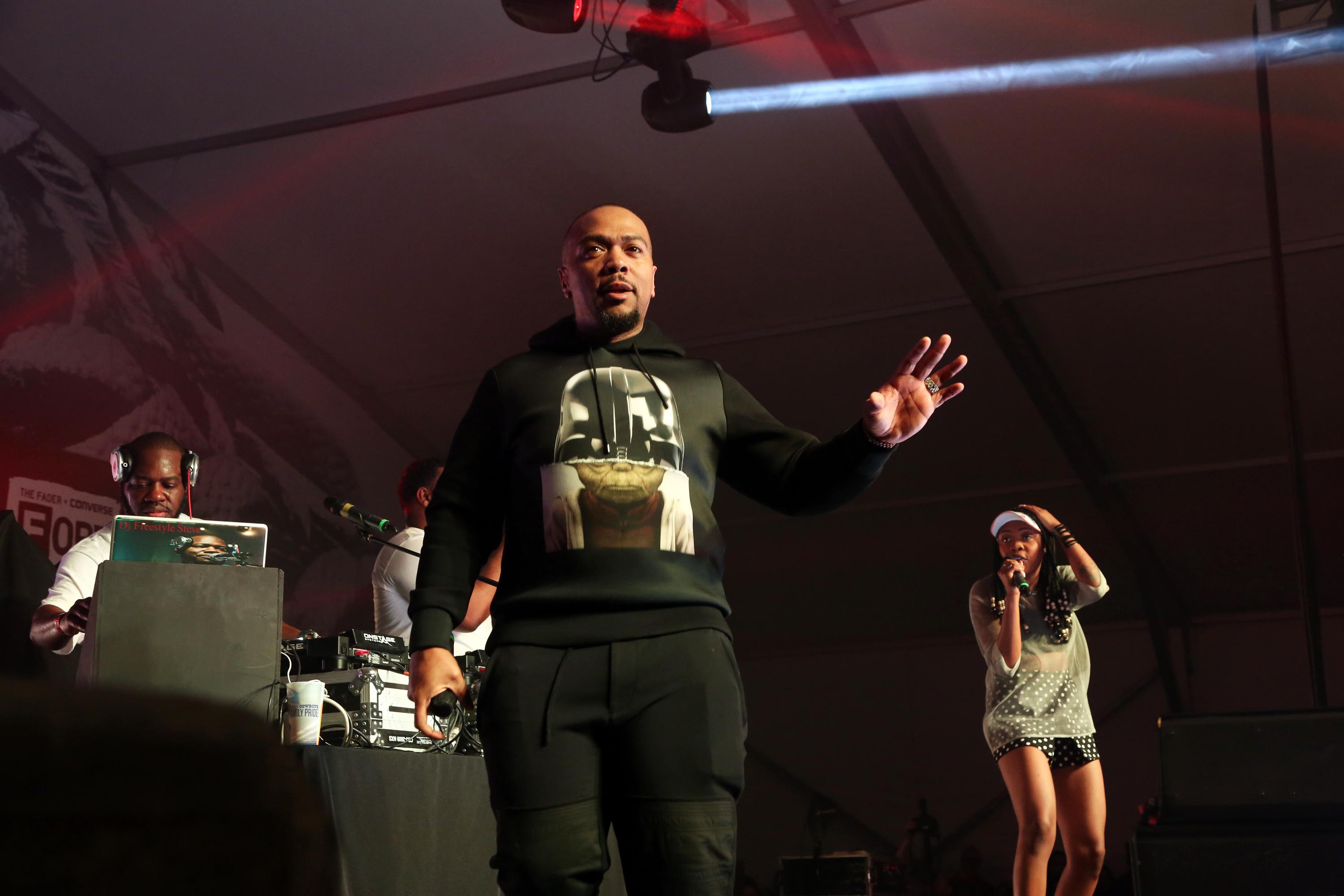
Timbaland
Timothy Zachery Mosley
Member
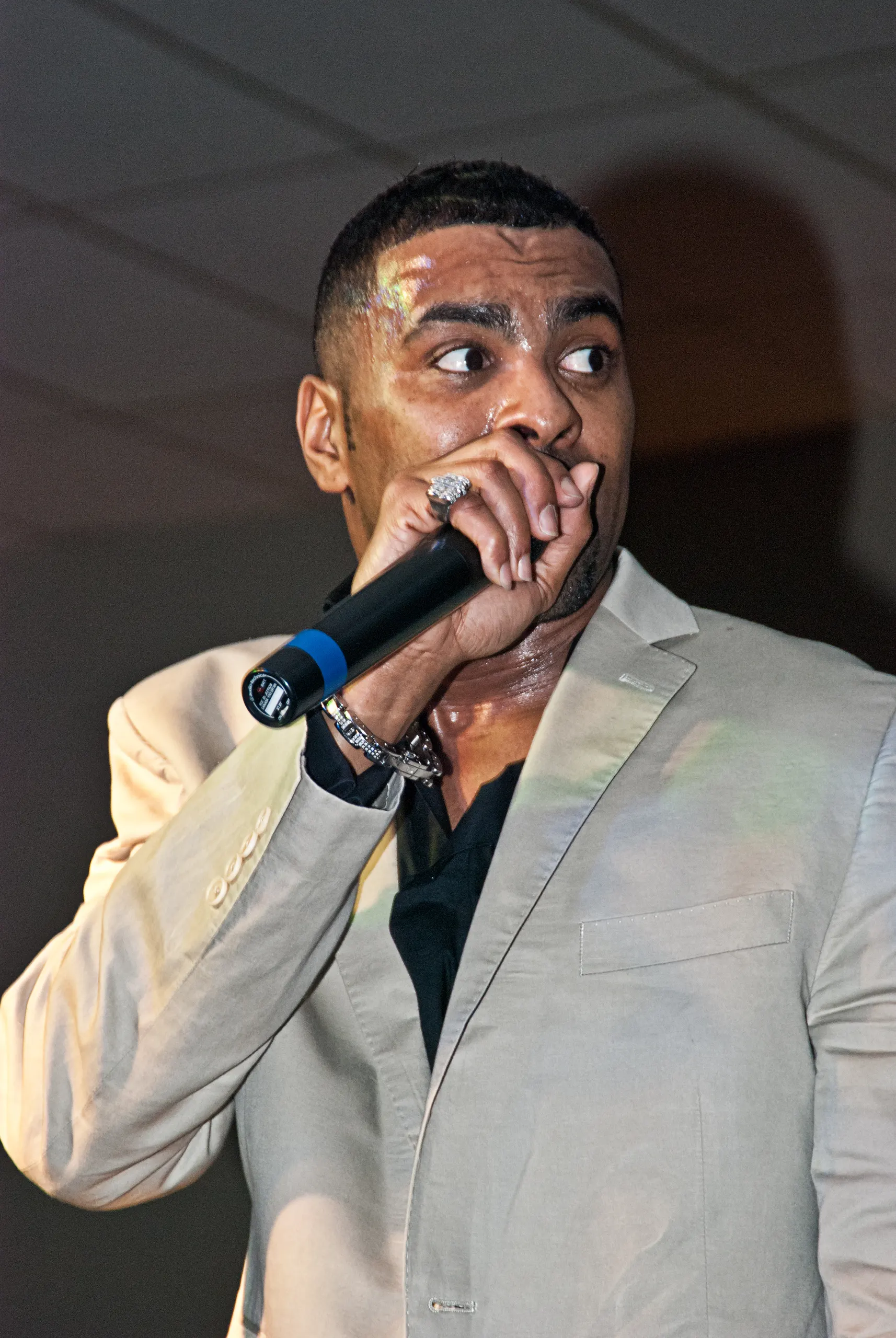
Ginuwine
Elgin Baylor Lumpkin
Member
Static Major
Stephen Garrett
Member of Playa
Tweet
Charlene Keys
Member of Sugah
Magoo
Melvin Barcliff
Member
Former Members
Stevie J (Steven Aaron Jordan)
Producer · 1991-1995
Darryl Pearson (Darryl Pearson)
Vocalist, Producer · 1991-1995
Mike Jackson (Michael Jackson)
Dancer · 1991-1994
Majik (Markel Allen)
Rapper, Producer · 1991-1995
Bazaar Royale (Royale James)
Rapper · 1993-1995
Chad Elliott (Chad Elliott)
Rapper, Producer · 1991-1995
Sub-Units
Sista (1991)
Missy ElliottLa'Shawn Mocha LaneChonita Nita ColemanMichelle Mia Jones
Playa (1992)
Static MajorSmokeyDigital Black
Sugah (1993)
TweetNikki GrierSonya Black
Timbaland & Magoo (1995)
TimbalandMagoo
Musical Style
Swing Mob's early sound was rooted in New Jack Swing, blending Jodeci's harmonies with hip-hop beats. Sista's album leaned into conventional R&B with upbeat dance tracks and ballads. But as Timbaland and Missy gained confidence in the studio, the music started shifting. Timbaland began experimenting with off-kilter rhythms, using stuttering snares and syncopated basslines that felt futuristic. Missy's lyrics grew more playful and inventive, mixing streetwise swagger with surreal imagery.
By the time Ginuwine recorded Pony in 1996, the signature Swing Mob sound had emerged: minimalist, groove-heavy production with a hypnotic quality. That track's sparse arrangement, built around a simple synth riff and a booming kick drum, became a blueprint for late-1990s R&B. Lyrically, the collective favored themes of love, desire, and partying, but Missy's verses often added a layer of wit and social commentary. The production approach was collaborative, with everyone contributing ideas in the studio, and that chemistry produced a sound that felt both cohesive and innovative.
Discography
| Title | Year |
|---|---|
| Sista | 1994 |
| Ginuwine...the Bachelor | 1996 |
| Supa Dupa Fly | 1997 |
| Welcome to Our World | 1997 |
| Cheers 2 U | 1998 |
Cultural Impact
Swing Mob's greatest impact was as an incubator. The collective launched careers that reshaped popular music. Missy Elliott became the first female rapper inducted into the Songwriters Hall of Fame, while Timbaland's production defined the sound of the late 1990s and 2000s, working with Aaliyah, Justin Timberlake, and Beyoncé. Ginuwine's Pony became one of the most sampled R&B songs in history, appearing in countless films and commercials.
Beyond music, the collective influenced fashion and video aesthetics. Missy's inflatable suit in the The Rain (Supa Dupa Fly) video became an iconic image, and her bold, oversized style challenged gender norms in hip-hop. Timbaland's production techniques, especially his use of digital editing and unconventional sounds, pushed the boundaries of what R&B could be. The collective's alumni also broke barriers: Missy performed at the White House in 2016 and received a BET Humanitarian Award in 2019. Though Swing Mob itself was short-lived, its DNA is woven into the fabric of modern pop.
Fandom Culture
Swing Mob never had an official fandom name, lightstick, or fan color. Fans of the collective's members formed separate communities: Missy Elliott's fans call themselves Mobsters, while Ginuwine's fanbase is known as the Ginuwine Army. There are no organized fan projects or traditions tied to the collective itself. Instead, the fandom is diffuse, spread across the individual artists' followings. What unites them is a shared appreciation for the creative spark that happened when these artists worked together in that Virginia Beach house.
Awards & Accolades
View 12 records, honours and achievementsMilestones
Swing Mob formed by DeVante Swing
First official release: Sista's single Where My Girls At?
Sista's debut album released
Ginuwine's debut album launched his solo career
Missy Elliott's debut album and Timbaland & Magoo's debut album released
Playa's album released; collective effectively dissolved
Trivia
Members of Swing Mob lived together in a Virginia Beach house where they wrote and produced music 24/7. Missy Elliott and Timbaland first met as teenagers in Virginia before being brought into the collective by DeVante. Ginuwine originally worked as a backup dancer for Jodeci before DeVante signed him as a singer. Static Major co-wrote Aaliyah's hit Try Again but died tragically in 2008 from complications during a medical procedure. The collective's name came from DeVante Swing's nickname and the idea of a 'mob' of talented artists.
Keywords
Quick Facts
- Status
- Disbanded
- Years Active
- 1991–1998
- Notable Alumni
- Missy Elliott, Timbaland, Ginuwine, Static Major, Tweet
Group Info
- Formed
- 1991
- Debut
- 1993
- Debut Song
- Where My Girls At?
- Origin
- Norfolk, Virginia, USA
- Company
- Swing Mob Productions
- Label
- Elektra Records
- Status
- Disbanded (1998)
Also Known As
Join the community
fans discussing