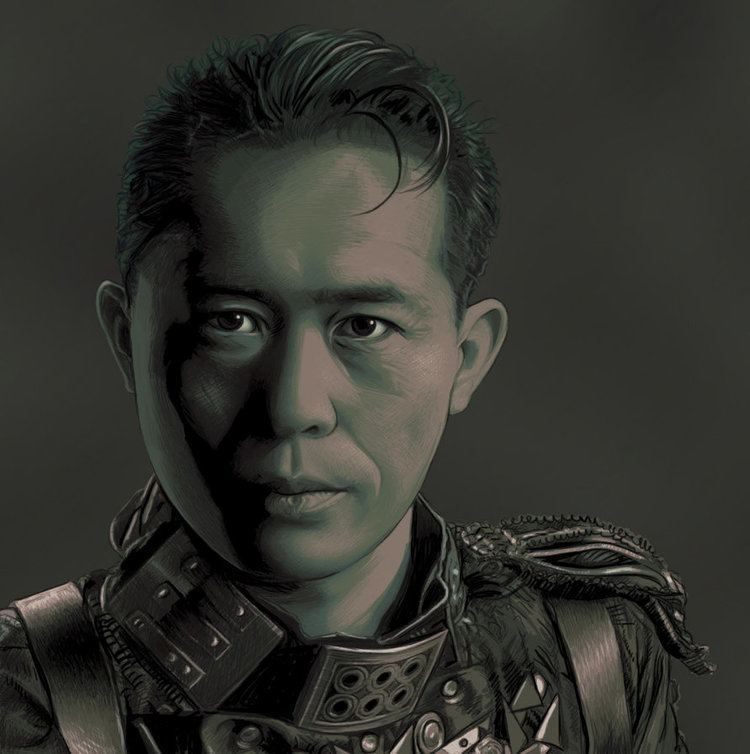
Susumu Hirasawa
 Japan
JapanMember of MANDRAKE
singer-songwriter•record producer•music arranger
Also known as: 平沢進, P-Model Frontman, KAKU-P-MODEL Leader
Birthday
April 2, 1954
Birth Sign
Aries
Birthplace
Katsushika, Tokyo, Japan
Age
72 years old
Height
5 ft 7 in (170 cm)
About
Susumu Hirasawa is a Japanese musician, composer, and sound engineer who has shaped the landscape of electronic rock since the late 1970s. Born in Katsushika, Tokyo, he initially rose to prominence as the frontman of the influential band P-Model before transitioning into a highly acclaimed solo career. His work is characterized by a unique fusion of synthesizers, industrial textures, and melodic rock that defies simple categorization.
Today, Hirasawa remains an active force in the industry, known for his meticulous production techniques and philosophical lyrics. He continues to release new material under his own name and with the reactivated group KAKU-P-MODEL, maintaining a distinct artistic voice that bridges the gap between experimental electronics and accessible songwriting.
Early Life & Background
Susumu Hirasawa was born on April 2, 1954, in Katsushika, Tokyo, during a period of rapid post-war cultural shift in Japan. From a young age, he displayed an intense fascination with both literature and technology, interests that would later define his musical approach. He enrolled at Waseda University to study literature but found himself increasingly drawn to the underground music scene. Before completing his degree, he made the decisive choice to drop out and pursue music full-time, a move that set him apart from many of his contemporaries who stayed within academic or corporate structures.
His early years were spent immersed in the punk and progressive rock movements of the late 1960s and early 1970s. In 1973, he formed his first band, Kouki, which served as a laboratory for his developing ideas about sound and structure. The group eventually evolved into P-Model in 1979, marking the beginning of his professional career. During this pre-fame era, Hirasawa taught himself to operate synthesizers and drum machines, becoming one of the earliest adopters of electronic instrumentation in the Japanese rock scene. This self-taught proficiency allowed him to craft a sonic signature that blended raw punk energy with futuristic electronic textures, laying the groundwork for his future innovations.
Career Growth
The formation of P-Model in 1979 marked Hirasawa's entry into the mainstream, releasing their debut album In a Model Room shortly after. By 1984, the band shifted its focus toward electronic music with the release of Another Game, establishing Hirasawa as a pioneer of Japanese techno-pop. Although he temporarily disbanded P-Model in 1986 to launch his solo career, his influence continued to grow through a series of critically acclaimed albums that explored complex themes of technology and human emotion.
A pivotal moment in his career arrived in 1997 when he composed the soundtrack for Satoshi Kon's film Perfect Blue. The score, noted for its use of dissonant synths to mirror psychological breakdown, cemented his reputation as a master of atmospheric scoring. This success led to further collaborations with Kon, including the soundtracks for Millennium Actress and Tokyo Godfathers. Simultaneously, Hirasawa became synonymous with the Berserk franchise, creating iconic theme songs like "Forces" and "Reborn" that remain staples of anime history.
In recent years, Hirasawa has continued to evolve, reactivating P-Model under the name KAKU-P-MODEL in 2012 to focus on digital distribution and live performance. In July 2025, he released the album unZIP, his first studio album in seven years, signaling a renewed creative vigor. As of 2026, he is confirmed to be working on a theme song for Satoshi Kon's unfinished project OPUS, continuing a decades-long partnership with the director's estate.
Career Timeline
Public Image & Style
Visually, Hirasawa projects an intellectual and somewhat robotic persona, often appearing in dark clothing and glasses that align with his technological themes. Media descriptions frequently label him as a visionary or eccentric genius, citing his refusal to compromise his artistic vision for commercial trends. His style is minimalist yet precise, mirroring the intricate nature of his music. Publicly, he is respected for his integrity and his ability to navigate the shifting tides of the music industry without losing his identity.
Fame & Fandom (iFAMOUS Rankings)
iFANN has not yet collected fame data for Susumu Hirasawa, so no ranking position is available in the Global Fame Rankings. Regarding the iFAMOUS platform, he is not featured on the September 2026 iFAMOUS Rankings flagship list. While formal rankings are absent, his cultural impact is undeniable among fans of Japanese electronic music and anime. The fanbase, sometimes referred to as the "Hirasawa Army," is known for deep analysis of his complex lyrics and sci-fi concepts. These fans have organized campaigns to push for vinyl reissues of his 1990s albums and gather at concerts to perform choreographed movements during key tracks. Hirasawa interacts sparingly with this community, primarily through his official website, which fuels ongoing speculation and dedication.
Interesting Facts and Legends
Susumu Hirasawa often refers to himself not as a musician but as a "sound engineer who happens to make music," reflecting his technical approach to composition. He is known for using custom-built synthesizers in his live performances, preferring hardware over software to achieve specific sonic textures. Despite his massive influence on the anime industry, he maintains a relatively low-key personal life in Tokyo, rarely engaging in celebrity culture outside of his work.
Fans often analyze his lyrics for hidden sci-fi concepts and philosophical questions, leading to a dedicated community that decodes his cryptic references. One notable legend involves his live shows, where he utilizes custom-built lighting and projection systems to create an immersive "total art" experience that transforms concerts into visual spectacles. Additionally, his music has been licensed for major video games like Metal Gear Solid and Devil May Cry, introducing his sound to global gaming audiences.
Notable Quotes
“I am not a musician; I am a sound engineer who happens to make music.”
“Technology is just a tool. The real magic is in the human emotion behind the sound.”
“I want to create a world where the listener can find their own meaning in the music.”
Family & Personal Life
Hirasawa keeps his family life strictly private, with no public records of marriages, engagements, or children. He has never discussed romantic partners or domestic details in interviews, maintaining a clear boundary between his public persona and private existence. While he grew up in a household that encouraged his artistic pursuits, he rarely speaks about his parents or siblings in the media. His current residence remains undisclosed, though he is known to spend significant time in Tokyo working in his studio.
Notable Connections
Satoshi Kon, Kentaro Miura, Yasutaka Nakata, Kiyoshiro Imawano
Relationships & Dating History
Susumu Hirasawa is notoriously private regarding his personal relationships. There are no public records of marriages, engagements, or publicly acknowledged romantic partnerships throughout his decades-long career. Unlike many Western celebrities, he has never discussed dating history or partners in interviews or on social media. He maintains a strict boundary between his public persona and private life, focusing entirely on his music and creative projects. As of 2026, he is considered single and unmarried, with no known children. His lack of public relationship news has become part of his mystique, with fans speculating about his personal life based on the emotional depth of his lyrics.
Salary, Net Worth In 2026
$8 Million
iFANN Editorial Team estimate
The iFANN Editorial Team estimates Susumu Hirasawa's net worth at approximately $8 million as of 2026. This figure reflects his long-standing career earnings from album sales, streaming royalties, and licensing deals rather than a single massive windfall. A significant portion of his wealth comes from the enduring popularity of his Berserk themes and his extensive discography, which generates steady revenue across digital platforms.
Hirasawa also benefits from heavy licensing of his music for video games such as Metal Gear Solid and Devil May Cry, as well as anime and film adaptations. Unlike many artists who rely solely on touring, he owns his own publishing rights and manages his label, Columbia Music Entertainment for P-Model, ensuring higher profit margins. While he does not engage in high-profile business ventures, his consistent output and catalog value have maintained a stable financial trajectory over the decades.
Awards & Accolades
Known For
Perfect Blue
1997 · Composer
Berserk
1997 · Composer / Theme Song Artist
Millennium Actress
2001 · Composer
Tokyo Godfathers
2003 · Composer
unZIP
2025 · Album Release
Keywords
Sources
Quick Facts
- Profession
- singer-songwriter, record producer, music arranger
- Born
- April 2, 1954
- Birthplace
- Katsushika, Tokyo, Japan
- Gender
- Male
- Birth Sign
- Aries
Personal Details
- Full Name
- Susumu Hirasawa
- Height
- 5 ft 7 in (170 cm)
- Children
- Education
- Waseda University (dropped out)
Filmography
12
Total
8
Film
4
TV
Frequently Asked Questions
Is Susumu Hirasawa still alive?
Who is Susumu Hirasawa married to?
What is Susumu Hirasawa famous for?
Does Susumu Hirasawa have kids?
What is the latest news about Susumu Hirasawa?
Similar People

Join the community
fans discussing