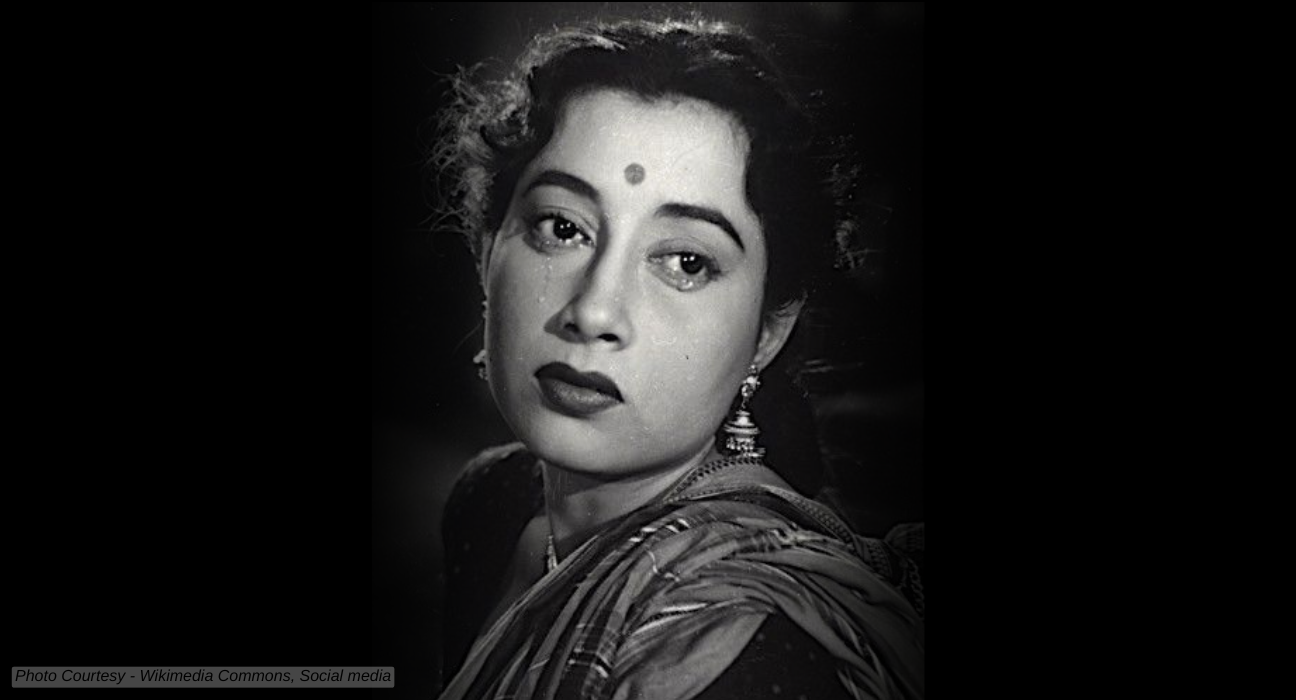
Sumita Devi
 Bangladesh
Also known as: Hena Bhattacharya, Nilufar Begum
Birthday
February 2, 1936
Birth Sign
Aquarius
Birthplace
Dhaka, Bangladesh
Age
Died at 67
About
Sumita Devi was a Bangladeshi actress and one of the pioneering leading ladies of the country's film industry. She is remembered as an iconic figure in Dhakai cinema, often hailed as the first lady of the industry. Her career, which spanned nearly five decades, made her one of the most prolific performers of her generation, with a legacy that continues to influence Bangladeshi cinema.
Devi is best remembered for her roles in classics like Ayna and Mukh O Mukhosh, the latter widely considered the first full-length feature film of East Pakistan. Her work extended beyond the silver screen to radio and television, where she also made significant contributions. Beyond her on-screen achievements, she is celebrated for her patriotic dedication during the Bangladesh Liberation War in 1971, serving as an artist with the Swadhin Bangla Betar Kendra. Her enduring legacy is a testament to her talent, versatility, and commitment to her craft and country.
Early Life & Background
Sumita Devi was born Hena Bhattacharya on February 2, 1936, in Dhaka, then part of British India, though some sources indicate her birthplace more specifically as the Manikganj District of present-day Bangladesh. She was also known by the name Nilufar Begum before adopting her stage name. Details of her early schooling are scarce, but she showed an early interest in the performing arts, starting with radio and theatre work while still young.
She entered the entertainment industry at a time when few women pursued acting publicly, making her a trailblazer. Her initial experiences on stage and radio honed her craft and opened the door to film. By the late 1950s, she had made her way into the fledgling Dhaka-based film industry, where she quickly stood out as a talented and dedicated performer.
Career Growth
Sumita Devi's film debut came in the late 1950s, and she rose to prominence during the early 1960s. One of her earliest notable appearances was in Ae Desh Tomar Amar (1959), where she starred opposite Khan Ataur Rahman. In 1964, she appeared in Sangam alongside Khalil, Rosy Samad, and Haroon, further cementing her status as a leading lady.
Her most iconic roles came in Ayna and Mukh O Mukhosh, the latter being celebrated as the first full-length feature film of East Pakistan. Over her 45-year career, she acted in approximately 200 films and 150 radio and TV dramas, a remarkable output that showcased her versatility. During the 1971 Liberation War, she joined the Swadhin Bangla Betar Kendra as an artist, using her voice to support the independence movement. She continued acting until her death in 2004, leaving behind a rich filmography that fans still cherish.
Career Timeline
Public Image & Style
Sumita Devi is remembered as an iconic figure in Dhakai cinema, often hailed as the first lady of the industry. Her public persona was that of a graceful, dedicated artist who broke barriers for women in Bangladeshi film. Media portrayals emphasize her pioneering role and her prolific output across film, radio, and television. Her participation in the Swadhin Bangla Betar Kendra during the Liberation War added a layer of patriotic reverence to her image. Fans today admire her for her classic performances and her contribution to the nation's cultural identity. Her legacy is maintained through archival content, including a YouTube biography video and a Facebook video biography, ensuring that new generations can discover her work.
Fame & Fandom
Sumita Devi stands as the 77th most famous person in Indian Dramas, a steady position that reflects her enduring resonance within the region's cinematic history. This placement within the iFANN Global Fame Rankings underscores how her work remains a vital reference point for generations of viewers and scholars alike. Her presence in these rankings tracks global attention across media coverage, search trends, and consumption signals worldwide, cementing her status not merely as a historical figure but as an active subject of cultural interest decades after her final performance. While her legacy commands deep respect, there is no formal name for her fanbase, nor are there organized clubs or specific rituals dedicated to her memory. The appreciation she receives is decentralized, manifesting through retrospective tributes and biographical accounts rather than modern campaigns like birthday billboards or streaming chart pushes. Fans today admire her for her classic performances and her pioneering role as one of the first leading ladies of the Bangladeshi film industry, engaging with her story as a foundational chapter in national cinema rather than as a contemporary pop culture phenomenon.
Interesting Facts and Legends
Born Hena Bhattacharya, Sumita Devi navigated her life through several identities, adopting the name Nilufar Begum before settling on Sumita Devi for her acting career. She was among the very first female actors in Dhaka, entering a field that was almost entirely male-dominated at the time. During the 1971 Liberation War, her commitment went beyond entertainment; she participated actively in protests and strikes while contributing to Swadhin Bangla Betar Kendra. Her husband, filmmaker Zahir Raihan, disappeared in 1972 and was never found, a mystery that still haunts Bangladeshi cinema. Despite her fame, no official records of her height or other physical attributes have surfaced. Recent archival photographs of her have appeared on IMDb, including one with Khan Ataur Rahman from 1959 and another with Zahir Raihan, preserving her image for posterity. Her legendary status is defined by the sheer volume of her work: she acted in approximately 200 films over a 45-year career, alongside 150 radio and television dramas. Notable works cited in her filmography include *The Glass Wall* (1963), directed by Zahir Raihan, *Daughter of the Sun* (1977), and *The Prince* (1985). While these films are part of her legacy, the absence of news-tagged results regarding recent life events confirms that her primary legend remains her historical impact as a foundational actress of Bangladesh's cinema.
Family & Personal Life
Sumita Devi was married to Zahir Raihan, a celebrated Bangladeshi filmmaker, novelist, and journalist known for works like Jibon Theke Neya and Stop Genocide. Their marriage united two of the most creative figures in Bengali cinema. Zahir Raihan disappeared in 1972 under unresolved circumstances, and his fate remained unknown. The couple had no publicly documented children. After her husband's disappearance, Sumita Devi continued her acting career, living out her later years in Bangladesh until her death on January 6, 2004, at the age of 67.
Notable Connections
Sumita Devi was closely associated with her husband, the acclaimed filmmaker Zahir Raihan. She also worked with prominent actors of her time, including Khan Ataur Rahman in Ae Desh Tomar Amar (1959) and Khalil, Rosy Samad, and Haroon in Sangam (1964). Her collaborations with these figures helped shape the early Bangladeshi film industry.
Relationships & Dating History
Sumita Devi was married to Zahir Raihan, a prominent filmmaker and intellectual. The exact date of their wedding is not recorded, but their marriage was a notable union in the Bangladeshi film world. Zahir Raihan disappeared in 1972 during the post-independence period, and his body was never found. Sumita Devi never remarried and spent the rest of her life as a widow, passing away on January 6, 2004.
- MarriedZahir Raihan? - 1972Married to the acclaimed filmmaker; he disappeared in 1972 and was never found.
Death & Aftermath
Died
January 6, 2004 (aged 67)
Death Place
Unknown
Cause of Death
Unknown
Sumita Devi spent her final years in Bangladesh, continuing to be a revered figure within the local film community until the very end of her life. On January 6, 2004, at the age of sixty-seven, she passed away after a career that had spanned nearly five decades and touched countless lives through her work on stage and screen. While biographical records confirm the exact date of her passing, the specific location where she died and the official medical cause remain unrecorded in public archives.
Public reaction to her passing included tributes acknowledging her status as one of the first leading ladies of Bangladeshi cinema and her significant contributions during the Liberation War of Bangladesh, where she participated in various protests and strikes. An article titled In remembrance of Sumita Devi appeared in The Daily Star, offering general professional acknowledgment of her legacy.
Information concerning the funeral or memorial service is absent from the provided search results. There are no reports specifying when or where the funeral took place, whether it was public or private, notable attendees, performances, or the method of disposition. Posthumously, Sumita Devi remains recognized for her extensive filmography, including titles such as Ae Desh Tomar Amar, Matir Pahar, and Akash Ar Mati. Her legacy is primarily maintained through retrospective articles and database entries rather than new institutional honors or estate settlements detailed in the current data.
Net Worth (Estate Value)
$1 Million
iFANN Editorial Team estimate
Sumita Devi passed away on January 6, 2004, and detailed financial records from her era are scarce. However, research by the iFANN Editorial Team puts the value of her estate at around $1 million as of 2026. This figure accounts for potential royalties from her films and dramas, as well as the historical significance of her work in Bangladeshi cinema. Since her death, her films have been re-released on platforms like Apple Music, and her legacy continues to be celebrated, though no major posthumous earnings have been reported. The estate is presumably managed by her family, though no public details are available. The Bangladeshi film industry of her era did not generate the kind of documented wealth associated with modern global cinema, and no financial data has been surfaced in the search results.
Awards & Accolades
Known For
Mukh O Mukhosh
·
Ayna
·
Sangam
1964 ·
Ae Desh Tomar Amar
1959 ·
Keywords
Sources
Quick Facts
- Profession
- Actress
- Born
- February 2, 1936
- Birthplace
- Dhaka, Bangladesh
- Died
- January 6, 2004
- Gender
- Female
- Spouse
- Zahir Raihan
- Birth Sign
- Aquarius
Personal Details
- Full Name
- Hena Bhattacharya
- Spouse
- Zahir Raihan
Filmography
200
Total
200
Film
150
TV
Frequently Asked Questions
Who was Sumita Devi?
Was Sumita Devi married?
What is Sumita Devi known for?
When did Sumita Devi die?
How many films did Sumita Devi act in?
Similar People

Join the community
fans discussing